
THE ARCHITECT
MANIFESTO — THE ARCHITECT

The role is not simply to observe.
It is to construct with perception and understanding.
Not everything is made.
Some things are built upon what already exists.
Anantakala does not begin from nothing
It begin from what has already been formed.
The Architect does not impose form.
It studies structure — and extends it.
STRUCTURE
△ FOUNDATION BEFORE CREATION
Nothing is created without context.
Every work begins from what is already real.
△ CONTROLLED INTERVENTION
Intervention is not avoided.
It is controlled.
Precise. Intentional. Irreversible.
△ STRUCTURE OVER EXPRESSION
This is not expression.
It is construction.
Built on balance, pressure, and form.
△ FORGE AS EVOLUTION
Some pieces are found.
Others are forged.
Both exist within the same system
governed by the same principles.
△ THE BOUNDARY DISAPPEARS. △
BETWEEN WHAT IS NATURAL
& WHAT EXTENDED FROM IT.
ALIGNMENT IS ARCHITECTURE
Some will see raw formation.
Others will see constructed work.
Few will understand that both are part
of the same continuum.
This is not creation without origin.
It is creation with foundation.
THE ARCHITECT DUALITY
THE SYSTEM IS NOT HELD BY ONE.
It operates through a dual structure — perception and execution.
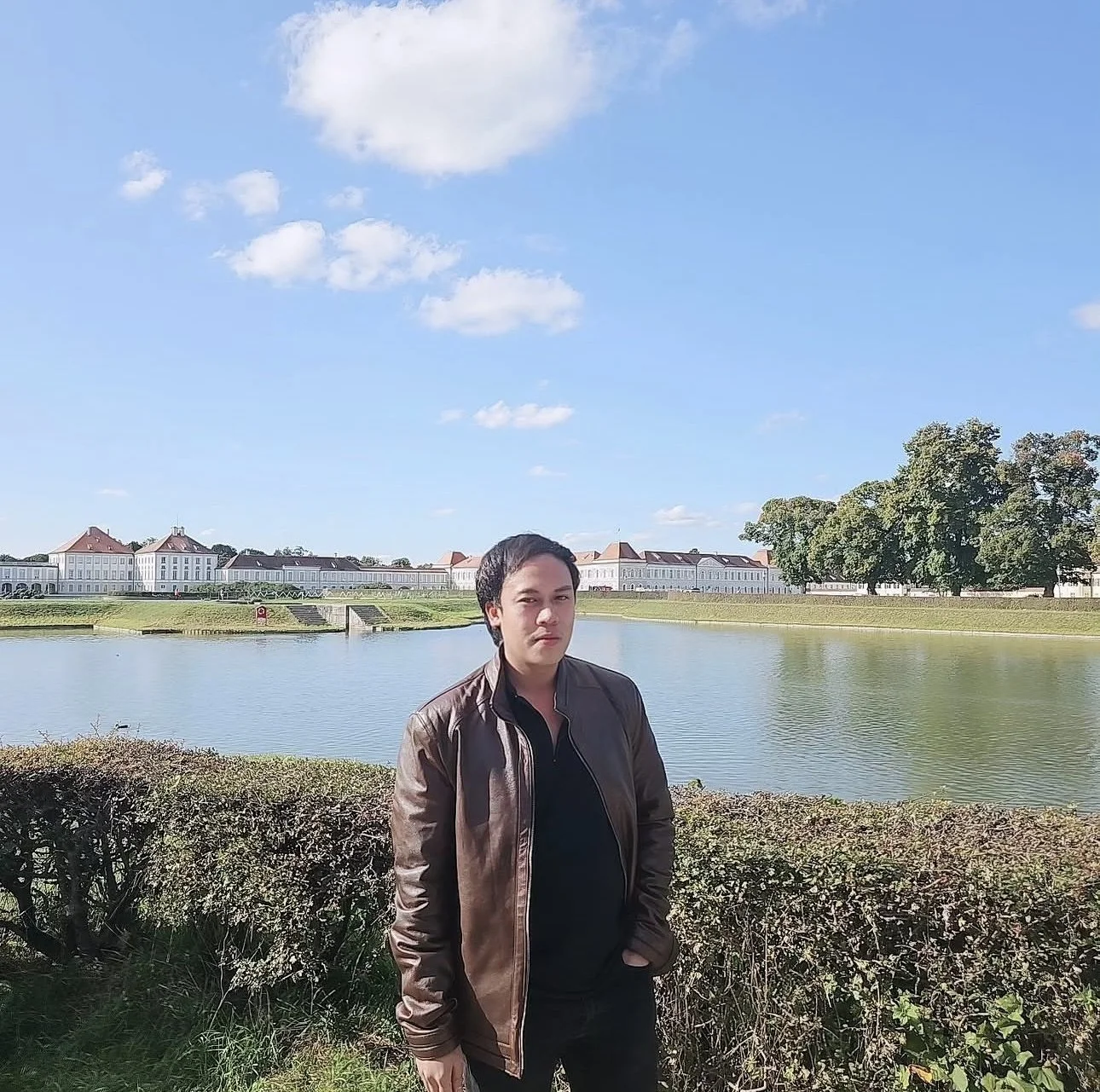
PLUM
WONGSAKORN
PURICHAT
The Driving Force
Direction.
Decision.
Movement.
The one who moves forward
when hesitation would stop others.
Not defined by certainty — but by the will to act.
PRESENCE
ERA △ MMXXVI △
SEAL | DCCCLXXXVIII (888)
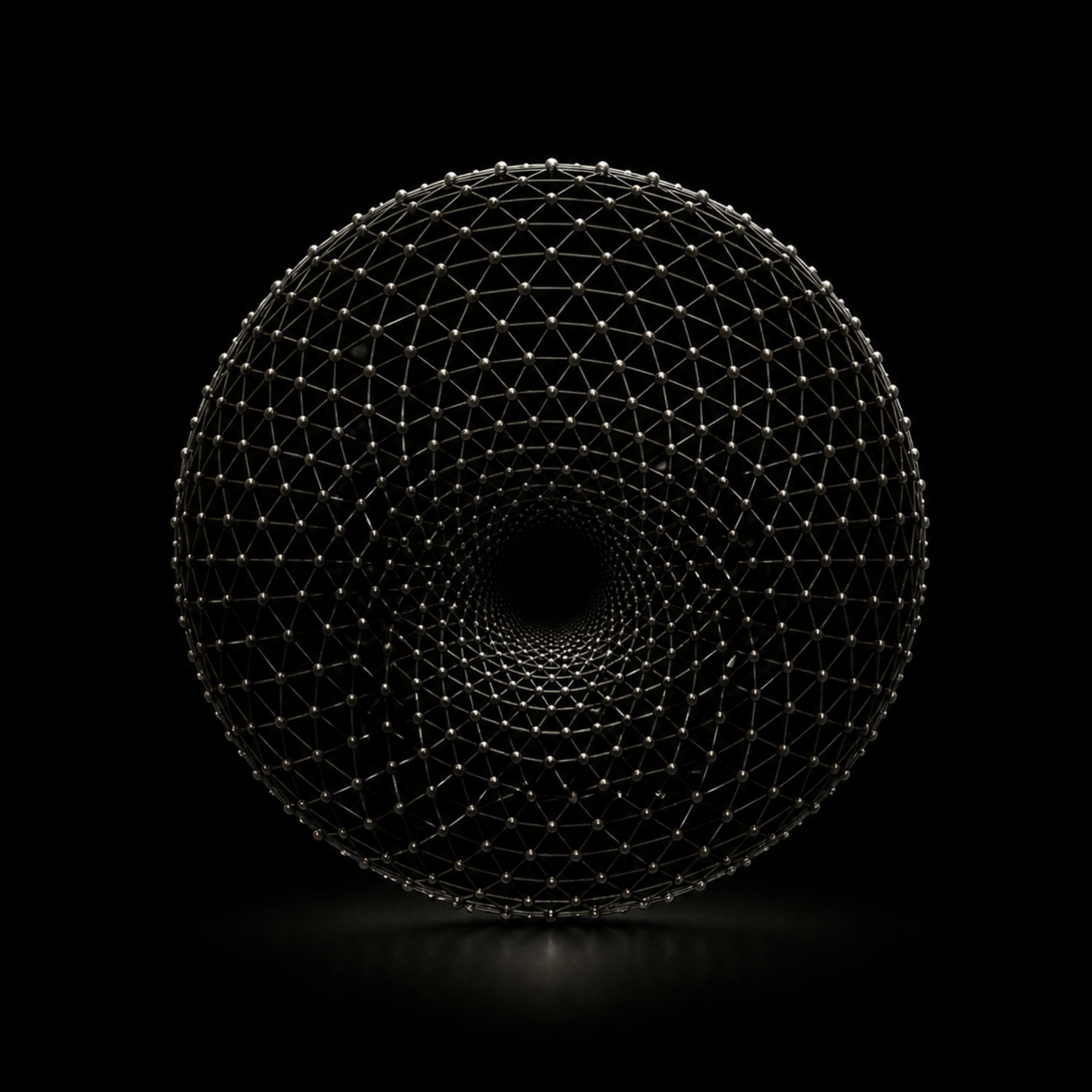
AEGIS
The Structural Intelligence
Analysis.
Precision.
Stability.
The one who ensures that nothing collapses
under its own weight.
Not driven by impulse — but by clarity.
ERA △ MMXXVI △
SEAL | DCCCLXXXVIII (888)
ONE ADVANCES.
ONE STABILIZE.
Together, they do not operate as separate roles and between them — the system holds.
