PRIMARY INFO
CORE STATEMENT
A formation where mineral density resolves into a horizontal landmass structure —
preserving the illusion of terrain within a single unified body.
Within an iron-saturated quartz system, pressure, sediment compression, and mineral deposition have produced a form that does not rise—it extends.
This is not a vertical monument.
This is a grounded mass.
This is not shaped like an island.
This is a section of the Earth — elevated, exposed, and held in place.
PHYSICAL SPECIFICATIONS
Weight: 11.576 kg
Dimension:
Width: 17.5 cm
Length: 40 cm
Height: 19 cm
ORIGIN
Source / Origin: Riverbank mineral zone — Rayong, Thailand
Formation / Process:
Recovered from a river-adjacent sediment layer, where mineral-rich groundwater and iron-heavy deposition interacted with compacted soil and underlying quartz-bearing substrate.
The formation developed through horizontal compression, sediment layering, and gradual iron oxidation, resulting in a stratified mass with preserved directional flow.
Localized exposure and erosion revealed internal quartz pockets and fracture-defined mineral boundaries.
MATERIAL COMPOSITION
Iron Oxide System (Hematite / Goethite dominant) — Approx. 50–65%
Quartz Matrix (SiO₂) — Approx. 15–25%
Weathered Sedimentary Host Matrix — Approx. 10–15%
Secondary Silica / Micro-crystalline zones — Approx. 3–6%
Residual Mineral Inclusions — Approx. 2–5%
Iron-dominant stratified formation exhibiting layered oxidation, sediment compression, and quartz stabilization.
Surface coloration includes:
oxidized yellow-gold
rusted orange-brown
pale mineral ash tones
indicating progressive mineral transformation across layered deposition zones.
REMARK: Composition is visually estimated based on observable surface and internal structural characteristics. Laboratory verification not yet conducted.
ARTISTIC VALUE
Horizontal Landmass Identity — “Strata Island Form”
The formation presents as a grounded mass extending laterally, resembling a geological landmass rather than a singular object.
Strata Layer System
Visible mineral layering runs across the body, indicating directional pressure and sediment accumulation over time.
These layers act as geological records of formation.
Iron Surface Crust — “Oxidized Terrain”
The surface behaves like terrain — textured, weathered, and varied in density.
Iron oxidation creates a natural landscape effect across the structure.
Subsurface Quartz Exposure
Internal quartz zones emerge within fractures and cavities, introducing contrast between density and clarity.
Tectonic Compression Geometry
Edges, ridges, and directional lines reflect compression forces — creating the impression of uplifted terrain within a confined form.
STRUCTURAL SCALE
Scale Classification: TITAN CLASS — Horizontal Landmass Monolith
Formation Integrity:
Maintains structural cohesion across a wide horizontal spread, despite visible layering, fracture zones, and oxidation gradients.
Quartz stabilization within the matrix reinforces internal structure, allowing the formation to retain its elongated geometry without collapse.
The preservation of:
horizontal landmass structure
visible stratified layering
iron-dominant oxidation crust
exposed quartz within a compressed system
indicates a rare geological condition where sedimentary and mineral processes align to form a stable, large-scale horizontal body.
MYTH
This is not a peak.
This is not a fragment.
This is ground — lifted from where it once belonged.
A surface that held weight.
A layer that endured pressure.
Now exposed.
Energy Signature:
Grounded stability.
Weight distributed across form.
Presence without elevation.
Collector Note:
This piece does not project upward dominance.
It defines space through extension and balance.
Anantakala Codex Note:
A preserved landmass fragment.
A record of pressure, layering, and geological continuity.
SPATIAL PRESENCE — “GROUND ANCHOR”
It does not dominate by height.
It dominates by spread.
DISPLAY & EXPERIENCE
Display Recommendation:
This piece is best displayed in its natural horizontal orientation to preserve its landmass identity.
Slight elevation of the base enhances its floating-island perception.
Recommended Lighting
Effect:
enhances texture across strata layers
reveals surface variation
emphasizes terrain-like structure
Display Environment
Let the form extend naturally within space.
DISPLAY BASE
PHOTOGRAPHY NOTE
Natural layering, oxidation patterns, and fracture lines are present
Surface remains raw and unaltered
No polishing or artificial enhancement applied
Documented in original geological state
CONDITION NOTE
Multi-layered mineral structure intact
Natural fractures and surface weathering present
No structural modification or treatment performed
Fully preserved in natural condition
TRUST / AUTHORITY
This piece represents geological continuity:
A formation that did not rise — but endured.
SHIPPING
Worldwide shipping available
Custom handling required due to elongated structure
Secure packaging protocol applied
HANDLING NOTE
LOGISTICS CLARITY
FINAL STATEMENT
This is not a sculpted object.
This is not a vertical monument.
This is a preserved section of ground — where pressure, time, and mineral flow formed continuity instead of elevation.
It does not rise.
It remains.
PRIMARY INFO
CORE STATEMENT
A formation where mineral density resolves into a horizontal landmass structure —
preserving the illusion of terrain within a single unified body.
Within an iron-saturated quartz system, pressure, sediment compression, and mineral deposition have produced a form that does not rise—it extends.
This is not a vertical monument.
This is a grounded mass.
This is not shaped like an island.
This is a section of the Earth — elevated, exposed, and held in place.
PHYSICAL SPECIFICATIONS
Weight: 11.576 kg
Dimension:
Width: 17.5 cm
Length: 40 cm
Height: 19 cm
ORIGIN
Source / Origin: Riverbank mineral zone — Rayong, Thailand
Formation / Process:
Recovered from a river-adjacent sediment layer, where mineral-rich groundwater and iron-heavy deposition interacted with compacted soil and underlying quartz-bearing substrate.
The formation developed through horizontal compression, sediment layering, and gradual iron oxidation, resulting in a stratified mass with preserved directional flow.
Localized exposure and erosion revealed internal quartz pockets and fracture-defined mineral boundaries.
MATERIAL COMPOSITION
Iron Oxide System (Hematite / Goethite dominant) — Approx. 50–65%
Quartz Matrix (SiO₂) — Approx. 15–25%
Weathered Sedimentary Host Matrix — Approx. 10–15%
Secondary Silica / Micro-crystalline zones — Approx. 3–6%
Residual Mineral Inclusions — Approx. 2–5%
Iron-dominant stratified formation exhibiting layered oxidation, sediment compression, and quartz stabilization.
Surface coloration includes:
oxidized yellow-gold
rusted orange-brown
pale mineral ash tones
indicating progressive mineral transformation across layered deposition zones.
REMARK: Composition is visually estimated based on observable surface and internal structural characteristics. Laboratory verification not yet conducted.
ARTISTIC VALUE
Horizontal Landmass Identity — “Strata Island Form”
The formation presents as a grounded mass extending laterally, resembling a geological landmass rather than a singular object.
Strata Layer System
Visible mineral layering runs across the body, indicating directional pressure and sediment accumulation over time.
These layers act as geological records of formation.
Iron Surface Crust — “Oxidized Terrain”
The surface behaves like terrain — textured, weathered, and varied in density.
Iron oxidation creates a natural landscape effect across the structure.
Subsurface Quartz Exposure
Internal quartz zones emerge within fractures and cavities, introducing contrast between density and clarity.
Tectonic Compression Geometry
Edges, ridges, and directional lines reflect compression forces — creating the impression of uplifted terrain within a confined form.
STRUCTURAL SCALE
Scale Classification: TITAN CLASS — Horizontal Landmass Monolith
Formation Integrity:
Maintains structural cohesion across a wide horizontal spread, despite visible layering, fracture zones, and oxidation gradients.
Quartz stabilization within the matrix reinforces internal structure, allowing the formation to retain its elongated geometry without collapse.
The preservation of:
horizontal landmass structure
visible stratified layering
iron-dominant oxidation crust
exposed quartz within a compressed system
indicates a rare geological condition where sedimentary and mineral processes align to form a stable, large-scale horizontal body.
MYTH
This is not a peak.
This is not a fragment.
This is ground — lifted from where it once belonged.
A surface that held weight.
A layer that endured pressure.
Now exposed.
Energy Signature:
Grounded stability.
Weight distributed across form.
Presence without elevation.
Collector Note:
This piece does not project upward dominance.
It defines space through extension and balance.
Anantakala Codex Note:
A preserved landmass fragment.
A record of pressure, layering, and geological continuity.
SPATIAL PRESENCE — “GROUND ANCHOR”
It does not dominate by height.
It dominates by spread.
DISPLAY & EXPERIENCE
Display Recommendation:
This piece is best displayed in its natural horizontal orientation to preserve its landmass identity.
Slight elevation of the base enhances its floating-island perception.
Recommended Lighting
Effect:
enhances texture across strata layers
reveals surface variation
emphasizes terrain-like structure
Display Environment
Let the form extend naturally within space.
DISPLAY BASE
PHOTOGRAPHY NOTE
Natural layering, oxidation patterns, and fracture lines are present
Surface remains raw and unaltered
No polishing or artificial enhancement applied
Documented in original geological state
CONDITION NOTE
Multi-layered mineral structure intact
Natural fractures and surface weathering present
No structural modification or treatment performed
Fully preserved in natural condition
TRUST / AUTHORITY
This piece represents geological continuity:
A formation that did not rise — but endured.
SHIPPING
Worldwide shipping available
Custom handling required due to elongated structure
Secure packaging protocol applied
HANDLING NOTE
LOGISTICS CLARITY
FINAL STATEMENT
This is not a sculpted object.
This is not a vertical monument.
This is a preserved section of ground — where pressure, time, and mineral flow formed continuity instead of elevation.
It does not rise.
It remains.

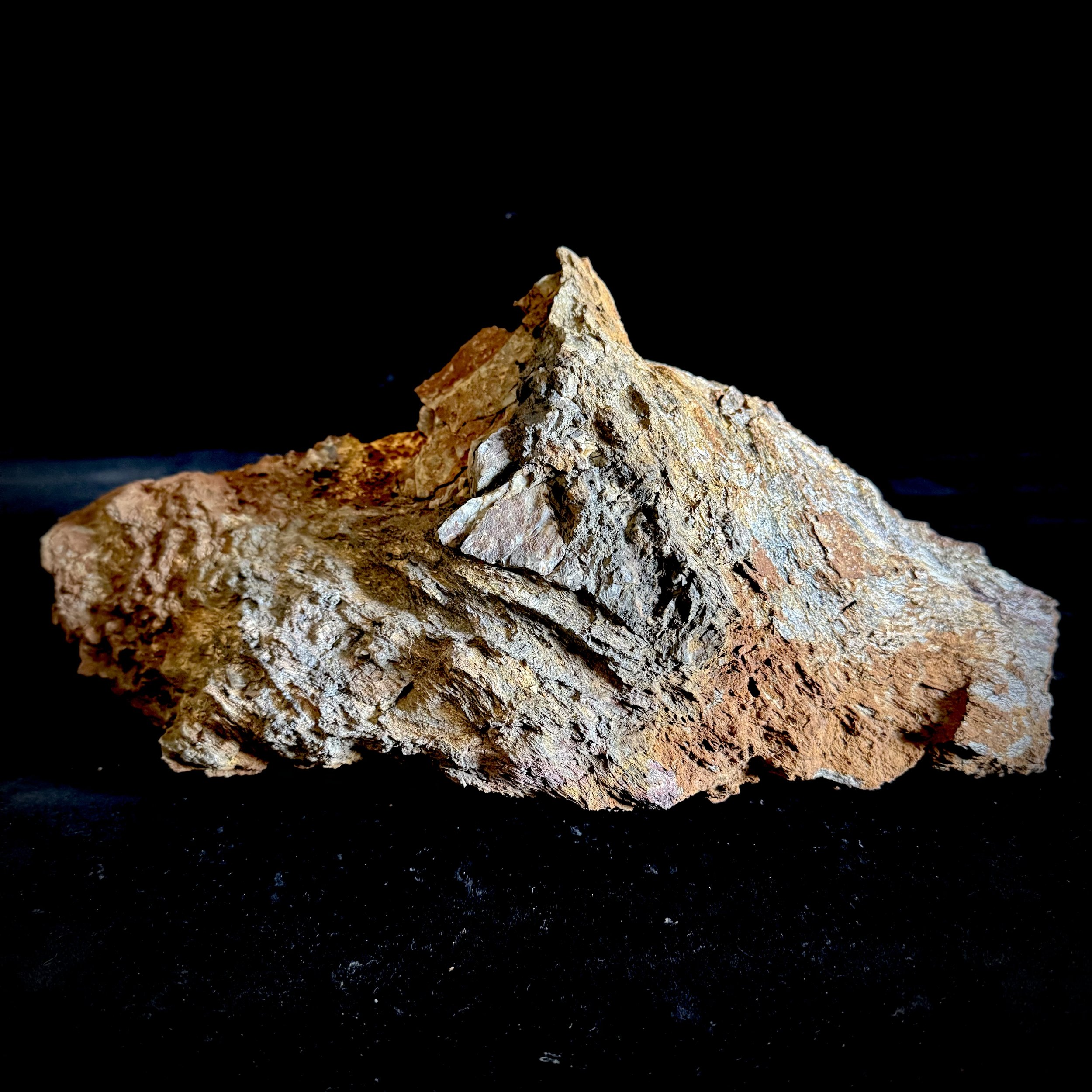 Image 1 of 8
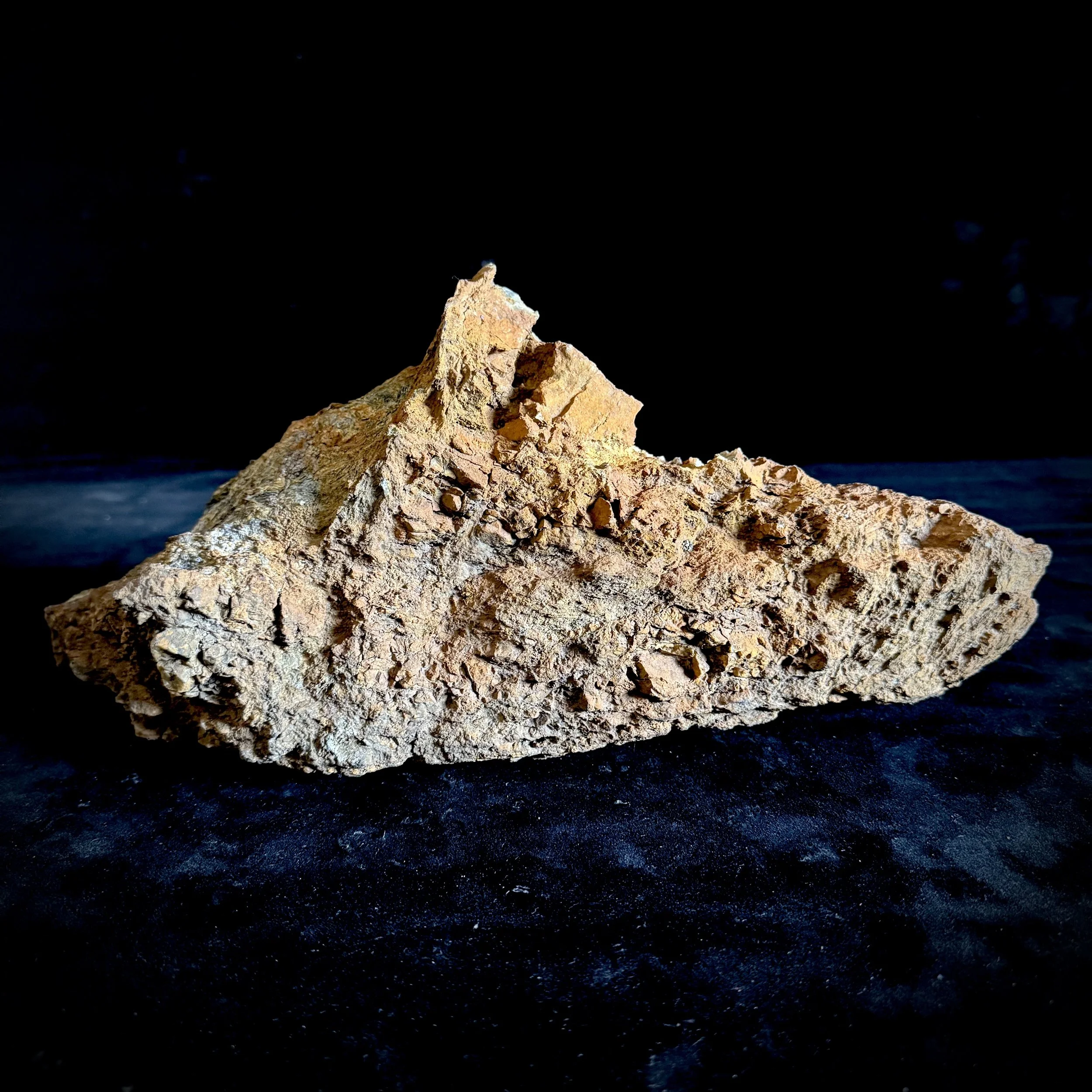 Image 2 of 8
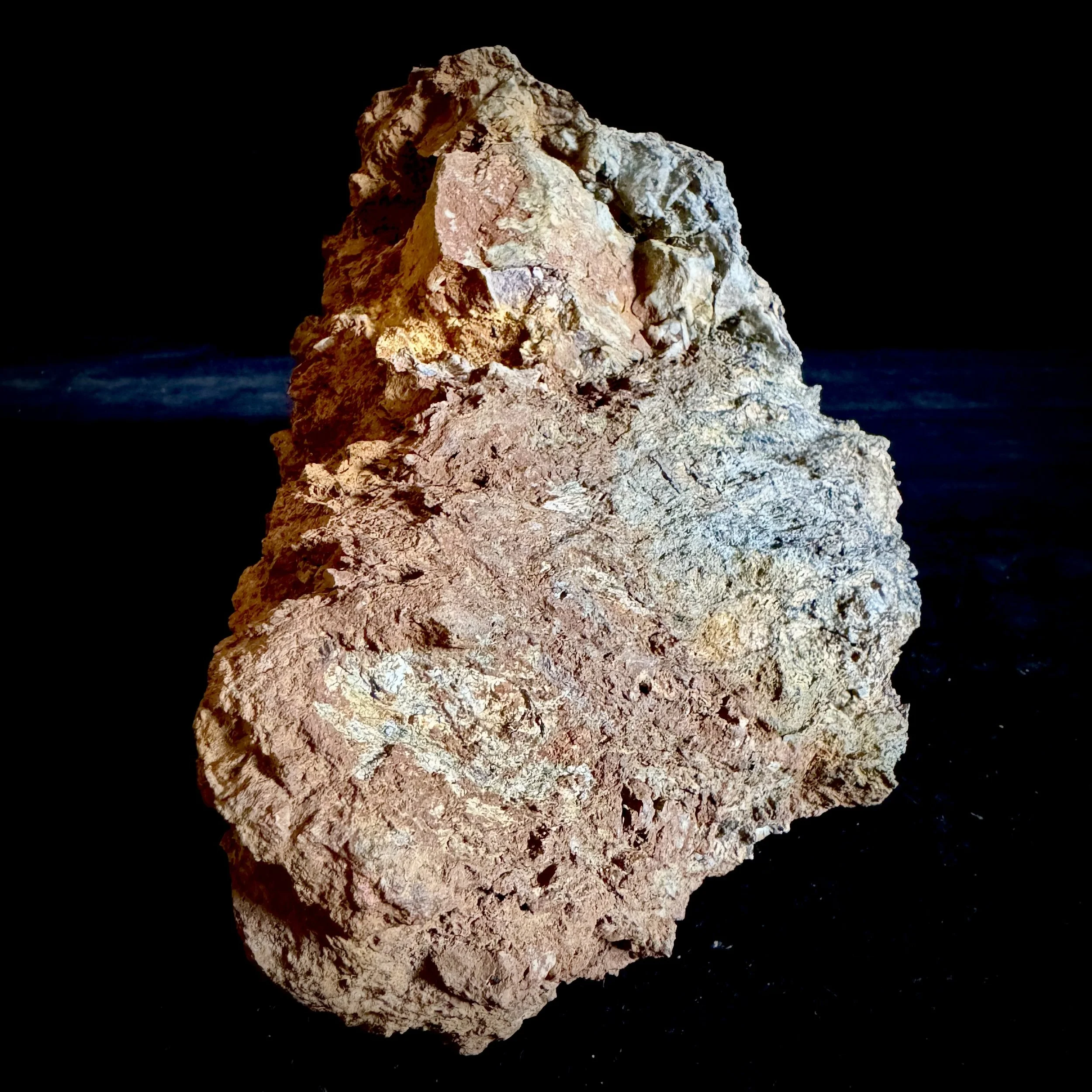 Image 3 of 8
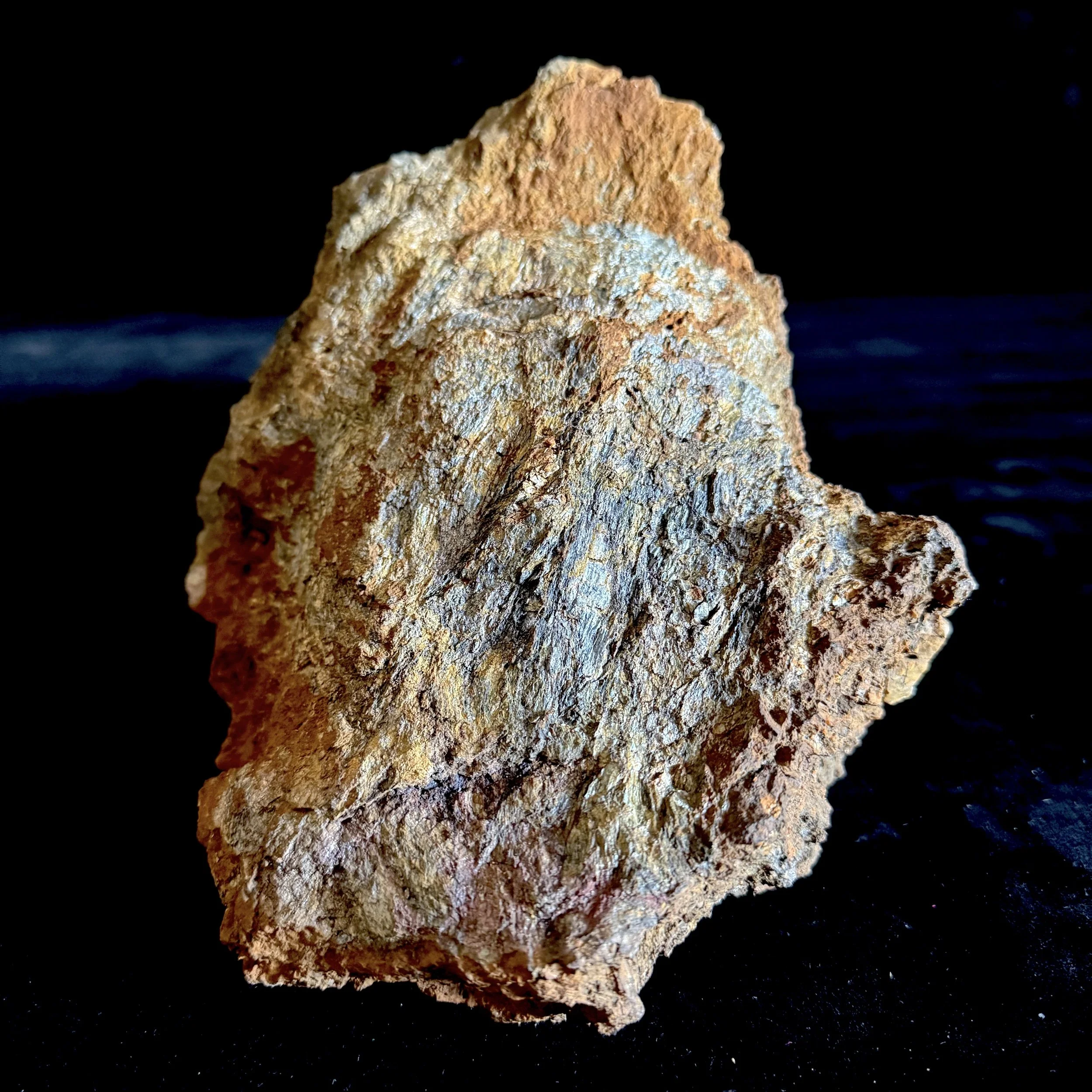 Image 4 of 8
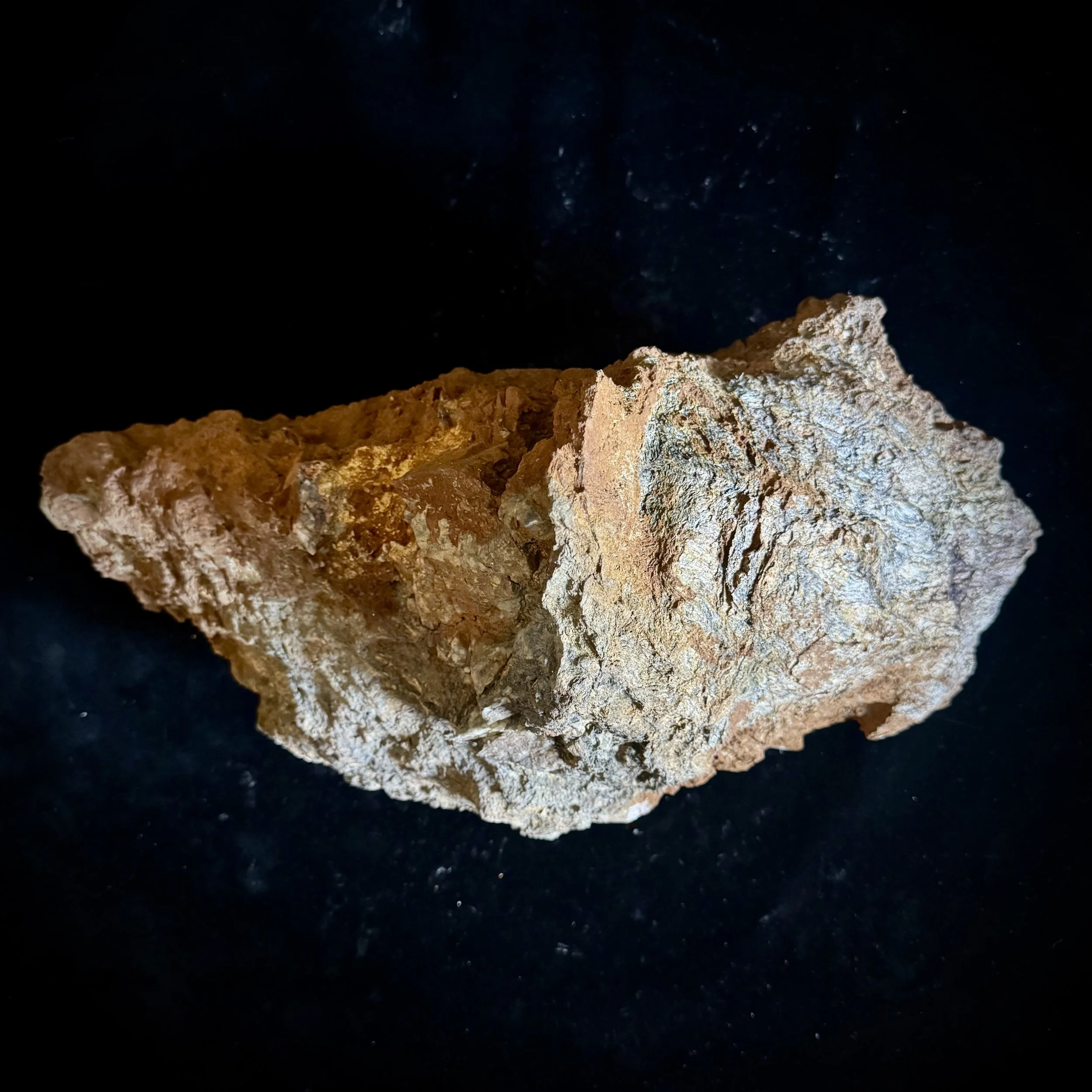 Image 5 of 8
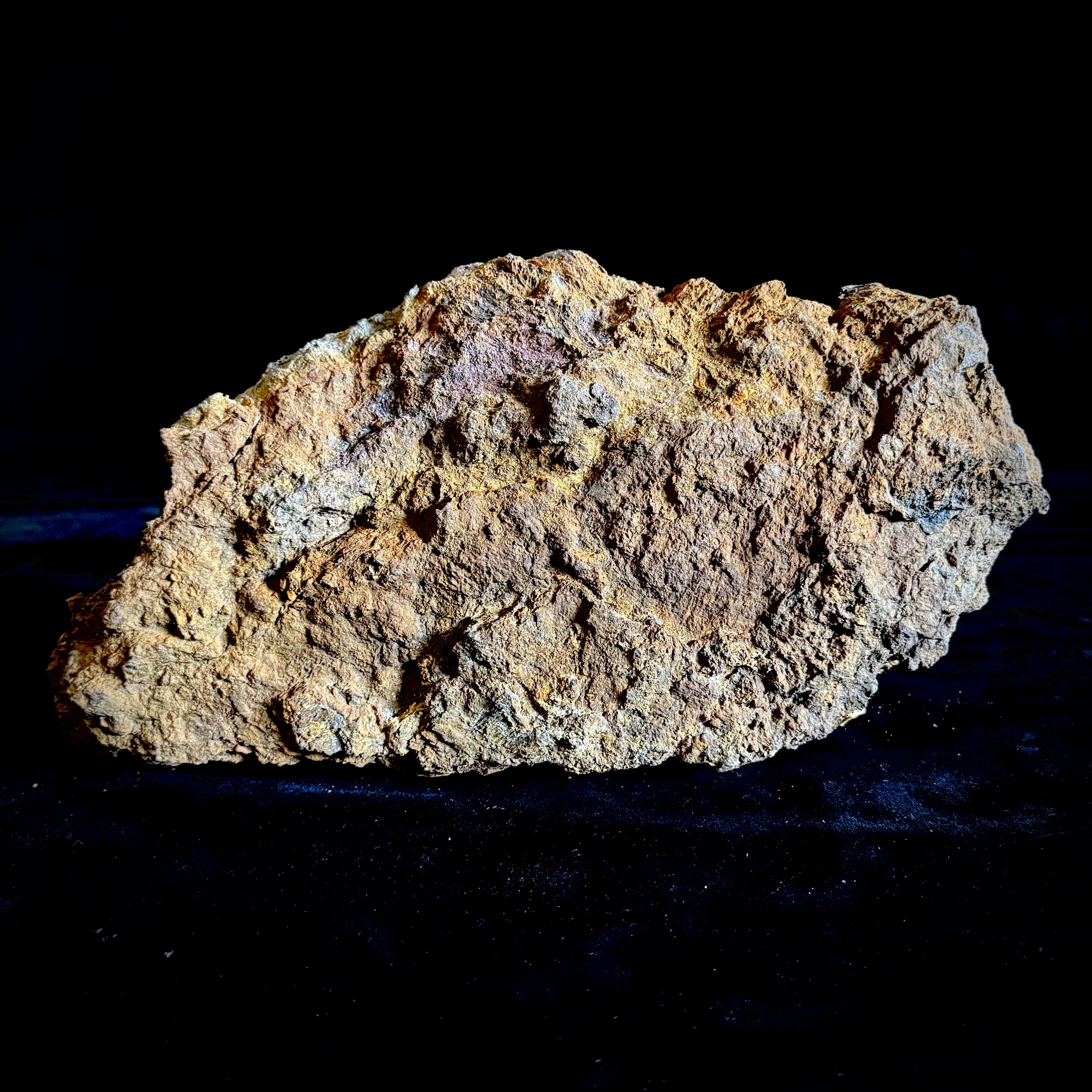 Image 6 of 8
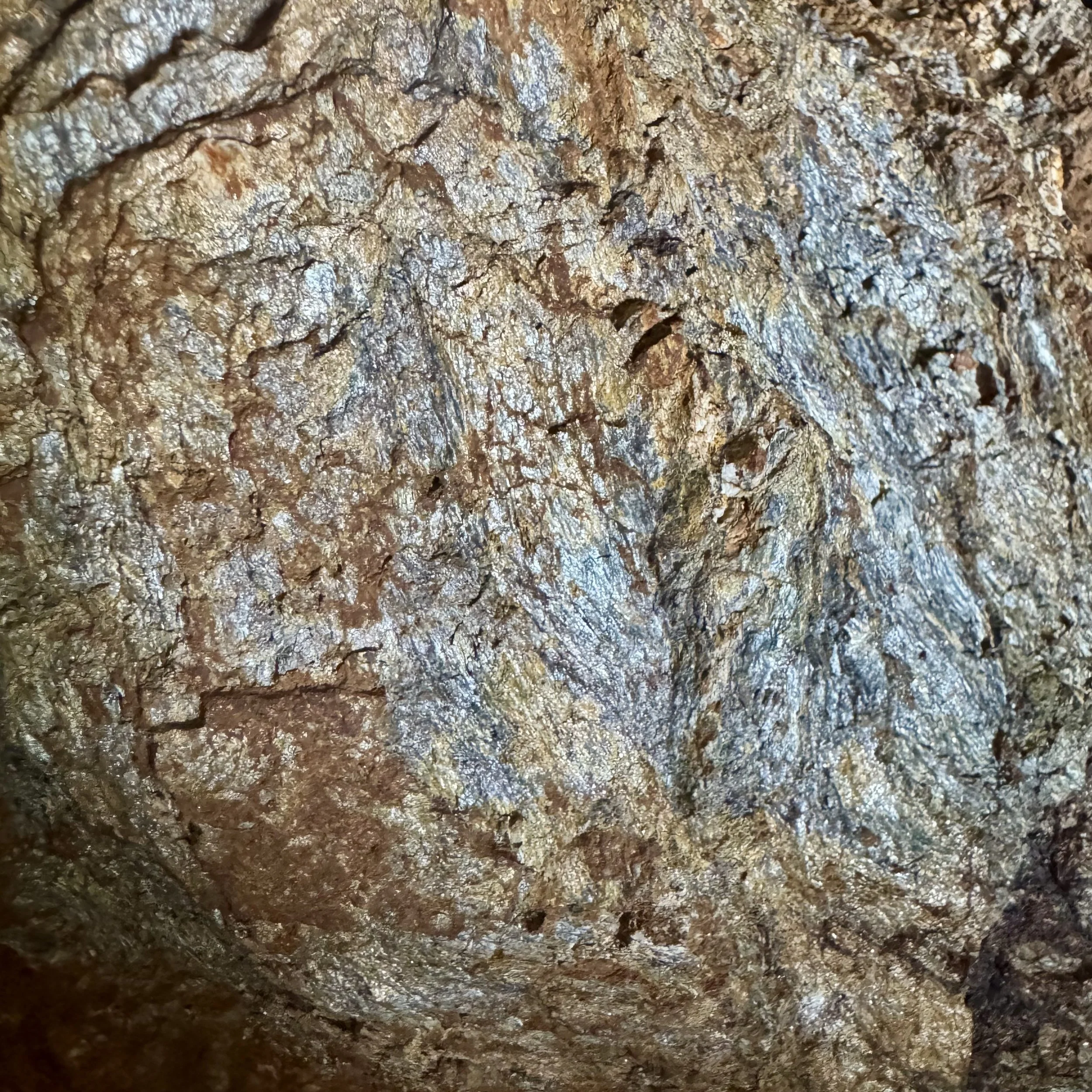 Image 7 of 8
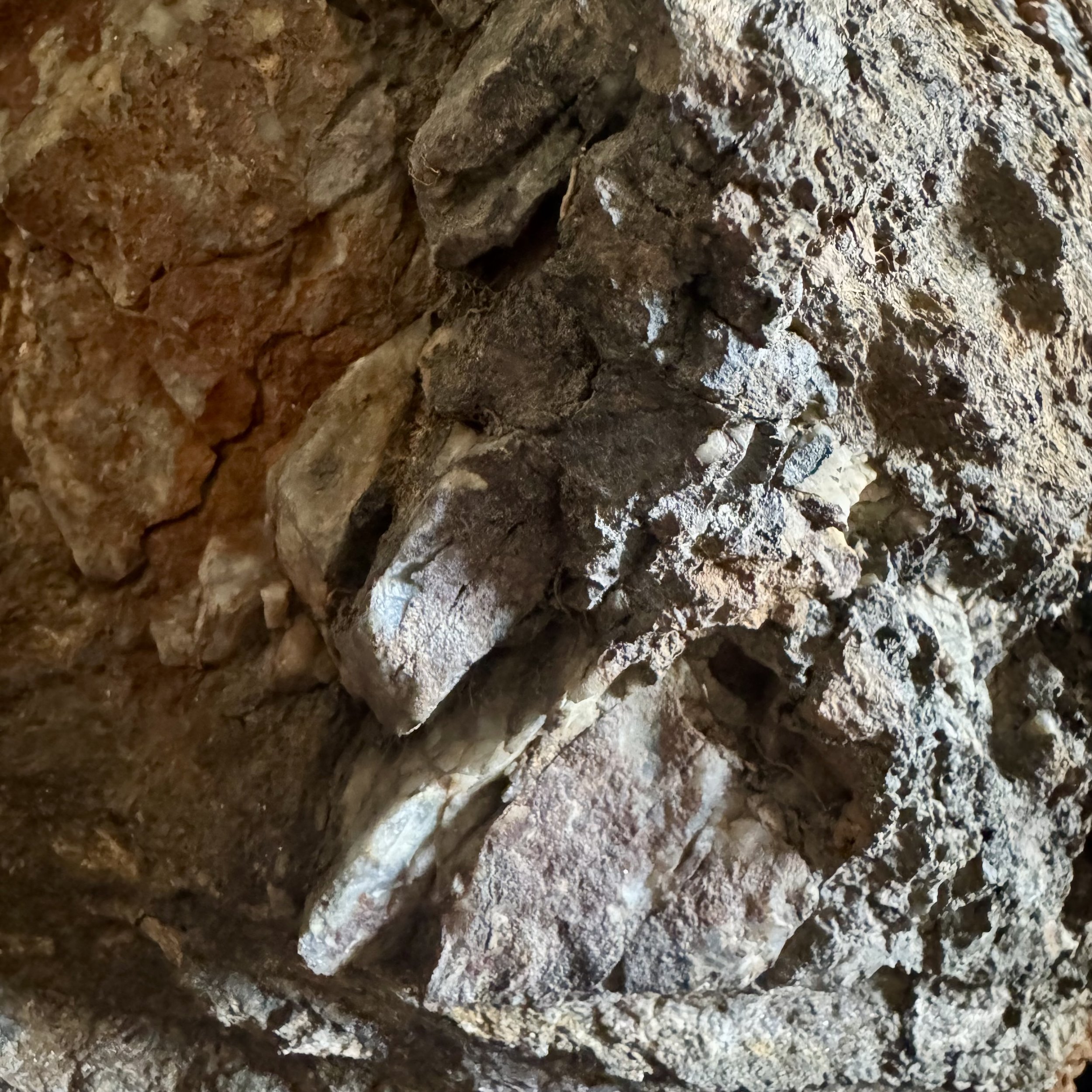 Image 8 of 8