PRIMARY INFO
Codex No.: A00037
Codex Tier: Crystalline Growth Tier
Rarity Index: 8.7/10
(Non-repeatable surface crystallization system)
Availability: One of One — No replication possible
CORE STATEMENT
A00037 is not defined by mass or singular structure.
It is defined by surface evolution and mineral accumulation.
This formation presents as a layered crystalline field —
where quartz growth, iron deposition, and environmental exposure interact over time.
It is not a solid block.
It is a surface that continued to form —
gradually, persistently, and without interruption.
PHYSICAL SPECIFICATIONS
Weight: 5.628 kg
Dimension:
Width: 18.5 cm
Length: 19 cm
Height: 16 cm
ORIGIN
Source / Origin: Coastal mineral zone — Rayong, Thailand
Formation / Process:
Formed through silica-rich mineral deposition along exposed rock surfaces, combined with mineral-bearing water flow and long-term oxidation processes.
Crystalline layers developed progressively, creating a surface-based growth system rather than a singular consolidated mass.
Era / Estimated Age: Millions of years
(Exact dating undefined — classified as surface-evolved natural formation)
MATERIAL COMPOSITION
Quartz / Silica Crystalline Mass — Approx. 55–70%
Micro-Druzy / Fine Crystalline Surface — Approx. 15–25%
Iron Oxide Deposition (Hematite / Goethite) — Approx. 10–18%
Residual Host Rock & Mineral Matrix — Approx. 5–10%
Quartz-dominant formation exhibiting extensive micro-crystalline development across exposed surfaces.
Iron oxide presence contributes to golden–brown coloration and indicates prolonged oxidation and mineral-rich environmental interaction.
The presence of druzy textures suggests late-stage crystallization within surface cavities and micro-fracture zones.
REMARK: Composition is visually estimated based on observable surface and structural characteristics. Laboratory confirmation not yet conducted.
ARTISTIC VALUE
Golden Crust Formation — “Active Deposition”
The upper layer presents as a golden granular crust — uneven, dense, and mineral-rich.
This is not contamination. It is accumulation.
Crystalline Base Exposure — “Underlying Structure”
Beneath the crust, white quartz structures emerge — fractured, blocky, and stable.
This provides contrast between foundation and growth.
Micro-Druzy Field — “Surface Activation”
Fine crystal clusters spread across the surface, producing subtle light interaction.
The surface appears responsive rather than static.
Oxidation Zones — “Environmental Record”
Darker brown and gray zones mark pathways of mineral flow and exposure.
These areas reflect interaction with surrounding conditions over time.
STRUCTURAL SCALE
Scale Classification: Medium-Form Relic (Surface Growth Class)
Formation Integrity:
Maintains cohesive structural integrity despite irregular surface layering and micro-crystalline exposure.
The integration between crust, crystalline zones, and matrix ensures stability across a complex growth surface.
Rarity Factor (Scale):
Surface-growth formations are often fragile, incomplete, or eroded.
The preservation of:
Continuous crystalline surface field
Integrated iron-rich crust
Stable quartz foundation
Multi-zone mineral interaction
indicates a rare example of sustained surface evolution without structural loss.
MYTH
This is not a form that was shaped.
It is a form that continued.
This formation reflects a deeper truth:
Growth does not require direction —
only persistence.
Energy Signature:
Continuous formation. Subtle expansion. Stability through accumulation.
Collector Note:
Best suited for those who value detail, texture, and evolving structure —
not dominance or symmetry.
Anantakala Codex Note:
A preserved surface-growth system. A record of formation that never fully concluded.
SPATIAL PRESENCE — “ACTIVE SURFACE FIELD”
Visual Behavior
The surface interacts with light dynamically due to micro-crystalline distribution.
When positioned correctly:
The piece does not sit statically — it shifts visually with angle and light.
Spatial Role
Adds fine-detail complexity to an environment
Introduces micro-reflective interaction
Enhances visual texture within a space
It does not dominate space. It enriches it.
DISPLAY & EXPERIENCE
Display Recommendation:
Best displayed with clear visibility of the top surface and layered crust zones.
Slight elevation enhances surface readability.
Recommended Lighting
Effect:
Activates micro-crystalline sparkle
Enhances surface depth and layering
Reveals fine mineral detail across zones
Light does not flood this piece.
It activates it.
DISPLAY BASE
PHOTOGRAPHY NOTE
Macro photography recommended for surface detail capture
Side lighting enhances texture and depth
Full surface shots should highlight crust distribution and crystalline zones
This piece is best documented through both macro and structural views
CONDITION NOTE
Natural uneven surface throughout
Fragile micro-crystalline zones (handle with care)
No polishing or artificial treatment
Fully preserved in natural condition
TRUST / AUTHORITY
Authentication: Verified and documented by Anantakala Art — Codex Registered Artifact A00019
Curation Note:
Selected for its surface-based mineral evolution —
where accumulation, crystallization, and environmental interaction remain visible in one preserved system
SHIPPING
Shipping available worldwide
Standard + protected packaging required due to surface sensitivity
Final shipping arrangement confirmed per destination
HANDLING NOTE
LOGISTICS CLARITY
FINAL STATEMENT
This is not a structure defined by form.
This is a preserved surface system — where minerals accumulated, crystallized, and remained in motion over time.
It does not present a single identity. It presents a field of formation.
This piece does not end.
It continues.
PRIMARY INFO
Codex No.: A00037
Codex Tier: Crystalline Growth Tier
Rarity Index: 8.7/10
(Non-repeatable surface crystallization system)
Availability: One of One — No replication possible
CORE STATEMENT
A00037 is not defined by mass or singular structure.
It is defined by surface evolution and mineral accumulation.
This formation presents as a layered crystalline field —
where quartz growth, iron deposition, and environmental exposure interact over time.
It is not a solid block.
It is a surface that continued to form —
gradually, persistently, and without interruption.
PHYSICAL SPECIFICATIONS
Weight: 5.628 kg
Dimension:
Width: 18.5 cm
Length: 19 cm
Height: 16 cm
ORIGIN
Source / Origin: Coastal mineral zone — Rayong, Thailand
Formation / Process:
Formed through silica-rich mineral deposition along exposed rock surfaces, combined with mineral-bearing water flow and long-term oxidation processes.
Crystalline layers developed progressively, creating a surface-based growth system rather than a singular consolidated mass.
Era / Estimated Age: Millions of years
(Exact dating undefined — classified as surface-evolved natural formation)
MATERIAL COMPOSITION
Quartz / Silica Crystalline Mass — Approx. 55–70%
Micro-Druzy / Fine Crystalline Surface — Approx. 15–25%
Iron Oxide Deposition (Hematite / Goethite) — Approx. 10–18%
Residual Host Rock & Mineral Matrix — Approx. 5–10%
Quartz-dominant formation exhibiting extensive micro-crystalline development across exposed surfaces.
Iron oxide presence contributes to golden–brown coloration and indicates prolonged oxidation and mineral-rich environmental interaction.
The presence of druzy textures suggests late-stage crystallization within surface cavities and micro-fracture zones.
REMARK: Composition is visually estimated based on observable surface and structural characteristics. Laboratory confirmation not yet conducted.
ARTISTIC VALUE
Golden Crust Formation — “Active Deposition”
The upper layer presents as a golden granular crust — uneven, dense, and mineral-rich.
This is not contamination. It is accumulation.
Crystalline Base Exposure — “Underlying Structure”
Beneath the crust, white quartz structures emerge — fractured, blocky, and stable.
This provides contrast between foundation and growth.
Micro-Druzy Field — “Surface Activation”
Fine crystal clusters spread across the surface, producing subtle light interaction.
The surface appears responsive rather than static.
Oxidation Zones — “Environmental Record”
Darker brown and gray zones mark pathways of mineral flow and exposure.
These areas reflect interaction with surrounding conditions over time.
STRUCTURAL SCALE
Scale Classification: Medium-Form Relic (Surface Growth Class)
Formation Integrity:
Maintains cohesive structural integrity despite irregular surface layering and micro-crystalline exposure.
The integration between crust, crystalline zones, and matrix ensures stability across a complex growth surface.
Rarity Factor (Scale):
Surface-growth formations are often fragile, incomplete, or eroded.
The preservation of:
Continuous crystalline surface field
Integrated iron-rich crust
Stable quartz foundation
Multi-zone mineral interaction
indicates a rare example of sustained surface evolution without structural loss.
MYTH
This is not a form that was shaped.
It is a form that continued.
This formation reflects a deeper truth:
Growth does not require direction —
only persistence.
Energy Signature:
Continuous formation. Subtle expansion. Stability through accumulation.
Collector Note:
Best suited for those who value detail, texture, and evolving structure —
not dominance or symmetry.
Anantakala Codex Note:
A preserved surface-growth system. A record of formation that never fully concluded.
SPATIAL PRESENCE — “ACTIVE SURFACE FIELD”
Visual Behavior
The surface interacts with light dynamically due to micro-crystalline distribution.
When positioned correctly:
The piece does not sit statically — it shifts visually with angle and light.
Spatial Role
Adds fine-detail complexity to an environment
Introduces micro-reflective interaction
Enhances visual texture within a space
It does not dominate space. It enriches it.
DISPLAY & EXPERIENCE
Display Recommendation:
Best displayed with clear visibility of the top surface and layered crust zones.
Slight elevation enhances surface readability.
Recommended Lighting
Effect:
Activates micro-crystalline sparkle
Enhances surface depth and layering
Reveals fine mineral detail across zones
Light does not flood this piece.
It activates it.
DISPLAY BASE
PHOTOGRAPHY NOTE
Macro photography recommended for surface detail capture
Side lighting enhances texture and depth
Full surface shots should highlight crust distribution and crystalline zones
This piece is best documented through both macro and structural views
CONDITION NOTE
Natural uneven surface throughout
Fragile micro-crystalline zones (handle with care)
No polishing or artificial treatment
Fully preserved in natural condition
TRUST / AUTHORITY
Authentication: Verified and documented by Anantakala Art — Codex Registered Artifact A00019
Curation Note:
Selected for its surface-based mineral evolution —
where accumulation, crystallization, and environmental interaction remain visible in one preserved system
SHIPPING
Shipping available worldwide
Standard + protected packaging required due to surface sensitivity
Final shipping arrangement confirmed per destination
HANDLING NOTE
LOGISTICS CLARITY
FINAL STATEMENT
This is not a structure defined by form.
This is a preserved surface system — where minerals accumulated, crystallized, and remained in motion over time.
It does not present a single identity. It presents a field of formation.
This piece does not end.
It continues.

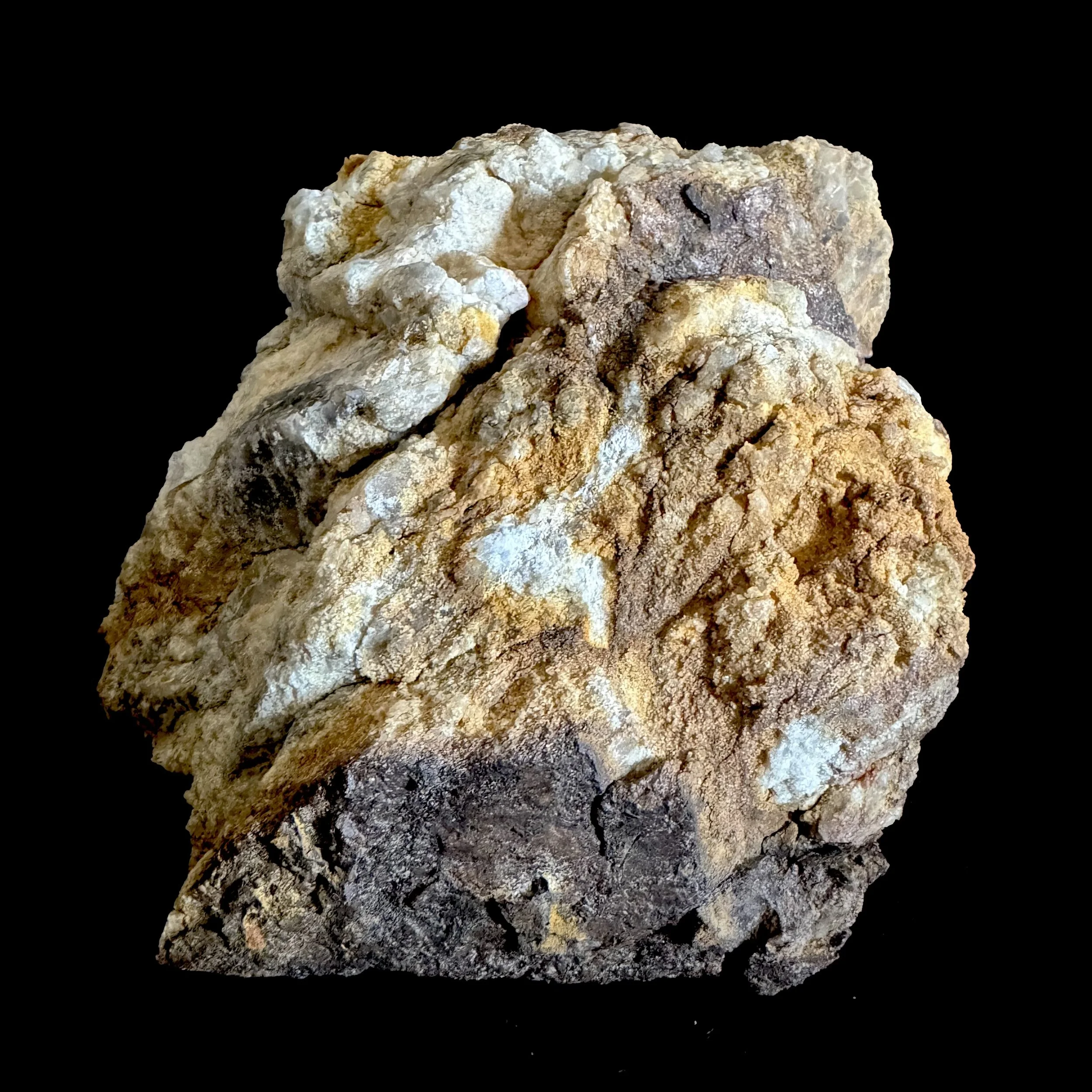 Image 1 of 9
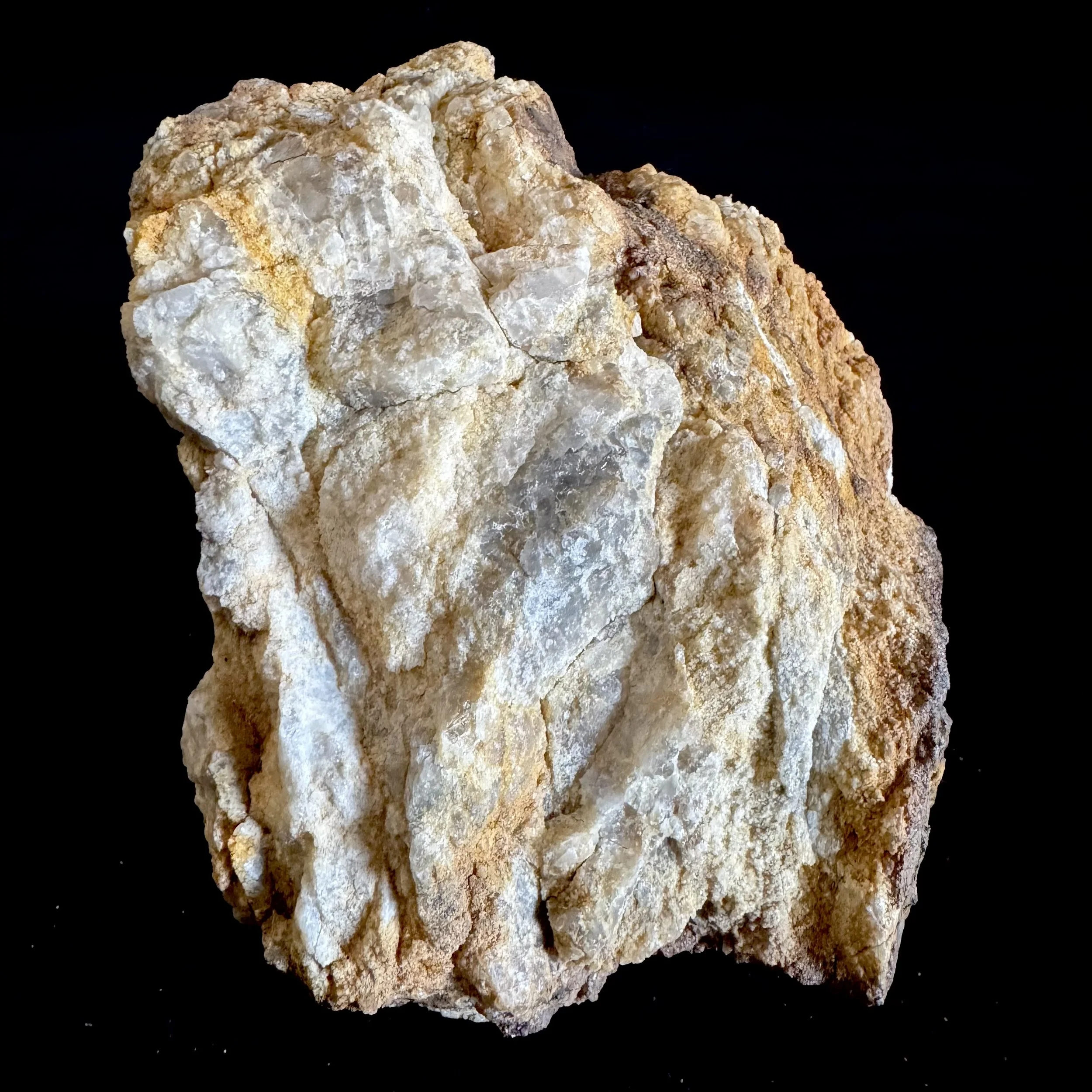 Image 2 of 9
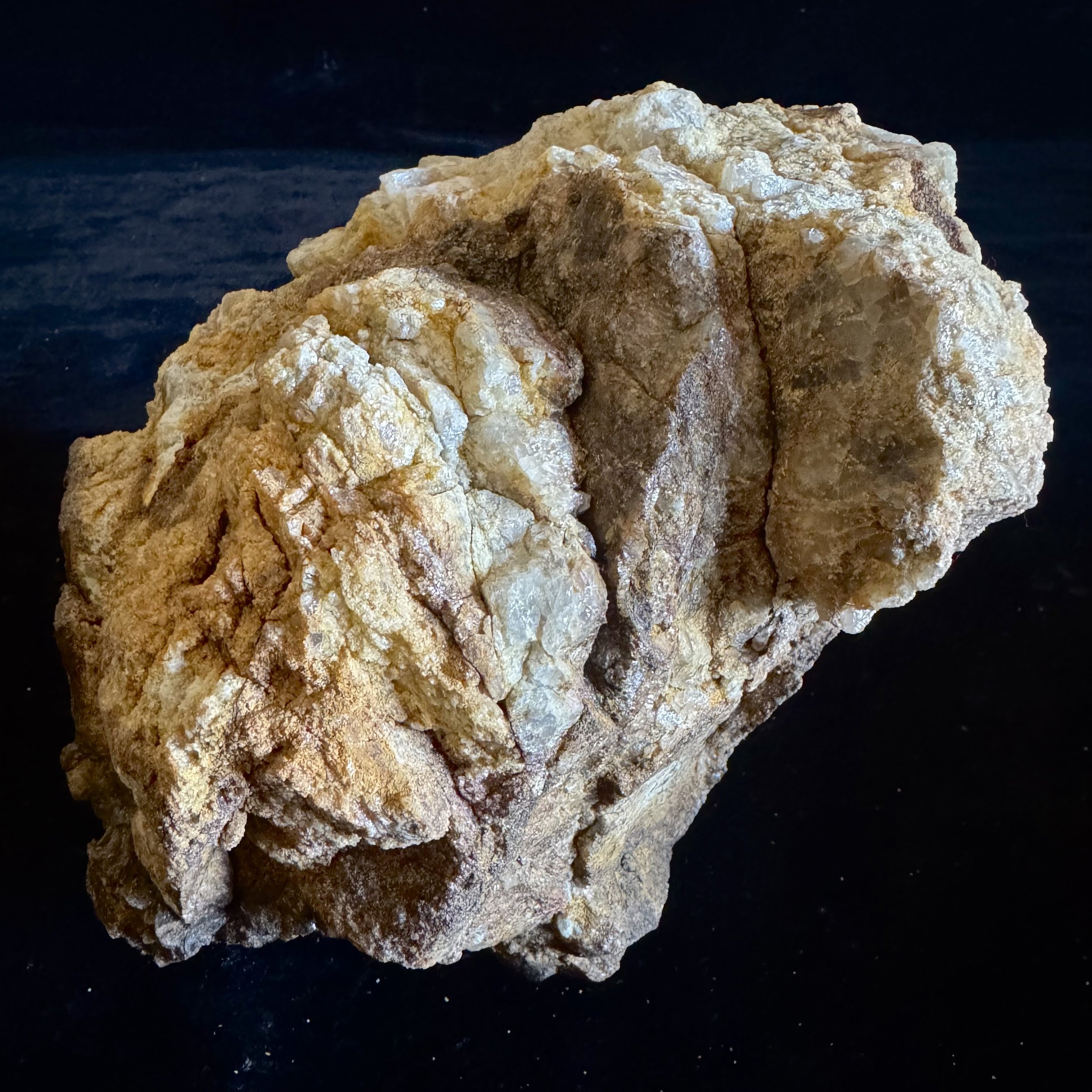 Image 3 of 9
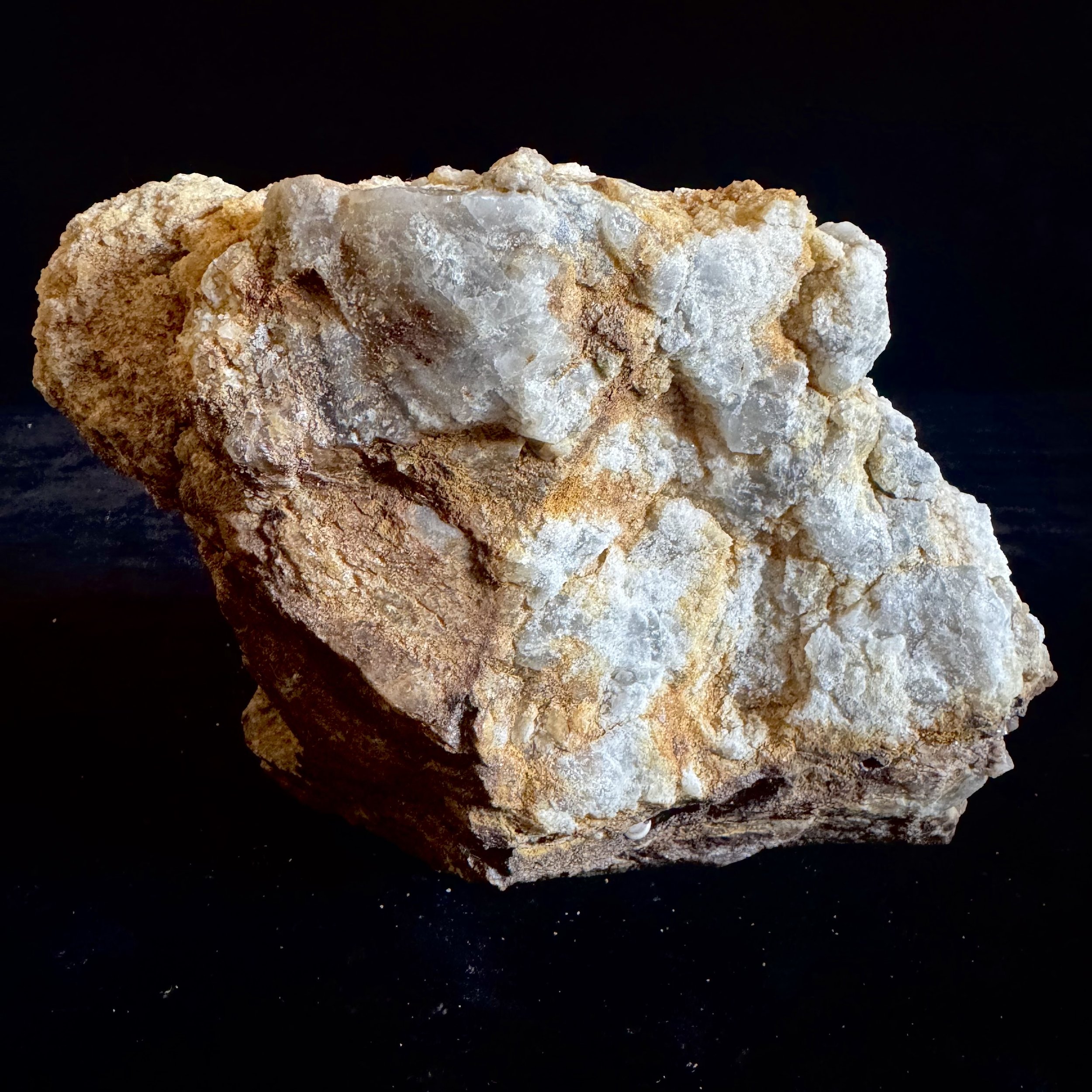 Image 4 of 9
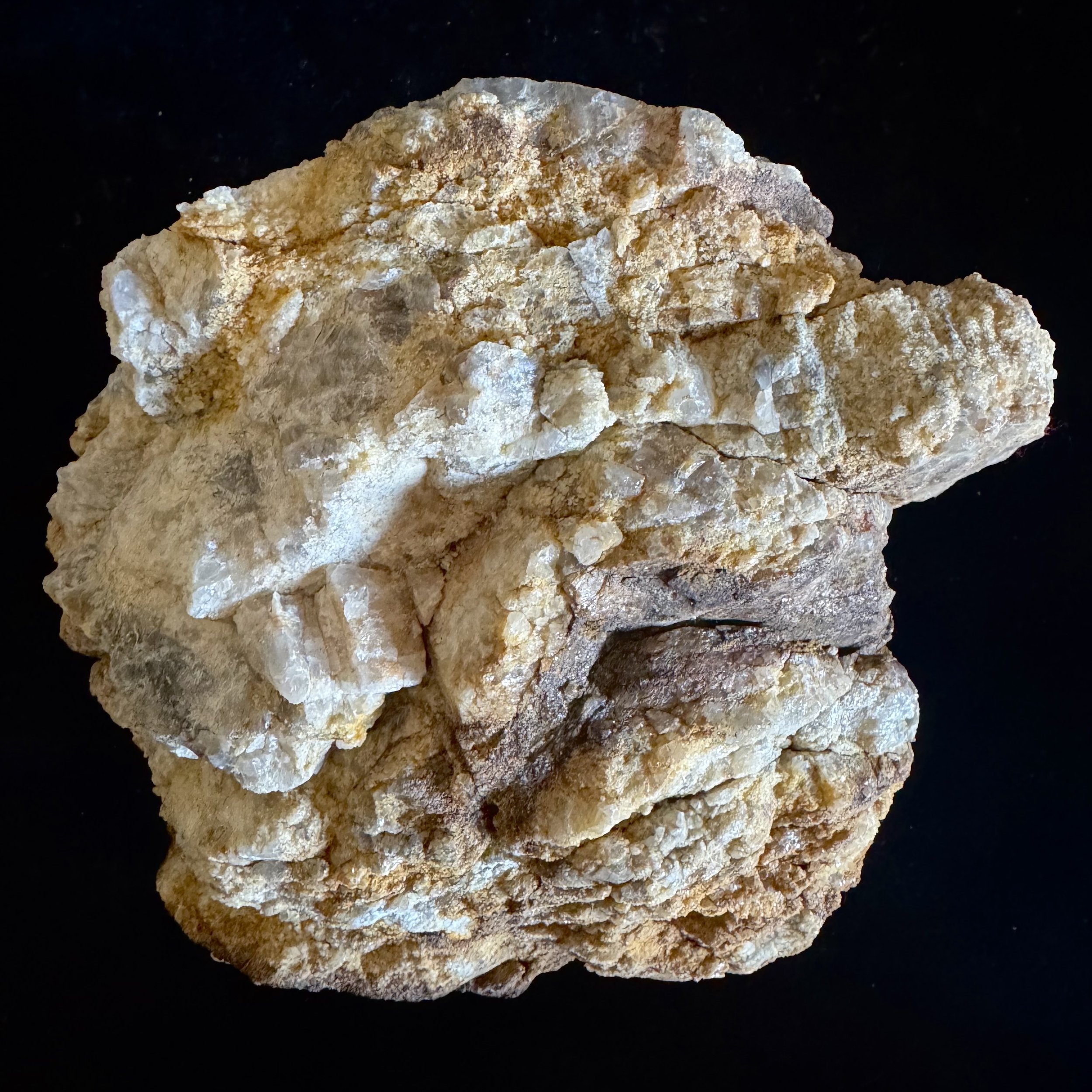 Image 5 of 9
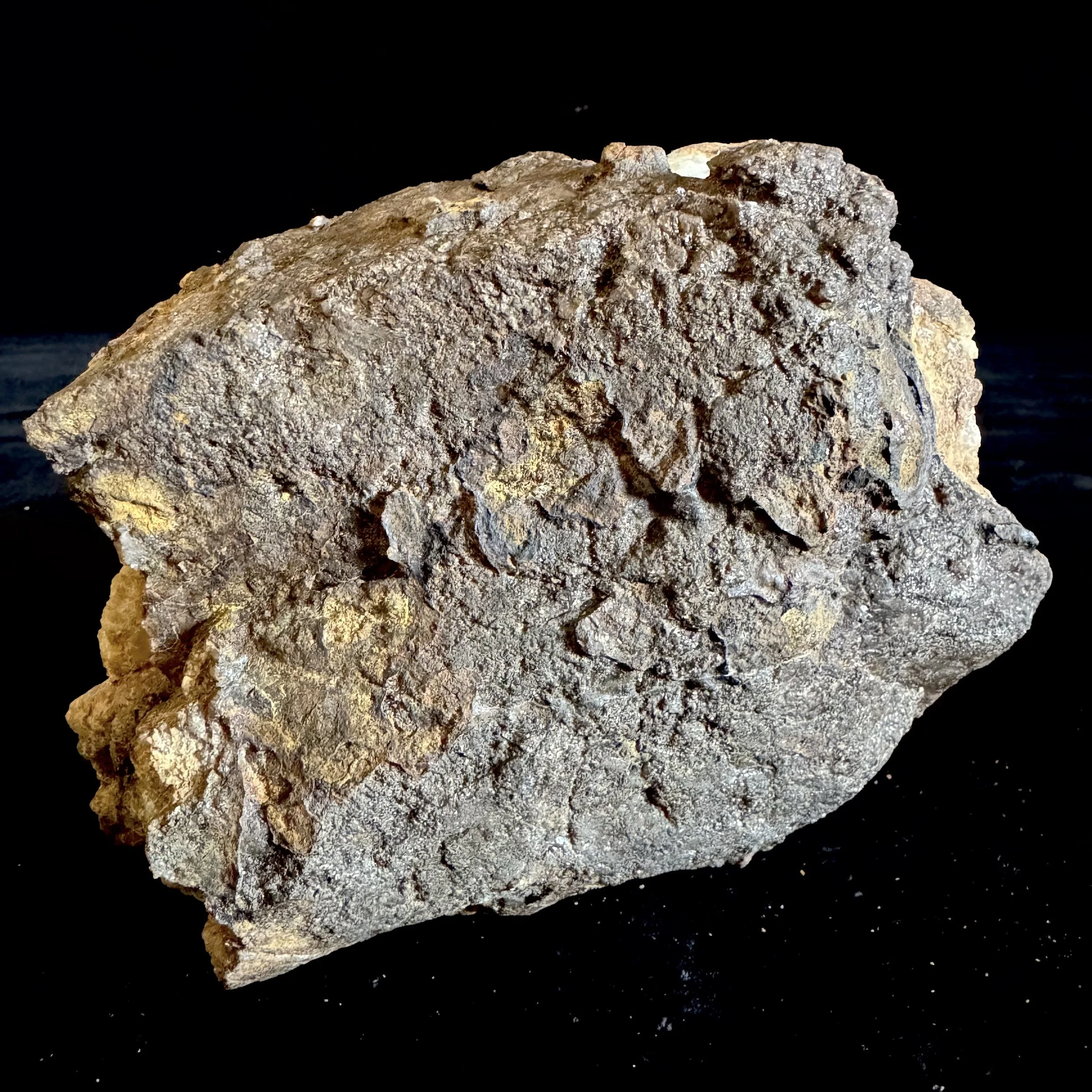 Image 6 of 9
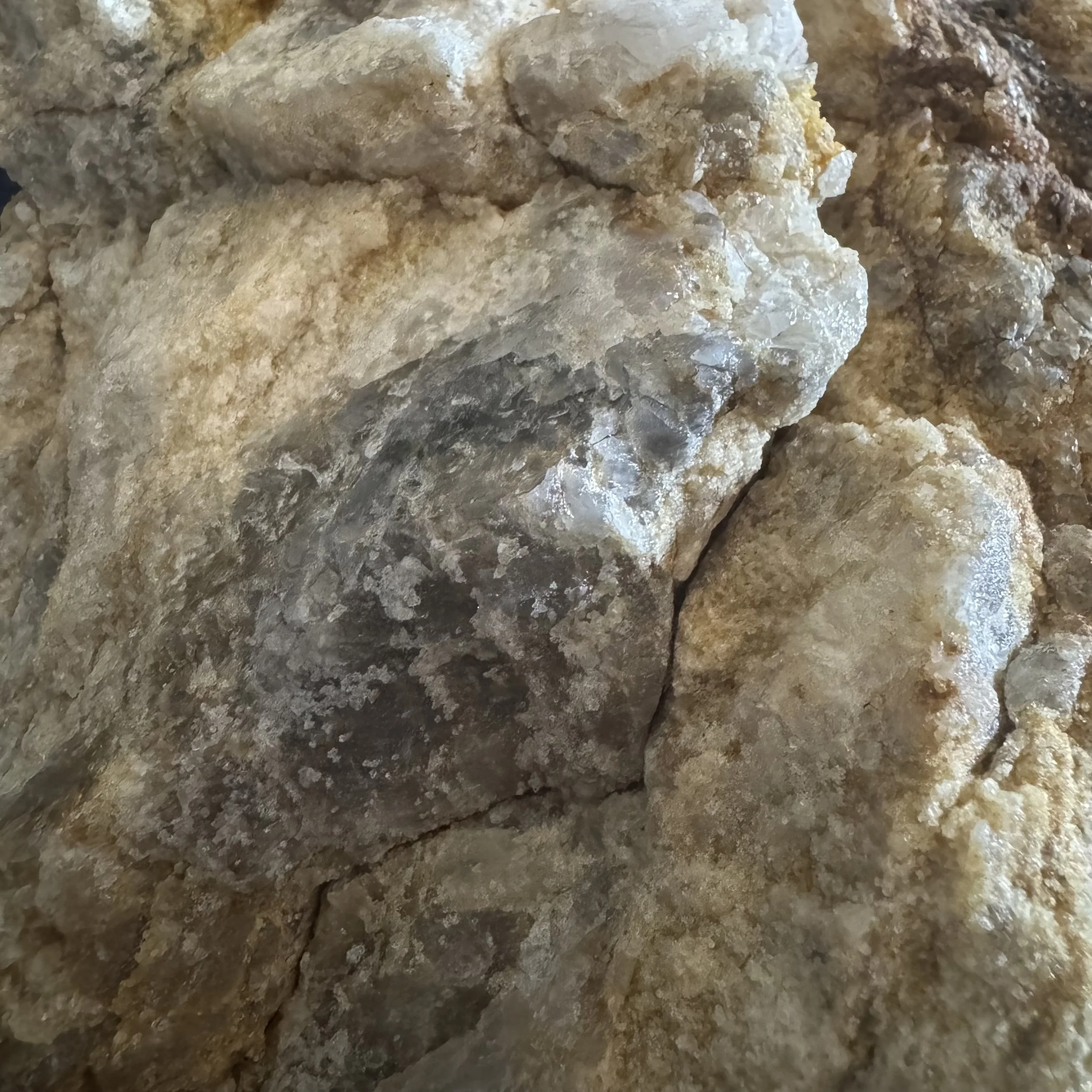 Image 7 of 9
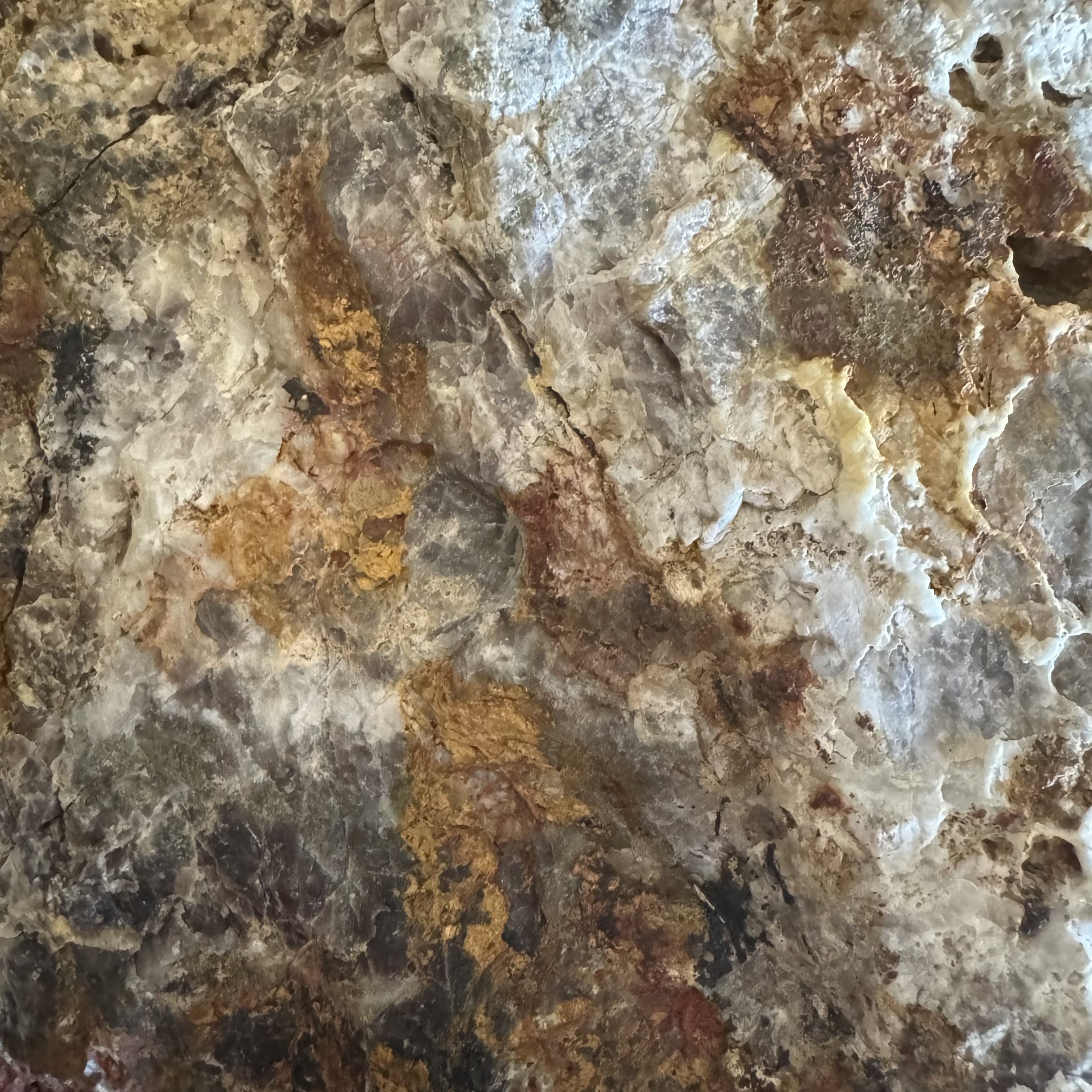 Image 8 of 9
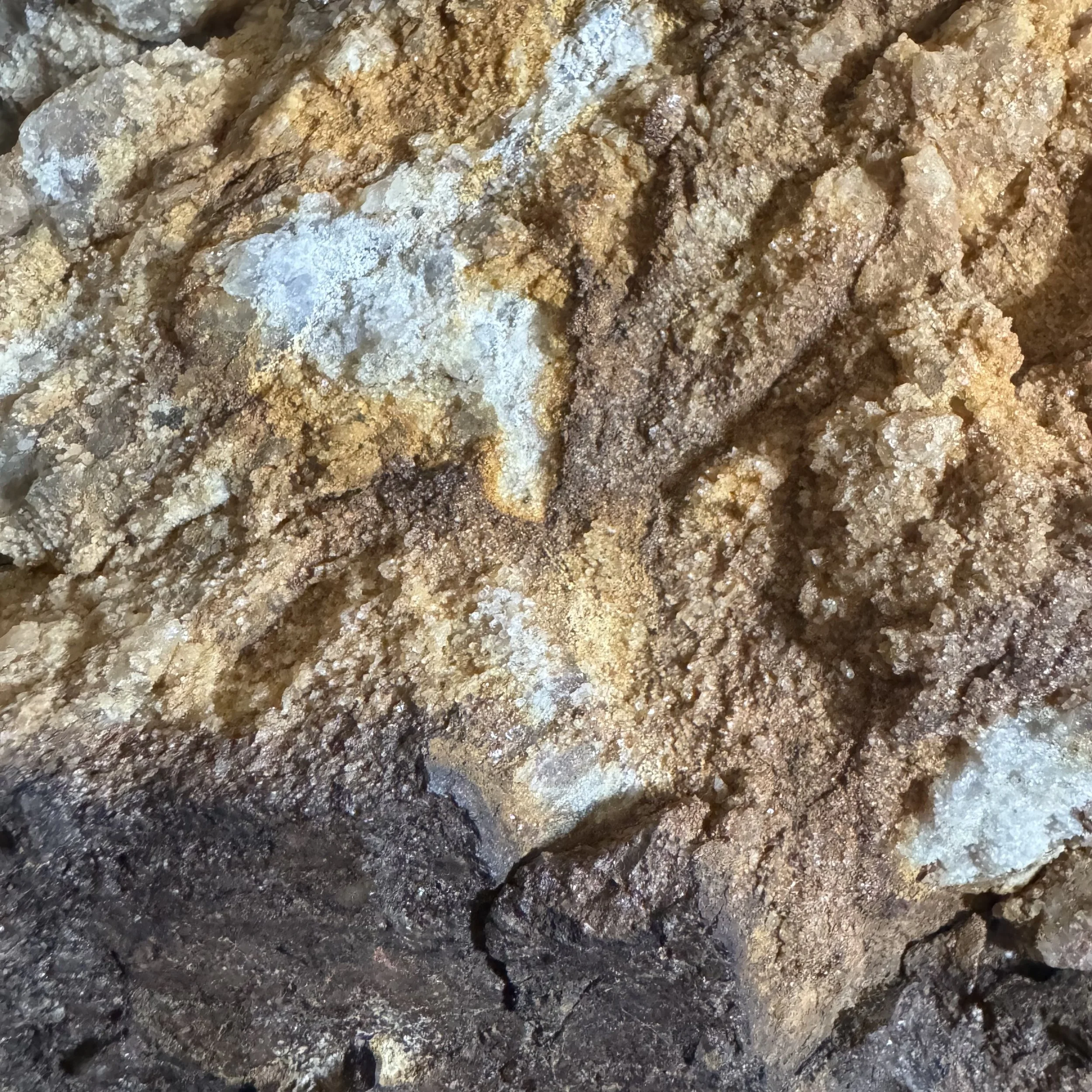 Image 9 of 9