PRIMARY INFO
Codex No.: A00013
Codex Tier: Dual-Realm Class
Rarity Index: 8.6/10
(Distinct dual-state mineral separation within one structure)
Availability: One of One — No replication possible
CORE STATEMENT
A00013 is defined by division — not variation.
A single quartz formation presenting two distinct mineral identities within one continuous body.
The upper structure is dominated by iron-stained mass — dense, golden, and oxidized.
The lower structure reveals a white crystalline quartz field, interrupted by red–purple hematite diffusion.
This is not a gradient. This is a boundary.
Two geological states — separated, yet structurally unified.
PHYSICAL SPECIFICATIONS
Weight: 4.648 kg
Dimension:
Width: 12.5 cm
Length: 23.5 cm
Height: 15 cm
ORIGIN
Source / Origin: Coastal mineral zone — Rayong, Thailand
Formation / Process:
Formed through fracture-fill quartz deposition within host rock, followed by uneven exposure to oxidation and localized hematite mineralization.
Distinct upper and lower zones developed under different environmental conditions, creating a visible and stable mineral boundary.
Era / Estimated Age: Millions of years
(Exact dating undefined — classified as dual-phase formation)
MATERIAL COMPOSITION
Iron-Stained Quartz (Upper Mass) — Approx. 50–55%
Crystalline Quartz (Lower Structure) — Approx. 35–40%
Hematite-Rich Mineral Zones — Approx. 5–10%
Residual Matrix & Mineral Traces — Minor
Quartz-dominant structure exhibiting clear separation between oxidized and crystalline zones.
Iron oxide presence produces golden–ochre coloration in the upper mass, while hematite-rich diffusion introduces red–purple patterns within the lower crystalline field.
The visible fracture boundary suggests a transitional formation zone between two mineral environments.
REMARK: Composition is visually estimated based on observable surface and structural characteristics. Laboratory confirmation not yet conducted.
ARTISTIC VALUE
Golden Upper Realm — “Oxidized Dominance”
The upper mass presents as a dense, iron-saturated structure with warm golden tones.
It establishes visual weight and grounded presence.
Crystalline Lower Realm — “Revealed Clarity”
The lower structure reveals white quartz with rough crystalline texture.
It introduces contrast, light interaction, and openness beneath the mass.
Hematite Diffusion — “Internal Memory”
Red–purple zones appear as organic diffusion patterns within the quartz.
These are not surface marks — they are embedded mineral traces.
Fracture Boundary — “Defining Line”
A natural division separates the two realms.
This line defines the identity of the piece — not as decoration, but as structure.
STRUCTURAL SCALE
Scale Classification: Medium-Form Relic (DUAL REALM CLASS)
Formation Integrity:
Maintains structural cohesion across a clearly divided mineral system.
Despite the visible boundary, both upper and lower zones remain physically integrated and stable.
Rarity Factor (Scale):
Formations with clear dual-state mineral separation often fragment or lose structural integrity.
The preservation of:
Distinct upper and lower mineral identities
Stable fracture boundary
Integrated quartz structure
Hematite diffusion within crystalline zones
indicates a rare balance between separation and structural unity.
MYTH
This is not a form in transition.
It is a form in division.
This formation reflects a deeper principle:
Separation does not require conflict —
only definition.
Energy Signature:
Dual-state presence. Structural contrast. Stability across difference.
Collector Note:
Ideal for collectors drawn to contrast, clarity of form, and readable geological identity.
Anantakala Codex Note:
A preserved dual-realm formation. A boundary made visible within structure.
SPATIAL PRESENCE — “DUAL FIELD ANCHOR”
Visual Behavior
The eye is drawn to the contrast between upper and lower zones.
Attention shifts naturally between density and clarity.
When positioned correctly:
The boundary line becomes the focal axis of the object.
Spatial Role
Creates visual contrast within a space
Introduces dual-tone mineral presence
Acts as a readable focal artifact
It does not diffuse attention. It defines it.
DISPLAY & EXPERIENCE
Display Recommendation:
Must be oriented to clearly expose the division between upper and lower zones.
Horizontal or slightly angled positioning enhances readability.
Recommended Lighting
Warm light from upper angle
Soft side lighting across crystalline zone
Avoid flat frontal lighting
Effect:
Light does not blend this piece.
It separates it further.
DISPLAY BASE
PHOTOGRAPHY NOTE
Side profile showing clear split is essential
Macro shots on hematite diffusion recommended
Texture capture on both zones required
This piece should be documented as a dual-state formation
CONDITION NOTE
Natural fracture boundary present
Surface remains raw and unpolished
No artificial enhancement applied
Fully preserved in natural condition
TRUST / AUTHORITY
Authentication: Verified and documented by Anantakala Art — Codex Registered Artifact A00013
Curation Note:
Selected for its clear dual-realm mineral identity —
where separation and structural integrity coexist within one formation
SHIPPING
Shipping available worldwide
Protective packaging required due to exposed crystalline zones
Final arrangement based on destination
HANDLING NOTE
LOGISTICS CLARITY
FINAL STATEMENT
This is not a stone of transition.
This is a stone of separation — where two mineral identities remain distinct within one structure.
Iron above. Quartz below.
Hematite held between.
It does not merge.
It defines.
PRIMARY INFO
Codex No.: A00013
Codex Tier: Dual-Realm Class
Rarity Index: 8.6/10
(Distinct dual-state mineral separation within one structure)
Availability: One of One — No replication possible
CORE STATEMENT
A00013 is defined by division — not variation.
A single quartz formation presenting two distinct mineral identities within one continuous body.
The upper structure is dominated by iron-stained mass — dense, golden, and oxidized.
The lower structure reveals a white crystalline quartz field, interrupted by red–purple hematite diffusion.
This is not a gradient. This is a boundary.
Two geological states — separated, yet structurally unified.
PHYSICAL SPECIFICATIONS
Weight: 4.648 kg
Dimension:
Width: 12.5 cm
Length: 23.5 cm
Height: 15 cm
ORIGIN
Source / Origin: Coastal mineral zone — Rayong, Thailand
Formation / Process:
Formed through fracture-fill quartz deposition within host rock, followed by uneven exposure to oxidation and localized hematite mineralization.
Distinct upper and lower zones developed under different environmental conditions, creating a visible and stable mineral boundary.
Era / Estimated Age: Millions of years
(Exact dating undefined — classified as dual-phase formation)
MATERIAL COMPOSITION
Iron-Stained Quartz (Upper Mass) — Approx. 50–55%
Crystalline Quartz (Lower Structure) — Approx. 35–40%
Hematite-Rich Mineral Zones — Approx. 5–10%
Residual Matrix & Mineral Traces — Minor
Quartz-dominant structure exhibiting clear separation between oxidized and crystalline zones.
Iron oxide presence produces golden–ochre coloration in the upper mass, while hematite-rich diffusion introduces red–purple patterns within the lower crystalline field.
The visible fracture boundary suggests a transitional formation zone between two mineral environments.
REMARK: Composition is visually estimated based on observable surface and structural characteristics. Laboratory confirmation not yet conducted.
ARTISTIC VALUE
Golden Upper Realm — “Oxidized Dominance”
The upper mass presents as a dense, iron-saturated structure with warm golden tones.
It establishes visual weight and grounded presence.
Crystalline Lower Realm — “Revealed Clarity”
The lower structure reveals white quartz with rough crystalline texture.
It introduces contrast, light interaction, and openness beneath the mass.
Hematite Diffusion — “Internal Memory”
Red–purple zones appear as organic diffusion patterns within the quartz.
These are not surface marks — they are embedded mineral traces.
Fracture Boundary — “Defining Line”
A natural division separates the two realms.
This line defines the identity of the piece — not as decoration, but as structure.
STRUCTURAL SCALE
Scale Classification: Medium-Form Relic (DUAL REALM CLASS)
Formation Integrity:
Maintains structural cohesion across a clearly divided mineral system.
Despite the visible boundary, both upper and lower zones remain physically integrated and stable.
Rarity Factor (Scale):
Formations with clear dual-state mineral separation often fragment or lose structural integrity.
The preservation of:
Distinct upper and lower mineral identities
Stable fracture boundary
Integrated quartz structure
Hematite diffusion within crystalline zones
indicates a rare balance between separation and structural unity.
MYTH
This is not a form in transition.
It is a form in division.
This formation reflects a deeper principle:
Separation does not require conflict —
only definition.
Energy Signature:
Dual-state presence. Structural contrast. Stability across difference.
Collector Note:
Ideal for collectors drawn to contrast, clarity of form, and readable geological identity.
Anantakala Codex Note:
A preserved dual-realm formation. A boundary made visible within structure.
SPATIAL PRESENCE — “DUAL FIELD ANCHOR”
Visual Behavior
The eye is drawn to the contrast between upper and lower zones.
Attention shifts naturally between density and clarity.
When positioned correctly:
The boundary line becomes the focal axis of the object.
Spatial Role
Creates visual contrast within a space
Introduces dual-tone mineral presence
Acts as a readable focal artifact
It does not diffuse attention. It defines it.
DISPLAY & EXPERIENCE
Display Recommendation:
Must be oriented to clearly expose the division between upper and lower zones.
Horizontal or slightly angled positioning enhances readability.
Recommended Lighting
Warm light from upper angle
Soft side lighting across crystalline zone
Avoid flat frontal lighting
Effect:
Light does not blend this piece.
It separates it further.
DISPLAY BASE
PHOTOGRAPHY NOTE
Side profile showing clear split is essential
Macro shots on hematite diffusion recommended
Texture capture on both zones required
This piece should be documented as a dual-state formation
CONDITION NOTE
Natural fracture boundary present
Surface remains raw and unpolished
No artificial enhancement applied
Fully preserved in natural condition
TRUST / AUTHORITY
Authentication: Verified and documented by Anantakala Art — Codex Registered Artifact A00013
Curation Note:
Selected for its clear dual-realm mineral identity —
where separation and structural integrity coexist within one formation
SHIPPING
Shipping available worldwide
Protective packaging required due to exposed crystalline zones
Final arrangement based on destination
HANDLING NOTE
LOGISTICS CLARITY
FINAL STATEMENT
This is not a stone of transition.
This is a stone of separation — where two mineral identities remain distinct within one structure.
Iron above. Quartz below.
Hematite held between.
It does not merge.
It defines.

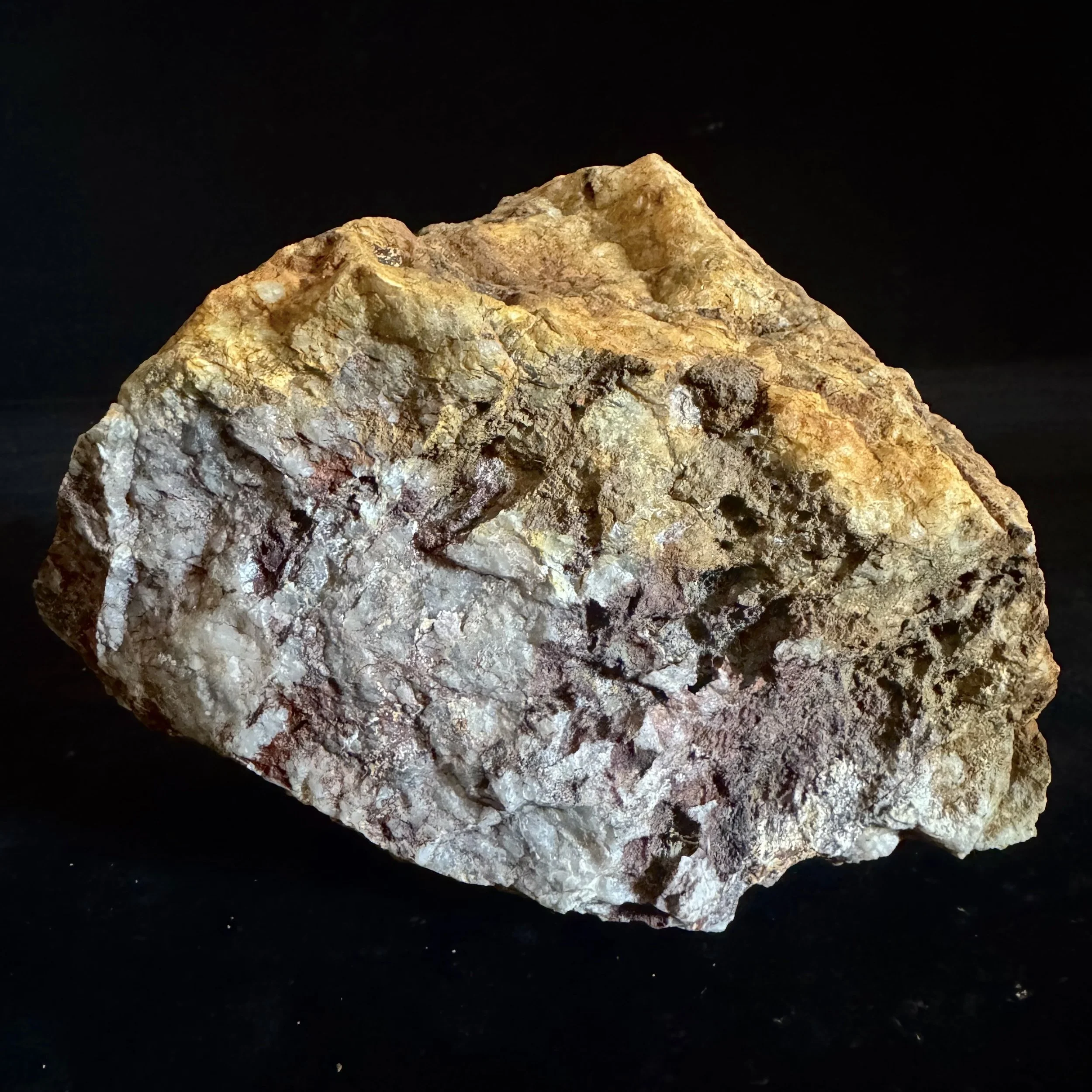 Image 1 of 9
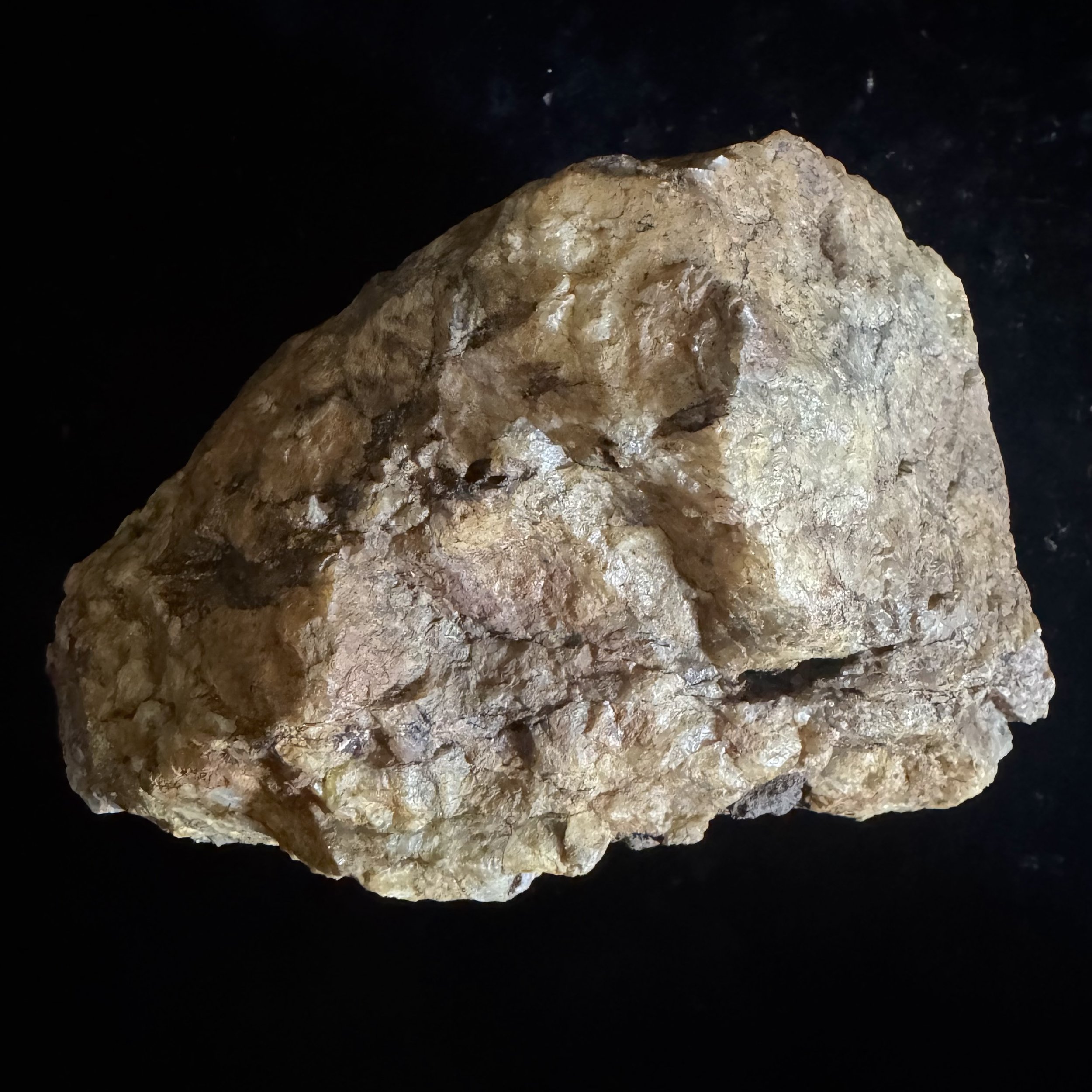 Image 2 of 9
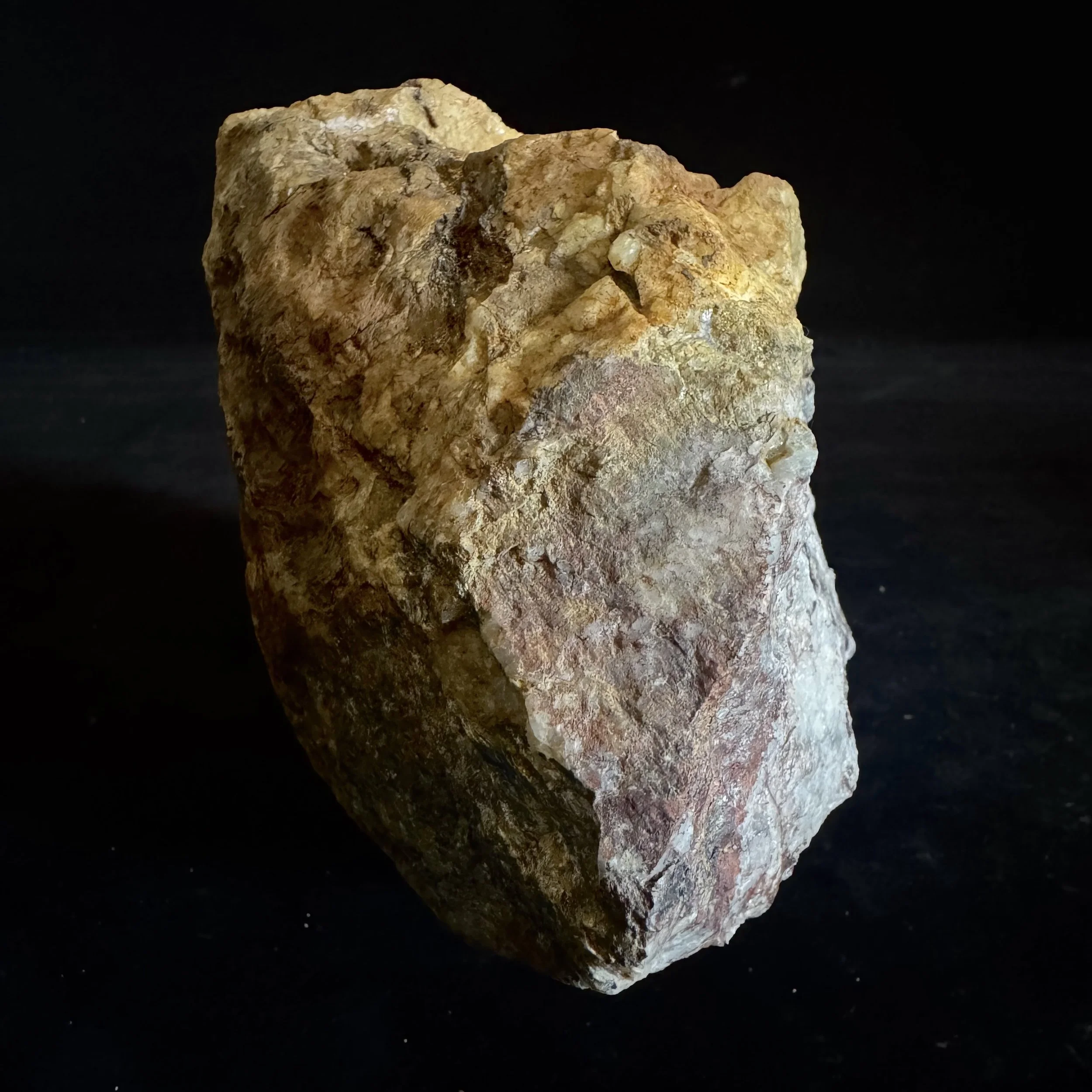 Image 3 of 9
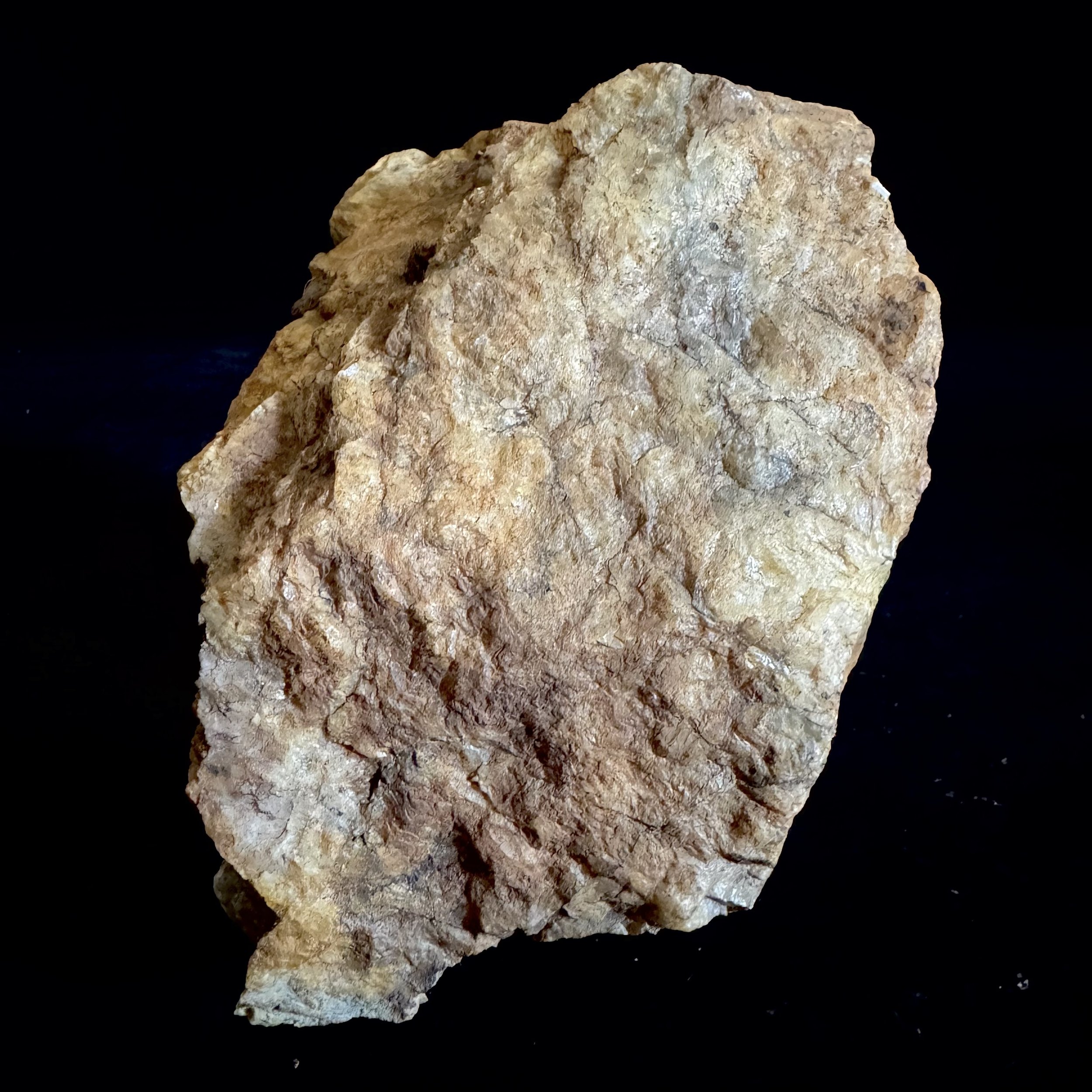 Image 4 of 9
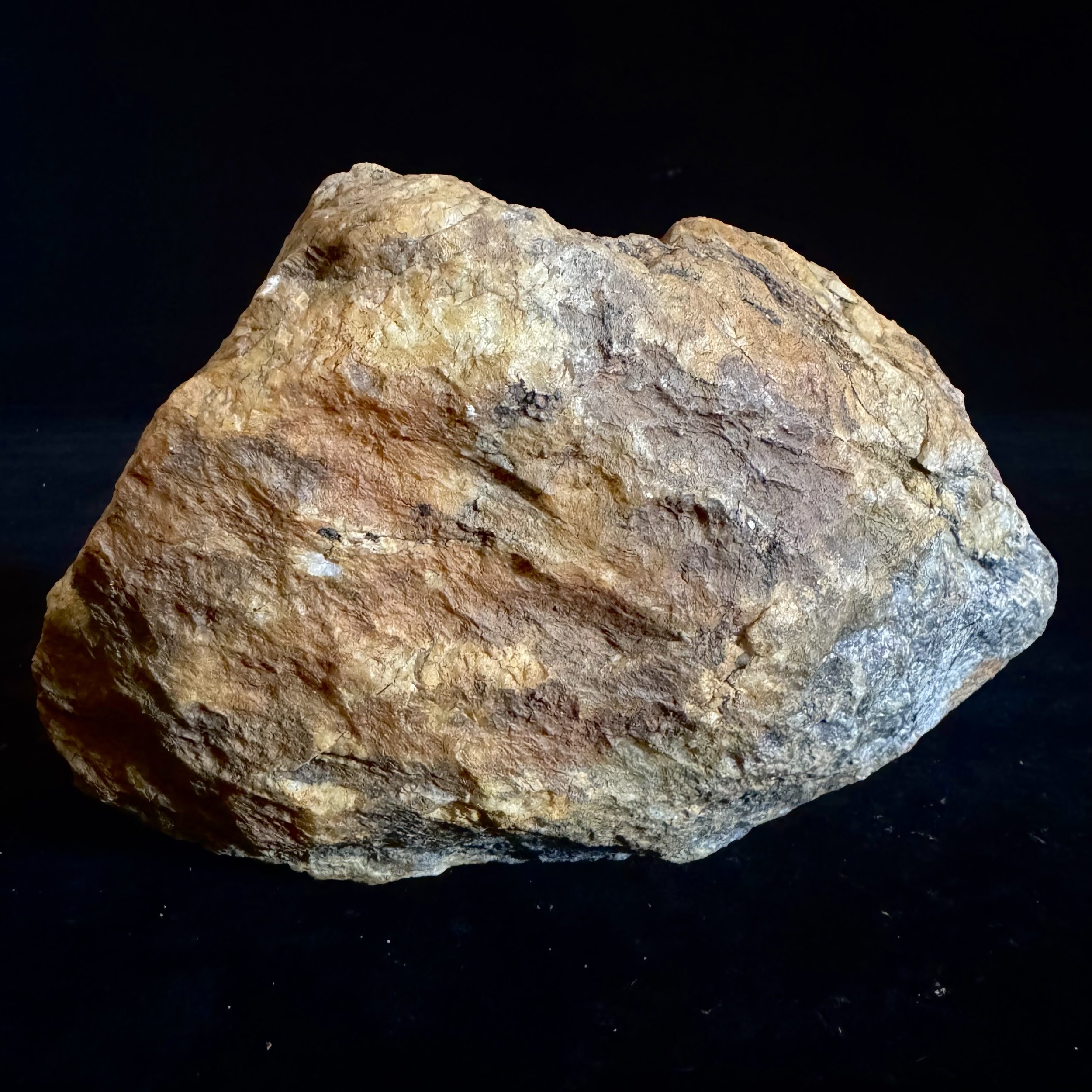 Image 5 of 9
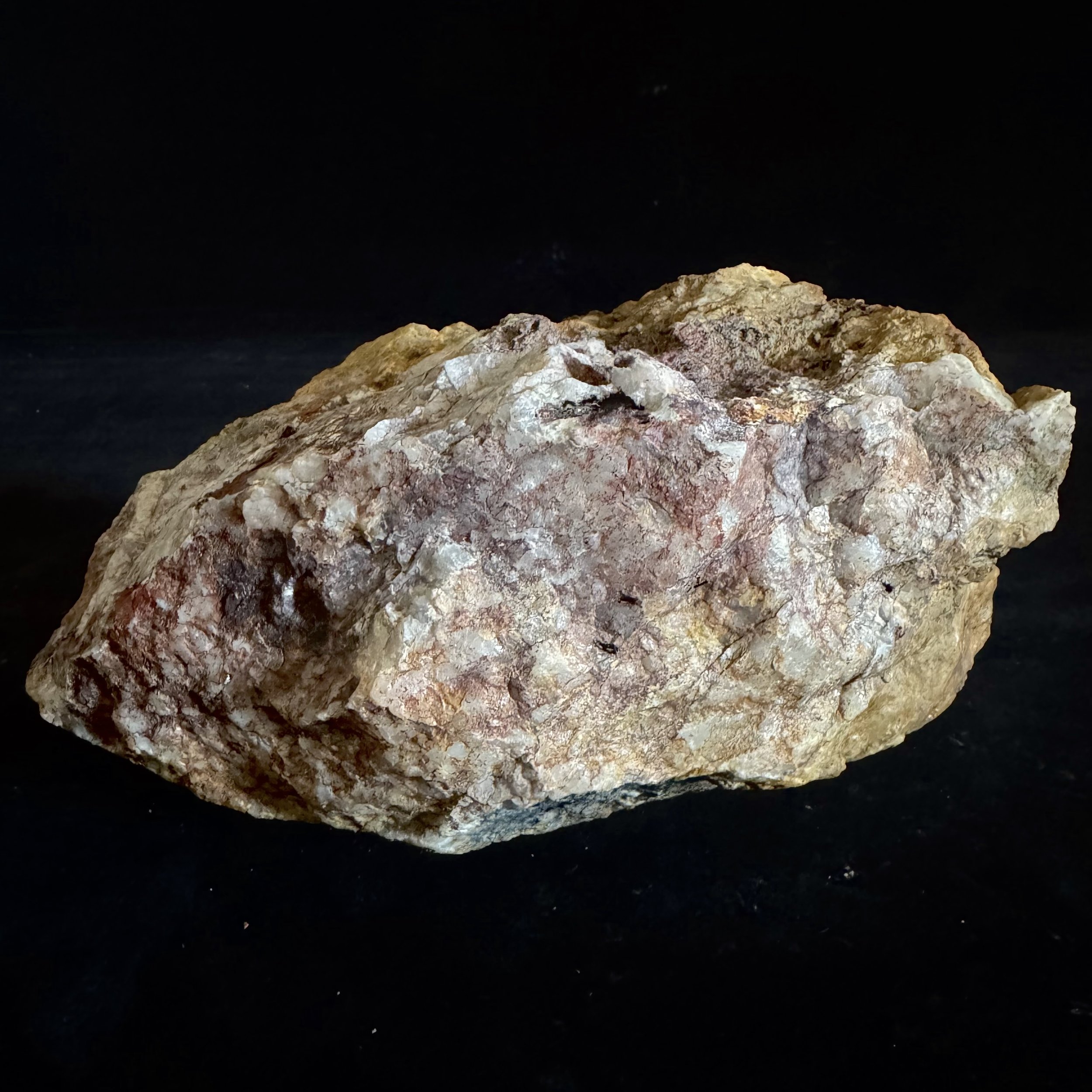 Image 6 of 9
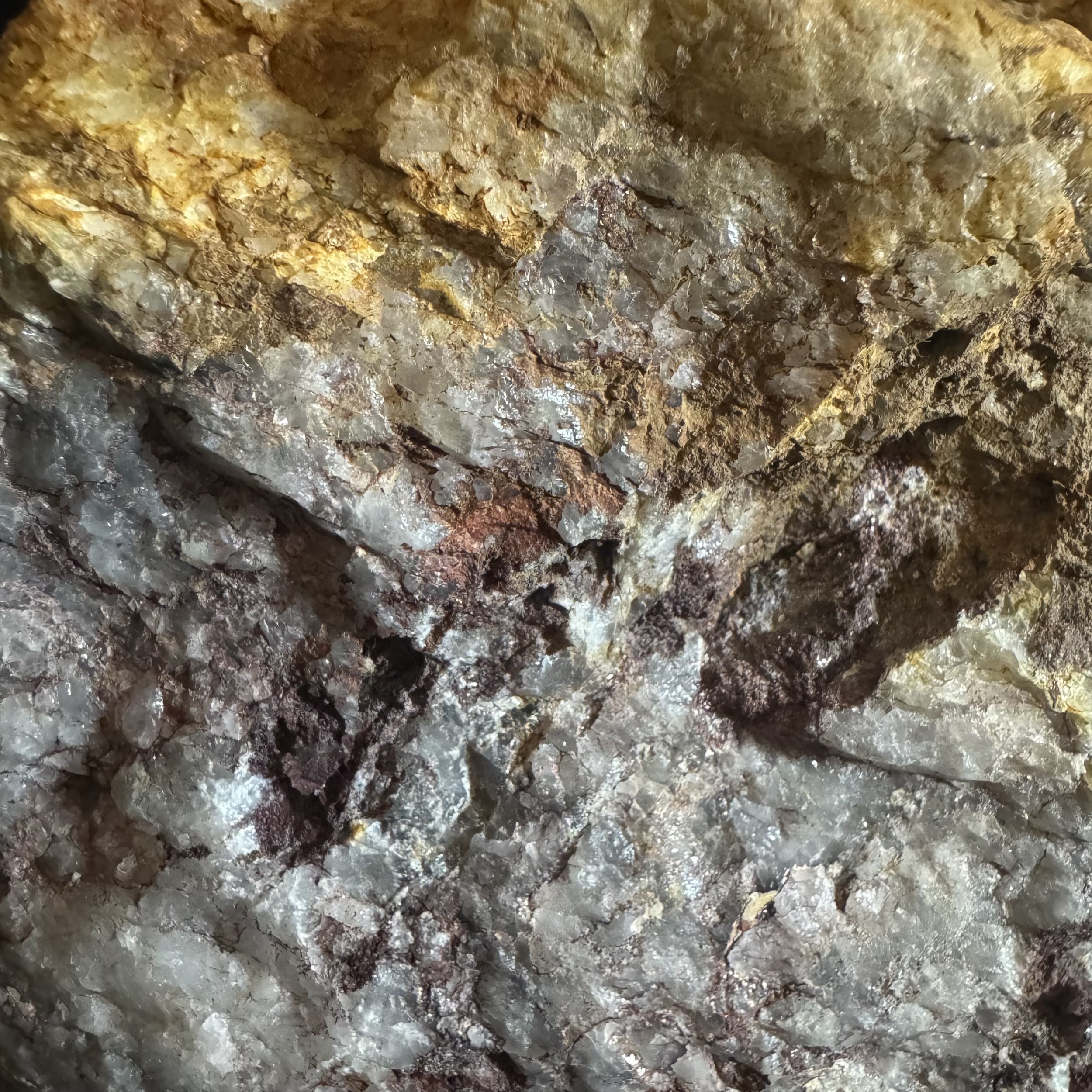 Image 7 of 9
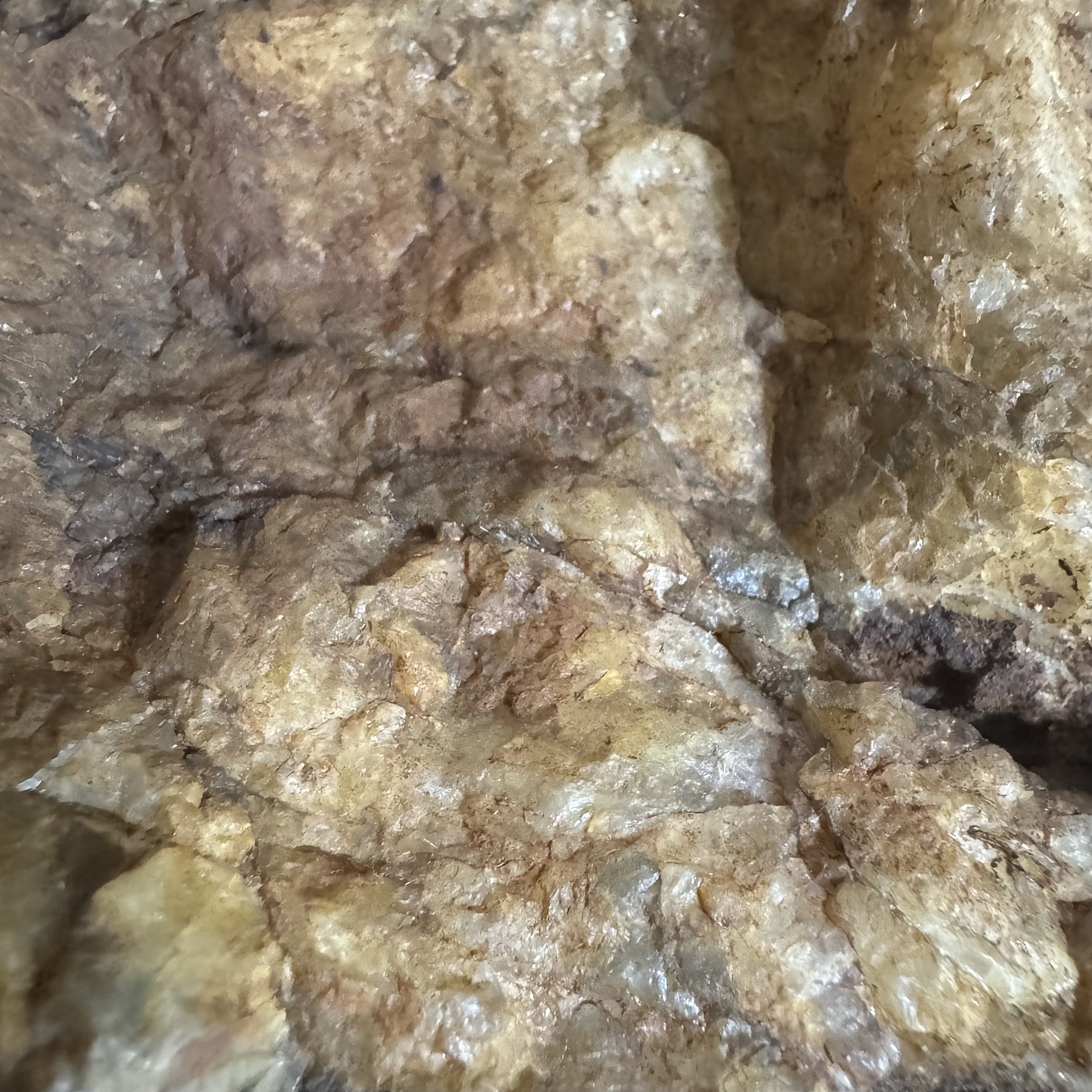 Image 8 of 9
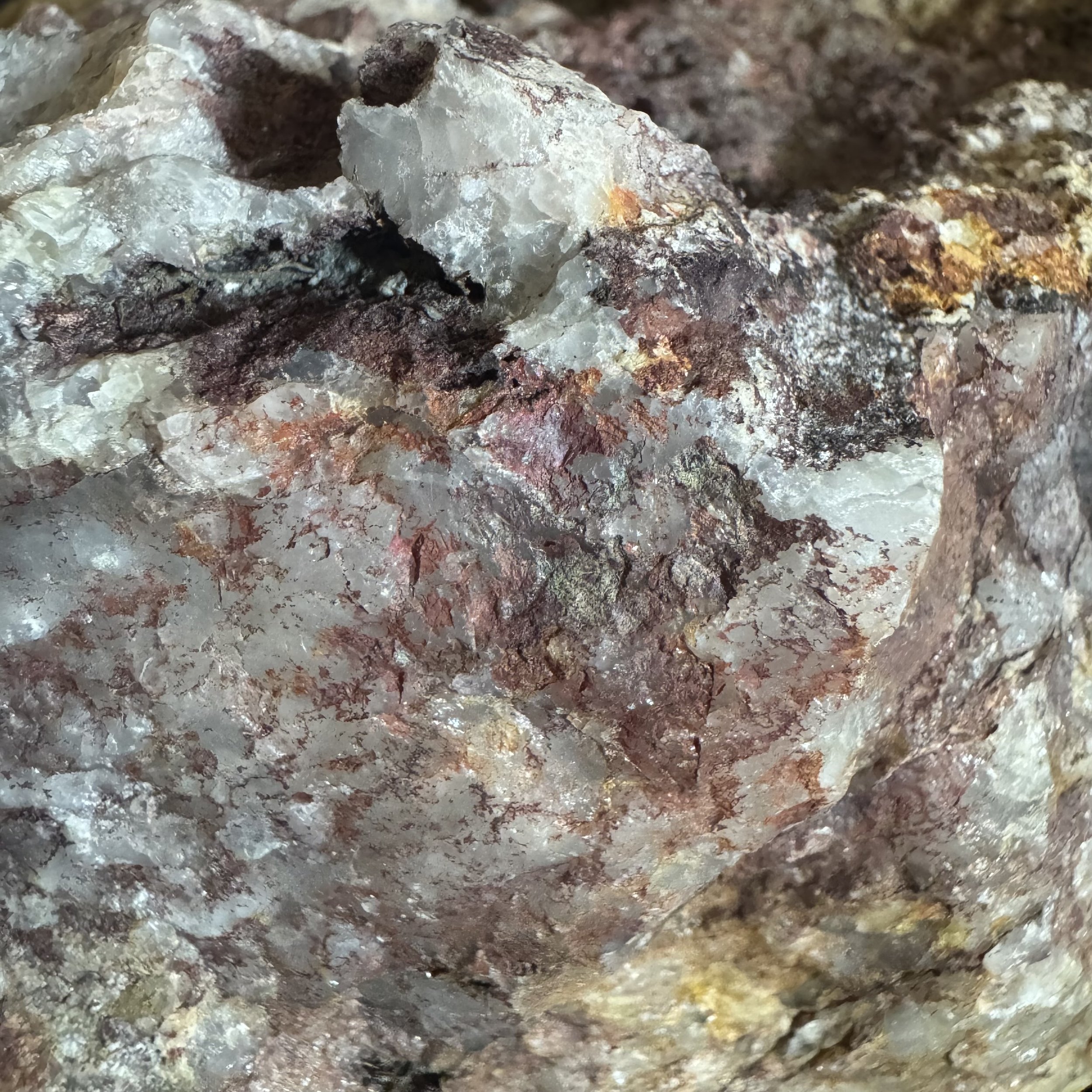 Image 9 of 9