PRIMARY INFO
Codex No.: A00038
Codex Tier: Crowned Formation Tier
Rarity Index: 8.8/10
(Natural radial structure forming symbolic apex geometry)
Availability: One of One — No replication possible
CORE STATEMENT
A geological formation where structure expresses hierarchy.
Within a quartz-dominant mass, iron oxidation and fracture alignment have organized into a radial system — forming an apex-driven structure.
This is not randomness.
This is structural emergence under natural law.
The piece does not resemble a crown.
It behaves like one.
PHYSICAL SPECIFICATIONS
Weight: 4.718 kg
Dimension:
Width: 13 cm
Length: 16 cm
Height: 22 cm
ORIGIN
Source / Origin: Coastal mineral zone — Rayong, Thailand
Formation / Process:
Formed through silica-rich mineral deposition within host rock, followed by directional fracture under pressure gradients and prolonged surface oxidation.
Radial line formation and apex emergence suggest structural alignment influenced by stress distribution across the mass.
Era / Estimated Age: Millions of years
(Exact dating undefined — classified as directional formation)
MATERIAL COMPOSITION
Quartz (SiO₂) — Approx. 60–68%
Iron Oxides (Hematite / Goethite) — Approx. 20–28%
Secondary Mineral Residues — Approx. 5–8%
Host Material — Approx. 3–5%
Quartz-dominant formation exhibiting strong iron oxide saturation across upper zones.
Oxidation produces golden–ochre coloration, while fracture lines define radial structure across the surface.
REMARK: Composition is visually estimated based on observable surface and structural characteristics. Laboratory confirmation not yet conducted.
ARTISTIC VALUE
Crown Apex — “Primary Authority Point”
The upper structure forms a natural apex — elevated, layered, and outwardly expanding.
This becomes the dominant visual command point.
Radial Line System — “Directional Force”
Fracture lines extend from the central zone outward — vertically and laterally.
These are not random breaks. They are directional expressions of internal pressure.
Central Convergence — “Command Core”
Multiple structural lines meet within the central field, creating visual gravity and tension.
This defines the core of the formation.
Golden Emission Surface — “Activated Layer”
Iron oxidation creates a luminous golden field that intensifies under light.
The surface appears responsive rather than static.
Base Stability — “Foundation Mass”
The lower section remains dense and grounded — supporting the vertical rise of the apex.
STRUCTURAL SCALE
Scale Classification: Medium-Form Relic (CROWN FORM CLASS)
Formation Integrity:
Maintains stable vertical orientation with preserved apex structure and radial integrity.
Structural cohesion is retained despite visible fracture lines and surface variation.
Rarity Factor (Scale):
Radial apex formations with clear symbolic geometry are uncommon, as natural fractures rarely align into coherent directional systems.
The preservation of:
apex elevation
radial line clarity
central convergence
stable base support
indicates a rare instance of structural emergence forming a readable symbolic identity.
MYTH
This is not a form that seeks authority.
It is a form that reveals it.
This formation reflects a deeper principle:
Power is not imposed —
it emerges from structure.
Energy Signature:
Vertical rise. Central convergence. Directed presence.
Collector Note:
Best suited for collectors drawn to symbolic clarity, vertical composition, and authority-driven forms.
Anantakala Codex Note:
A preserved crown-form structure. A natural symbol of hierarchy formed through pressure and alignment.
SPATIAL PRESENCE — “VERTICAL AUTHORITY FIELD”
Visual Behavior
The piece directs attention upward toward its apex.
The eye follows radial lines into the central convergence point.
When positioned correctly:
The formation establishes a vertical axis within the space.
Spatial Role
Acts as a symbolic centerpiece
Enhances vertical composition
Introduces hierarchy into environment
It does not compete for attention.
It organizes it.
DISPLAY & EXPERIENCE
Display Recommendation:
Must be presented in vertical orientation. Isolated placement enhances symbolic clarity.
Recommended Lighting — “Crown Activation”
Effect:
Golden surface intensifies
Radial lines become pronounced
Apex silhouette sharpens
Depth perception increases
Light does not illuminate this piece. It activates its structure.
DISPLAY BASE
PHOTOGRAPHY NOTE
Capture in vertical orientation (essential)
Use directional lighting only
Avoid flat or diffused lighting
This piece should be documented emphasizing apex and radial structure
CONDITION NOTE
Natural fractures present
Raw, unpolished surface
No artificial enhancement
Fully preserved in natural condition
TRUST / AUTHORITY
Authentication: Verified and documented by Anantakala Art — Codex Registered Artifact A00038
Curation Note:
Selected for its natural crown-form emergence —
where radial alignment and apex structure create a rare symbolic geological form
SHIPPING
Shipping available worldwide
Protective packaging required due to surface structure
Final arrangement based on destination
HANDLING NOTE
LOGISTICS CLARITY
FINAL STATEMENT
This is not an object of form.
This is a formation of authority — where structure rises, aligns, and remains.
It does not ask for recognition. It defines where recognition goes.
PRIMARY INFO
Codex No.: A00038
Codex Tier: Crowned Formation Tier
Rarity Index: 8.8/10
(Natural radial structure forming symbolic apex geometry)
Availability: One of One — No replication possible
CORE STATEMENT
A geological formation where structure expresses hierarchy.
Within a quartz-dominant mass, iron oxidation and fracture alignment have organized into a radial system — forming an apex-driven structure.
This is not randomness.
This is structural emergence under natural law.
The piece does not resemble a crown.
It behaves like one.
PHYSICAL SPECIFICATIONS
Weight: 4.718 kg
Dimension:
Width: 13 cm
Length: 16 cm
Height: 22 cm
ORIGIN
Source / Origin: Coastal mineral zone — Rayong, Thailand
Formation / Process:
Formed through silica-rich mineral deposition within host rock, followed by directional fracture under pressure gradients and prolonged surface oxidation.
Radial line formation and apex emergence suggest structural alignment influenced by stress distribution across the mass.
Era / Estimated Age: Millions of years
(Exact dating undefined — classified as directional formation)
MATERIAL COMPOSITION
Quartz (SiO₂) — Approx. 60–68%
Iron Oxides (Hematite / Goethite) — Approx. 20–28%
Secondary Mineral Residues — Approx. 5–8%
Host Material — Approx. 3–5%
Quartz-dominant formation exhibiting strong iron oxide saturation across upper zones.
Oxidation produces golden–ochre coloration, while fracture lines define radial structure across the surface.
REMARK: Composition is visually estimated based on observable surface and structural characteristics. Laboratory confirmation not yet conducted.
ARTISTIC VALUE
Crown Apex — “Primary Authority Point”
The upper structure forms a natural apex — elevated, layered, and outwardly expanding.
This becomes the dominant visual command point.
Radial Line System — “Directional Force”
Fracture lines extend from the central zone outward — vertically and laterally.
These are not random breaks. They are directional expressions of internal pressure.
Central Convergence — “Command Core”
Multiple structural lines meet within the central field, creating visual gravity and tension.
This defines the core of the formation.
Golden Emission Surface — “Activated Layer”
Iron oxidation creates a luminous golden field that intensifies under light.
The surface appears responsive rather than static.
Base Stability — “Foundation Mass”
The lower section remains dense and grounded — supporting the vertical rise of the apex.
STRUCTURAL SCALE
Scale Classification: Medium-Form Relic (CROWN FORM CLASS)
Formation Integrity:
Maintains stable vertical orientation with preserved apex structure and radial integrity.
Structural cohesion is retained despite visible fracture lines and surface variation.
Rarity Factor (Scale):
Radial apex formations with clear symbolic geometry are uncommon, as natural fractures rarely align into coherent directional systems.
The preservation of:
apex elevation
radial line clarity
central convergence
stable base support
indicates a rare instance of structural emergence forming a readable symbolic identity.
MYTH
This is not a form that seeks authority.
It is a form that reveals it.
This formation reflects a deeper principle:
Power is not imposed —
it emerges from structure.
Energy Signature:
Vertical rise. Central convergence. Directed presence.
Collector Note:
Best suited for collectors drawn to symbolic clarity, vertical composition, and authority-driven forms.
Anantakala Codex Note:
A preserved crown-form structure. A natural symbol of hierarchy formed through pressure and alignment.
SPATIAL PRESENCE — “VERTICAL AUTHORITY FIELD”
Visual Behavior
The piece directs attention upward toward its apex.
The eye follows radial lines into the central convergence point.
When positioned correctly:
The formation establishes a vertical axis within the space.
Spatial Role
Acts as a symbolic centerpiece
Enhances vertical composition
Introduces hierarchy into environment
It does not compete for attention.
It organizes it.
DISPLAY & EXPERIENCE
Display Recommendation:
Must be presented in vertical orientation. Isolated placement enhances symbolic clarity.
Recommended Lighting — “Crown Activation”
Effect:
Golden surface intensifies
Radial lines become pronounced
Apex silhouette sharpens
Depth perception increases
Light does not illuminate this piece. It activates its structure.
DISPLAY BASE
PHOTOGRAPHY NOTE
Capture in vertical orientation (essential)
Use directional lighting only
Avoid flat or diffused lighting
This piece should be documented emphasizing apex and radial structure
CONDITION NOTE
Natural fractures present
Raw, unpolished surface
No artificial enhancement
Fully preserved in natural condition
TRUST / AUTHORITY
Authentication: Verified and documented by Anantakala Art — Codex Registered Artifact A00038
Curation Note:
Selected for its natural crown-form emergence —
where radial alignment and apex structure create a rare symbolic geological form
SHIPPING
Shipping available worldwide
Protective packaging required due to surface structure
Final arrangement based on destination
HANDLING NOTE
LOGISTICS CLARITY
FINAL STATEMENT
This is not an object of form.
This is a formation of authority — where structure rises, aligns, and remains.
It does not ask for recognition. It defines where recognition goes.

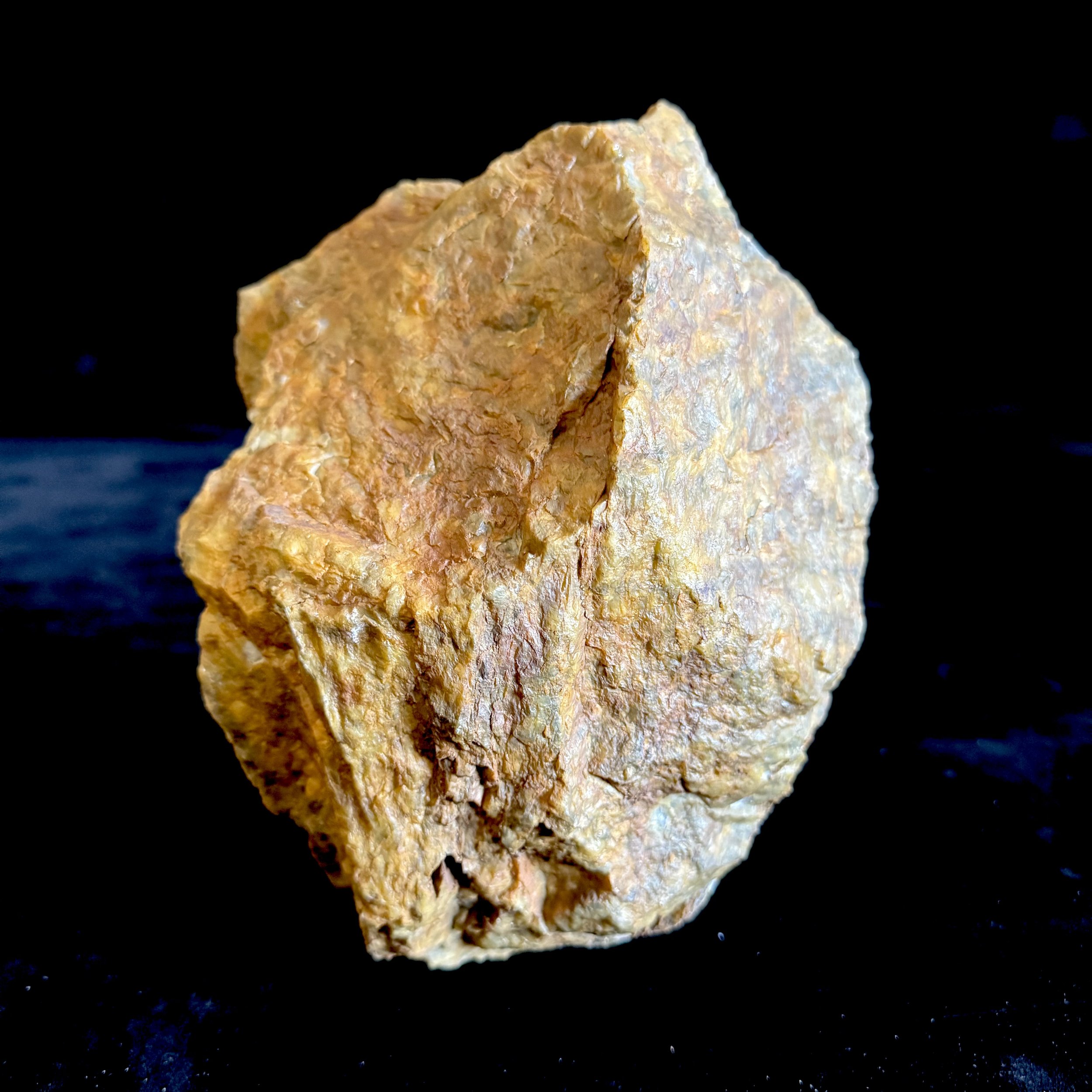 Image 1 of 9
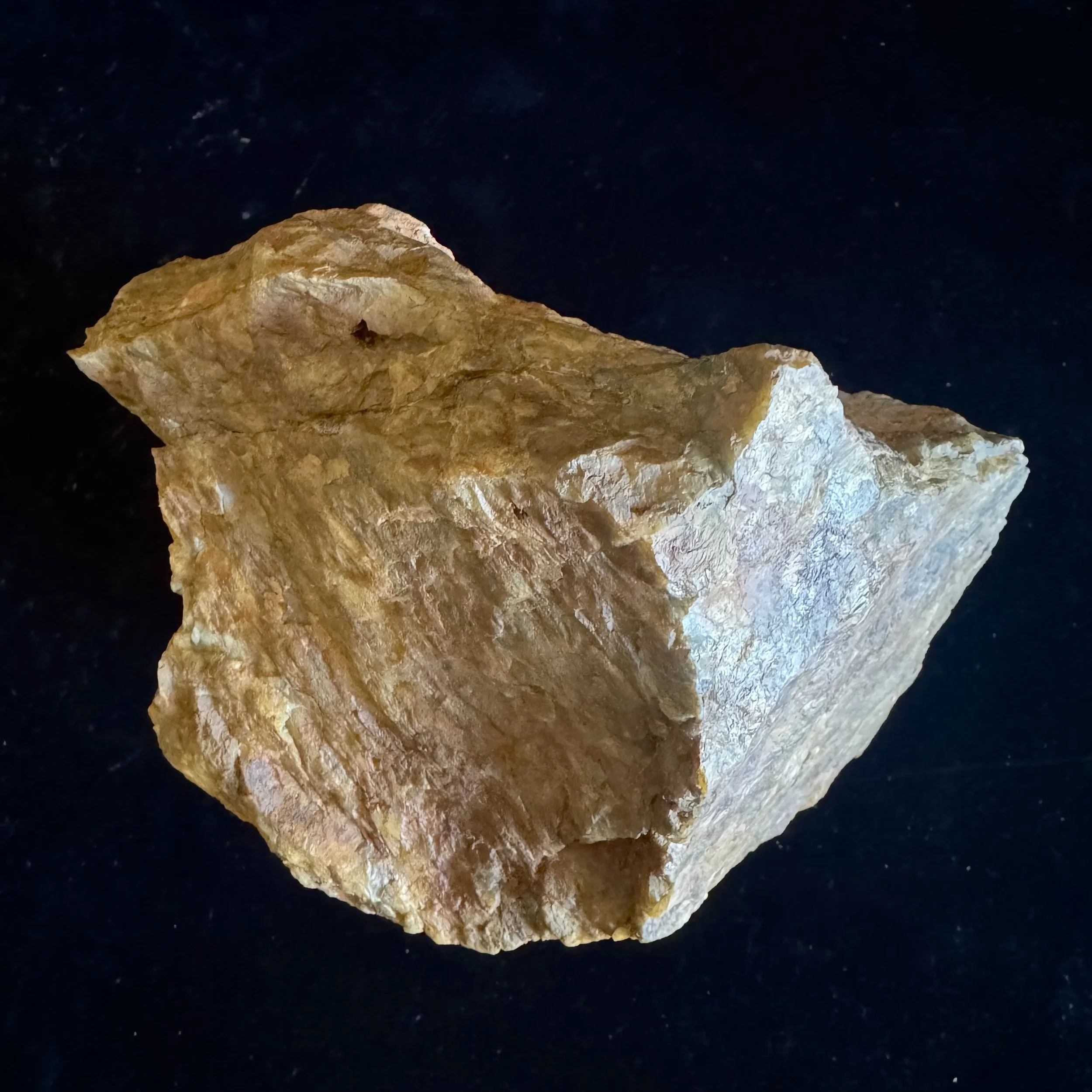 Image 2 of 9
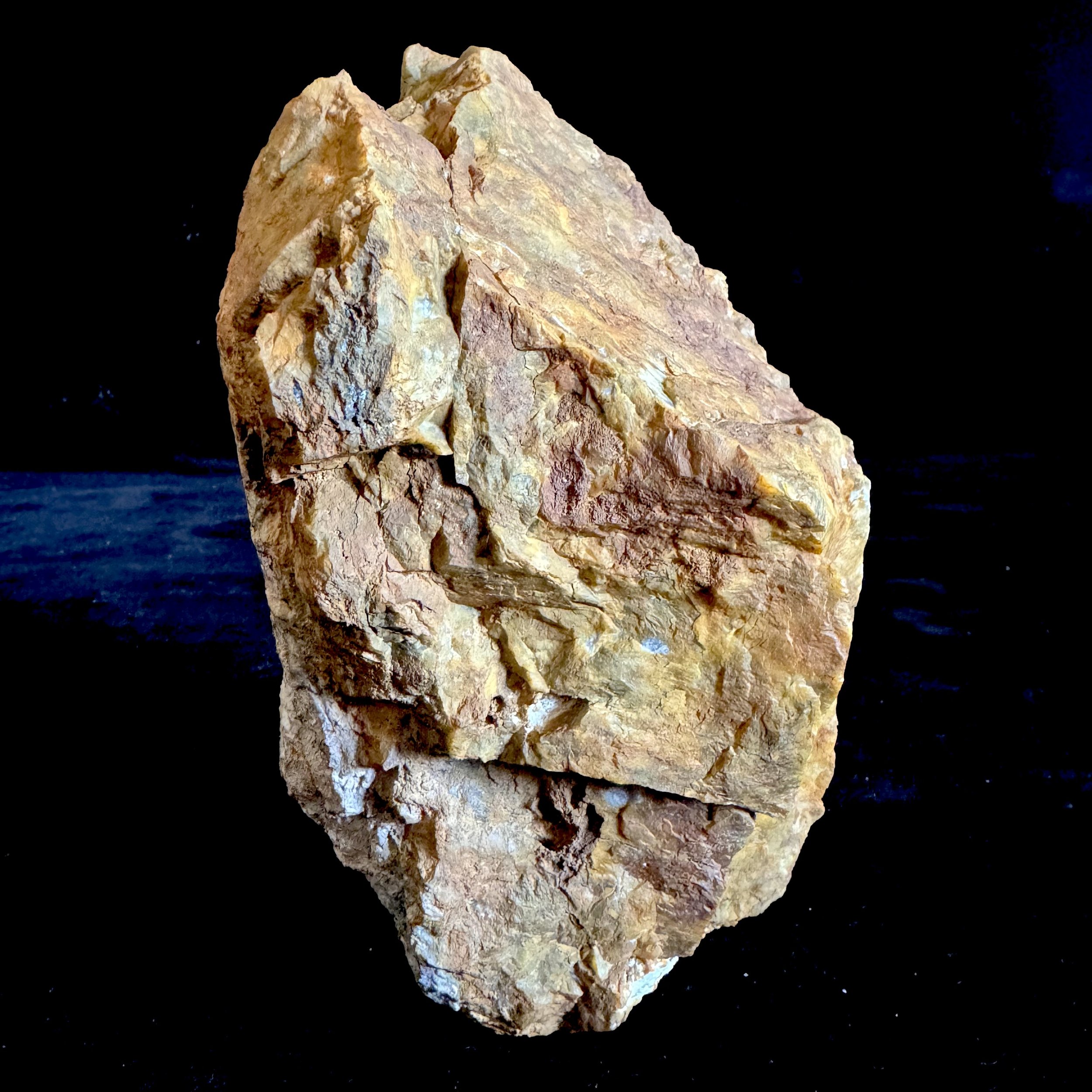 Image 3 of 9
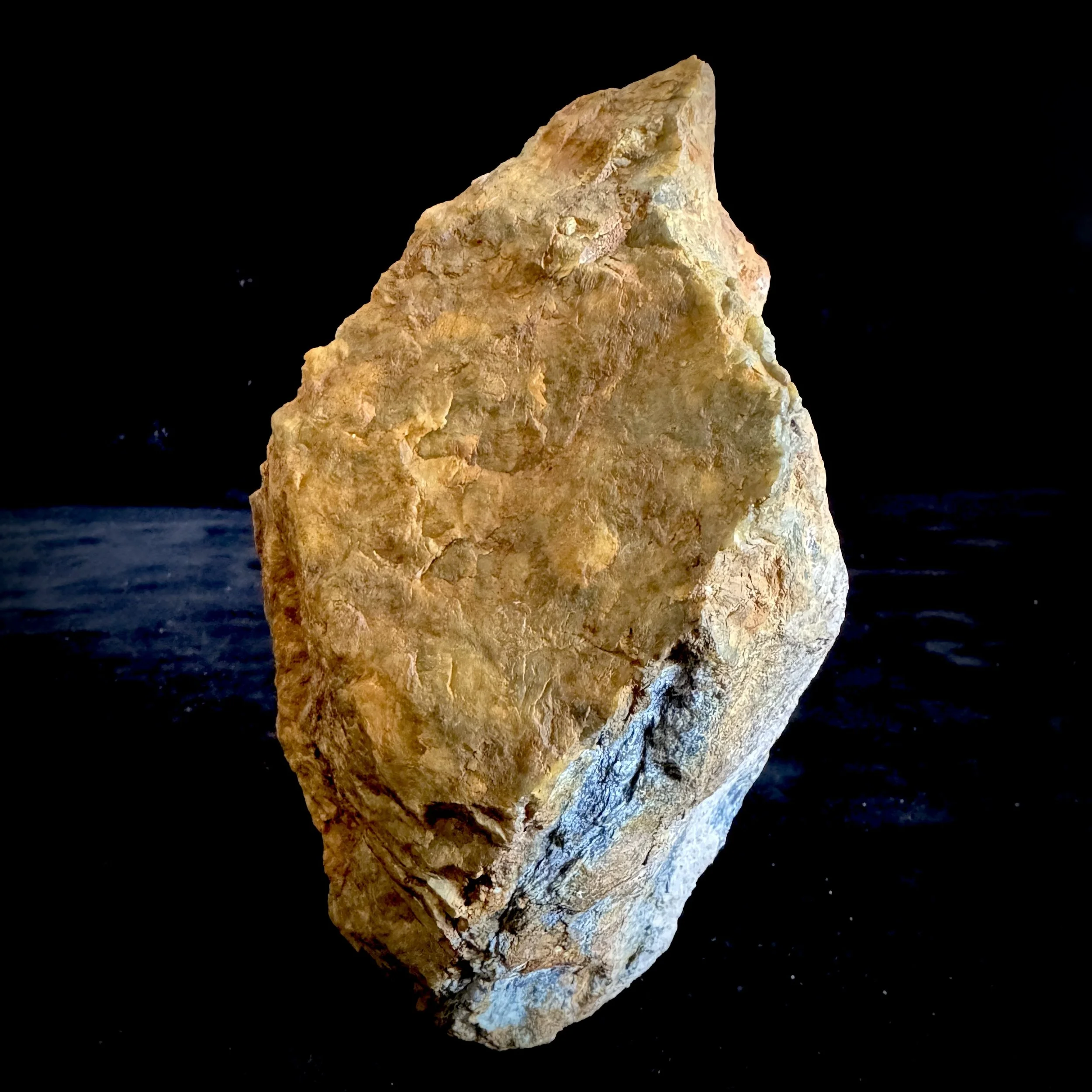 Image 4 of 9
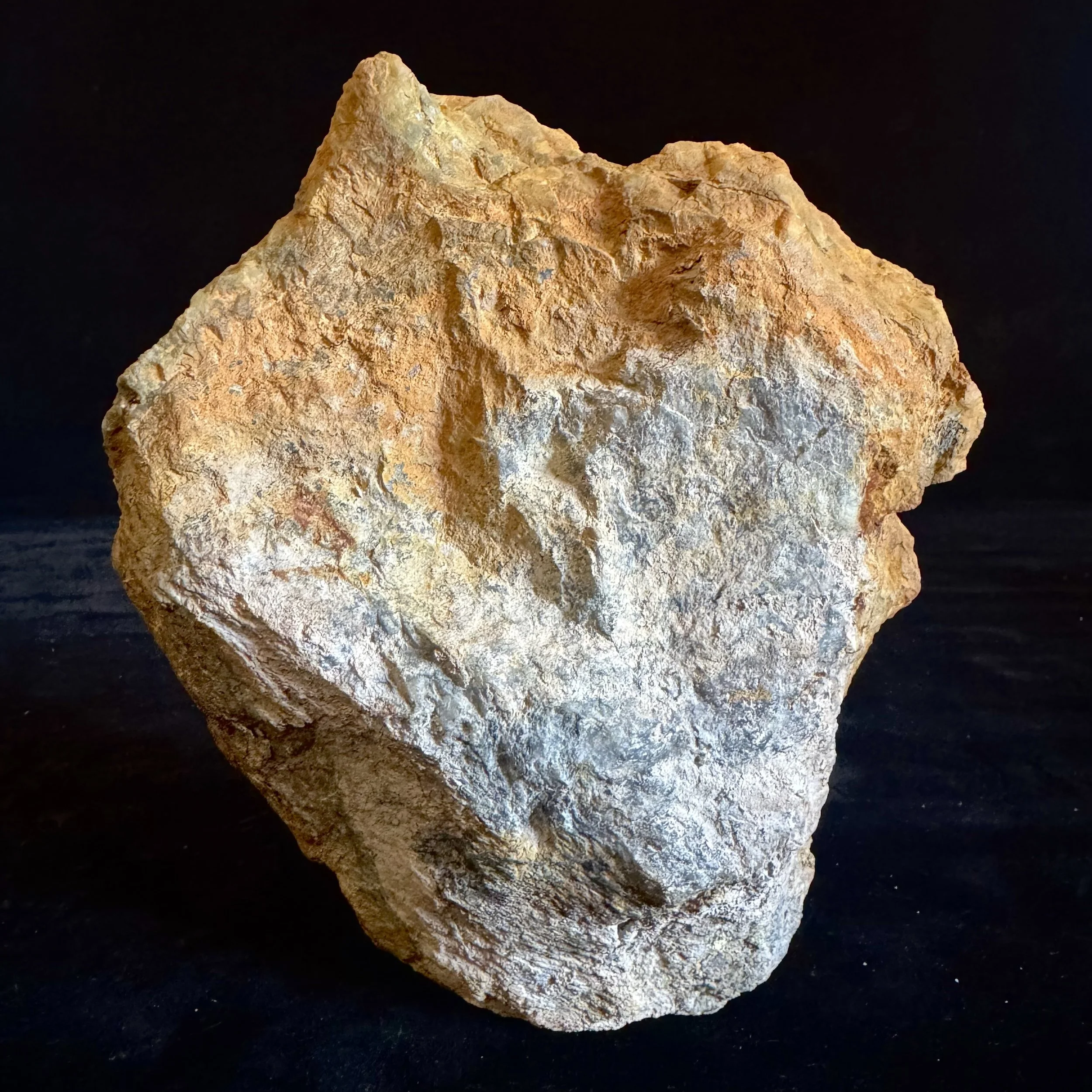 Image 5 of 9
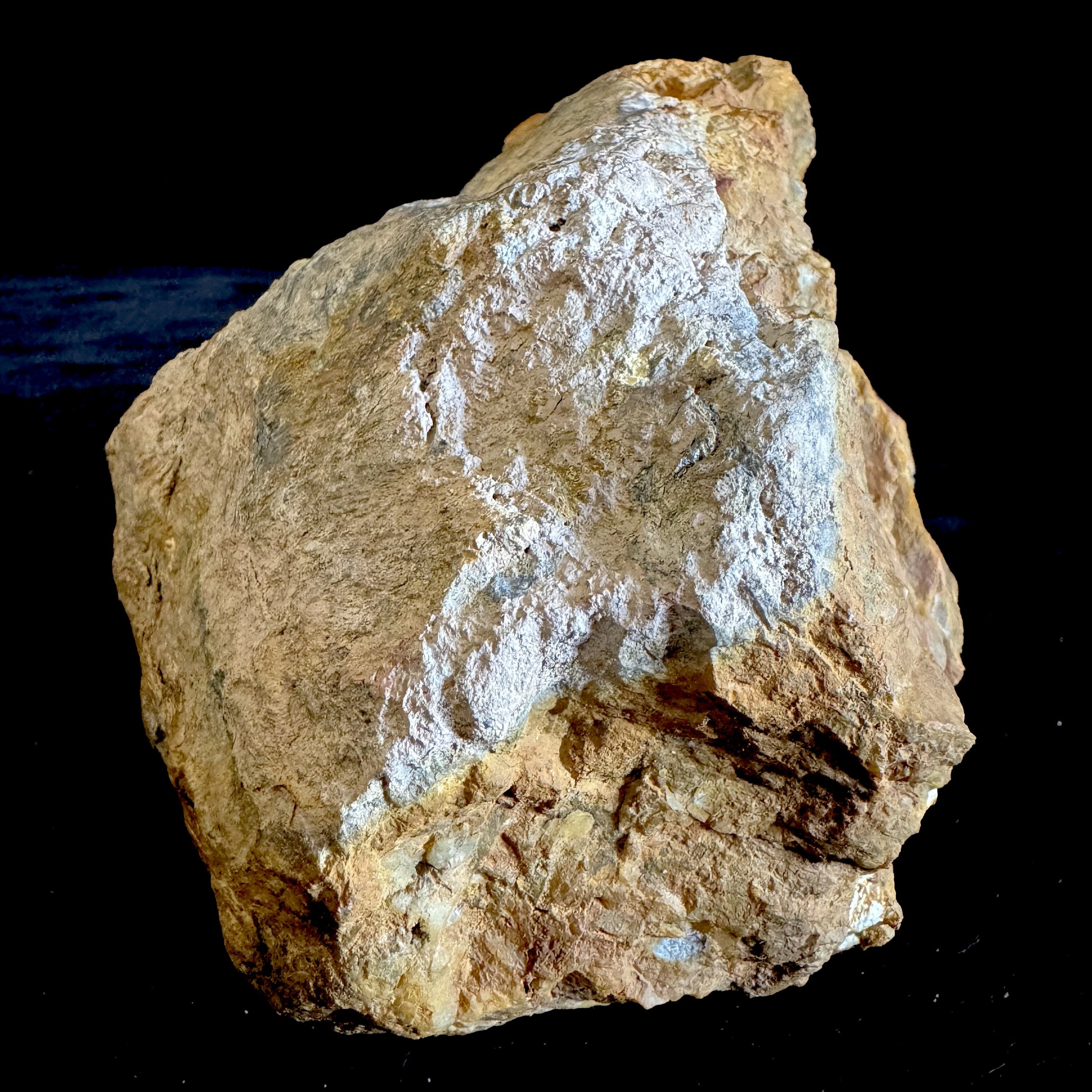 Image 6 of 9
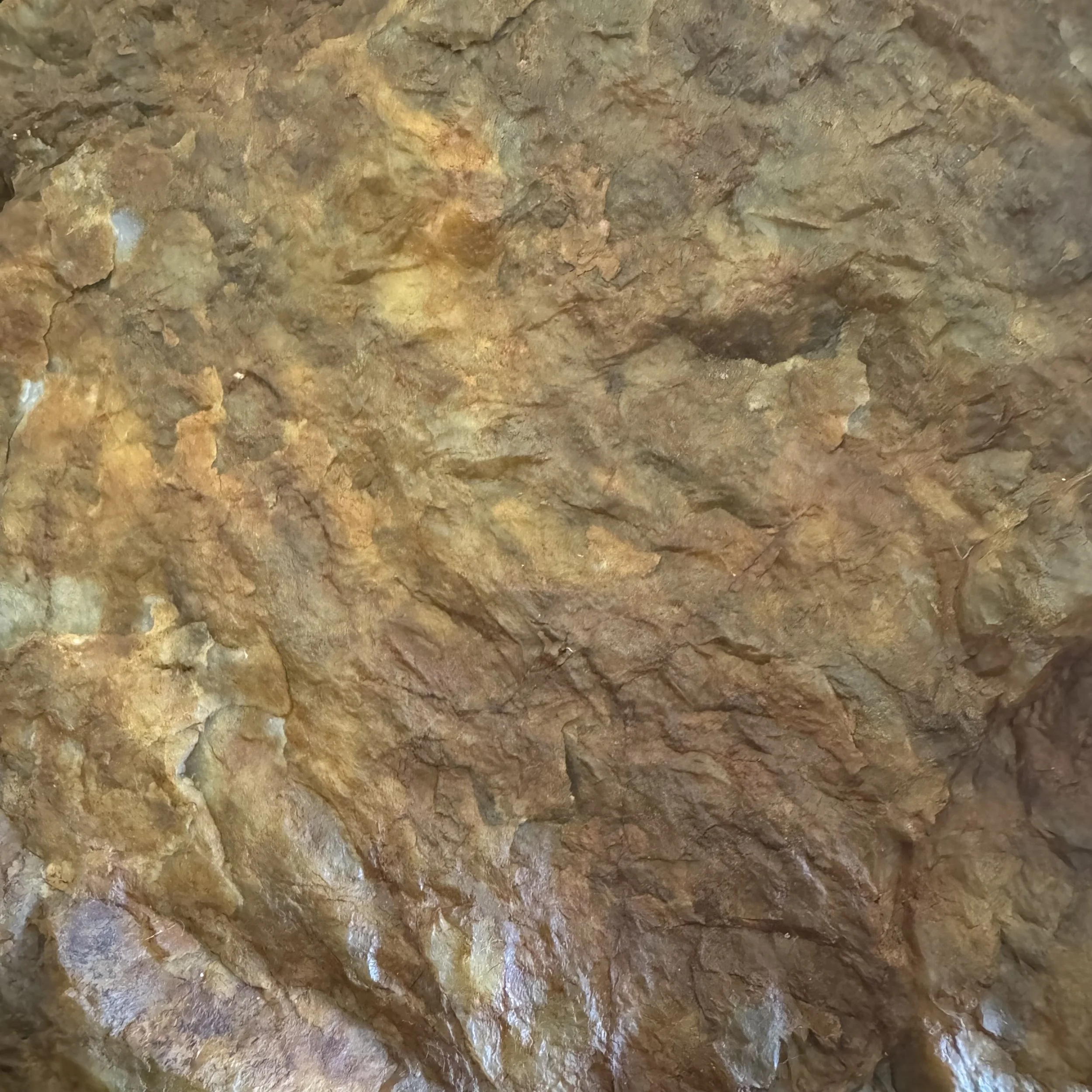 Image 7 of 9
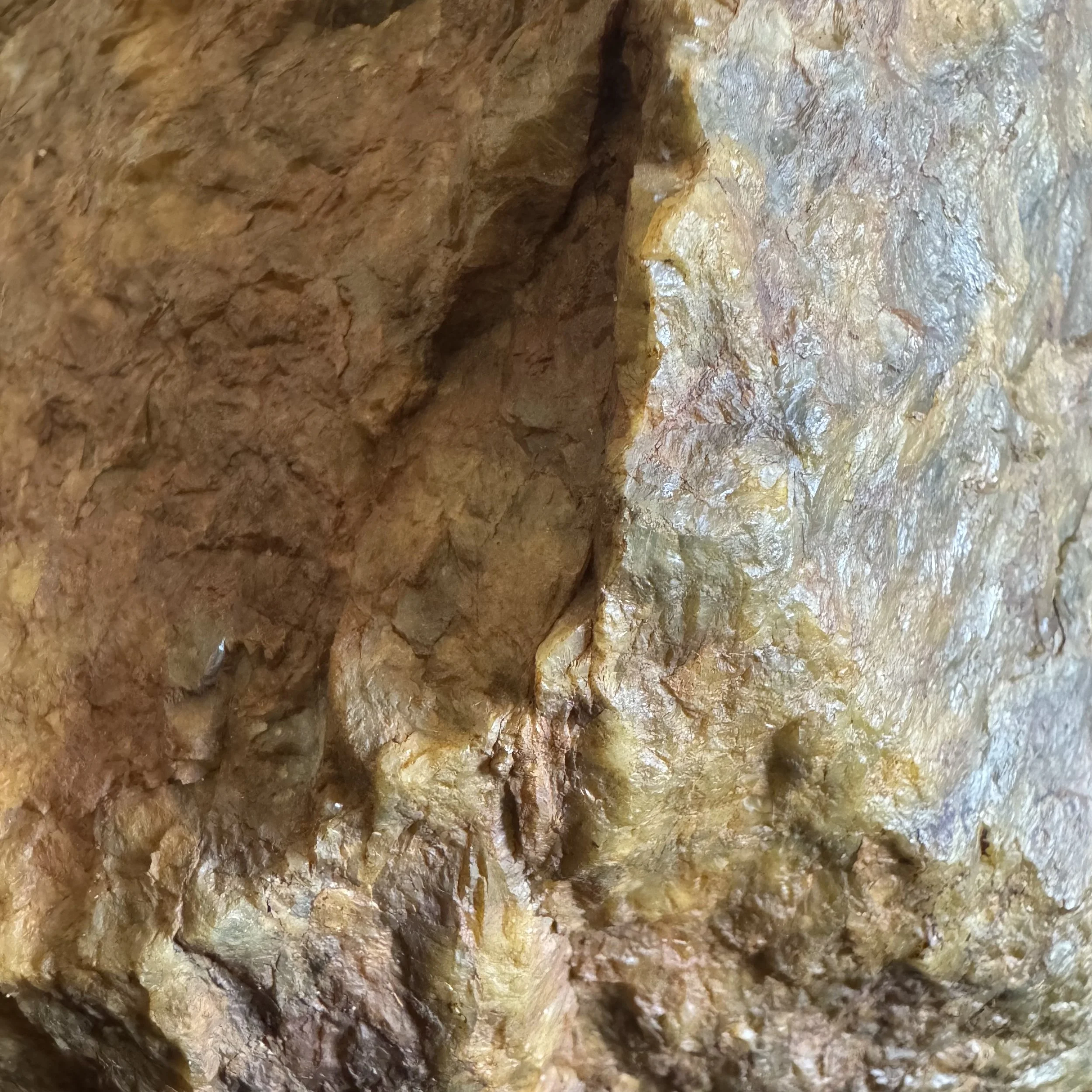 Image 8 of 9
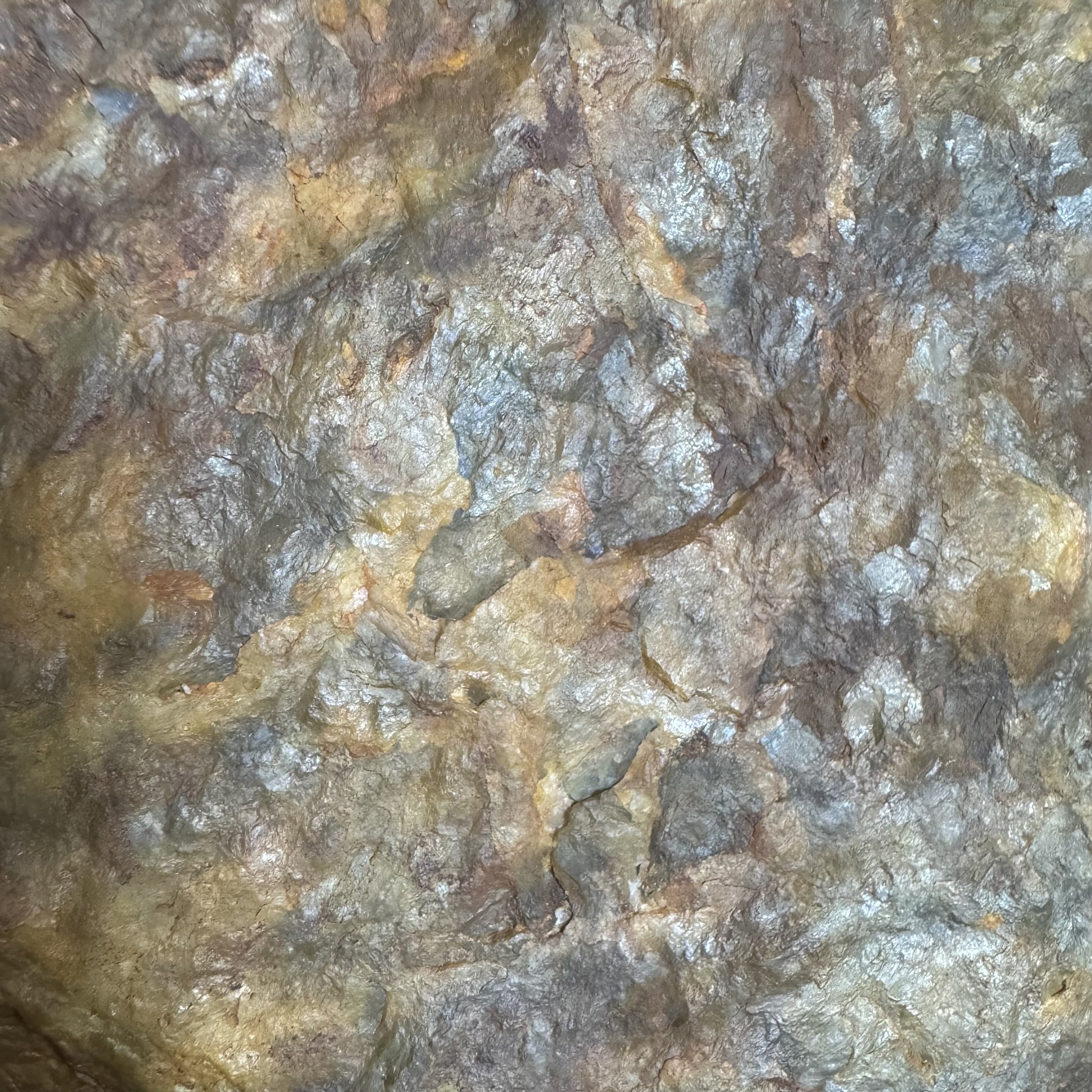 Image 9 of 9