PRIMARY INFO
CORE STATEMENT
A geological formation where structure expresses repetition under pressure.
Within a quartz-bearing matrix, intersecting mineral layers have aligned into a continuous ridge system — forming a cross-directional scale field across the entire surface.
This is not surface decoration. This is structural encoding.
The pattern does not sit on the stone.
It is the stone.
PHYSICAL SPECIFICATIONS
Weight: 9.823 kg
Dimension:
Width: 15.5 cm
Length: 34.5 cm
Height: 12.5 cm
ORIGIN
Source / Origin: Coastal mineral zone — Rayong, Thailand
Formation / Process:
Formed through layered sedimentary compression combined with mineral infiltration and directional stress across fractured host rock.
Repeated pressure cycles created intersecting ridge systems, preserving a continuous surface topology across the structure.
Era / Estimated Age: Millions of years
(Exact dating undefined — classified as primordial pattern formation)
MATERIAL COMPOSITION
Quartz (SiO₂) — Approx. 52–60%
Iron Oxides (Hematite / Goethite) — Approx. 12–18%
Weathered Host Rock — Approx. 10–15%
Secondary Silica — Approx. 4–6%
Clay / Sedimentary Residues — Approx. 5–8%
Trace Minerals — Approx. 2–4%
Layer-dominant composite structure where iron-rich mineralization integrates within ridge formations rather than coating the surface.
REMARK: Composition is visually estimated based on observable surface and structural characteristics. Laboratory confirmation not yet conducted.
ARTISTIC VALUE
Cross-Scale Matrix — “Structural Repetition Field”
The surface forms a continuous lattice of intersecting ridges.
This is not random fracture — it is repetition under stress.
Depth-Carved Ridge System — “Relief Architecture”
Each ridge is embedded within the structure, creating depth that reacts strongly to light and shadow.
Iron-Silica Integration — “Embedded Tonal System”
Iron mineralization is integrated within the ridges, producing natural tonal variation: pale gold, ochre, and grey-white transitions.
Quartz Substructure — “Internal Cohesion”
Beneath the patterned surface lies a dense quartz body, maintaining structural stability and visual grounding.
STRUCTURAL SCALE
Scale Classification: Large-Form Relic (PATTERN-DOMINANT CLASS)
Formation Integrity:
Maintains full-surface pattern continuity across an extended structure with minimal fragmentation.
Rarity Factor (Scale):
Surface-dominant formations typically degrade or lose pattern continuity over time.
The preservation of:
full-length cross-scale matrix
intersecting ridge alignment
structural cohesion
consistent depth variation
indicates a rare case of long-term surface stability under sustained pressure conditions.
MYTH
Before symbols — there were patterns.
Before meaning — there was structure.
This formation reflects a deeper principle:
Order does not need design.
It emerges.
Energy Signature:
Repetition. Continuity. Structural memory.
Collector Note:
Ideal for collectors drawn to surface systems, texture complexity, and pattern-driven formations.
Anantakala Codex Note:
A preserved pattern field. A record of structure emerging through pressure.
SPATIAL PRESENCE — “SURFACE GRAVITY FIELD”
Visual Behavior
This piece pulls attention not through size — but through detail.
The eye does not stop at one point.
It travels.
Spatial Role
Acts as a close-range focal object
Encourages prolonged observation
Expands in perceived complexity over time
It does not dominate space. It deepens it.
DISPLAY & EXPERIENCE
Display Recommendation:
Best displayed at waist to chest level for close observation.
Rotational viewing enhances pattern perception.
Recommended Lighting — “Relief Activation”
Effect:
Light does not flatten this piece.
It reveals its structure.
DISPLAY BASE
PHOTOGRAPHY NOTE
This piece should be documented as a pattern field — not a mass
CONDITION NOTE
Natural fractures present
Surface unpolished
No artificial enhancement
Fully preserved in original geological state
TRUST / AUTHORITY
Authentication: Verified and documented by Anantakala Art — Codex Registered Artifact A00027
Curation Note:
Selected for its rare cross-scale matrix —
where pattern, pressure, and structure converge into one continuous system
SHIPPING
Shipping available worldwide
Reinforced packaging recommended
Final arrangement based on destination
HANDLING NOTE
LOGISTICS CLARITY
FINAL STATEMENT
PRIMARY INFO
CORE STATEMENT
A geological formation where structure expresses repetition under pressure.
Within a quartz-bearing matrix, intersecting mineral layers have aligned into a continuous ridge system — forming a cross-directional scale field across the entire surface.
This is not surface decoration. This is structural encoding.
The pattern does not sit on the stone.
It is the stone.
PHYSICAL SPECIFICATIONS
Weight: 9.823 kg
Dimension:
Width: 15.5 cm
Length: 34.5 cm
Height: 12.5 cm
ORIGIN
Source / Origin: Coastal mineral zone — Rayong, Thailand
Formation / Process:
Formed through layered sedimentary compression combined with mineral infiltration and directional stress across fractured host rock.
Repeated pressure cycles created intersecting ridge systems, preserving a continuous surface topology across the structure.
Era / Estimated Age: Millions of years
(Exact dating undefined — classified as primordial pattern formation)
MATERIAL COMPOSITION
Quartz (SiO₂) — Approx. 52–60%
Iron Oxides (Hematite / Goethite) — Approx. 12–18%
Weathered Host Rock — Approx. 10–15%
Secondary Silica — Approx. 4–6%
Clay / Sedimentary Residues — Approx. 5–8%
Trace Minerals — Approx. 2–4%
Layer-dominant composite structure where iron-rich mineralization integrates within ridge formations rather than coating the surface.
REMARK: Composition is visually estimated based on observable surface and structural characteristics. Laboratory confirmation not yet conducted.
ARTISTIC VALUE
Cross-Scale Matrix — “Structural Repetition Field”
The surface forms a continuous lattice of intersecting ridges.
This is not random fracture — it is repetition under stress.
Depth-Carved Ridge System — “Relief Architecture”
Each ridge is embedded within the structure, creating depth that reacts strongly to light and shadow.
Iron-Silica Integration — “Embedded Tonal System”
Iron mineralization is integrated within the ridges, producing natural tonal variation: pale gold, ochre, and grey-white transitions.
Quartz Substructure — “Internal Cohesion”
Beneath the patterned surface lies a dense quartz body, maintaining structural stability and visual grounding.
STRUCTURAL SCALE
Scale Classification: Large-Form Relic (PATTERN-DOMINANT CLASS)
Formation Integrity:
Maintains full-surface pattern continuity across an extended structure with minimal fragmentation.
Rarity Factor (Scale):
Surface-dominant formations typically degrade or lose pattern continuity over time.
The preservation of:
full-length cross-scale matrix
intersecting ridge alignment
structural cohesion
consistent depth variation
indicates a rare case of long-term surface stability under sustained pressure conditions.
MYTH
Before symbols — there were patterns.
Before meaning — there was structure.
This formation reflects a deeper principle:
Order does not need design.
It emerges.
Energy Signature:
Repetition. Continuity. Structural memory.
Collector Note:
Ideal for collectors drawn to surface systems, texture complexity, and pattern-driven formations.
Anantakala Codex Note:
A preserved pattern field. A record of structure emerging through pressure.
SPATIAL PRESENCE — “SURFACE GRAVITY FIELD”
Visual Behavior
This piece pulls attention not through size — but through detail.
The eye does not stop at one point.
It travels.
Spatial Role
Acts as a close-range focal object
Encourages prolonged observation
Expands in perceived complexity over time
It does not dominate space. It deepens it.
DISPLAY & EXPERIENCE
Display Recommendation:
Best displayed at waist to chest level for close observation.
Rotational viewing enhances pattern perception.
Recommended Lighting — “Relief Activation”
Effect:
Light does not flatten this piece.
It reveals its structure.
DISPLAY BASE
PHOTOGRAPHY NOTE
This piece should be documented as a pattern field — not a mass
CONDITION NOTE
Natural fractures present
Surface unpolished
No artificial enhancement
Fully preserved in original geological state
TRUST / AUTHORITY
Authentication: Verified and documented by Anantakala Art — Codex Registered Artifact A00027
Curation Note:
Selected for its rare cross-scale matrix —
where pattern, pressure, and structure converge into one continuous system
SHIPPING
Shipping available worldwide
Reinforced packaging recommended
Final arrangement based on destination
HANDLING NOTE
LOGISTICS CLARITY
FINAL STATEMENT

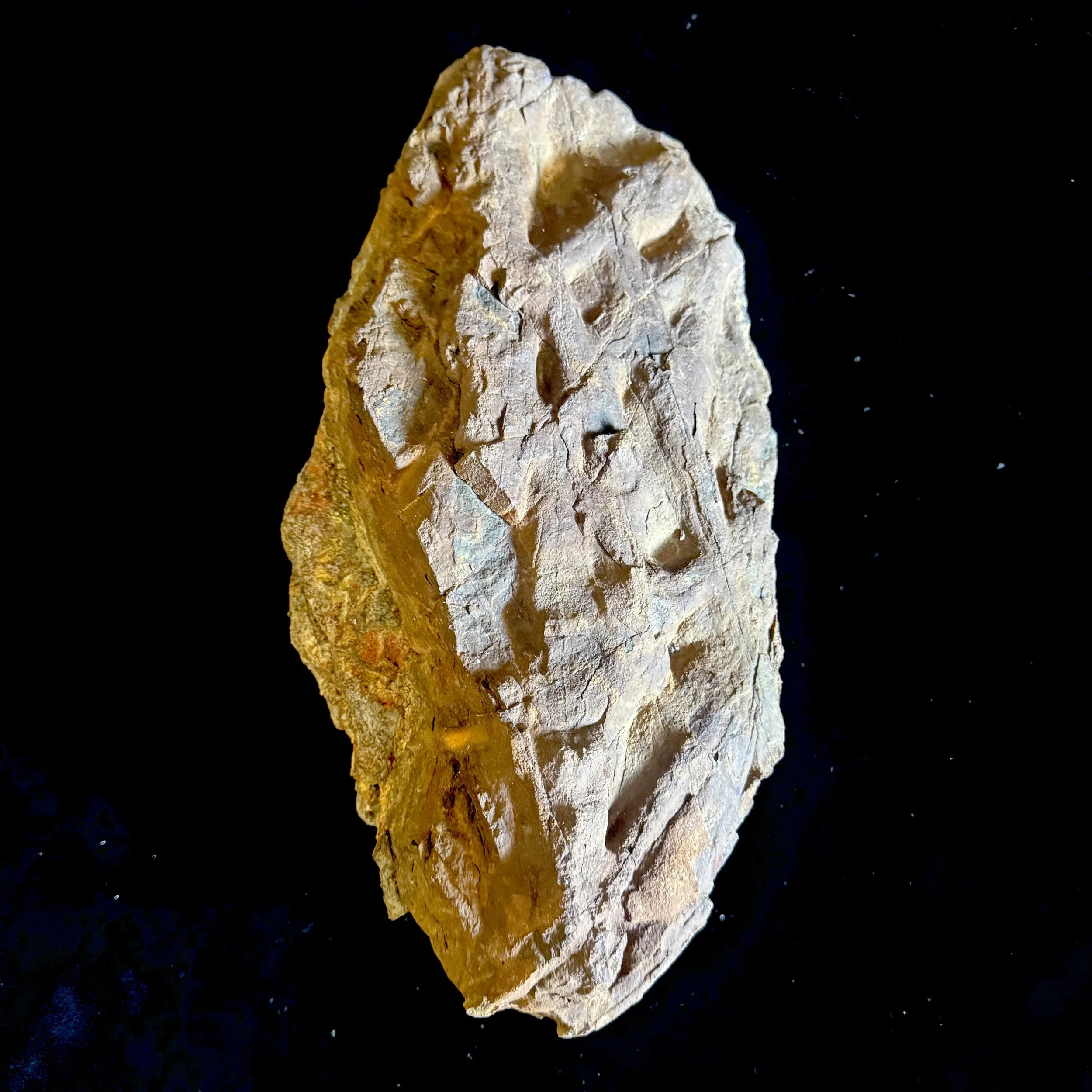 Image 1 of 9
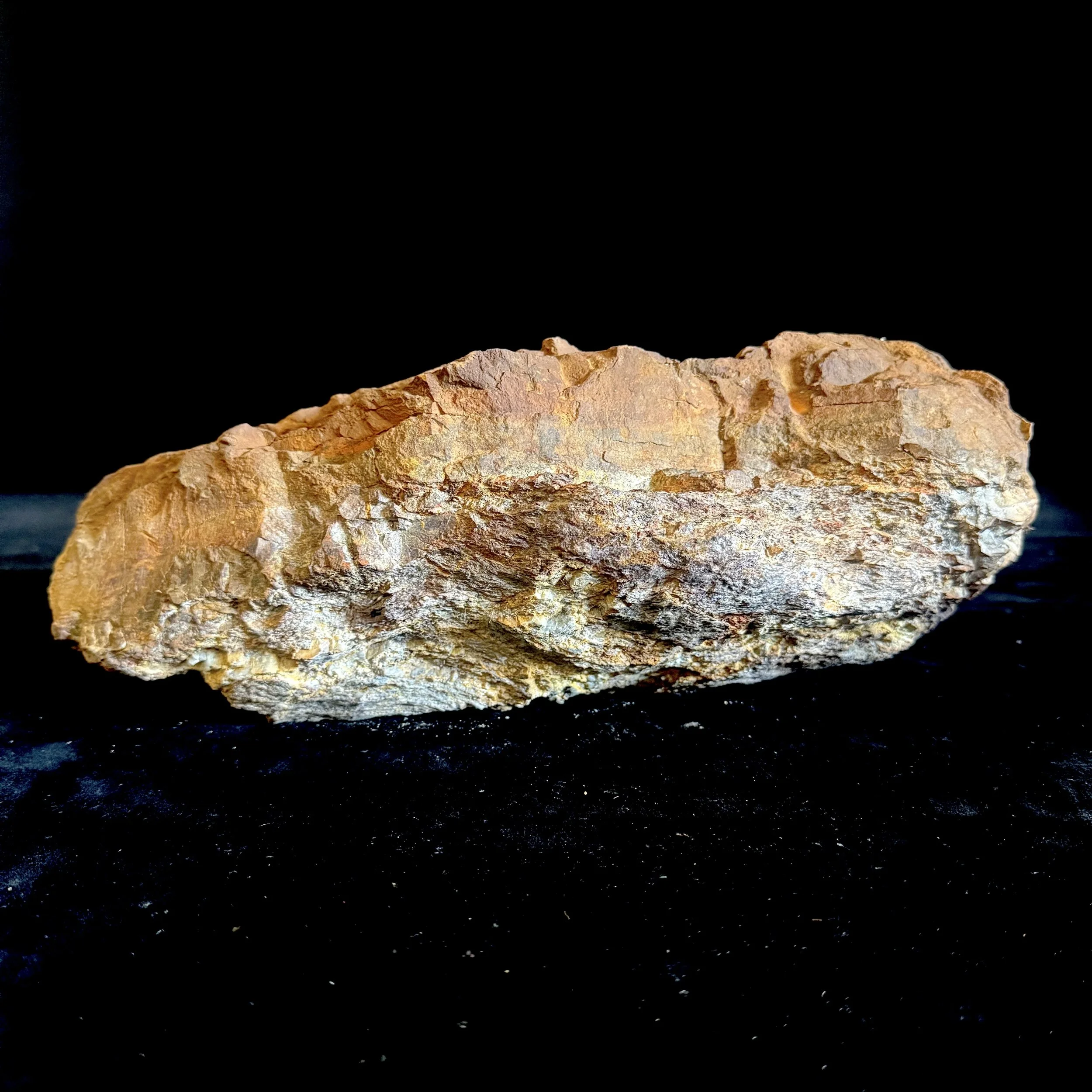 Image 2 of 9
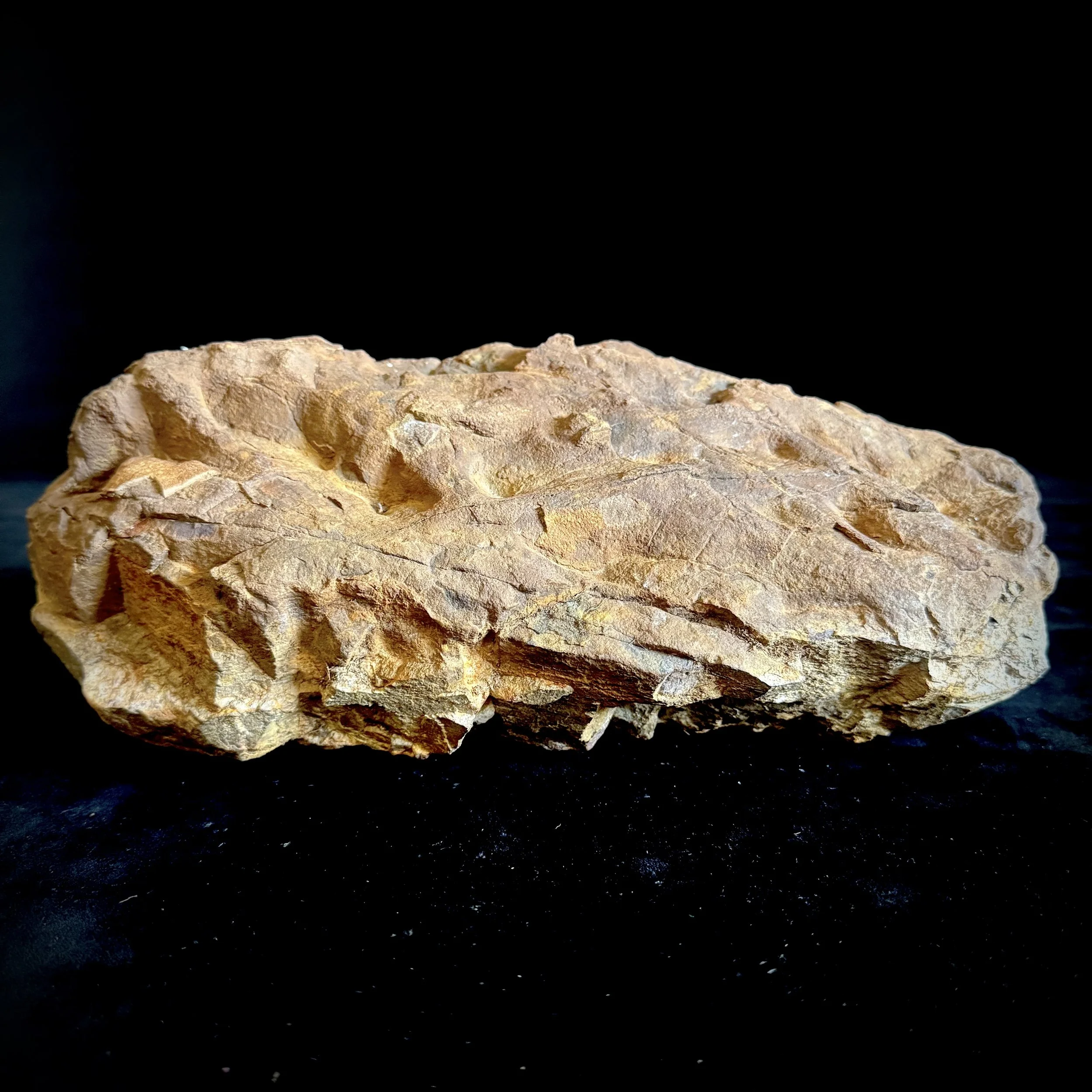 Image 3 of 9
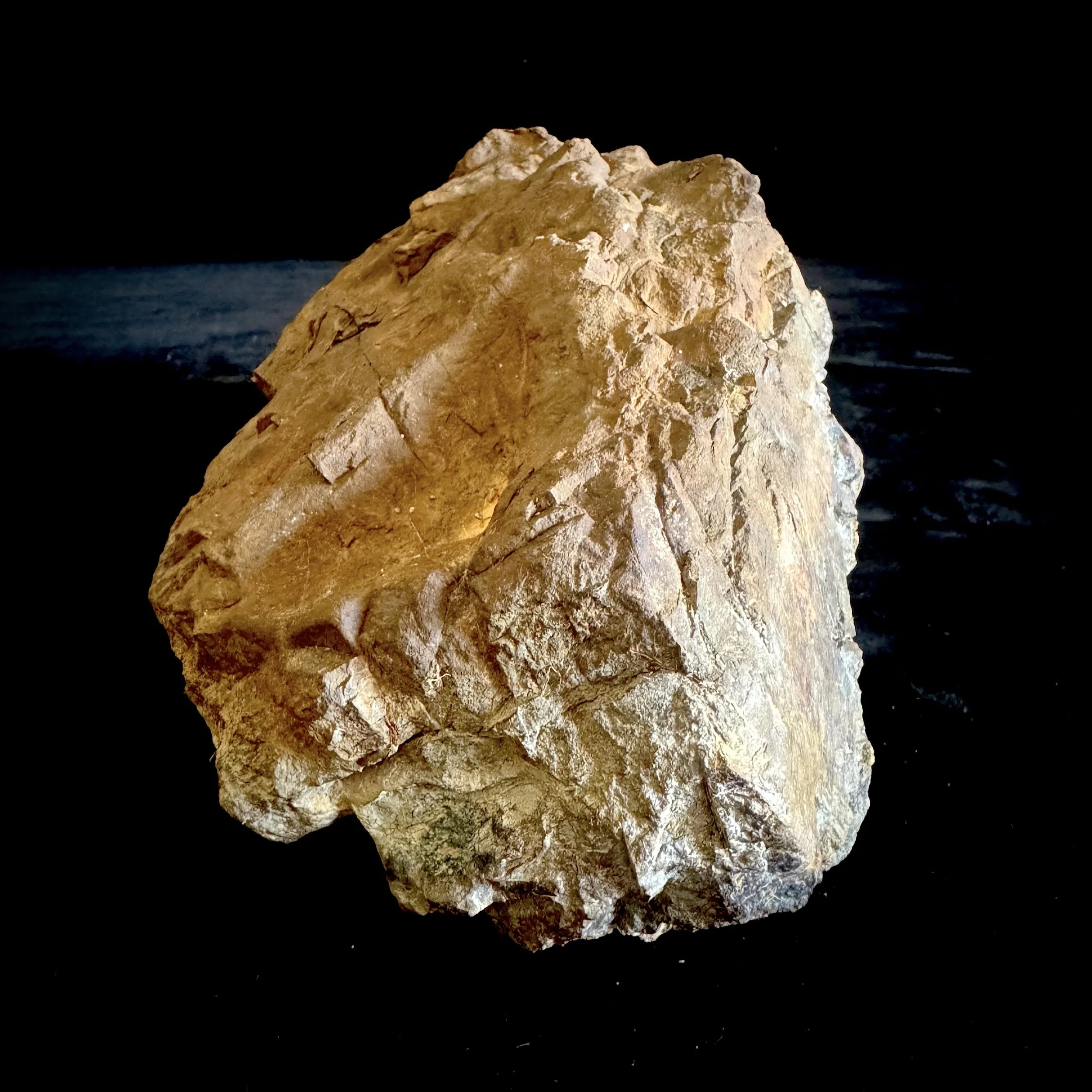 Image 4 of 9
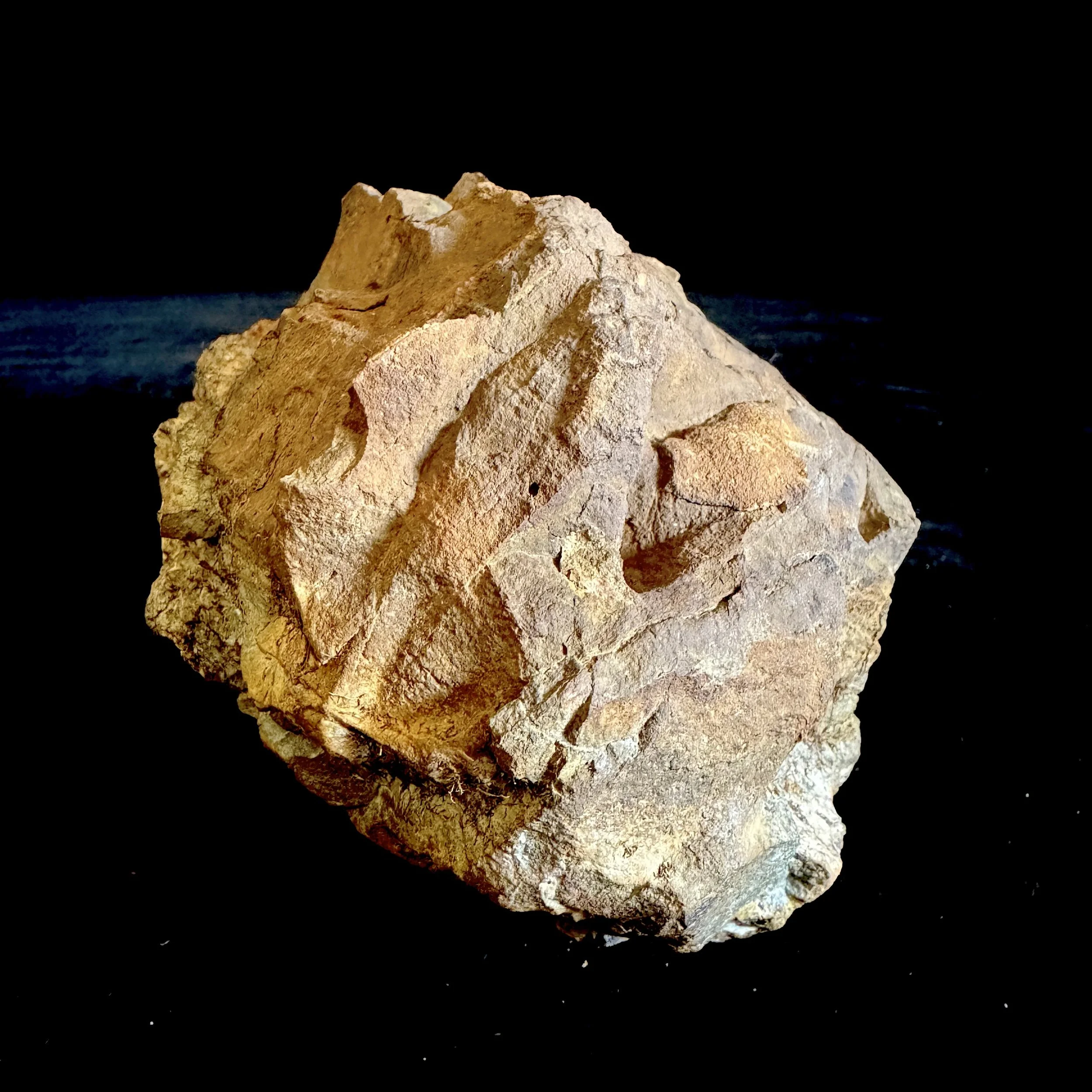 Image 5 of 9
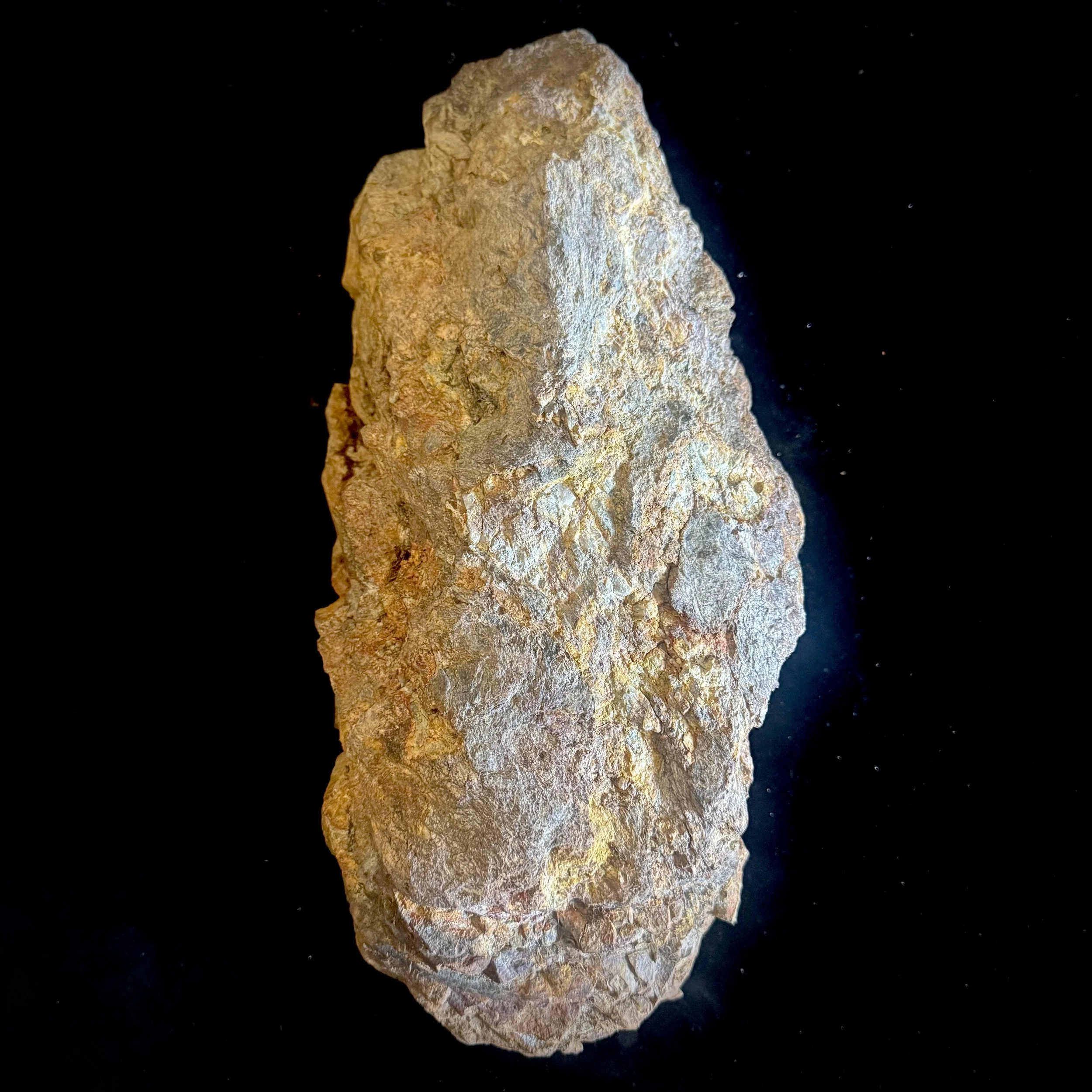 Image 6 of 9
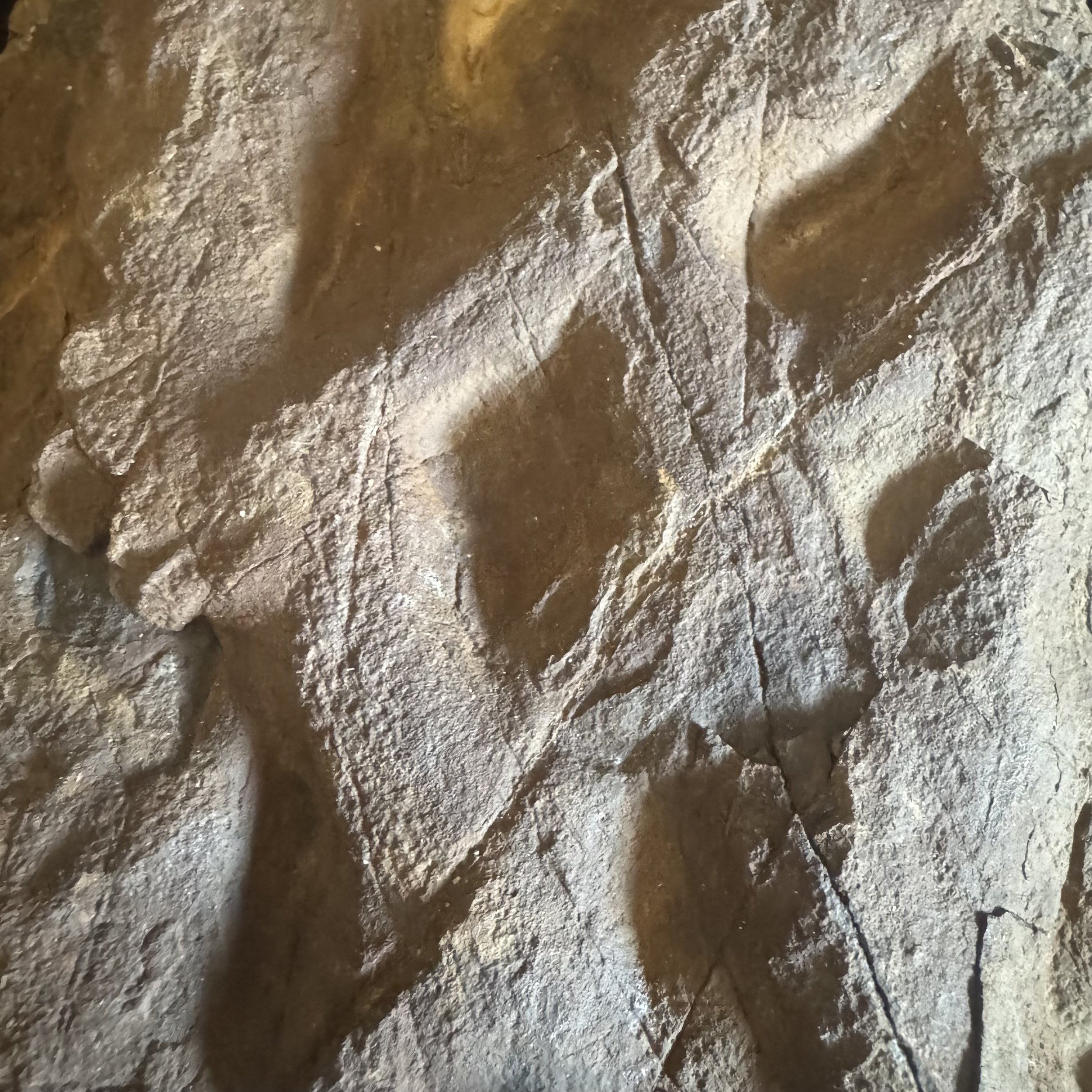 Image 7 of 9
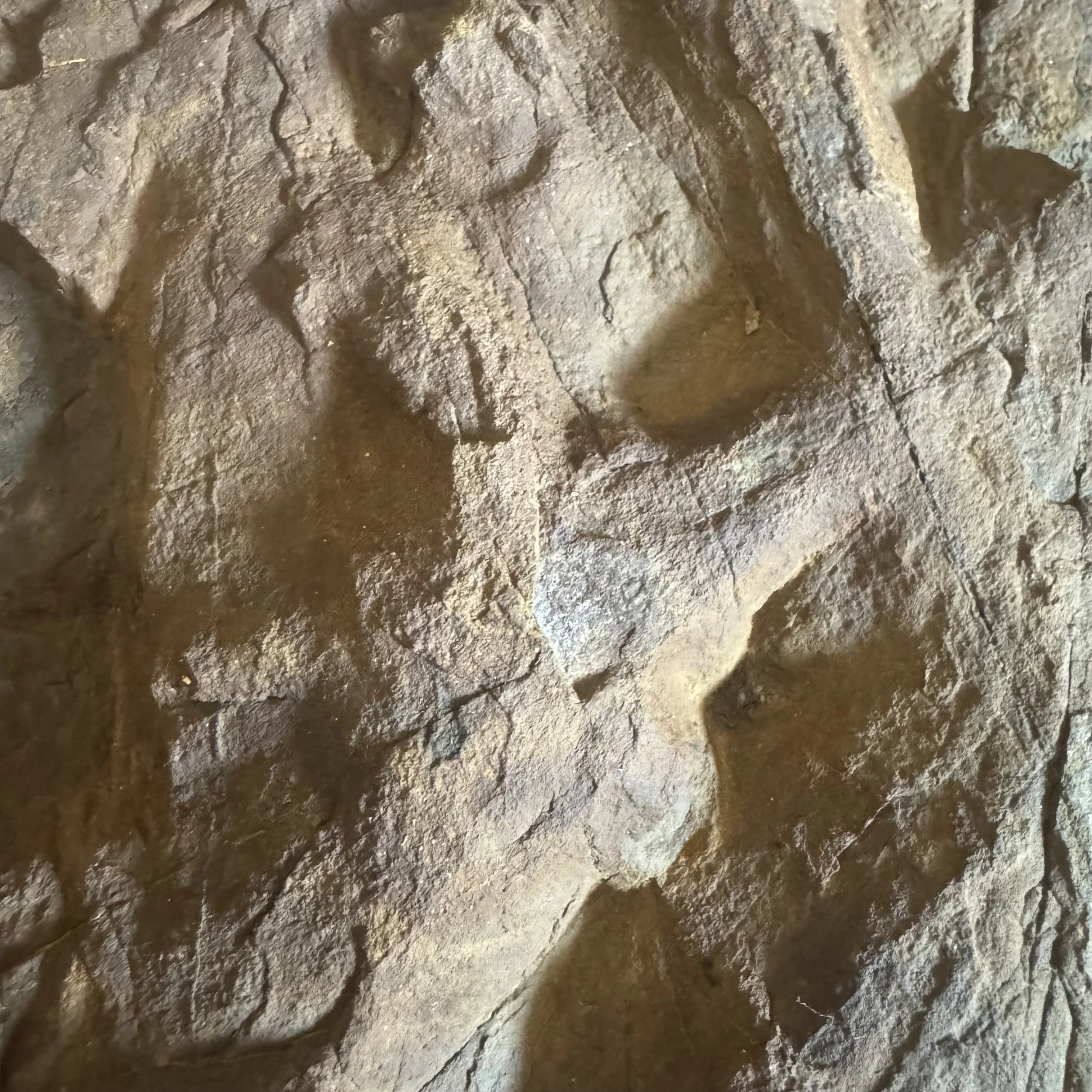 Image 8 of 9
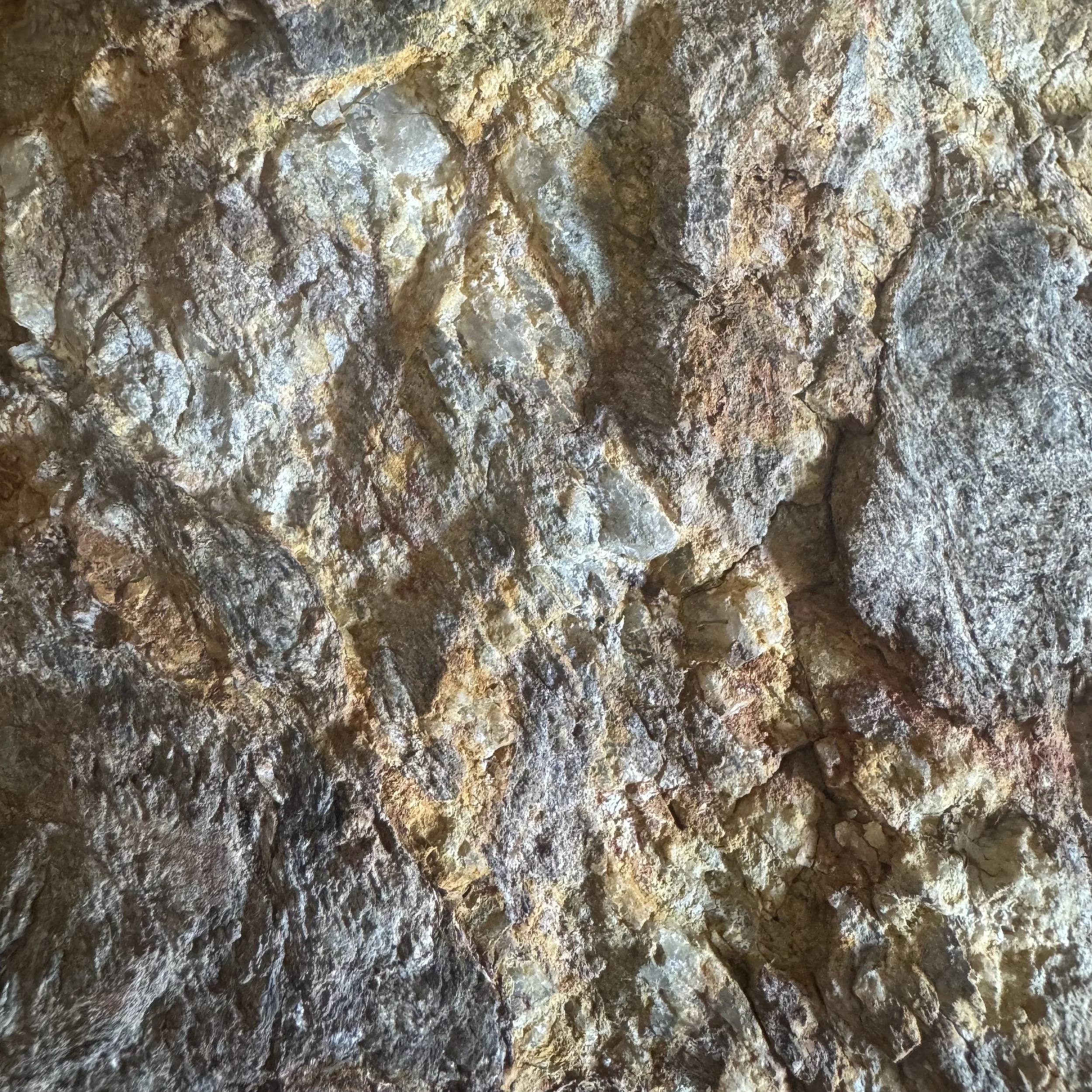 Image 9 of 9