PRIMARY INFO
Codex No.: A00028
Codex Tier: Weathered Tier
Rarity Index: 7.9/10
(Fragmented iron-dominant formation with partial pattern retention)
Availability: One of One — No replication possible
CORE STATEMENT
A geological remnant where structure persists beyond clarity.
Within an iron-dominant mass, fragmented quartz inclusions and weathered surfaces form an irregular topology — suggesting pattern without fully resolving it.
This piece does not express precision.
It expresses survival.
This is not a complete system. This is what remains — and continues.
PHYSICAL SPECIFICATIONS
Weight: 12.016 kg
Dimension:
Width: 21 cm
Length: 42.5 cm
Height: 13 cm
ORIGIN
Source / Origin: Coastal mineral zone — Rayong, Thailand
Formation / Process:
Formed through iron-rich mineral accumulation followed by prolonged surface exposure, erosion, and structural breakdown within fractured host rock.
Quartz inclusions remain as residual elements within a predominantly oxidized mass.
Era / Estimated Age: Millions of years
(Exact dating undefined — classified as weathered primordial remnant)
MATERIAL COMPOSITION
Iron Oxides (Hematite / Goethite dominant) — Approx. 35–45%
Quartz (SiO₂) — Approx. 15–22%
Weathered Host Rock — Approx. 15–20%
Secondary Silica — Approx. 5–8%
Clay / Sedimentary Residues — Approx. 8–12%
Trace Minerals — Approx. 2–4%
Iron-dominant structure with fragmented quartz presence and heavily weathered outer layers.
REMARK: Composition is visually estimated based on observable characteristics. Laboratory confirmation not conducted.
ARTISTIC VALUE
Fragmented Surface Field — “Broken Continuity”
The surface presents uneven topology with disrupted ridge formations.
Pattern exists — but never fully resolves.
Residual Quartz Memory — “Embedded Remains”
Quartz appears in scattered, irregular pockets.
These are not dominant features — but remnants of a prior structural state.
Iron Weathering Layer — “Time Exposure”
Oxidation defines the entire tone:
deep rust, burnt ochre, and dark mineral patches —
reflecting prolonged environmental interaction.
Erosion-Driven Form — “Unrefined Geometry”
Edges and contours are shaped by natural wear, not formation symmetry.
The structure feels aged, grounded, and uncompromised.
STRUCTURAL SCALE
Scale Classification: Large-Form Relic (FRAGMENTED TITAN CLASS)
Formation Integrity:
Despite surface degradation, the mass remains structurally cohesive with no critical collapse across the body.
Rarity Factor (Scale):
Weathered formations typically lose both structure and readability.
The preservation of:
indicates a rare survival state between formation and erosion.
MYTH
Not all forms remain whole.
Some endure through fragmentation.
This formation reflects a deeper truth:
What survives is not always what is perfect —
but what refuses to disappear.
Energy Signature:
Persistence. Exposure. Material honesty.
Collector Note:
Best suited for collectors who value authenticity over perfection —
and understand the role of raw forms within a curated system.
Anantakala Codex Note:
A preserved remnant state. A record of structure after transformation.
SPATIAL PRESENCE — “GROUND MASS ANCHOR”
Visual Behavior
This piece does not command attention immediately.
It stabilizes the environment through weight and material presence.
Spatial Role
Acts as a grounding element within a collection
Provides contrast to high-clarity or high-pattern artifacts
Reinforces realism and material diversity
It does not lead the space. It holds it.
DISPLAY & EXPERIENCE
Display Recommendation:
Best positioned as a secondary anchor piece.
Pairs effectively with high-definition or high-contrast formations.
Recommended Lighting — “Raw Exposure”
Effect:
Light should not dramatize this piece.
It should respect it.
DISPLAY BASE
PHOTOGRAPHY NOTE
Use natural or soft controlled lighting
Avoid contrast exaggeration
Preserve raw texture and material truth
This piece should be documented honestly — not stylized
CONDITION NOTE
Natural fractures present
Surface heavily weathered
No polishing or artificial treatment
Fully preserved in natural state
TRUST / AUTHORITY
SHIPPING
Shipping available worldwide
Reinforced packaging required due to weight
Final arrangement based on destination
HANDLING NOTE
LOGISTICS CLARITY
FINAL STATEMENT
PRIMARY INFO
Codex No.: A00028
Codex Tier: Weathered Tier
Rarity Index: 7.9/10
(Fragmented iron-dominant formation with partial pattern retention)
Availability: One of One — No replication possible
CORE STATEMENT
A geological remnant where structure persists beyond clarity.
Within an iron-dominant mass, fragmented quartz inclusions and weathered surfaces form an irregular topology — suggesting pattern without fully resolving it.
This piece does not express precision.
It expresses survival.
This is not a complete system. This is what remains — and continues.
PHYSICAL SPECIFICATIONS
Weight: 12.016 kg
Dimension:
Width: 21 cm
Length: 42.5 cm
Height: 13 cm
ORIGIN
Source / Origin: Coastal mineral zone — Rayong, Thailand
Formation / Process:
Formed through iron-rich mineral accumulation followed by prolonged surface exposure, erosion, and structural breakdown within fractured host rock.
Quartz inclusions remain as residual elements within a predominantly oxidized mass.
Era / Estimated Age: Millions of years
(Exact dating undefined — classified as weathered primordial remnant)
MATERIAL COMPOSITION
Iron Oxides (Hematite / Goethite dominant) — Approx. 35–45%
Quartz (SiO₂) — Approx. 15–22%
Weathered Host Rock — Approx. 15–20%
Secondary Silica — Approx. 5–8%
Clay / Sedimentary Residues — Approx. 8–12%
Trace Minerals — Approx. 2–4%
Iron-dominant structure with fragmented quartz presence and heavily weathered outer layers.
REMARK: Composition is visually estimated based on observable characteristics. Laboratory confirmation not conducted.
ARTISTIC VALUE
Fragmented Surface Field — “Broken Continuity”
The surface presents uneven topology with disrupted ridge formations.
Pattern exists — but never fully resolves.
Residual Quartz Memory — “Embedded Remains”
Quartz appears in scattered, irregular pockets.
These are not dominant features — but remnants of a prior structural state.
Iron Weathering Layer — “Time Exposure”
Oxidation defines the entire tone:
deep rust, burnt ochre, and dark mineral patches —
reflecting prolonged environmental interaction.
Erosion-Driven Form — “Unrefined Geometry”
Edges and contours are shaped by natural wear, not formation symmetry.
The structure feels aged, grounded, and uncompromised.
STRUCTURAL SCALE
Scale Classification: Large-Form Relic (FRAGMENTED TITAN CLASS)
Formation Integrity:
Despite surface degradation, the mass remains structurally cohesive with no critical collapse across the body.
Rarity Factor (Scale):
Weathered formations typically lose both structure and readability.
The preservation of:
indicates a rare survival state between formation and erosion.
MYTH
Not all forms remain whole.
Some endure through fragmentation.
This formation reflects a deeper truth:
What survives is not always what is perfect —
but what refuses to disappear.
Energy Signature:
Persistence. Exposure. Material honesty.
Collector Note:
Best suited for collectors who value authenticity over perfection —
and understand the role of raw forms within a curated system.
Anantakala Codex Note:
A preserved remnant state. A record of structure after transformation.
SPATIAL PRESENCE — “GROUND MASS ANCHOR”
Visual Behavior
This piece does not command attention immediately.
It stabilizes the environment through weight and material presence.
Spatial Role
Acts as a grounding element within a collection
Provides contrast to high-clarity or high-pattern artifacts
Reinforces realism and material diversity
It does not lead the space. It holds it.
DISPLAY & EXPERIENCE
Display Recommendation:
Best positioned as a secondary anchor piece.
Pairs effectively with high-definition or high-contrast formations.
Recommended Lighting — “Raw Exposure”
Effect:
Light should not dramatize this piece.
It should respect it.
DISPLAY BASE
PHOTOGRAPHY NOTE
Use natural or soft controlled lighting
Avoid contrast exaggeration
Preserve raw texture and material truth
This piece should be documented honestly — not stylized
CONDITION NOTE
Natural fractures present
Surface heavily weathered
No polishing or artificial treatment
Fully preserved in natural state
TRUST / AUTHORITY
SHIPPING
Shipping available worldwide
Reinforced packaging required due to weight
Final arrangement based on destination
HANDLING NOTE
LOGISTICS CLARITY
FINAL STATEMENT

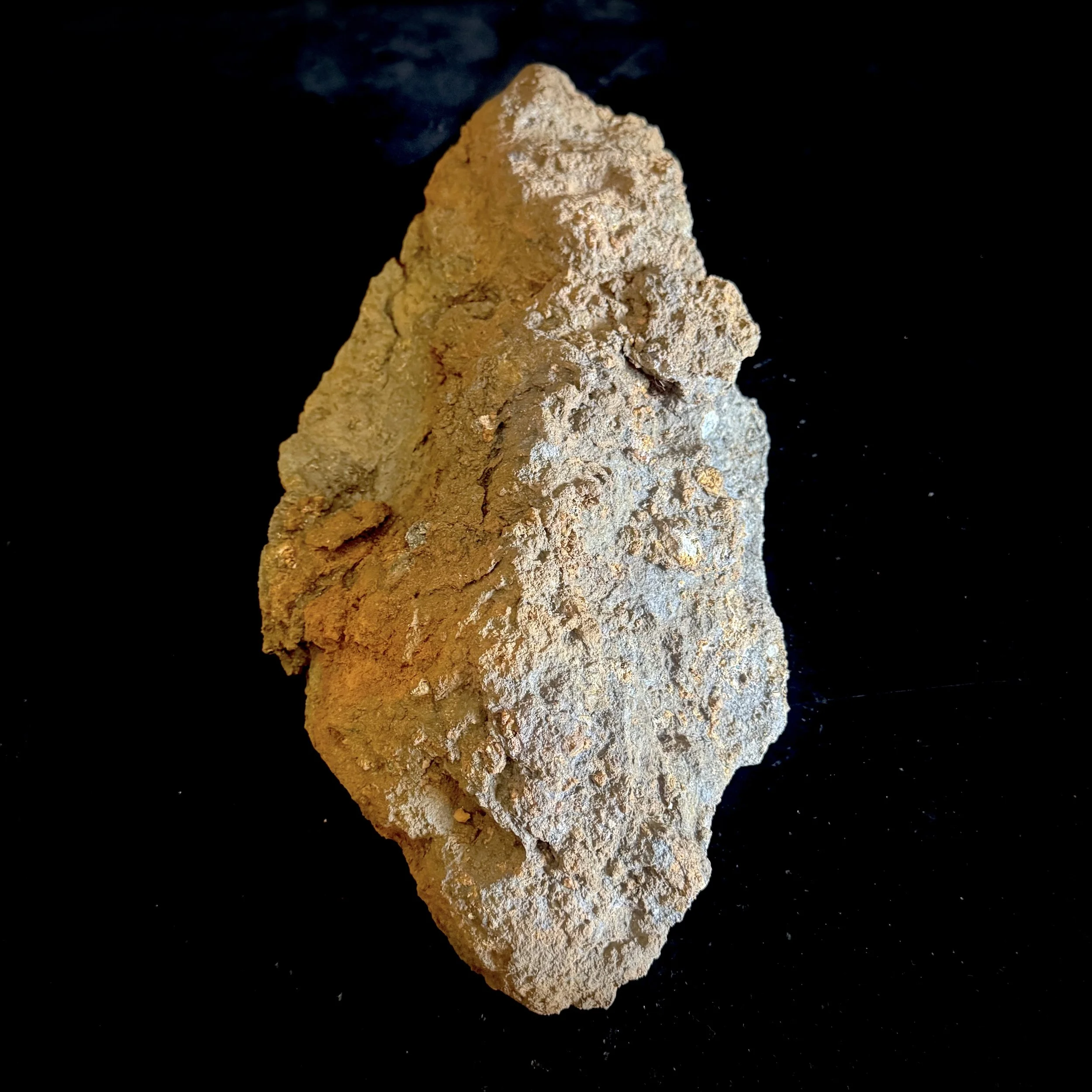 Image 1 of 9
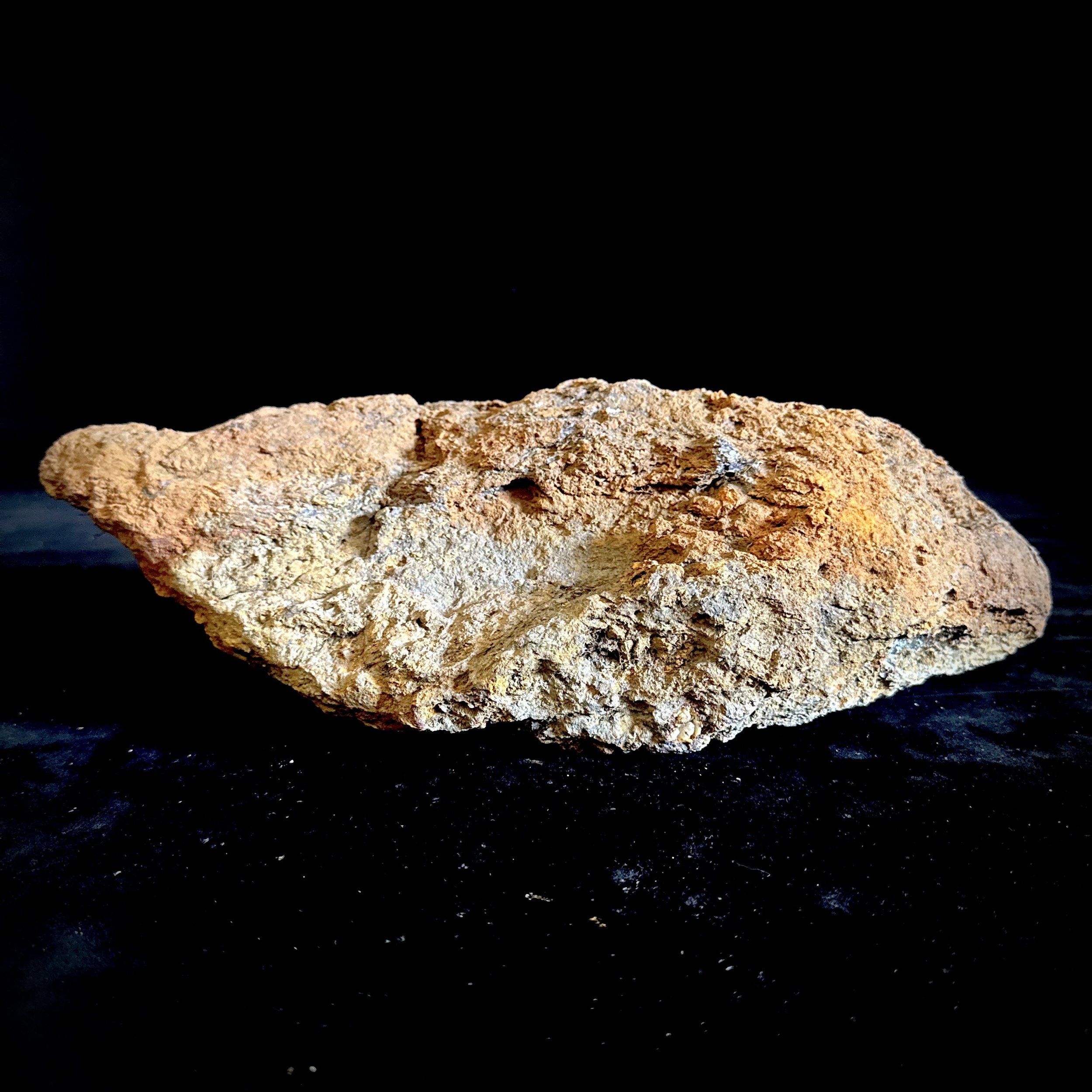 Image 2 of 9
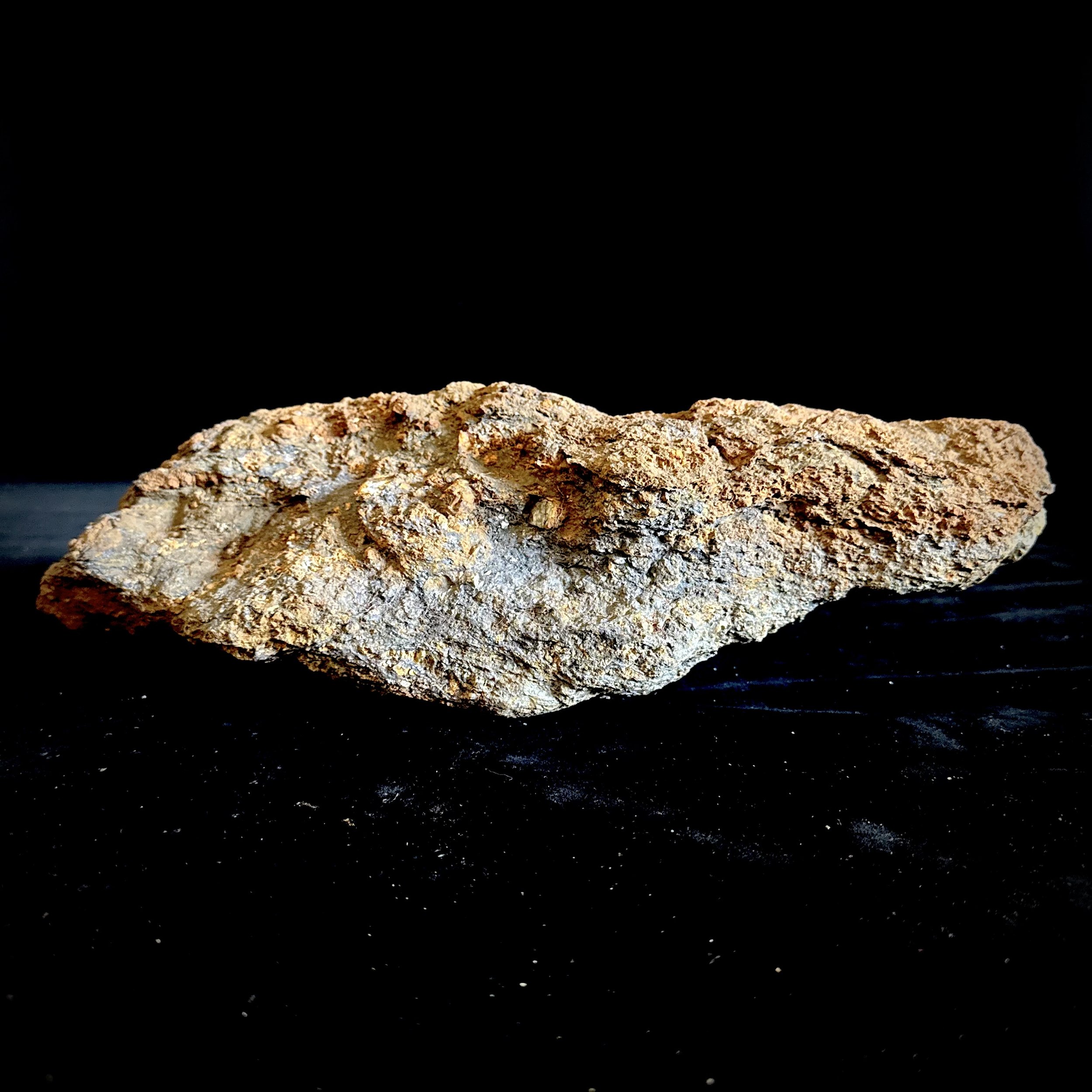 Image 3 of 9
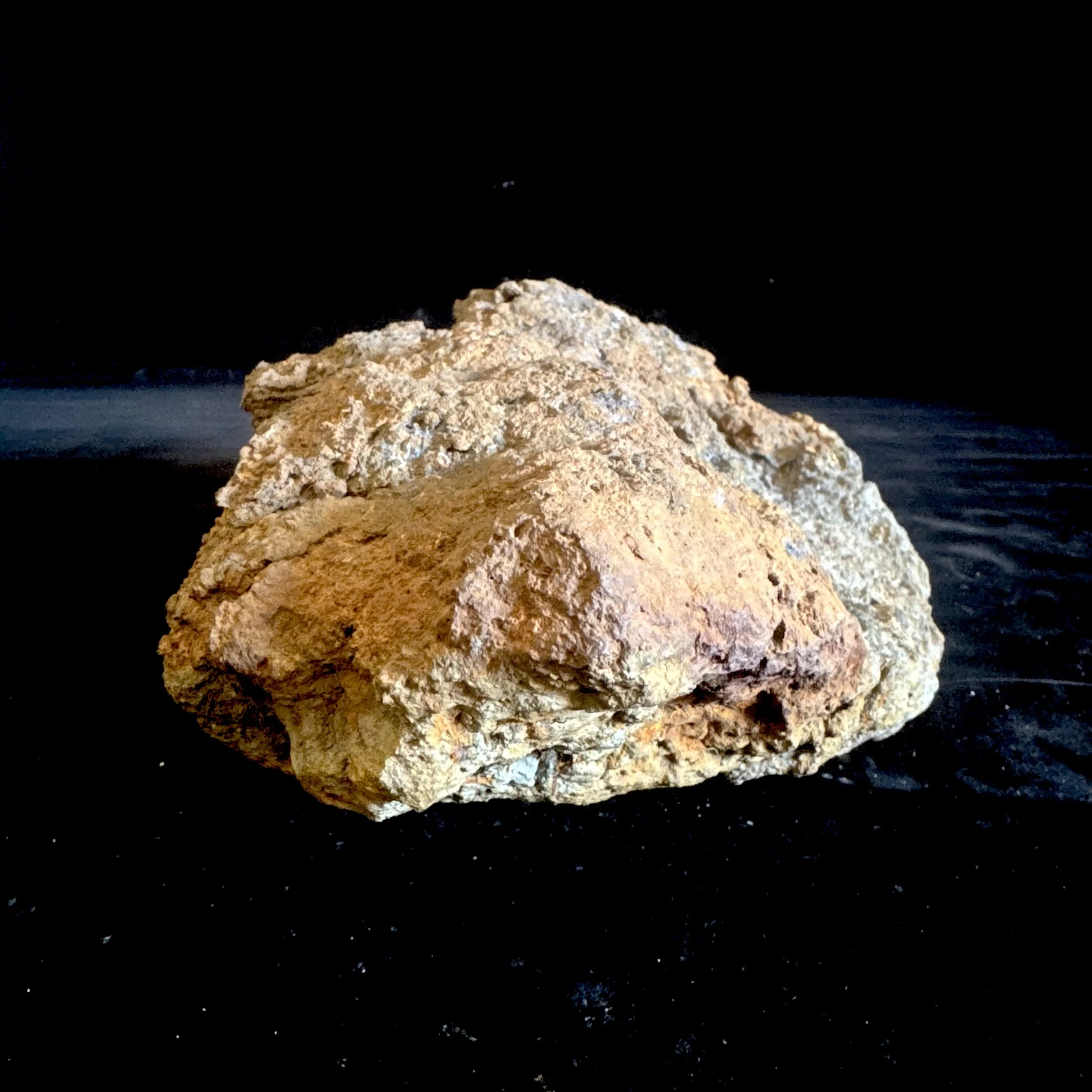 Image 4 of 9
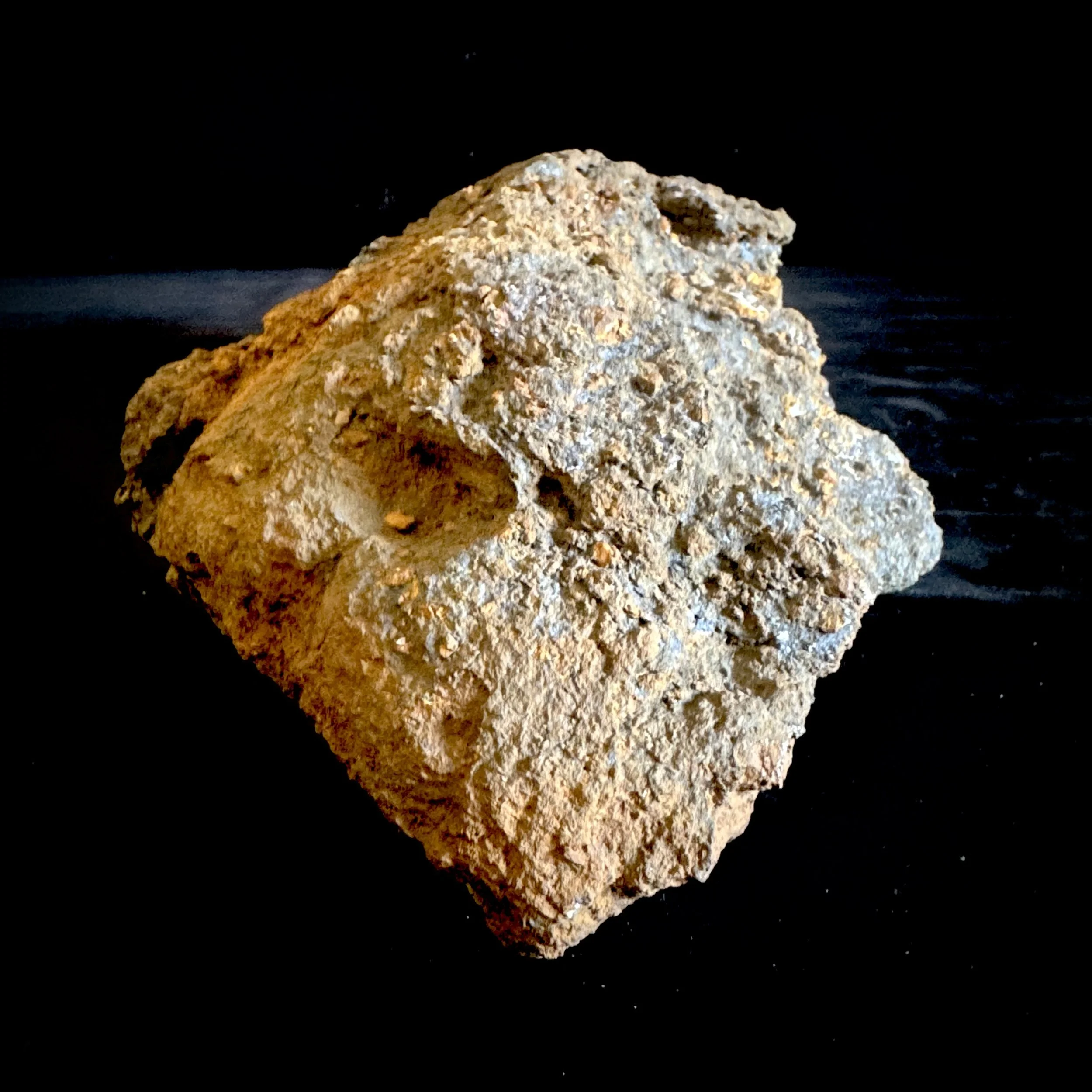 Image 5 of 9
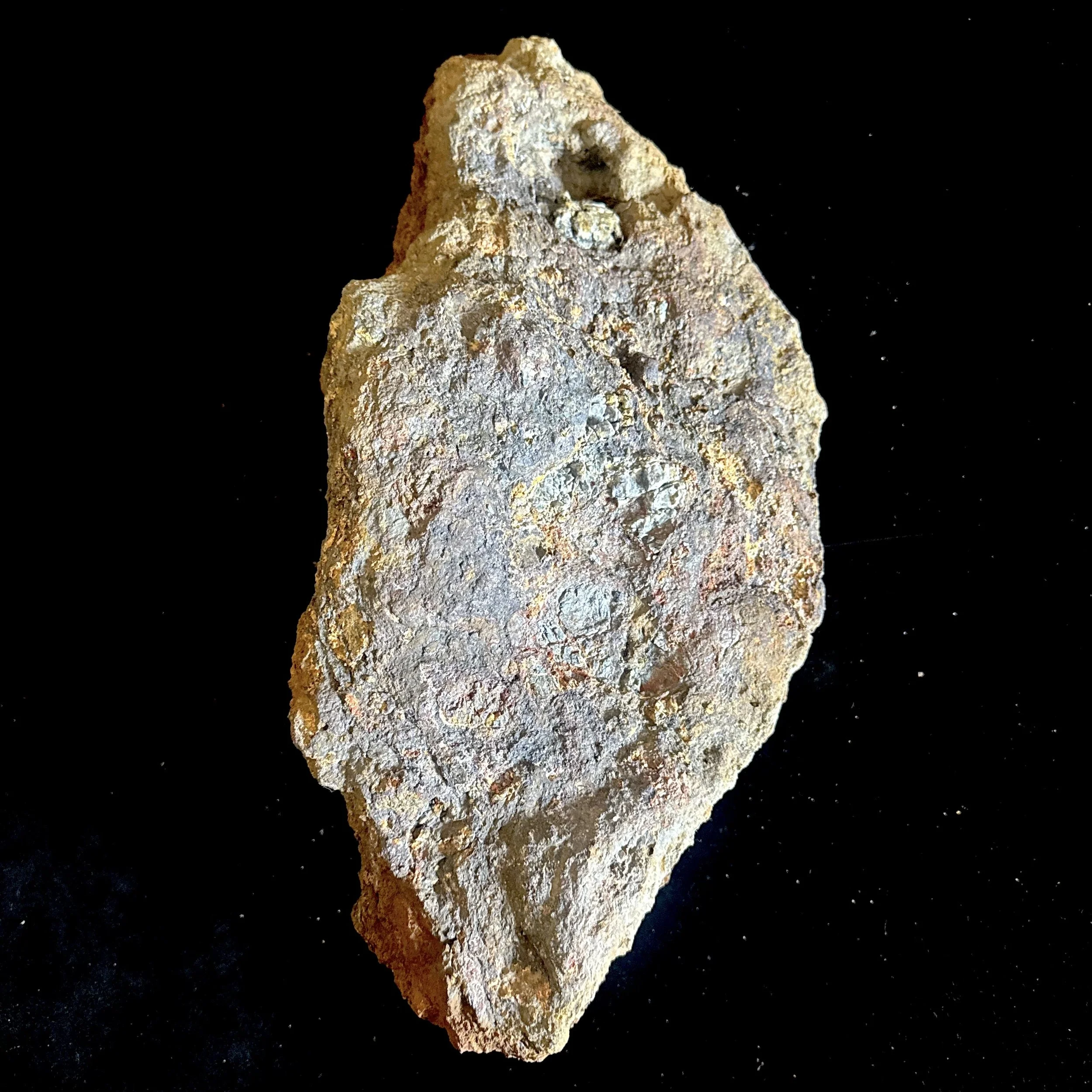 Image 6 of 9
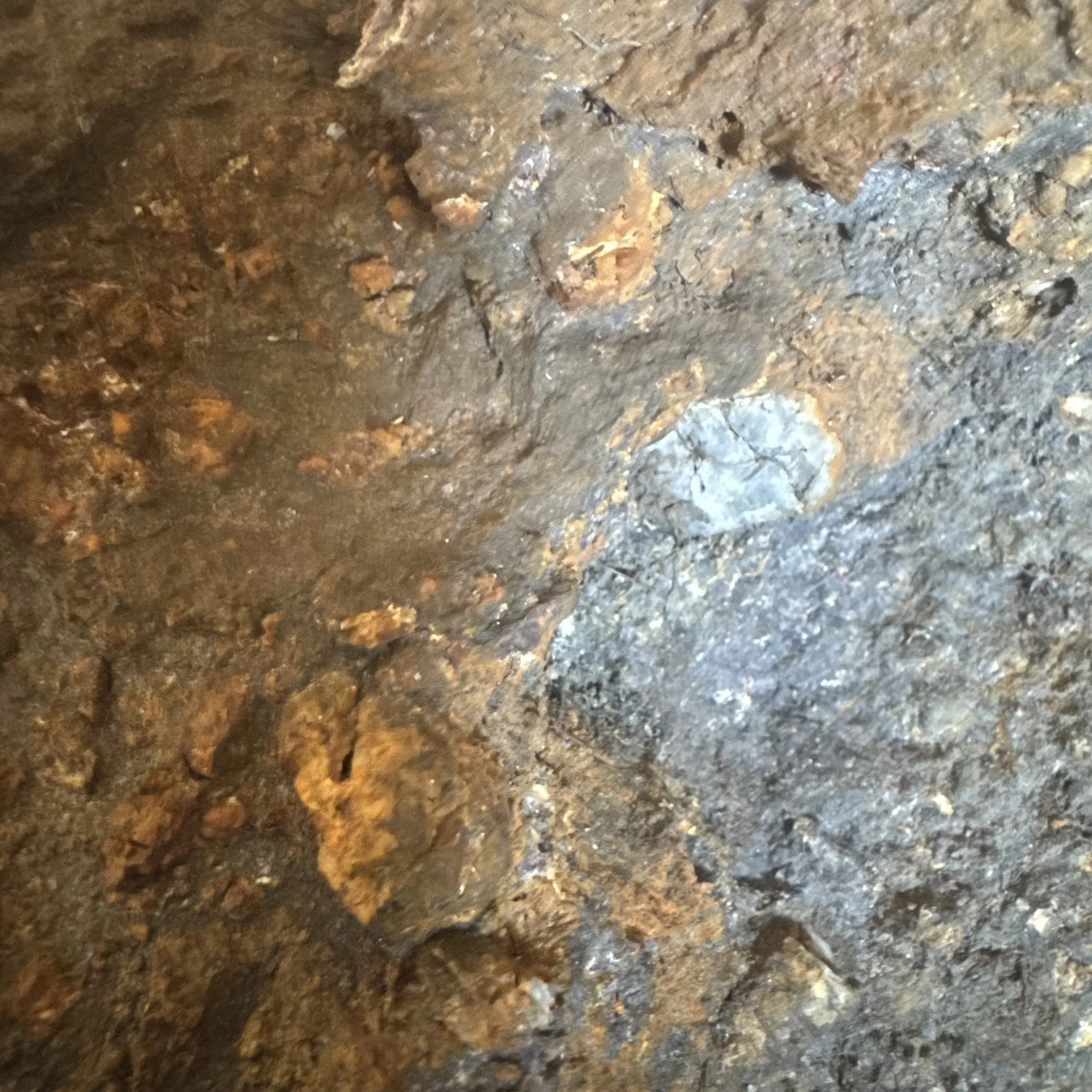 Image 7 of 9
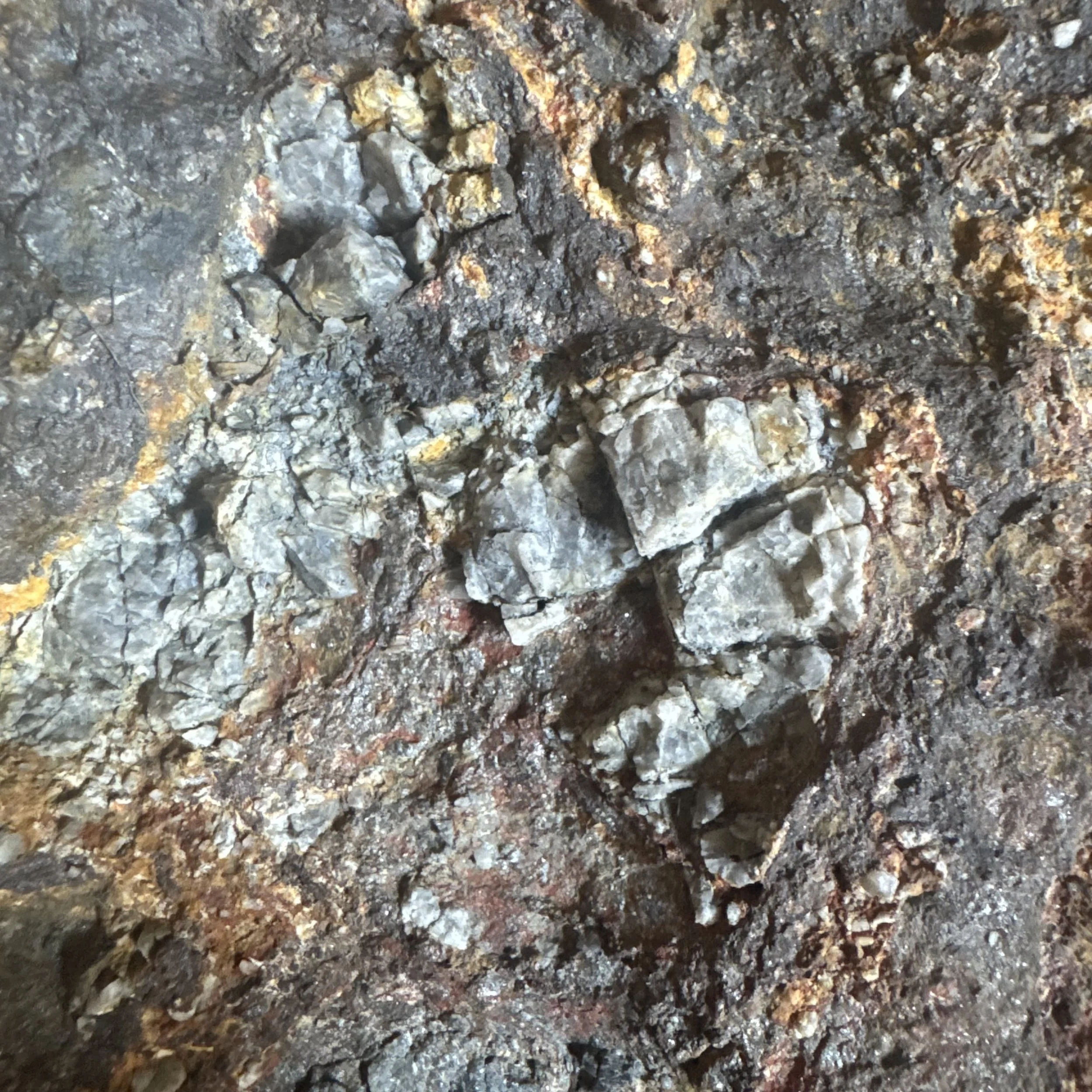 Image 8 of 9
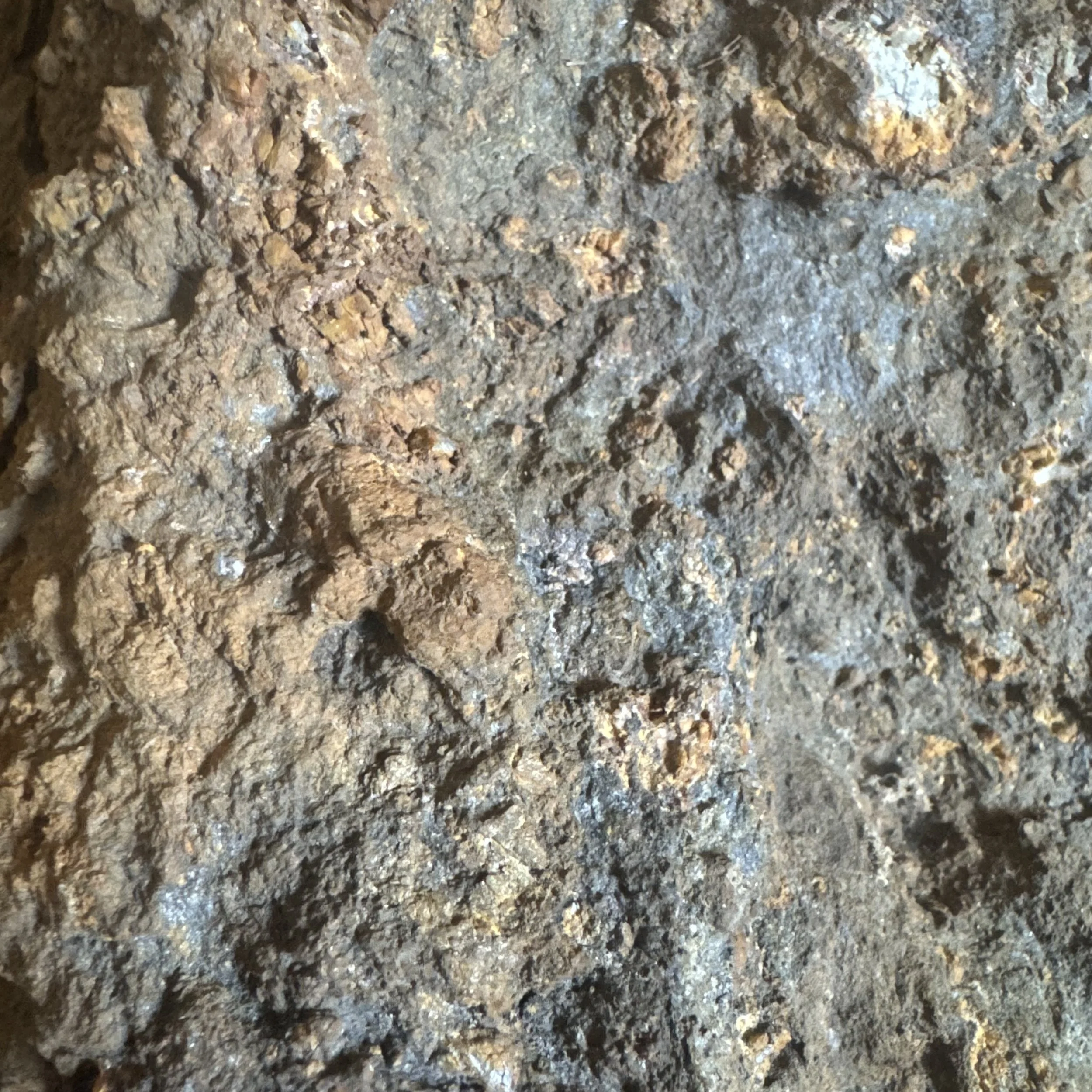 Image 9 of 9