PRIMARY INFO
Codex No.: A00033
Codex Tier: Titan — Engine Class
Rarity Index: 9.3/10
(Non-repeatable multi-phase reactor formation)
Availability: One of One — No replication possible
CORE STATEMENT
The Sanguine Engine Core A00033 does not imitate function.
It manifests it.
Within a dense iron-dominant quartz mass, pressure, fracture, and mineral flow have organized into a system that mirrors engineered logic —
A chamber. A circulation. A dispersion.
This is not resemblance. This is alignment between matter and behavior.
This is not structure. This is function.
This is not stillness. This is contained motion.
PHYSICAL SPECIFICATIONS
Weight: 32.591 kg
Dimension:
Width: 35.5 cm
Length: 37.5 cm
Height: 22 cm
ORIGIN
Source / Origin: River-adjacent mineral zone (“Gate Zone”) — Rayong, Thailand
Formation / Process:
Formed through multi-phase geological evolution involving iron-rich groundwater flow, quartz deposition, sediment pressure, and cyclical oxidation.
A localized cavity system developed through pressure release and mineral-fluid circulation, allowing secondary crystallization (druzy silica) to form within internal chambers.
Directional iron oxidation patterns indicate fluid movement pathways, preserved within the structure as flow records.
Era / Estimated Age: Millions of years
(Exact dating undefined — classified as Primordial Natural Formation)
MATERIAL COMPOSITION
Iron Oxides (Hematite / Goethite dominant) — Approx. 40–55%
Quartz (SiO₂) — Approx. 20–30%
Secondary Druzy Silica Crystallization — Approx. 8–12%
Weathered Host Matrix — Approx. 10–15%
Residual Mineral Inclusions — Approx. 2–5%
Iron-dominant quartz system exhibiting multi-phase mineral evolution with cavity formation and internal crystallization.
Directional oxidation patterns suggest fluid-driven mineral transport, while druzy development indicates late-stage crystallization within pressure-relieved voids.
REMARK: Composition is visually estimated based on observable surface and structural characteristics. Laboratory confirmation not yet conducted.
ARTISTIC VALUE
Engine Core Chamber — “Contained Origin”
A central druzy cavity functions as the focal point of the structure.
This is not absence of material — it is a defined internal chamber created by pressure release and mineral reorganization.
It draws the observer inward.
Bloodline Flow System — “Recorded Motion”
Iron oxidation patterns are directional and continuous.
They do not scatter randomly — they trace pathways.
These are not stains.
They are records of movement.
Radiating Crystal Fan — “Dispersive Expansion”
Internal crystalline structures expand outward from the chamber in fan-like formations.
These are not decorative growths.
They are structural responses to available space and pressure gradients.
Mechanical Housing — “Natural Engine Body”
The outer mass remains dense, cohesive, and structurally grounded.
It does not frame the system.
It contains it.
Mass Presence — “Power Containment”
At over 32 kg, the piece holds physical authority.
It does not project energy outward.
It contains it inward.
STRUCTURAL SCALE
Scale Classification: Titan Engine Formation (Large-Form Relic)
Formation Integrity:
Maintains strong structural cohesion despite internal cavity development, multi-phase crystallization, and heavy oxidation layering.
The integration of iron-rich mass, quartz pathways, and stabilized cavity zones reinforces internal balance, allowing the structure to retain both complexity and integrity without collapse.
Rarity Factor (Scale):
Large-scale formations containing:
Centralized cavity systems
Multi-pocket druzy crystallization
Directional mineral flow patterns
Preserved structural cohesion
are inherently unstable during formation and typically fragment over time.
The preservation of all these elements within a single intact mass indicates a rare convergence of formation, function, and survival.
FORM CLASSIFICATION — QUAD SYSTEM
A single formation expressing four functional states:
1. ENGINE CORE STATE (Generation)
Central chamber acts as structural origin point
2. FLOW STATE (Circulation)
Iron pathways define directional movement
3. FAN STATE (Distribution)
Crystal expansion disperses energy outward
4. MASS STATE (Containment)
Outer body stabilizes the entire system
This is not multi-angle perception.
This is a system revealing its phases.
MYTH
The structure appears static. But its internal logic suggests motion.
This formation reflects a deeper principle:
What is contained is not inactive. It is controlled.
Energy Signature: Stored motion. Circulating pressure. Structured containment.
Collector Note:
This artifact is not designed for immediate visual appeal.
It is designed for recognition — by those who understand systems, not surfaces.
Anantakala Codex Note:
A preserved engine-state formation. A record of pressure organized into function.
SPATIAL PRESENCE — “ACTIVE CORE FIELD”
Visual Dynamics
The central cavity introduces depth, tension, and internal focus.
The outer mass stabilizes the visual field, while the internal chamber disrupts it — creating a balance between containment and activation.
When positioned correctly:
The object does not sit in space.
It activates it.
Spatial Role
Secondary anchor (Power Axis)
Internal focal point generator
System-defining artifact within a collection
DISPLAY & EXPERIENCE
Display Recommendation:
This piece must be experienced through its core — not its surface.
Position the formation so that the chamber is visible and slightly angled toward the observer.
Recommended Lighting
Angled directional light into central cavity
Avoid flat frontal lighting
Allow shadow retention on outer mass
Effect:
Activates druzy reflections
Enhances depth within chamber
Creates perception of internal motion
Display Environment
Dark matte base (stone / black / raw wood)
Minimal surrounding objects
Stable support required (heavy-form structure)
Light does not illuminate this piece.
It activates it.
DISPLAY BASE
PHOTOGRAPHY NOTE
Natural fractures, cavity structures, and oxidation patterns are present
Druzy crystallization remains intact across multiple internal zones
Surface is raw and unaltered
No polishing or artificial enhancement applied
This piece is preserved in its original geological state
CONDITION NOTE
Natural fractures and cavity formations present
Multi-phase mineral layering intact
Iron oxidation visible across multiple zones
No structural modification or treatment performed
TRUST / AUTHORITY
Authentication: Verified and documented by Anantakala Art — Codex Registered Artifact A00033
Curation Note:
Selected not for appearance alone — but for structural intelligence and mineral behavior.
This piece represents a rare threshold condition:
Where formation transitions into function.
SHIPPING
Shipping available worldwide
Freight arrangement upon request
Due to weight (32.591 kg), shipping will be coordinated individually
HANDLING NOTE
LOGISTICS CLARITY
FINAL STATEMENT
This is not a decorative object.
This is a preserved geological system — where iron, quartz, pressure, and time have aligned into functional structure.
It does not simplify itself for observation.
It maintains complexity without collapse.
What appears chaotic is organized.
What appears still is active.
This formation does not represent energy.
It contains it.
PRIMARY INFO
Codex No.: A00033
Codex Tier: Titan — Engine Class
Rarity Index: 9.3/10
(Non-repeatable multi-phase reactor formation)
Availability: One of One — No replication possible
CORE STATEMENT
The Sanguine Engine Core A00033 does not imitate function.
It manifests it.
Within a dense iron-dominant quartz mass, pressure, fracture, and mineral flow have organized into a system that mirrors engineered logic —
A chamber. A circulation. A dispersion.
This is not resemblance. This is alignment between matter and behavior.
This is not structure. This is function.
This is not stillness. This is contained motion.
PHYSICAL SPECIFICATIONS
Weight: 32.591 kg
Dimension:
Width: 35.5 cm
Length: 37.5 cm
Height: 22 cm
ORIGIN
Source / Origin: River-adjacent mineral zone (“Gate Zone”) — Rayong, Thailand
Formation / Process:
Formed through multi-phase geological evolution involving iron-rich groundwater flow, quartz deposition, sediment pressure, and cyclical oxidation.
A localized cavity system developed through pressure release and mineral-fluid circulation, allowing secondary crystallization (druzy silica) to form within internal chambers.
Directional iron oxidation patterns indicate fluid movement pathways, preserved within the structure as flow records.
Era / Estimated Age: Millions of years
(Exact dating undefined — classified as Primordial Natural Formation)
MATERIAL COMPOSITION
Iron Oxides (Hematite / Goethite dominant) — Approx. 40–55%
Quartz (SiO₂) — Approx. 20–30%
Secondary Druzy Silica Crystallization — Approx. 8–12%
Weathered Host Matrix — Approx. 10–15%
Residual Mineral Inclusions — Approx. 2–5%
Iron-dominant quartz system exhibiting multi-phase mineral evolution with cavity formation and internal crystallization.
Directional oxidation patterns suggest fluid-driven mineral transport, while druzy development indicates late-stage crystallization within pressure-relieved voids.
REMARK: Composition is visually estimated based on observable surface and structural characteristics. Laboratory confirmation not yet conducted.
ARTISTIC VALUE
Engine Core Chamber — “Contained Origin”
A central druzy cavity functions as the focal point of the structure.
This is not absence of material — it is a defined internal chamber created by pressure release and mineral reorganization.
It draws the observer inward.
Bloodline Flow System — “Recorded Motion”
Iron oxidation patterns are directional and continuous.
They do not scatter randomly — they trace pathways.
These are not stains.
They are records of movement.
Radiating Crystal Fan — “Dispersive Expansion”
Internal crystalline structures expand outward from the chamber in fan-like formations.
These are not decorative growths.
They are structural responses to available space and pressure gradients.
Mechanical Housing — “Natural Engine Body”
The outer mass remains dense, cohesive, and structurally grounded.
It does not frame the system.
It contains it.
Mass Presence — “Power Containment”
At over 32 kg, the piece holds physical authority.
It does not project energy outward.
It contains it inward.
STRUCTURAL SCALE
Scale Classification: Titan Engine Formation (Large-Form Relic)
Formation Integrity:
Maintains strong structural cohesion despite internal cavity development, multi-phase crystallization, and heavy oxidation layering.
The integration of iron-rich mass, quartz pathways, and stabilized cavity zones reinforces internal balance, allowing the structure to retain both complexity and integrity without collapse.
Rarity Factor (Scale):
Large-scale formations containing:
Centralized cavity systems
Multi-pocket druzy crystallization
Directional mineral flow patterns
Preserved structural cohesion
are inherently unstable during formation and typically fragment over time.
The preservation of all these elements within a single intact mass indicates a rare convergence of formation, function, and survival.
FORM CLASSIFICATION — QUAD SYSTEM
A single formation expressing four functional states:
1. ENGINE CORE STATE (Generation)
Central chamber acts as structural origin point
2. FLOW STATE (Circulation)
Iron pathways define directional movement
3. FAN STATE (Distribution)
Crystal expansion disperses energy outward
4. MASS STATE (Containment)
Outer body stabilizes the entire system
This is not multi-angle perception.
This is a system revealing its phases.
MYTH
The structure appears static. But its internal logic suggests motion.
This formation reflects a deeper principle:
What is contained is not inactive. It is controlled.
Energy Signature: Stored motion. Circulating pressure. Structured containment.
Collector Note:
This artifact is not designed for immediate visual appeal.
It is designed for recognition — by those who understand systems, not surfaces.
Anantakala Codex Note:
A preserved engine-state formation. A record of pressure organized into function.
SPATIAL PRESENCE — “ACTIVE CORE FIELD”
Visual Dynamics
The central cavity introduces depth, tension, and internal focus.
The outer mass stabilizes the visual field, while the internal chamber disrupts it — creating a balance between containment and activation.
When positioned correctly:
The object does not sit in space.
It activates it.
Spatial Role
Secondary anchor (Power Axis)
Internal focal point generator
System-defining artifact within a collection
DISPLAY & EXPERIENCE
Display Recommendation:
This piece must be experienced through its core — not its surface.
Position the formation so that the chamber is visible and slightly angled toward the observer.
Recommended Lighting
Angled directional light into central cavity
Avoid flat frontal lighting
Allow shadow retention on outer mass
Effect:
Activates druzy reflections
Enhances depth within chamber
Creates perception of internal motion
Display Environment
Dark matte base (stone / black / raw wood)
Minimal surrounding objects
Stable support required (heavy-form structure)
Light does not illuminate this piece.
It activates it.
DISPLAY BASE
PHOTOGRAPHY NOTE
Natural fractures, cavity structures, and oxidation patterns are present
Druzy crystallization remains intact across multiple internal zones
Surface is raw and unaltered
No polishing or artificial enhancement applied
This piece is preserved in its original geological state
CONDITION NOTE
Natural fractures and cavity formations present
Multi-phase mineral layering intact
Iron oxidation visible across multiple zones
No structural modification or treatment performed
TRUST / AUTHORITY
Authentication: Verified and documented by Anantakala Art — Codex Registered Artifact A00033
Curation Note:
Selected not for appearance alone — but for structural intelligence and mineral behavior.
This piece represents a rare threshold condition:
Where formation transitions into function.
SHIPPING
Shipping available worldwide
Freight arrangement upon request
Due to weight (32.591 kg), shipping will be coordinated individually
HANDLING NOTE
LOGISTICS CLARITY
FINAL STATEMENT
This is not a decorative object.
This is a preserved geological system — where iron, quartz, pressure, and time have aligned into functional structure.
It does not simplify itself for observation.
It maintains complexity without collapse.
What appears chaotic is organized.
What appears still is active.
This formation does not represent energy.
It contains it.

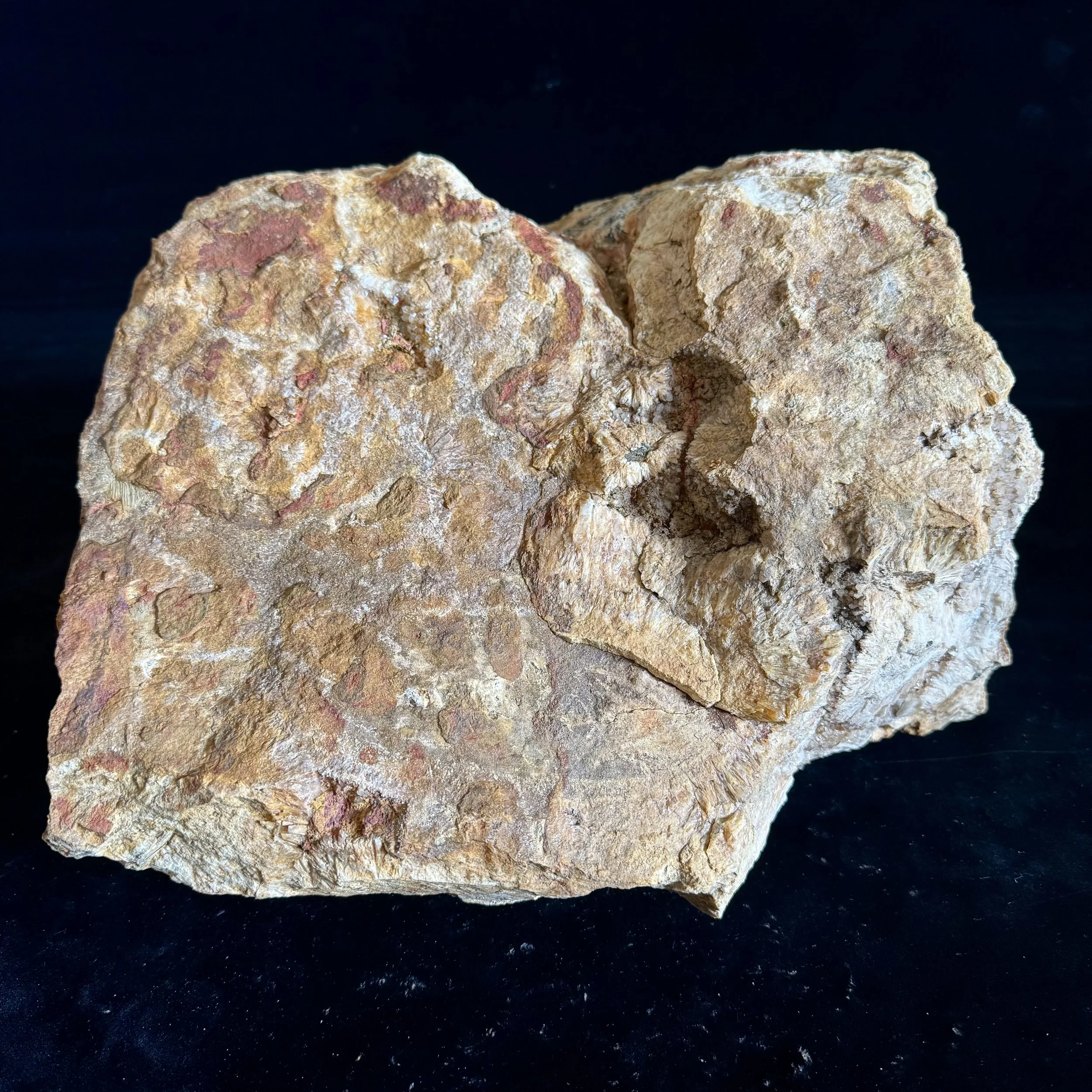 Image 1 of 18
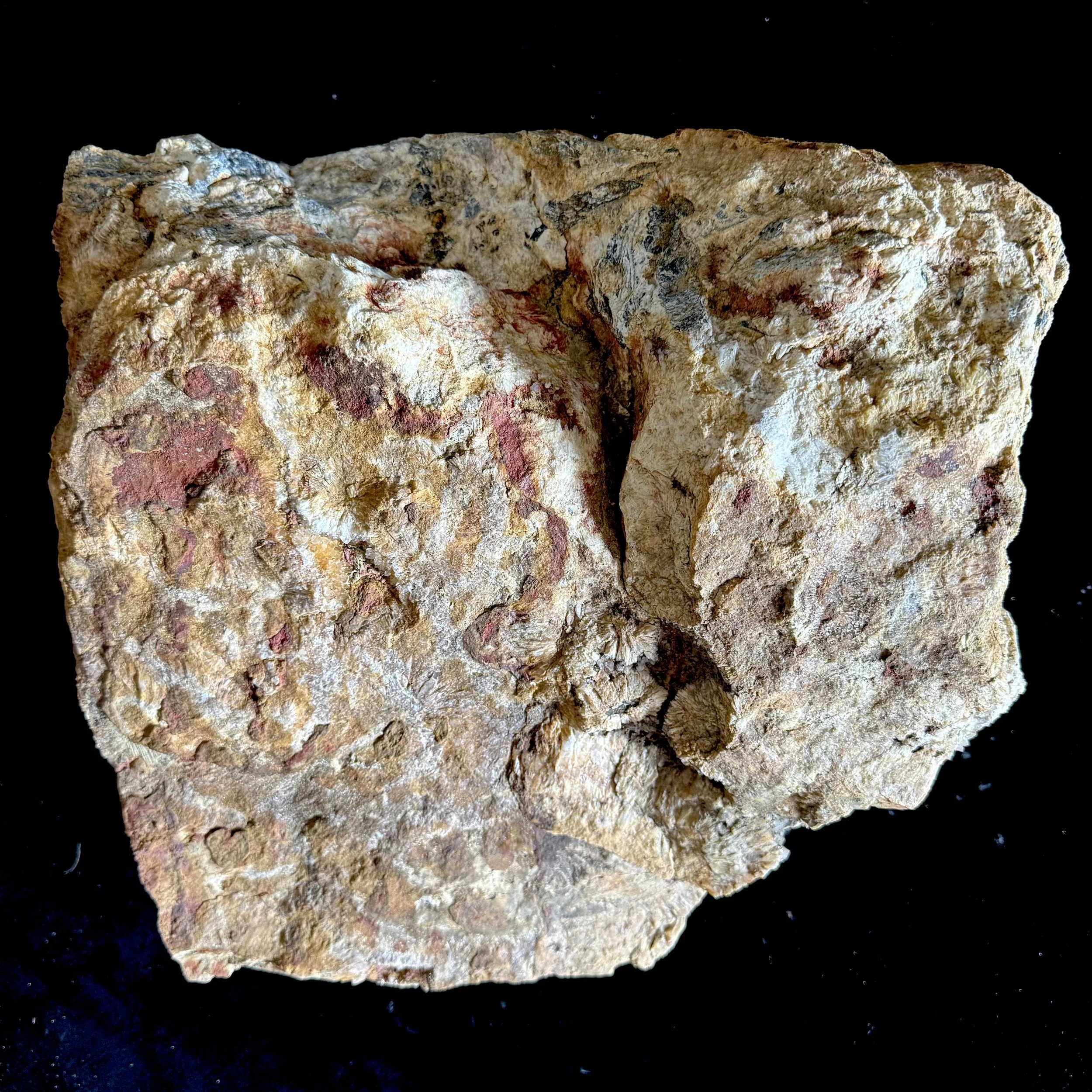 Image 2 of 18
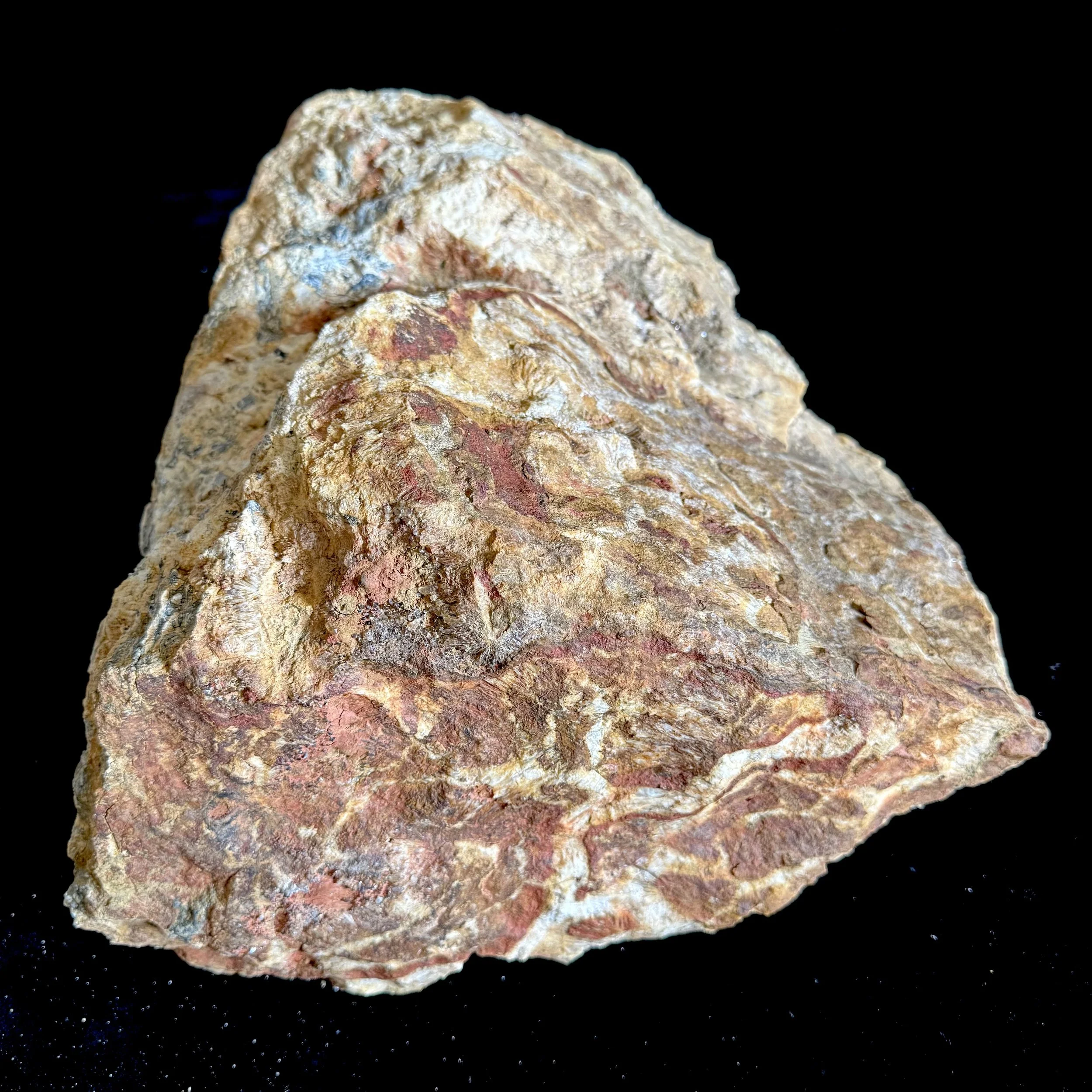 Image 3 of 18
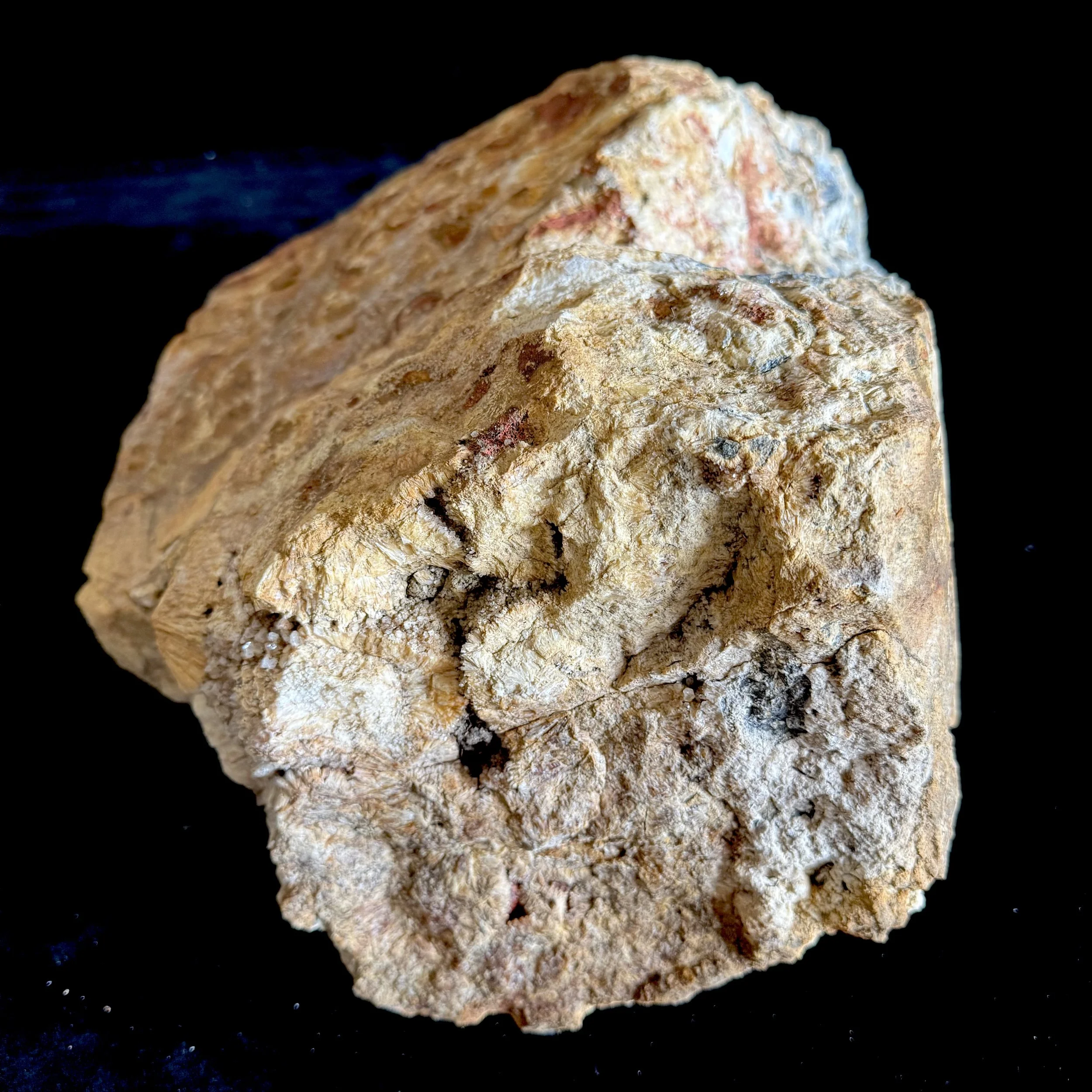 Image 4 of 18
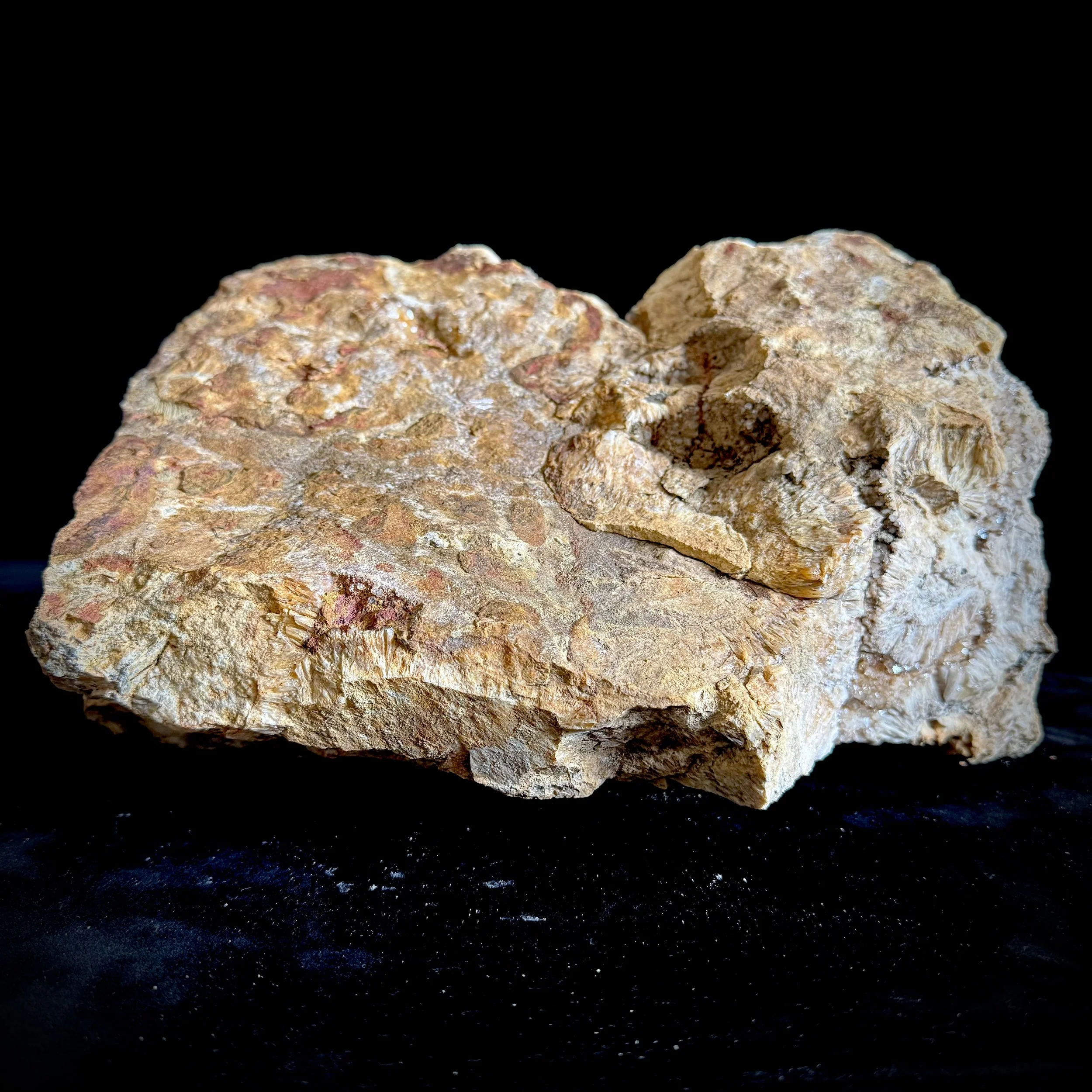 Image 5 of 18
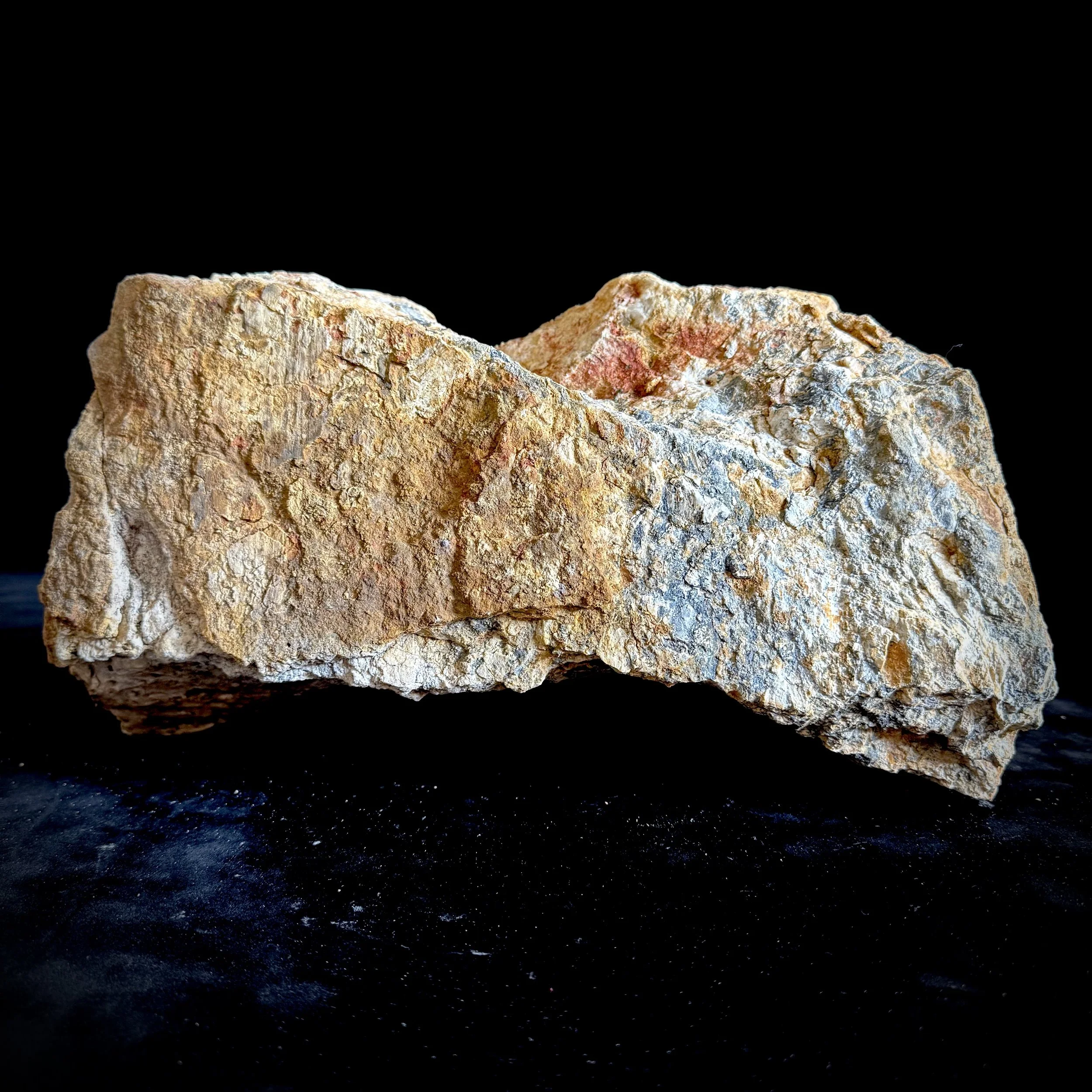 Image 6 of 18
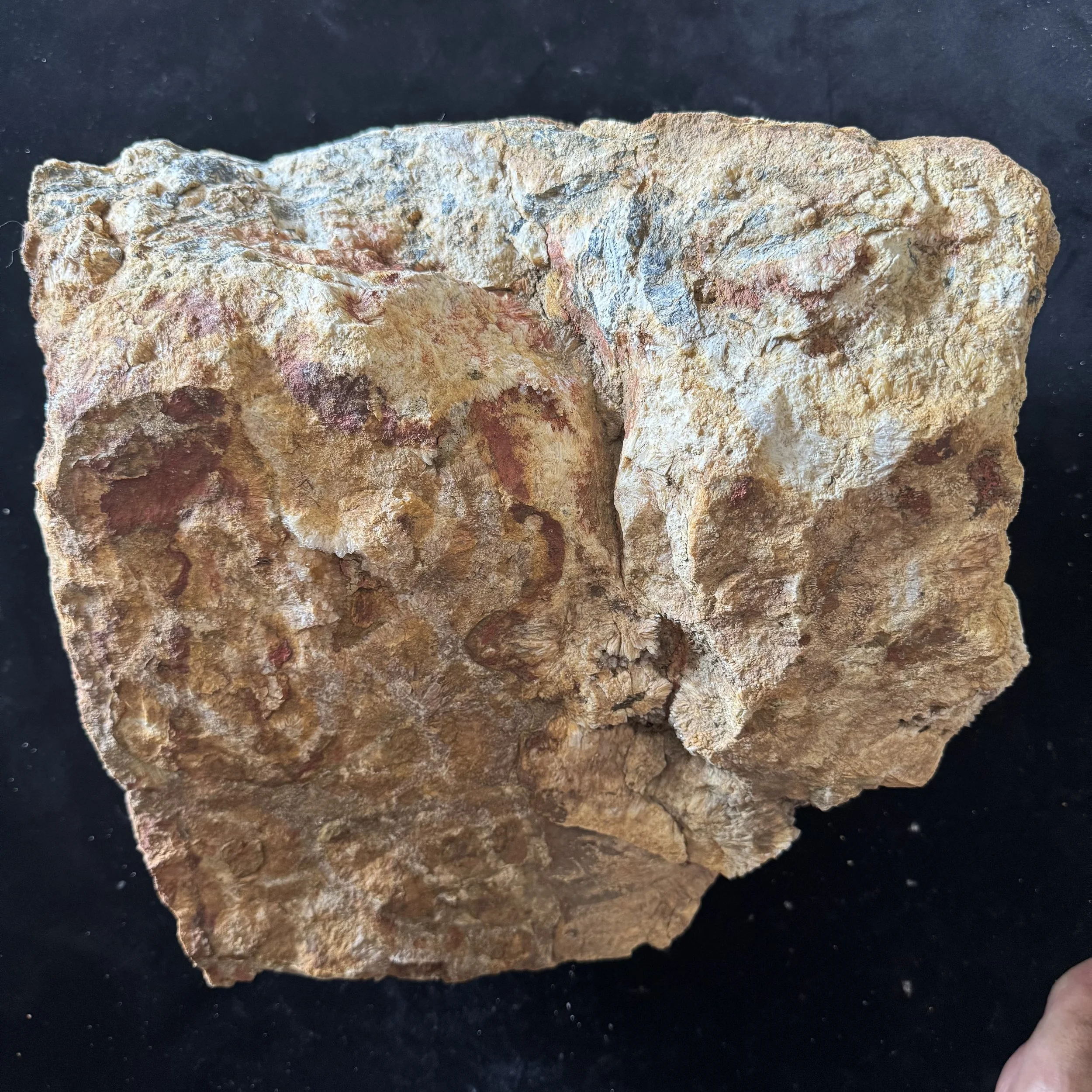 Image 7 of 18
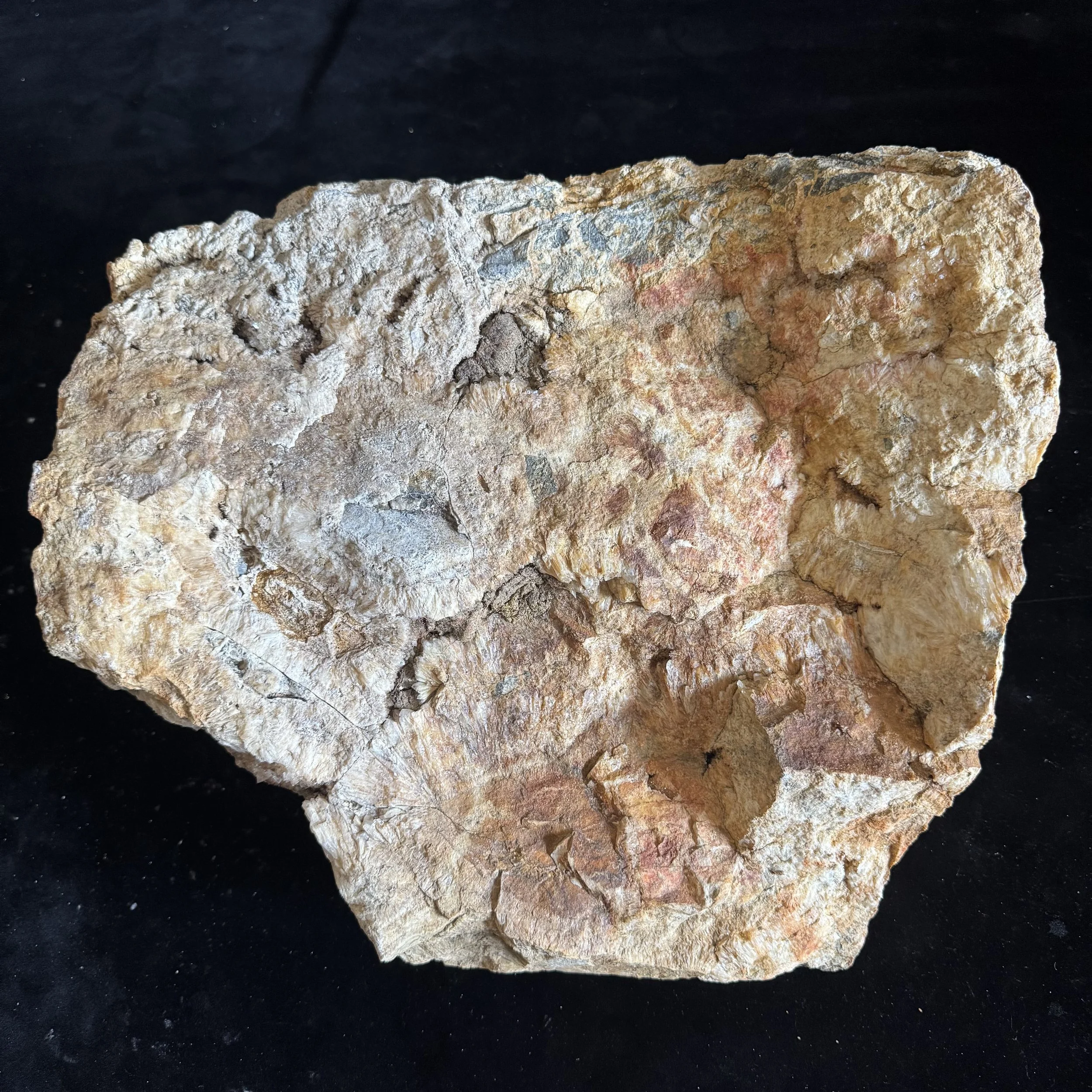 Image 8 of 18
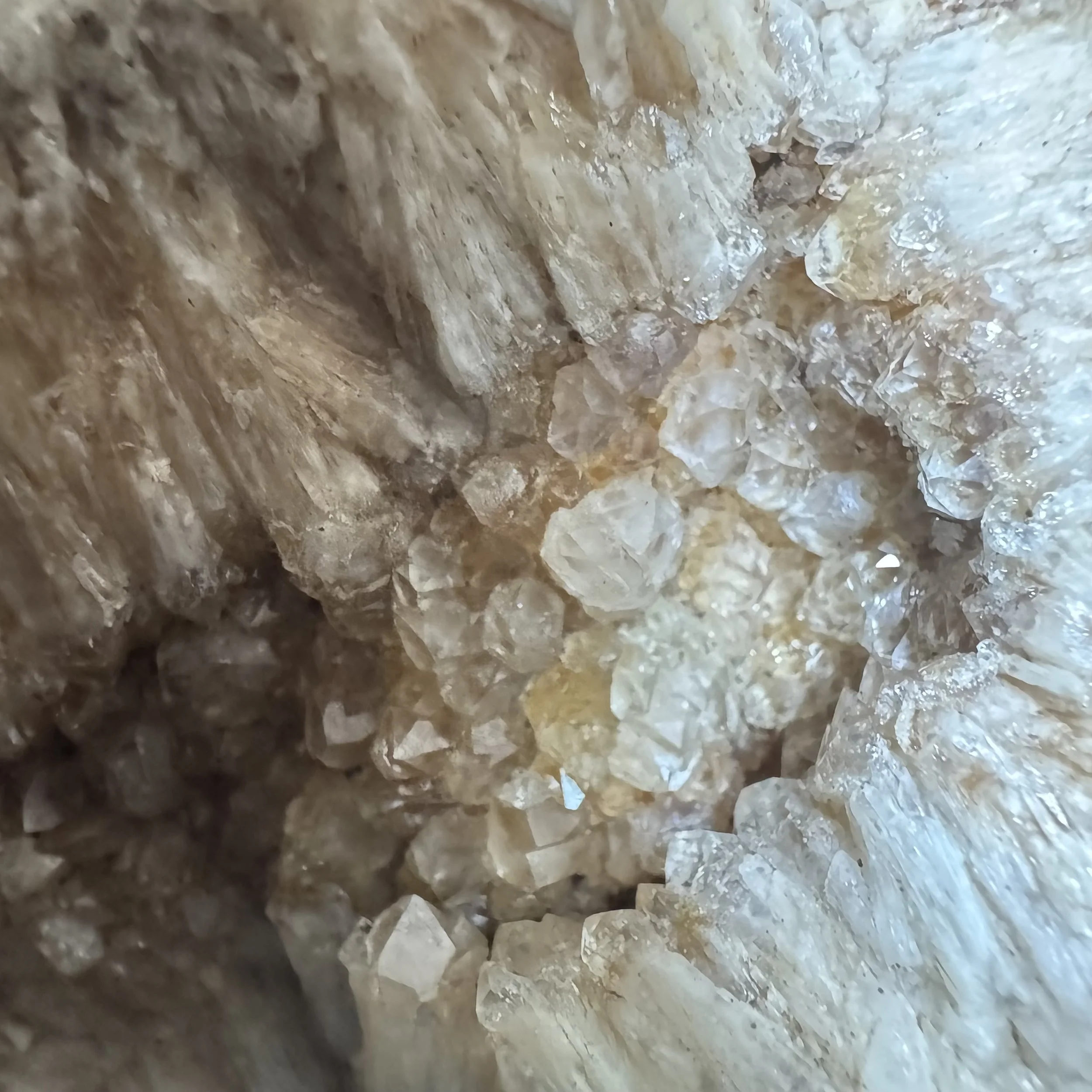 Image 9 of 18
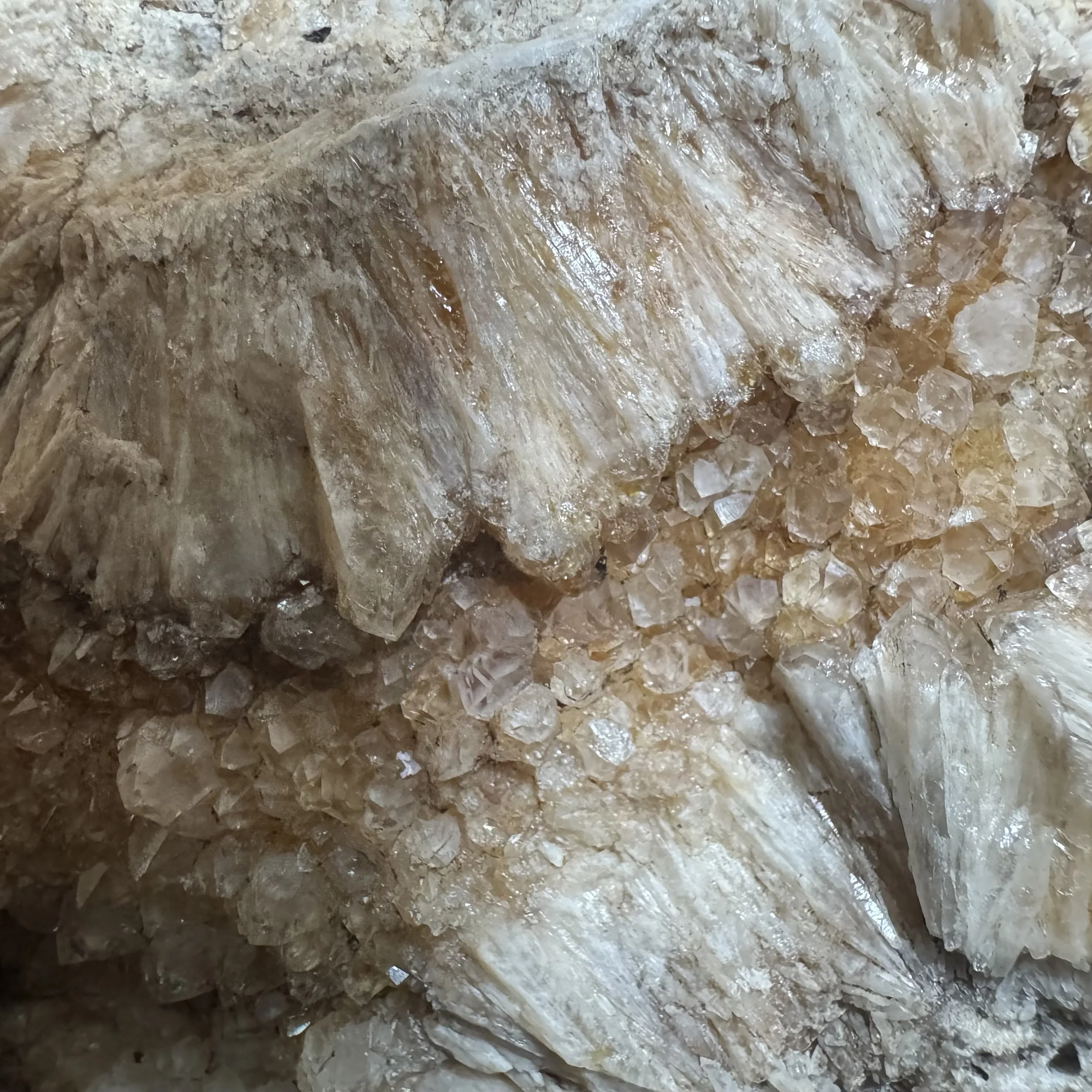 Image 10 of 18
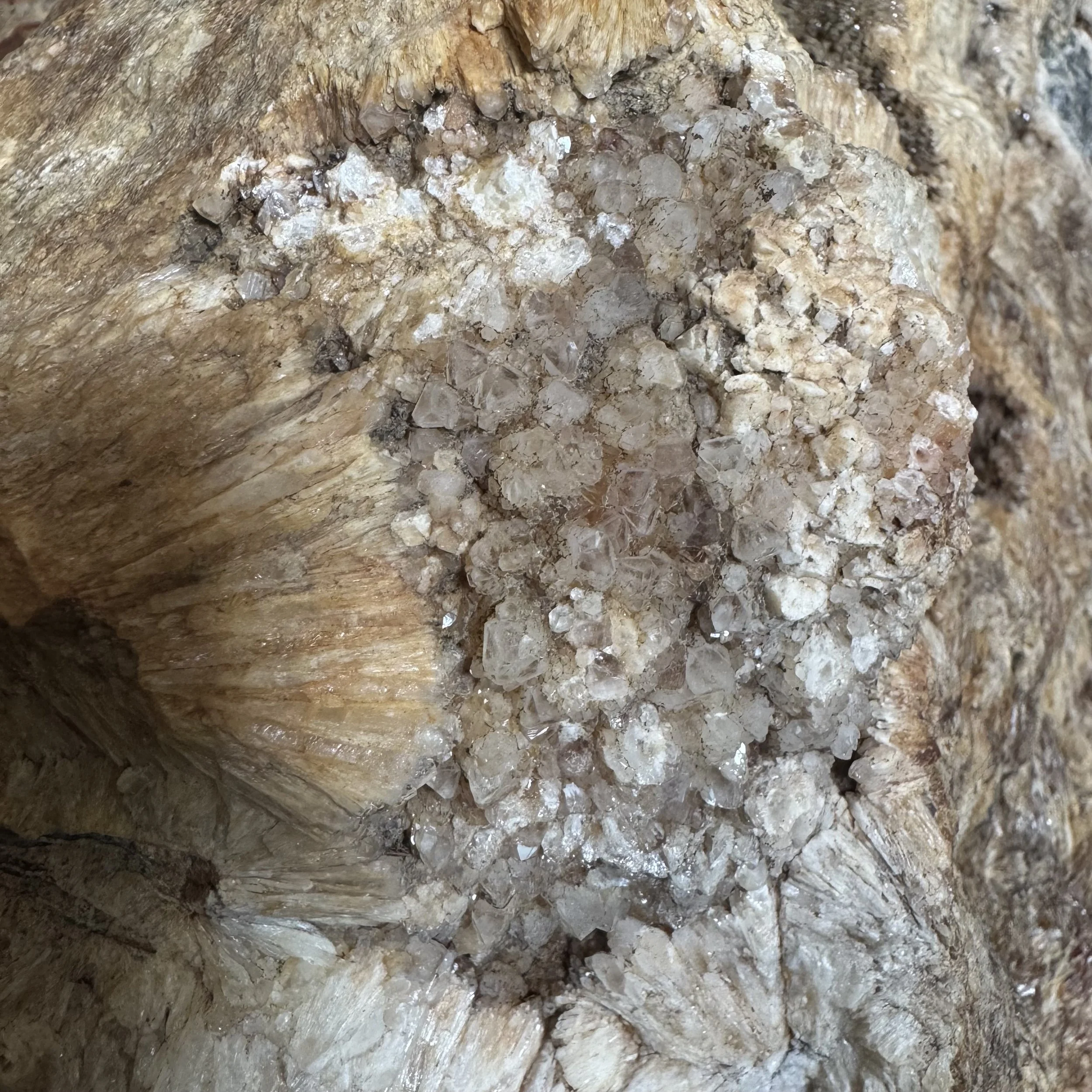 Image 11 of 18
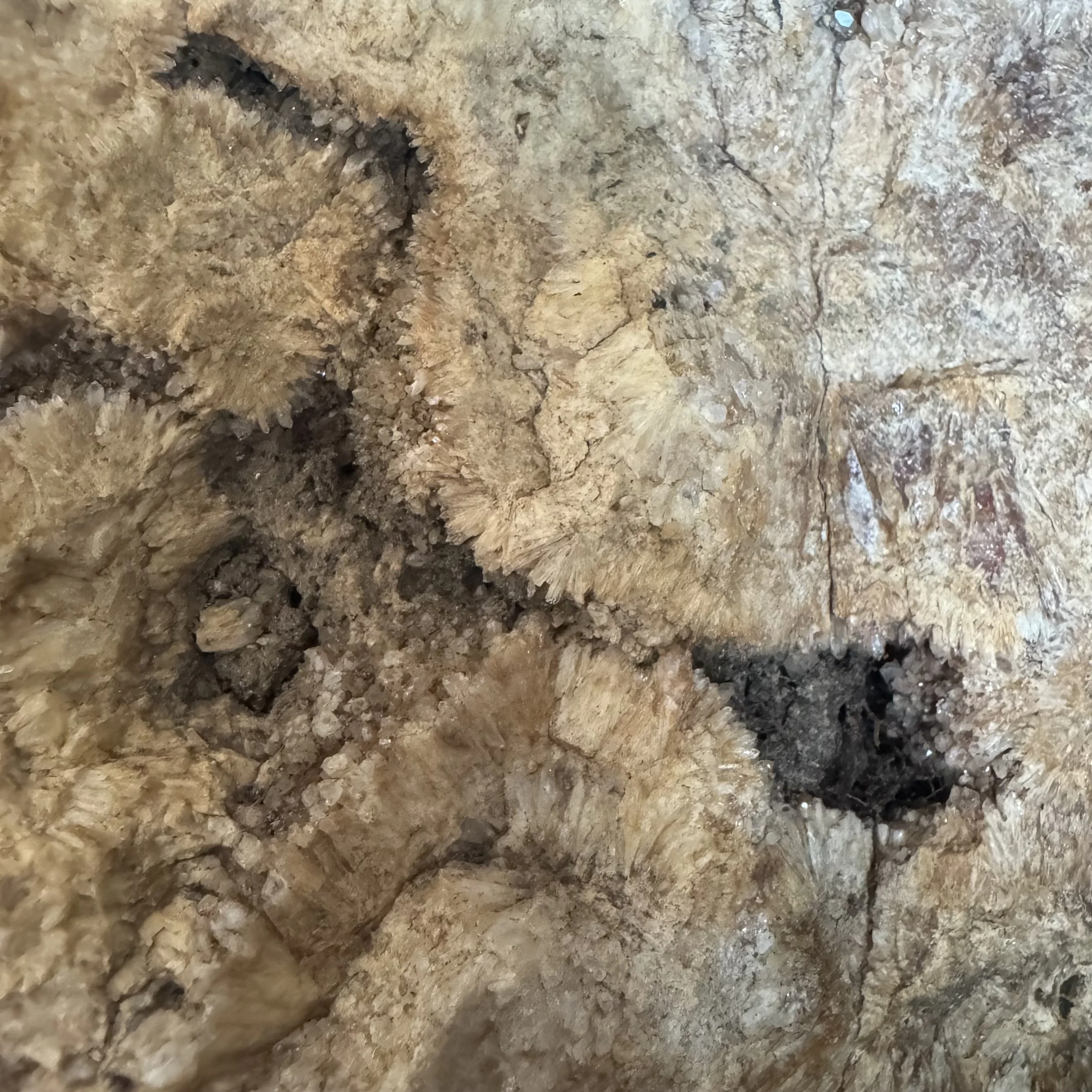 Image 12 of 18
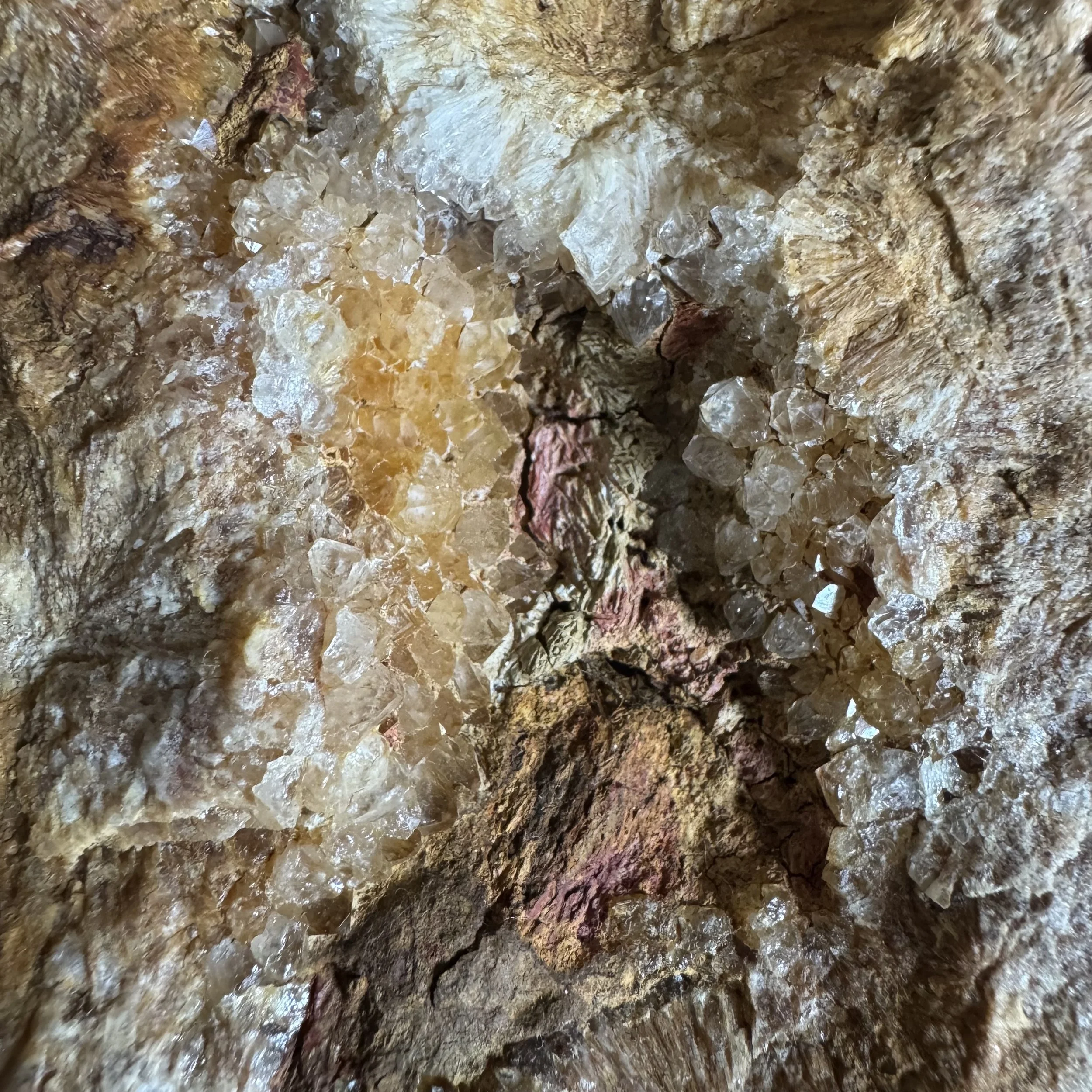 Image 13 of 18
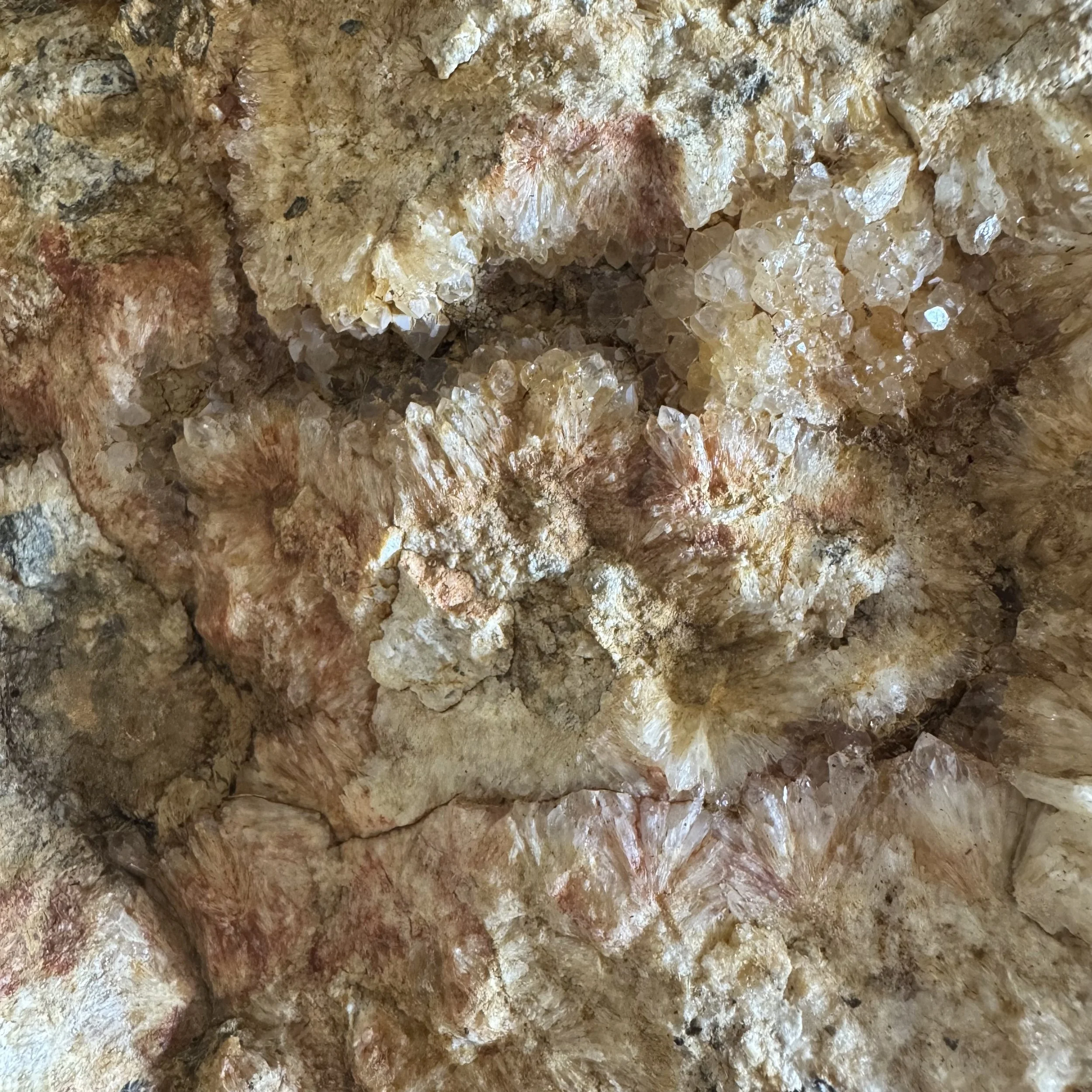 Image 14 of 18
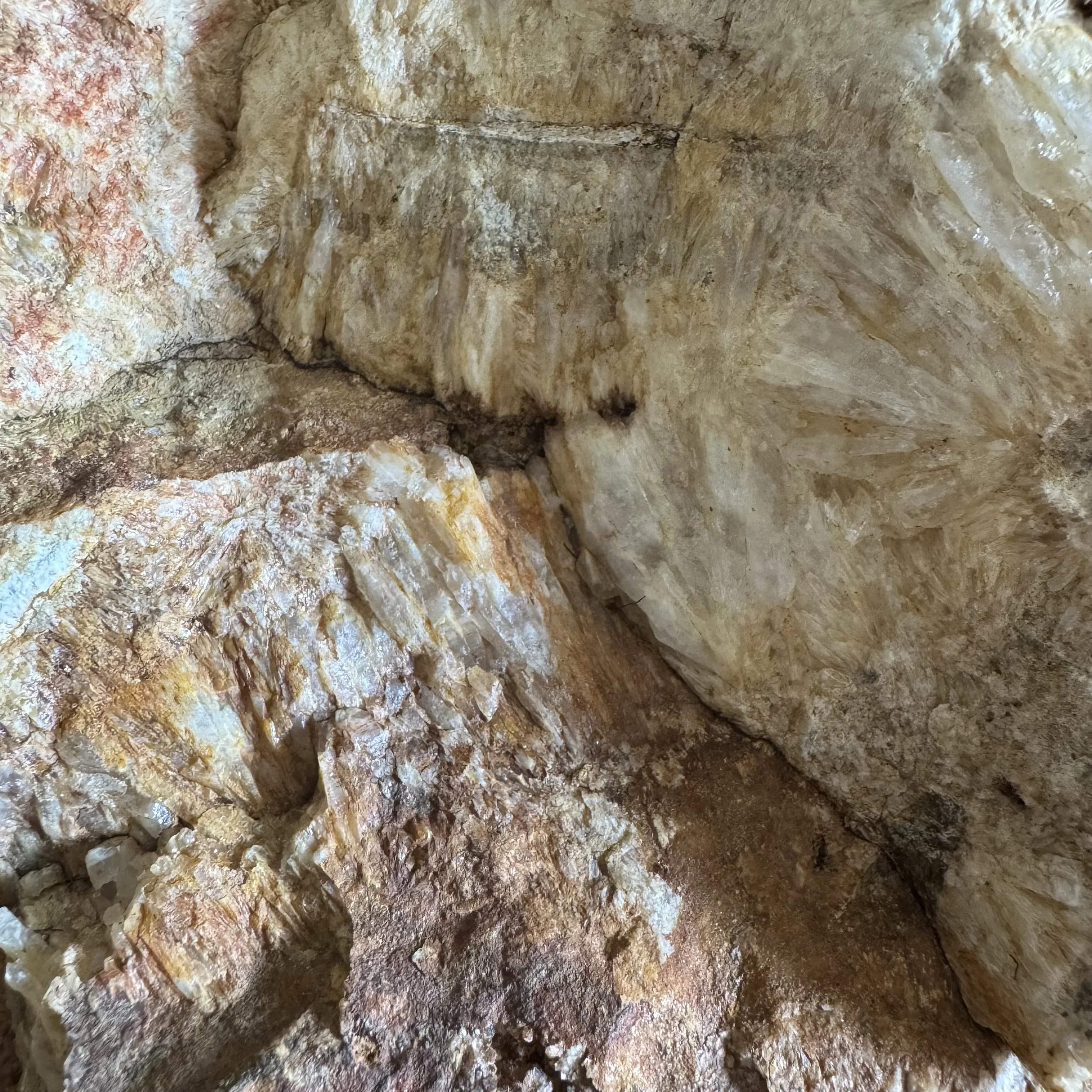 Image 15 of 18
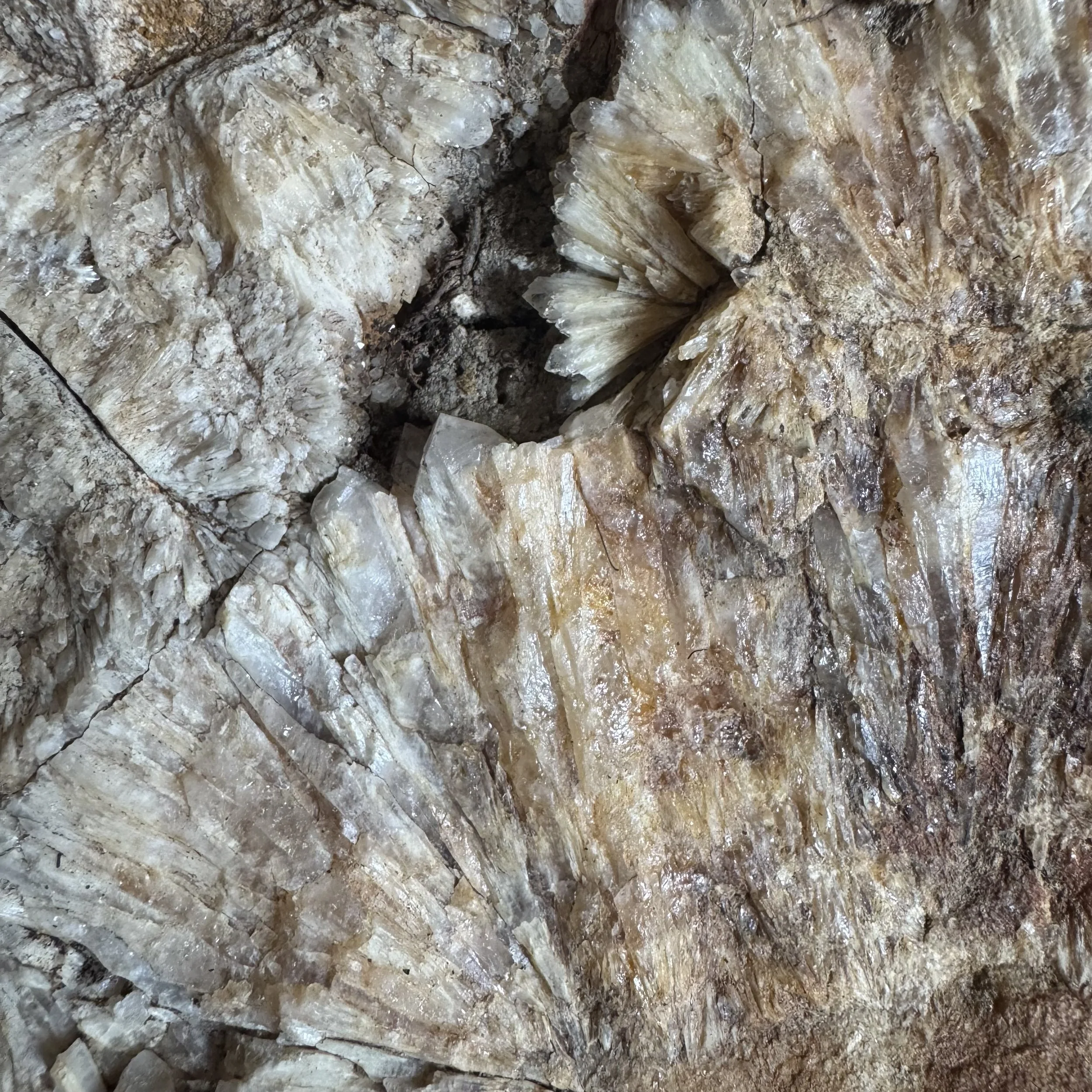 Image 16 of 18
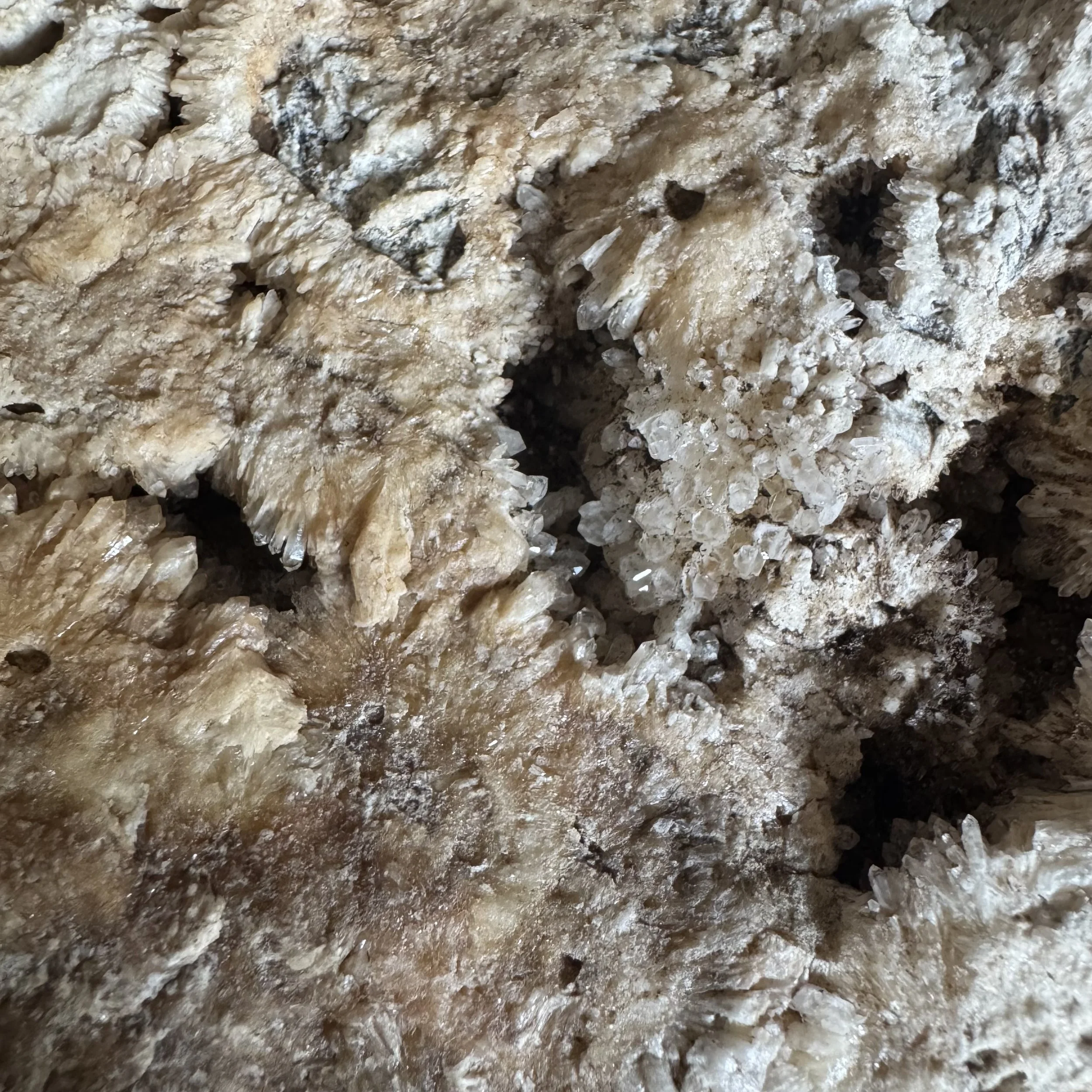 Image 17 of 18