PRIMARY INFO
Codex No.: A00035
Codex Tier: Titan — Pain-Core Class
Rarity Index: 9.2/10
(Non-repeatable chambered formation with central core anomaly)
Availability: One of One — No replication possible
CORE STATEMENT
The Agony-Vein Monolith does not merely appear fractured.
It remains open.
Within a dense quartz-fibrous mass marked by iron-rich infiltration, pressure, rupture, and mineral saturation have produced a chambered structure lined with druzy crystallization, radiating mineral fans, and one defining internal anomaly:
the Motherlode Core.
This is not a decorative formation. This is a preserved state of geological pressure that never fully closed.
A relic where rupture did not disappear — it mineralized.
PHYSICAL SPECIFICATIONS
ORIGIN
Source / Origin: Mineral-bearing field system — Rayong, Thailand
Formation / Process:
Formed through multi-phase mineral evolution involving quartz growth, iron-rich infiltration, fracture opening, and void-driven crystallization.
Structural rupture created recessed chamber systems that remained open long enough for secondary druzy growth and fibrous mineral development to occur across internal surfaces.
Localized nucleation within one primary chamber produced a distinct elevated crystalline node — the Motherlode Core.
Era / Estimated Age: Millions of years
(Exact dating undefined — classified as Primordial Natural Formation)
MATERIAL COMPOSITION
Quartz (SiO₂ dominant) — Approx. 30–40%
Druzy Crystalline Development — Approx. 10–18%
Fibrous / Radiating Mineral Growth — Approx. 20–30%
Iron Oxides (Hematite / Goethite staining) — Approx. 8–15%
Weathered Host Matrix — Approx. 10–15%
Residual Mineral Inclusions — Approx. 3–8%
Quartz-dominant chamber system with heavy internal crystallization, fibrous growth fans, and iron-saturated void architecture.
The structure indicates repeated mineral events rather than a single-stage formation, with crystal growth occurring across both chamber walls and localized internal nodes.
REMARK: Composition is visually estimated based on observable surface and structural characteristics. Laboratory confirmation not yet conducted.
ARTISTIC VALUE
Agony Vein Network — “Fracture Memory”
Iron-rich saturation forms red-brown pathways across the body and within rupture zones.
These are not decorative markings.
They are preserved records of force, infiltration, and structural stress.
Chambered Void System — “Open Pressure Architecture”
Multiple internal cavities define the piece through depth, shadow, and layered recession.
These are not hollow losses.
They are preserved chambers created by rupture that never fully sealed.
Druzy Saturation Field — “System-Wide Activation”
Druzy development is distributed across multiple internal zones rather than confined to one isolated pocket.
Crystal presence appears on edges, floors, inner walls, and recessed planes — indicating a fully active chamber environment.
Radiating Fan Structures — “Explosive Growth”
Fibrous mineral fans expand directionally from several internal zones.
Their blade-like spread introduces tension and visual aggression into the structure.
Quartz-Crystalline Clusters — “Pressure Anchors”
Denser crystalline masses interrupt the body at key points, reinforcing hierarchy and internal weight across the form.
THE MOTHERLODE CORE
Within a primary chamber lies the defining internal anomaly:
A rounded, raised nodular mass fully encrusted in dense druzy crystal.
This is the Motherlode Core.
Characteristics:
Elevated from the chamber surface
Fully wrapped in druzy micro-crystals
Distinct from wall-grown crystal layers
Positioned as a central node inside the void
Geological Implication:
A localized nucleation center where mineral growth concentrated into a self-contained structure.
This is not passive chamber lining. This is active internal formation.
STRUCTURAL SCALE
Scale Classification: Titan Class — Chambered Pain-Core Formation
Formation Integrity:
Maintains strong overall cohesion despite deep internal voids, heavy fracture expression, and multi-phase mineral development.
The structure has preserved its chamber architecture, fibrous growth systems, and internal crystal hierarchy without major collapse.
Rarity Factor (Scale):
Large formations containing:
multiple deep internal voids
broad druzy distribution
radiating fibrous fan systems
preserved open-fracture architecture
a central nodular crystalline core
are rare due to instability during geological development.
The preservation of all these elements within one intact mass indicates exceptional structural survival.
PRIMARY FORM IDENTITY
This piece does not resolve into a clean symbolic silhouette.
Its identity is emotional — but grounded in structure:
rupture
tension
exposure
persistence
It feels like something that has been broken — but refused to collapse.
The name is not metaphor. It is observation.
MYTH
The rupture remained open. The pressure did not end.
And within that unresolved state — something formed.
This relic reflects a deeper truth:
Value does not always emerge after damage.
Sometimes it emerges inside it.
Energy Signature: Tension retained. Void activated. Internal value formed under sustained pressure.
Collector Note:
This artifact is not designed for immediate comprehension.
It is designed for prolonged recognition — by collectors who understand the gravity of structures that transform fracture into hierarchy.
Anantakala Codex Note:
A preserved pain-core formation. A record of rupture becoming internal genesis.
SPATIAL PRESENCE — “PAIN AUTHORITY”
Visual Gravity
The chamber system creates inward pull rather than outward projection.
Shadow depth, fracture lines, and internal crystalline development produce a psychological sense of tension held in suspension.
When positioned correctly:
The object does not decorate space.
It alters its emotional weight.
Spatial Role
DISPLAY & EXPERIENCE
Display Recommendation:
This piece should be experienced through the rupture first, then the chamber, then the core.
Its correct reading is sequential — not immediate.
Recommended Lighting — “Void Activation”
Angled directional lighting
Preserve internal shadow depth
Highlight druzy edges selectively
Avoid flat frontal illumination
Effect:
Display Environment
Matte black or dark neutral base
Negative space around object
Stable support required
Light should enter the pocket, not flatten the surface
Viewing Sequence
Locate the rupture
Enter the chamber visually
Discover the core
That is the correct experience path.
DISPLAY BASE
PHOTOGRAPHY NOTE
Chamber depth should be preserved
Motherlode Core should be isolated clearly in detail shots
Macro captures of druzy zones recommended
Natural color tones should remain intact
Avoid flash flattening
This piece is best documented through depth, not brightness.
CONDITION NOTE
Natural fractures present
Internal voids are original structure
Surface remains unpolished and untreated
Iron staining present throughout
No artificial enhancement applied
TRUST / AUTHORITY
Authentication: Verified and documented by Anantakala Art — Codex Registered Artifact A00035
Curation Note:
Selected not for surface beauty alone — but for structural tension, chamber hierarchy, and the rare presence of a central internal core anomaly.
This piece represents a threshold condition:
Where rupture ceases to be damage and becomes a site of formation.
SHIPPING
Shipping available worldwide
Freight arrangement upon request
Due to weight (24.691 kg), shipping will be coordinated individually to ensure safe handling and delivery
HANDLING NOTE
Requires secure packing and proper lifting
Extra care recommended due to exposed internal chambers and textured crystalline zones
Custom packing solutions will be applied based on destination
LOGISTICS CLARITY
FINAL STATEMENT
This is not a crystal with a pocket. This is a pocket with a core.
A rupture that did not close — and instead produced something inside it.
What appears wounded is structurally alive. What appears broken is internally ordered.
This relic does not resolve pain into beauty.
It reveals that pressure, held long enough, can generate value at the center of damage.
PRIMARY INFO
Codex No.: A00035
Codex Tier: Titan — Pain-Core Class
Rarity Index: 9.2/10
(Non-repeatable chambered formation with central core anomaly)
Availability: One of One — No replication possible
CORE STATEMENT
The Agony-Vein Monolith does not merely appear fractured.
It remains open.
Within a dense quartz-fibrous mass marked by iron-rich infiltration, pressure, rupture, and mineral saturation have produced a chambered structure lined with druzy crystallization, radiating mineral fans, and one defining internal anomaly:
the Motherlode Core.
This is not a decorative formation. This is a preserved state of geological pressure that never fully closed.
A relic where rupture did not disappear — it mineralized.
PHYSICAL SPECIFICATIONS
ORIGIN
Source / Origin: Mineral-bearing field system — Rayong, Thailand
Formation / Process:
Formed through multi-phase mineral evolution involving quartz growth, iron-rich infiltration, fracture opening, and void-driven crystallization.
Structural rupture created recessed chamber systems that remained open long enough for secondary druzy growth and fibrous mineral development to occur across internal surfaces.
Localized nucleation within one primary chamber produced a distinct elevated crystalline node — the Motherlode Core.
Era / Estimated Age: Millions of years
(Exact dating undefined — classified as Primordial Natural Formation)
MATERIAL COMPOSITION
Quartz (SiO₂ dominant) — Approx. 30–40%
Druzy Crystalline Development — Approx. 10–18%
Fibrous / Radiating Mineral Growth — Approx. 20–30%
Iron Oxides (Hematite / Goethite staining) — Approx. 8–15%
Weathered Host Matrix — Approx. 10–15%
Residual Mineral Inclusions — Approx. 3–8%
Quartz-dominant chamber system with heavy internal crystallization, fibrous growth fans, and iron-saturated void architecture.
The structure indicates repeated mineral events rather than a single-stage formation, with crystal growth occurring across both chamber walls and localized internal nodes.
REMARK: Composition is visually estimated based on observable surface and structural characteristics. Laboratory confirmation not yet conducted.
ARTISTIC VALUE
Agony Vein Network — “Fracture Memory”
Iron-rich saturation forms red-brown pathways across the body and within rupture zones.
These are not decorative markings.
They are preserved records of force, infiltration, and structural stress.
Chambered Void System — “Open Pressure Architecture”
Multiple internal cavities define the piece through depth, shadow, and layered recession.
These are not hollow losses.
They are preserved chambers created by rupture that never fully sealed.
Druzy Saturation Field — “System-Wide Activation”
Druzy development is distributed across multiple internal zones rather than confined to one isolated pocket.
Crystal presence appears on edges, floors, inner walls, and recessed planes — indicating a fully active chamber environment.
Radiating Fan Structures — “Explosive Growth”
Fibrous mineral fans expand directionally from several internal zones.
Their blade-like spread introduces tension and visual aggression into the structure.
Quartz-Crystalline Clusters — “Pressure Anchors”
Denser crystalline masses interrupt the body at key points, reinforcing hierarchy and internal weight across the form.
THE MOTHERLODE CORE
Within a primary chamber lies the defining internal anomaly:
A rounded, raised nodular mass fully encrusted in dense druzy crystal.
This is the Motherlode Core.
Characteristics:
Elevated from the chamber surface
Fully wrapped in druzy micro-crystals
Distinct from wall-grown crystal layers
Positioned as a central node inside the void
Geological Implication:
A localized nucleation center where mineral growth concentrated into a self-contained structure.
This is not passive chamber lining. This is active internal formation.
STRUCTURAL SCALE
Scale Classification: Titan Class — Chambered Pain-Core Formation
Formation Integrity:
Maintains strong overall cohesion despite deep internal voids, heavy fracture expression, and multi-phase mineral development.
The structure has preserved its chamber architecture, fibrous growth systems, and internal crystal hierarchy without major collapse.
Rarity Factor (Scale):
Large formations containing:
multiple deep internal voids
broad druzy distribution
radiating fibrous fan systems
preserved open-fracture architecture
a central nodular crystalline core
are rare due to instability during geological development.
The preservation of all these elements within one intact mass indicates exceptional structural survival.
PRIMARY FORM IDENTITY
This piece does not resolve into a clean symbolic silhouette.
Its identity is emotional — but grounded in structure:
rupture
tension
exposure
persistence
It feels like something that has been broken — but refused to collapse.
The name is not metaphor. It is observation.
MYTH
The rupture remained open. The pressure did not end.
And within that unresolved state — something formed.
This relic reflects a deeper truth:
Value does not always emerge after damage.
Sometimes it emerges inside it.
Energy Signature: Tension retained. Void activated. Internal value formed under sustained pressure.
Collector Note:
This artifact is not designed for immediate comprehension.
It is designed for prolonged recognition — by collectors who understand the gravity of structures that transform fracture into hierarchy.
Anantakala Codex Note:
A preserved pain-core formation. A record of rupture becoming internal genesis.
SPATIAL PRESENCE — “PAIN AUTHORITY”
Visual Gravity
The chamber system creates inward pull rather than outward projection.
Shadow depth, fracture lines, and internal crystalline development produce a psychological sense of tension held in suspension.
When positioned correctly:
The object does not decorate space.
It alters its emotional weight.
Spatial Role
DISPLAY & EXPERIENCE
Display Recommendation:
This piece should be experienced through the rupture first, then the chamber, then the core.
Its correct reading is sequential — not immediate.
Recommended Lighting — “Void Activation”
Angled directional lighting
Preserve internal shadow depth
Highlight druzy edges selectively
Avoid flat frontal illumination
Effect:
Display Environment
Matte black or dark neutral base
Negative space around object
Stable support required
Light should enter the pocket, not flatten the surface
Viewing Sequence
Locate the rupture
Enter the chamber visually
Discover the core
That is the correct experience path.
DISPLAY BASE
PHOTOGRAPHY NOTE
Chamber depth should be preserved
Motherlode Core should be isolated clearly in detail shots
Macro captures of druzy zones recommended
Natural color tones should remain intact
Avoid flash flattening
This piece is best documented through depth, not brightness.
CONDITION NOTE
Natural fractures present
Internal voids are original structure
Surface remains unpolished and untreated
Iron staining present throughout
No artificial enhancement applied
TRUST / AUTHORITY
Authentication: Verified and documented by Anantakala Art — Codex Registered Artifact A00035
Curation Note:
Selected not for surface beauty alone — but for structural tension, chamber hierarchy, and the rare presence of a central internal core anomaly.
This piece represents a threshold condition:
Where rupture ceases to be damage and becomes a site of formation.
SHIPPING
Shipping available worldwide
Freight arrangement upon request
Due to weight (24.691 kg), shipping will be coordinated individually to ensure safe handling and delivery
HANDLING NOTE
Requires secure packing and proper lifting
Extra care recommended due to exposed internal chambers and textured crystalline zones
Custom packing solutions will be applied based on destination
LOGISTICS CLARITY
FINAL STATEMENT
This is not a crystal with a pocket. This is a pocket with a core.
A rupture that did not close — and instead produced something inside it.
What appears wounded is structurally alive. What appears broken is internally ordered.
This relic does not resolve pain into beauty.
It reveals that pressure, held long enough, can generate value at the center of damage.

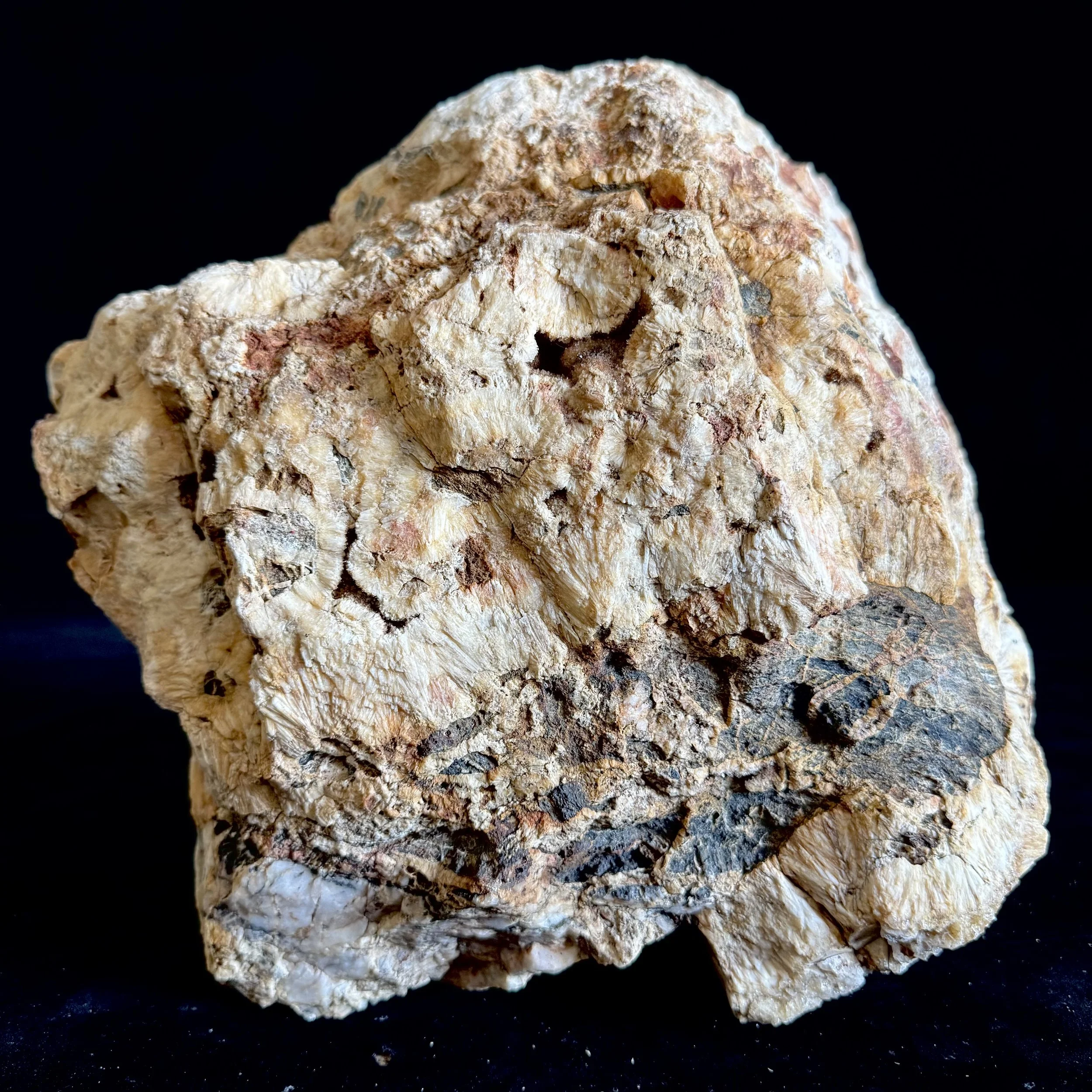 Image 1 of 19
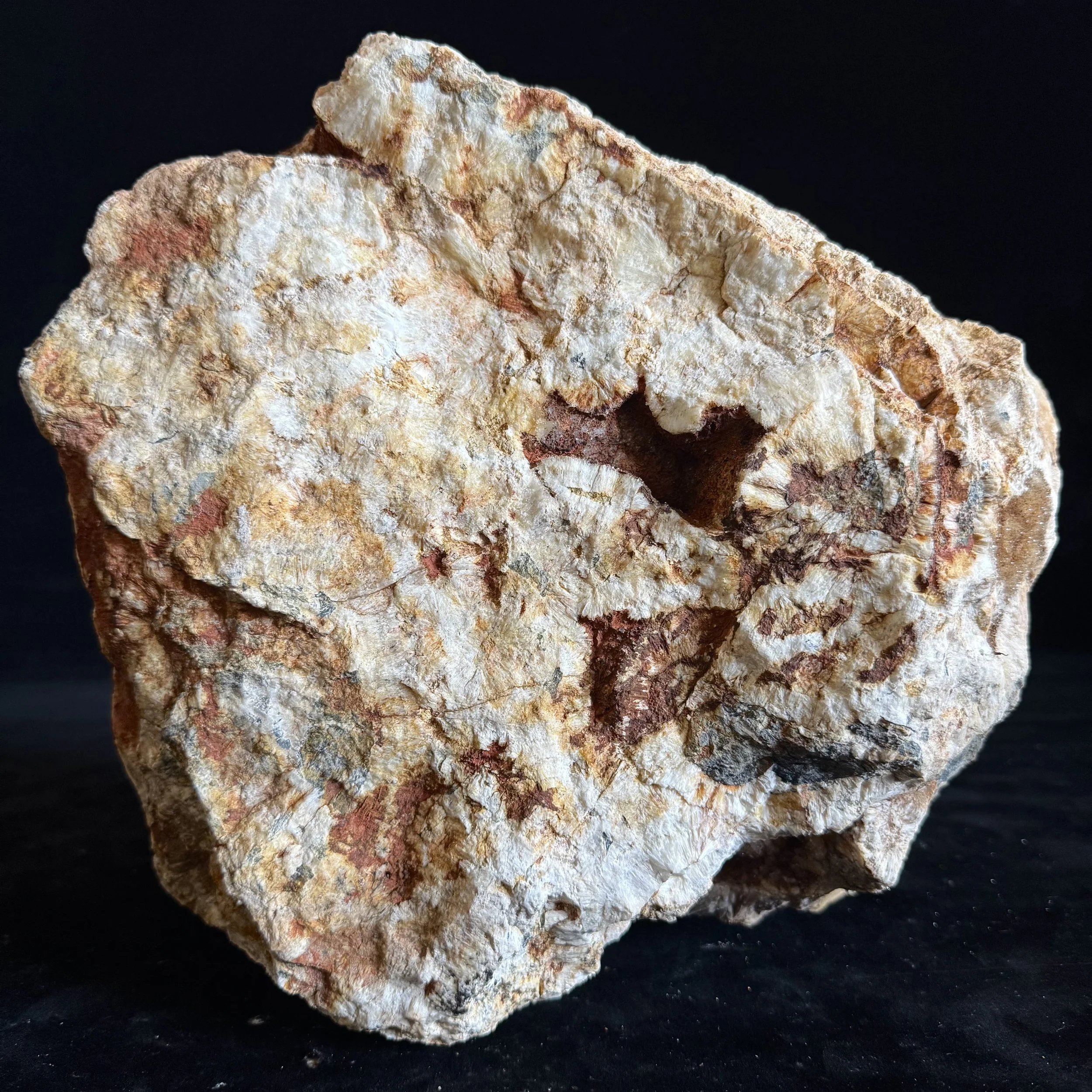 Image 2 of 19
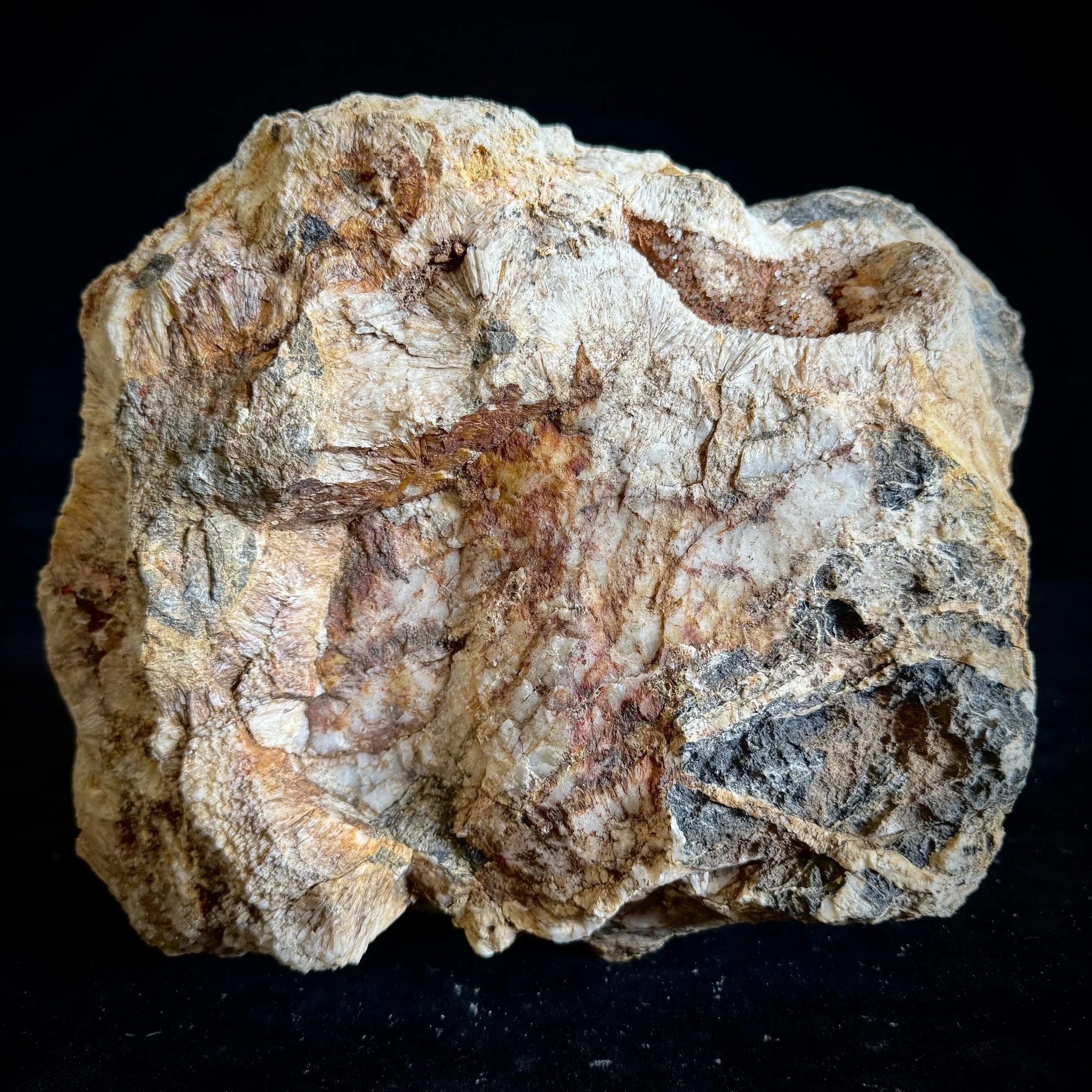 Image 3 of 19
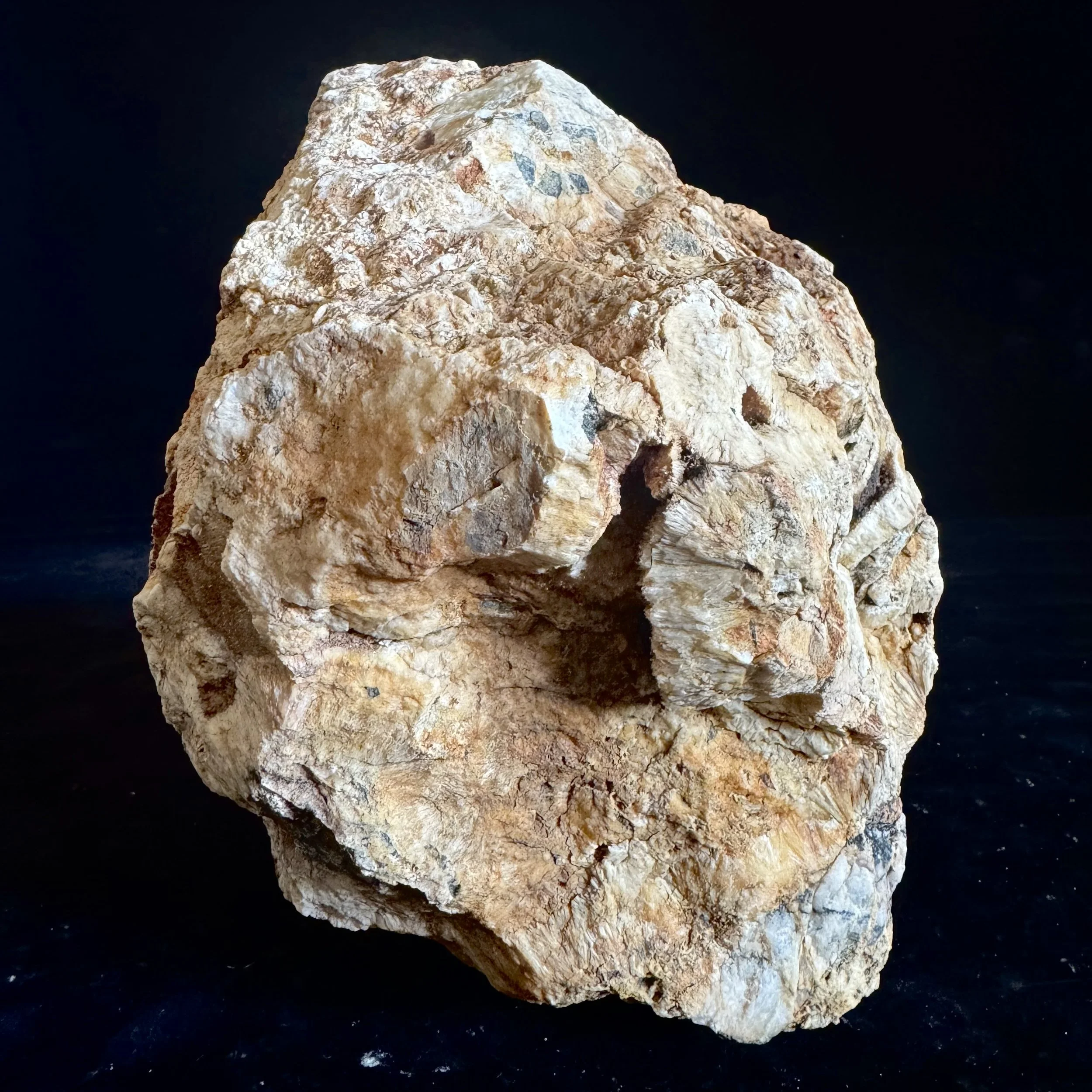 Image 4 of 19
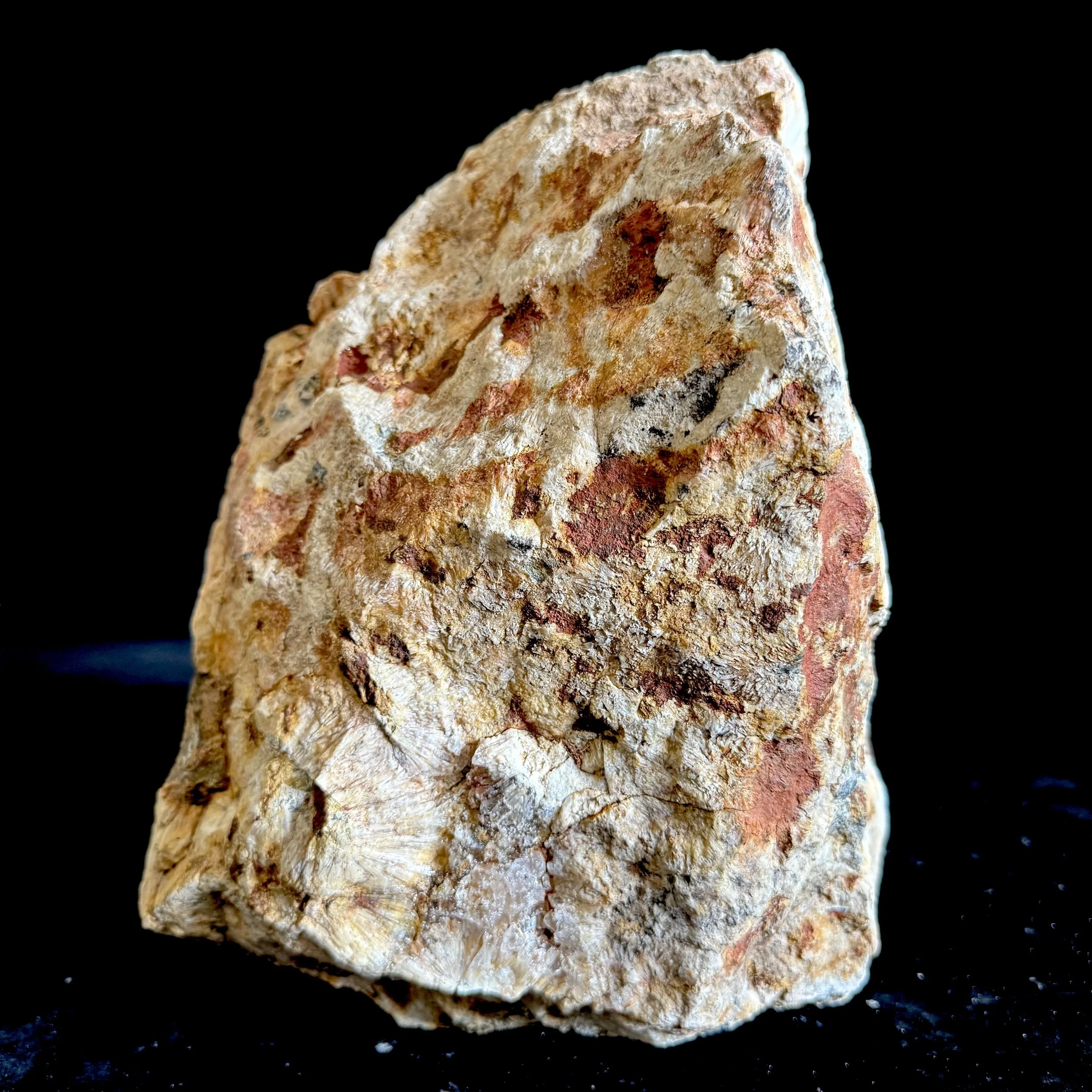 Image 5 of 19
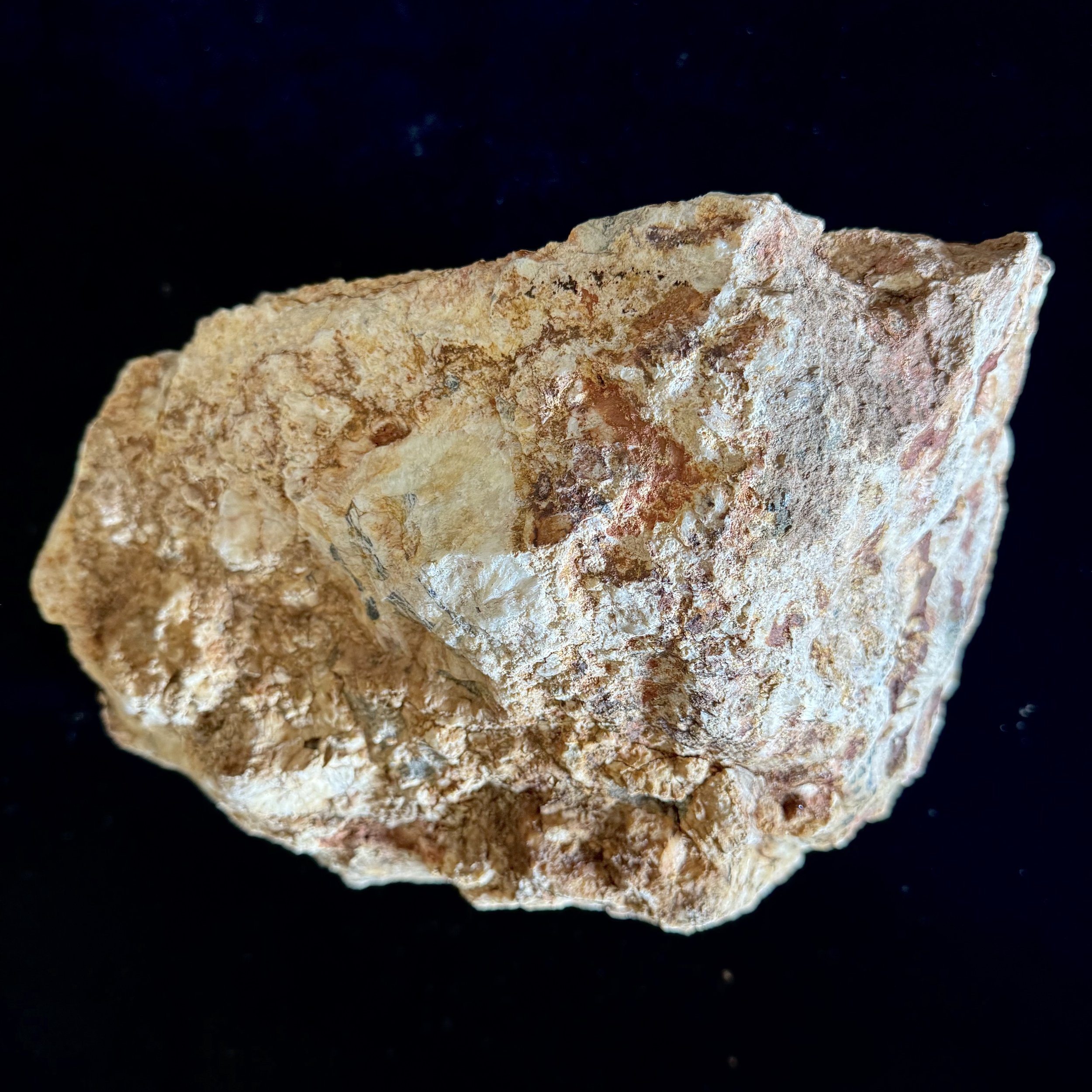 Image 6 of 19
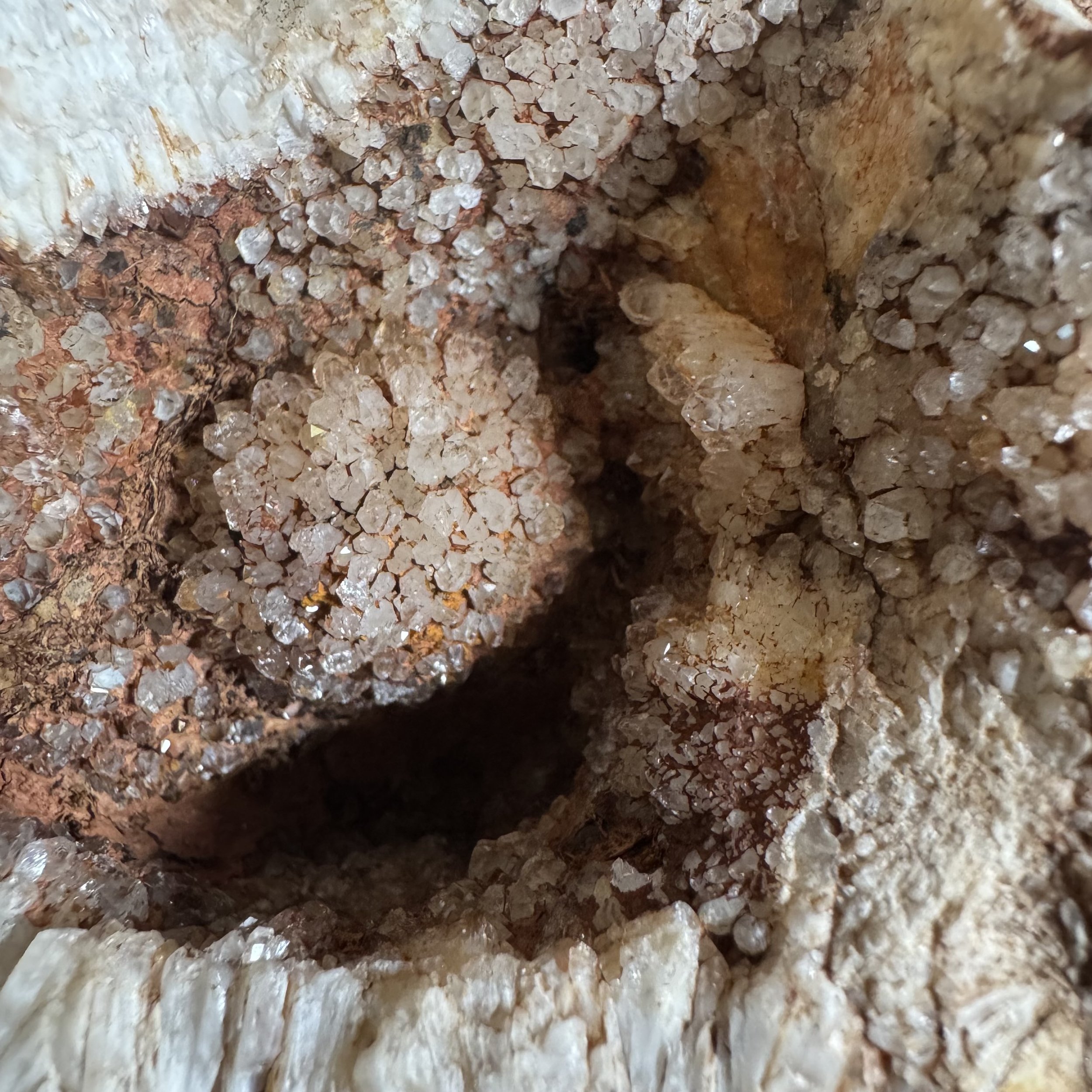 Image 7 of 19
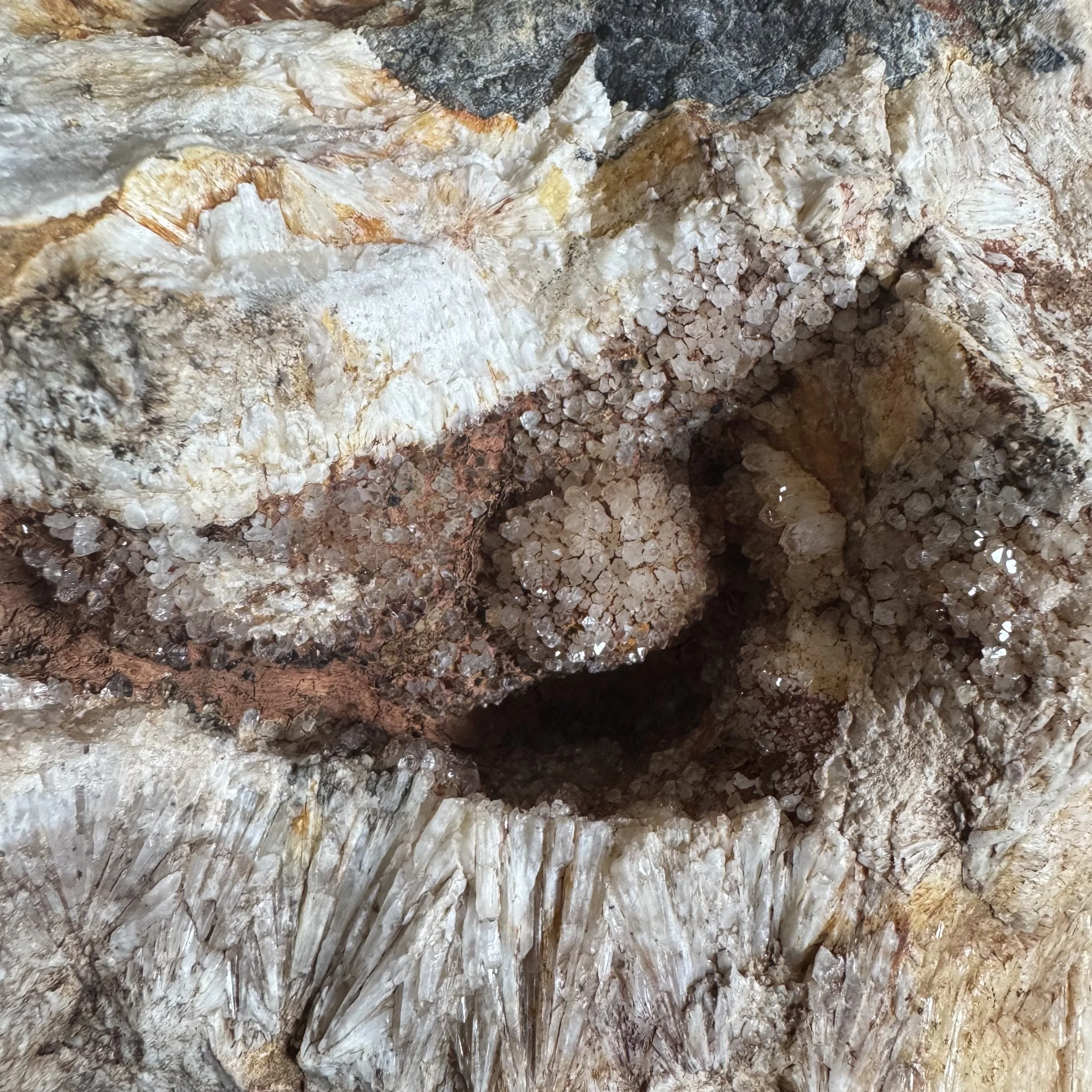 Image 8 of 19
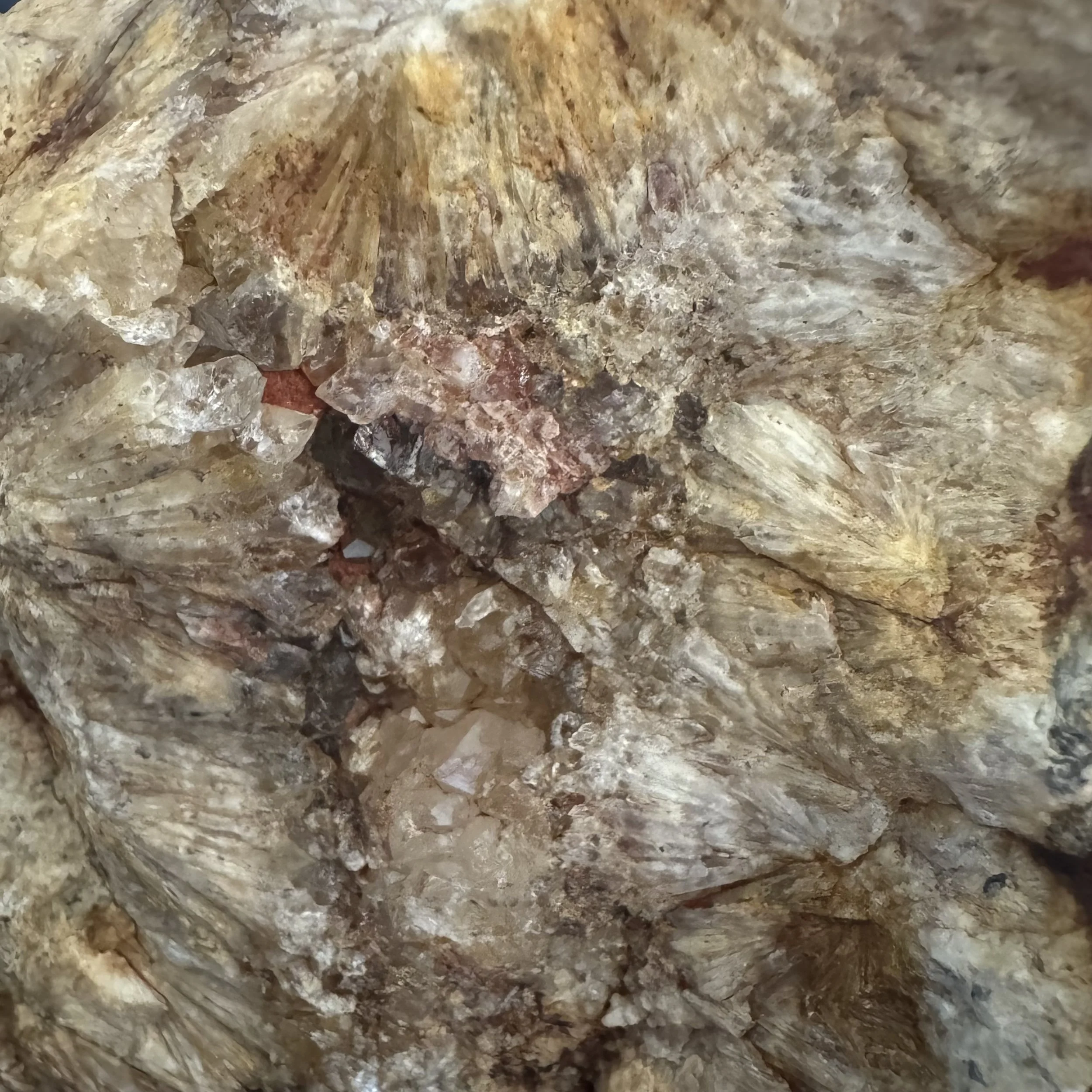 Image 9 of 19
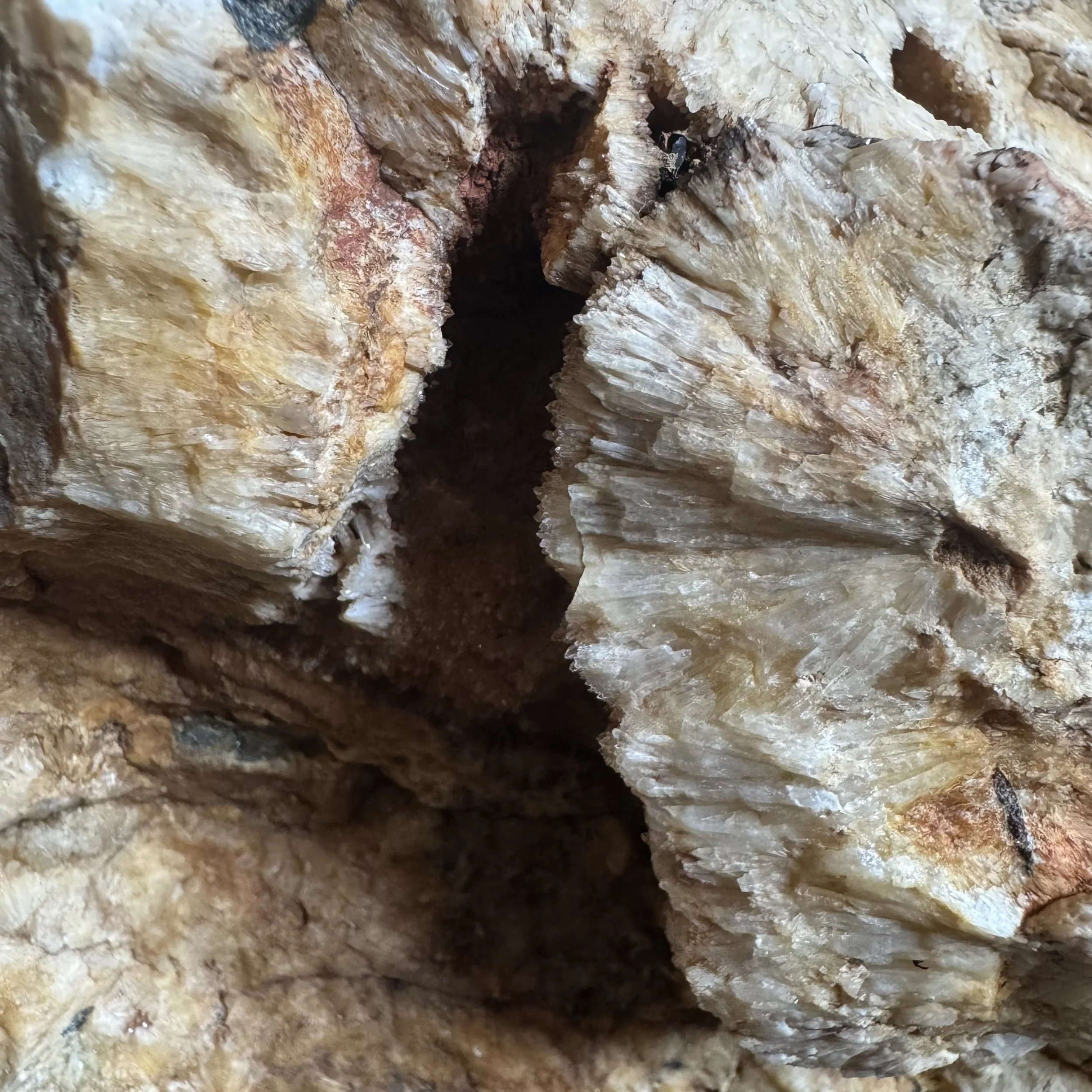 Image 10 of 19
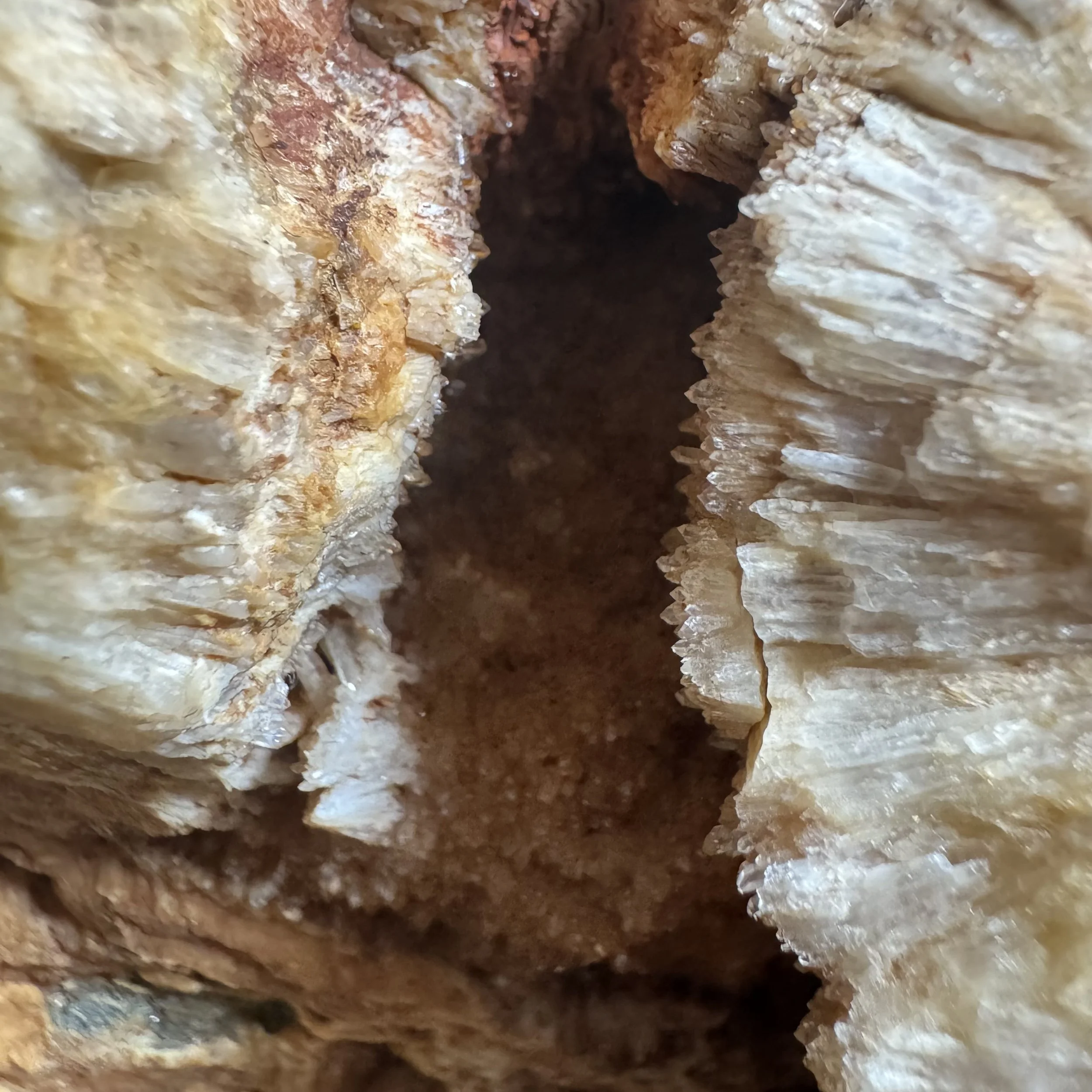 Image 11 of 19
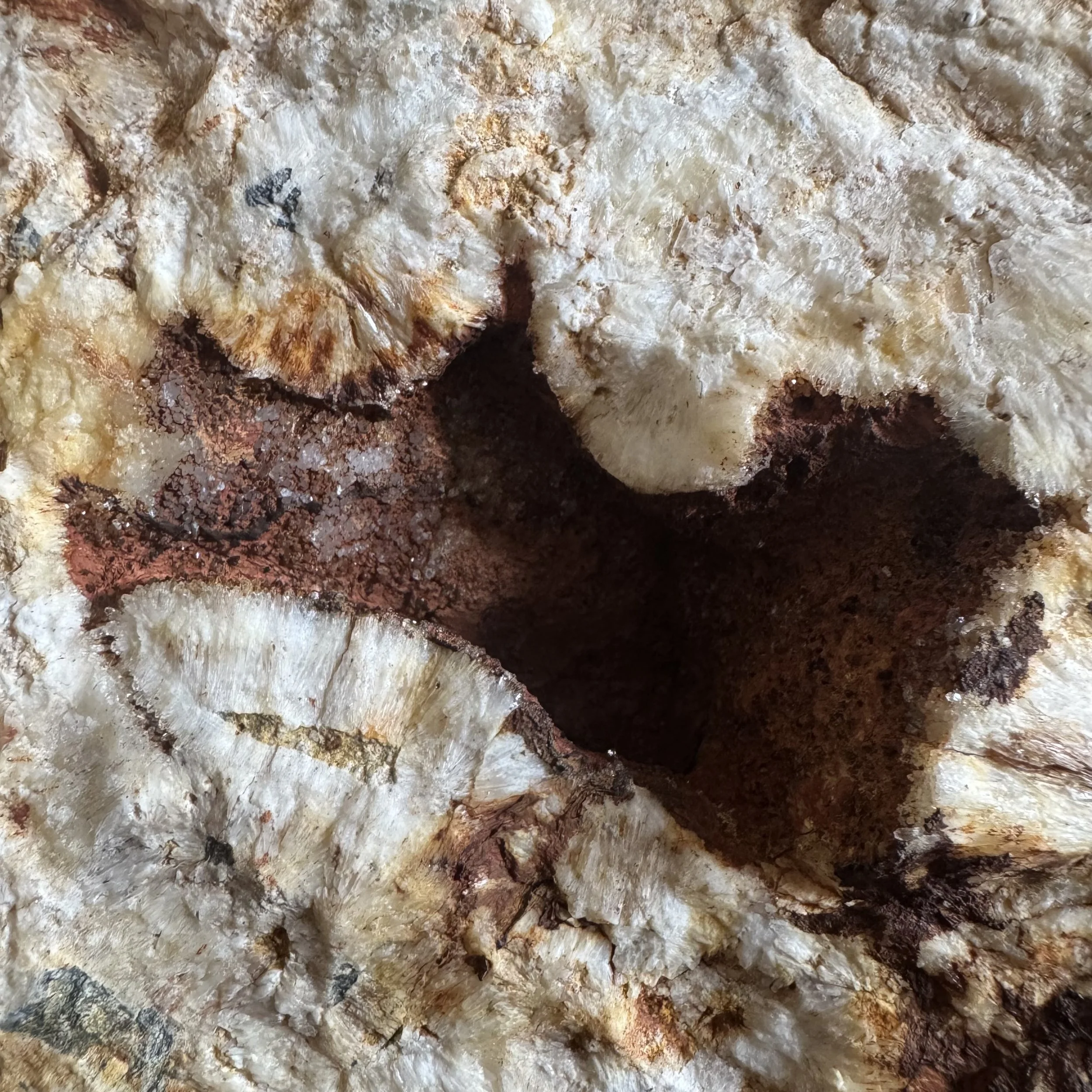 Image 12 of 19
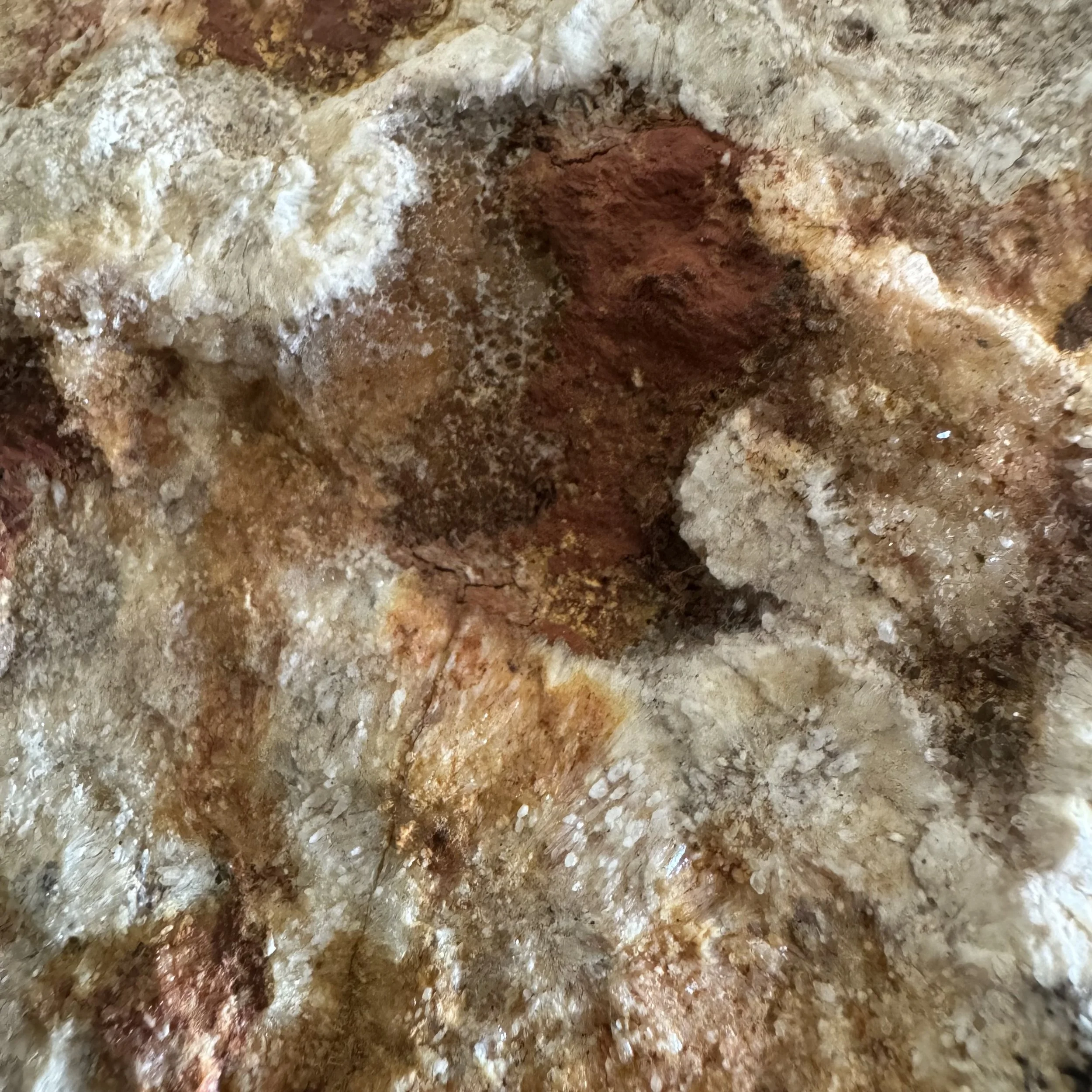 Image 13 of 19
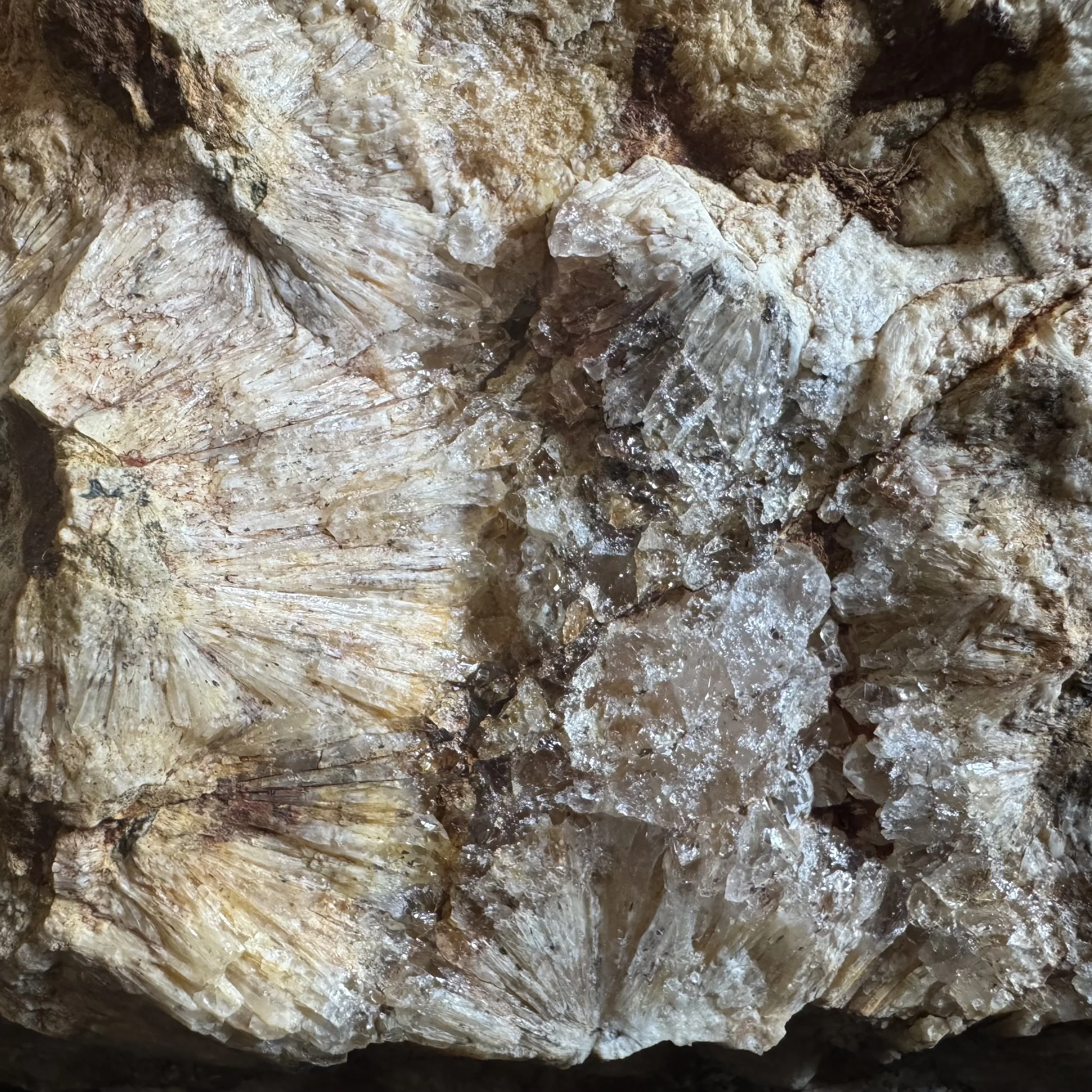 Image 14 of 19
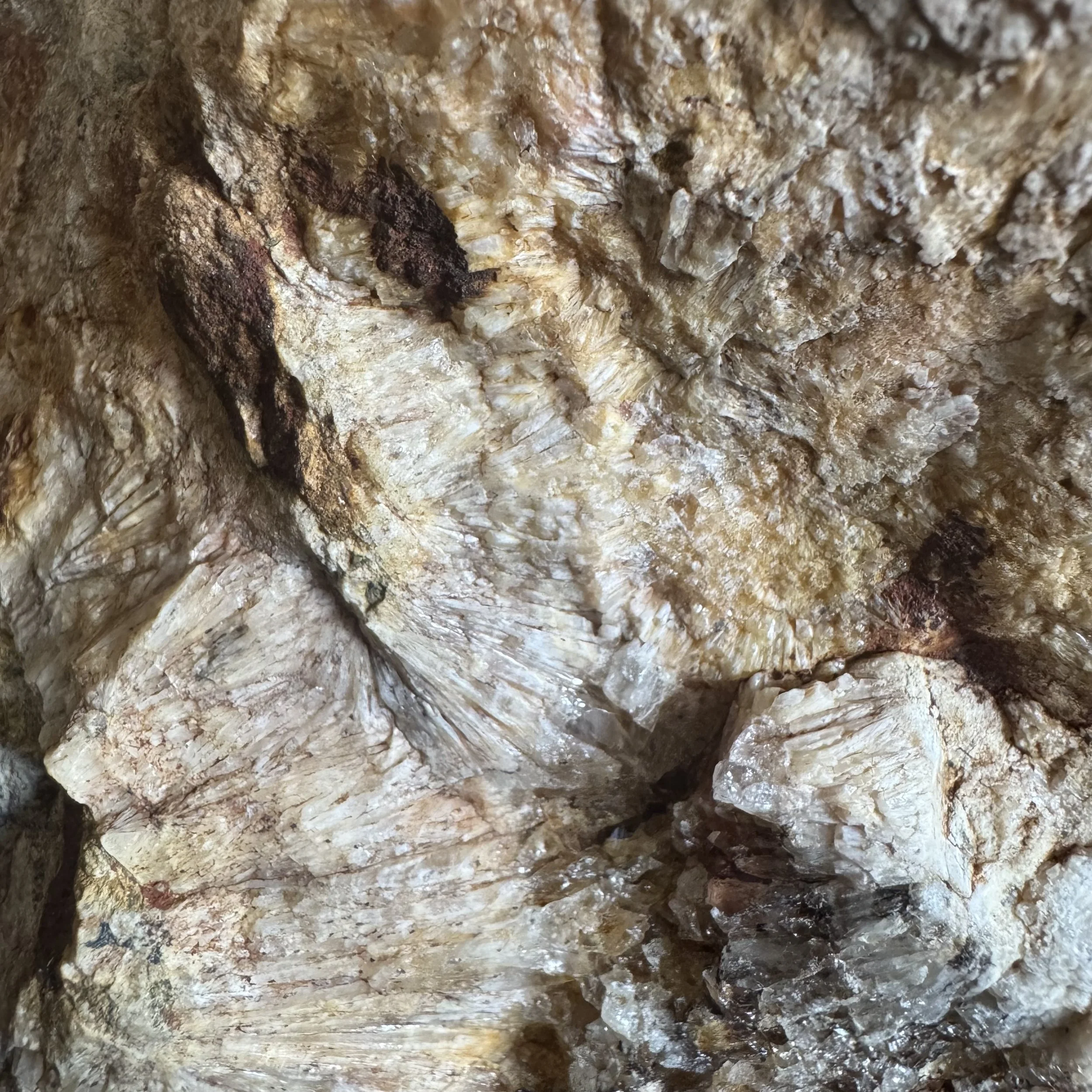 Image 15 of 19
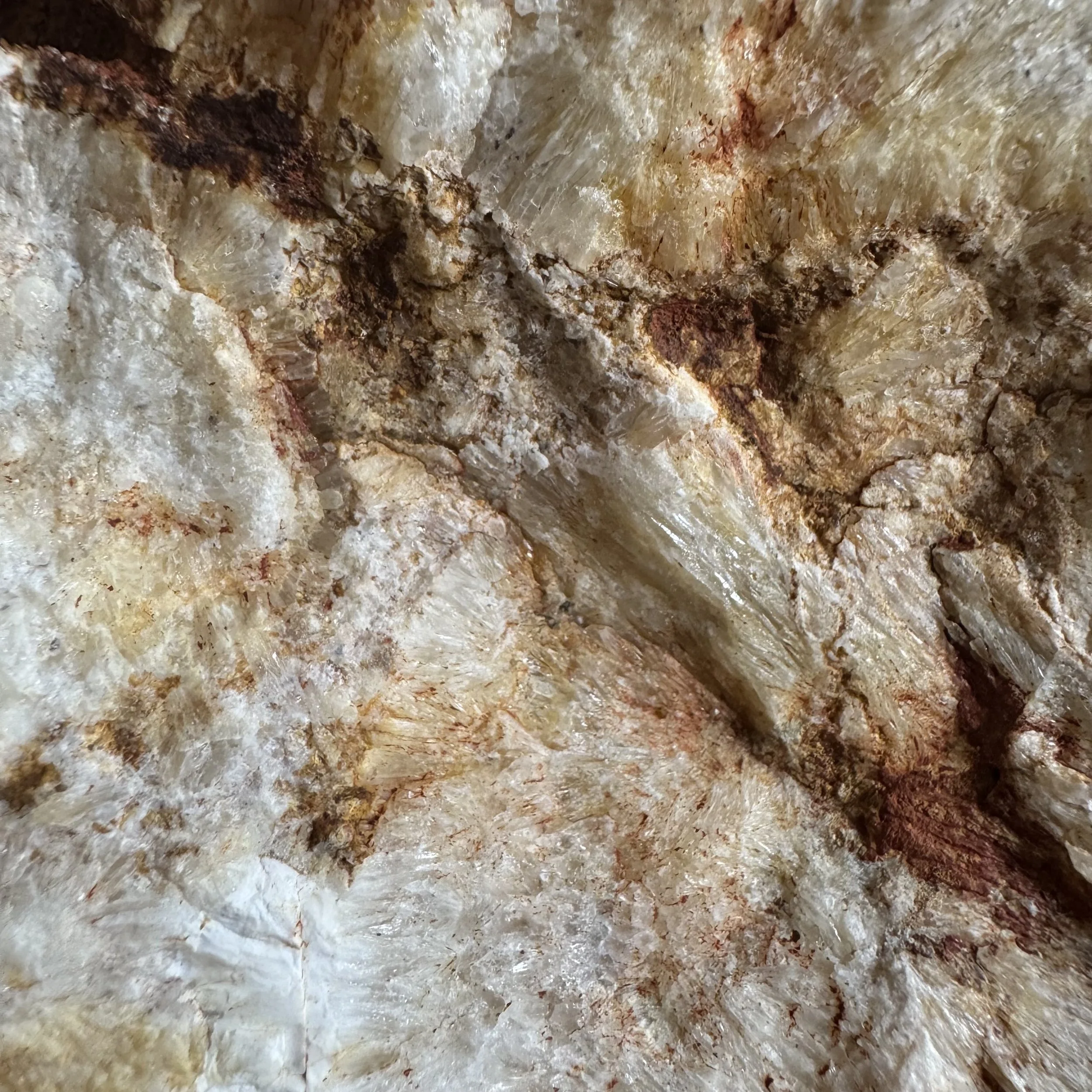 Image 16 of 19
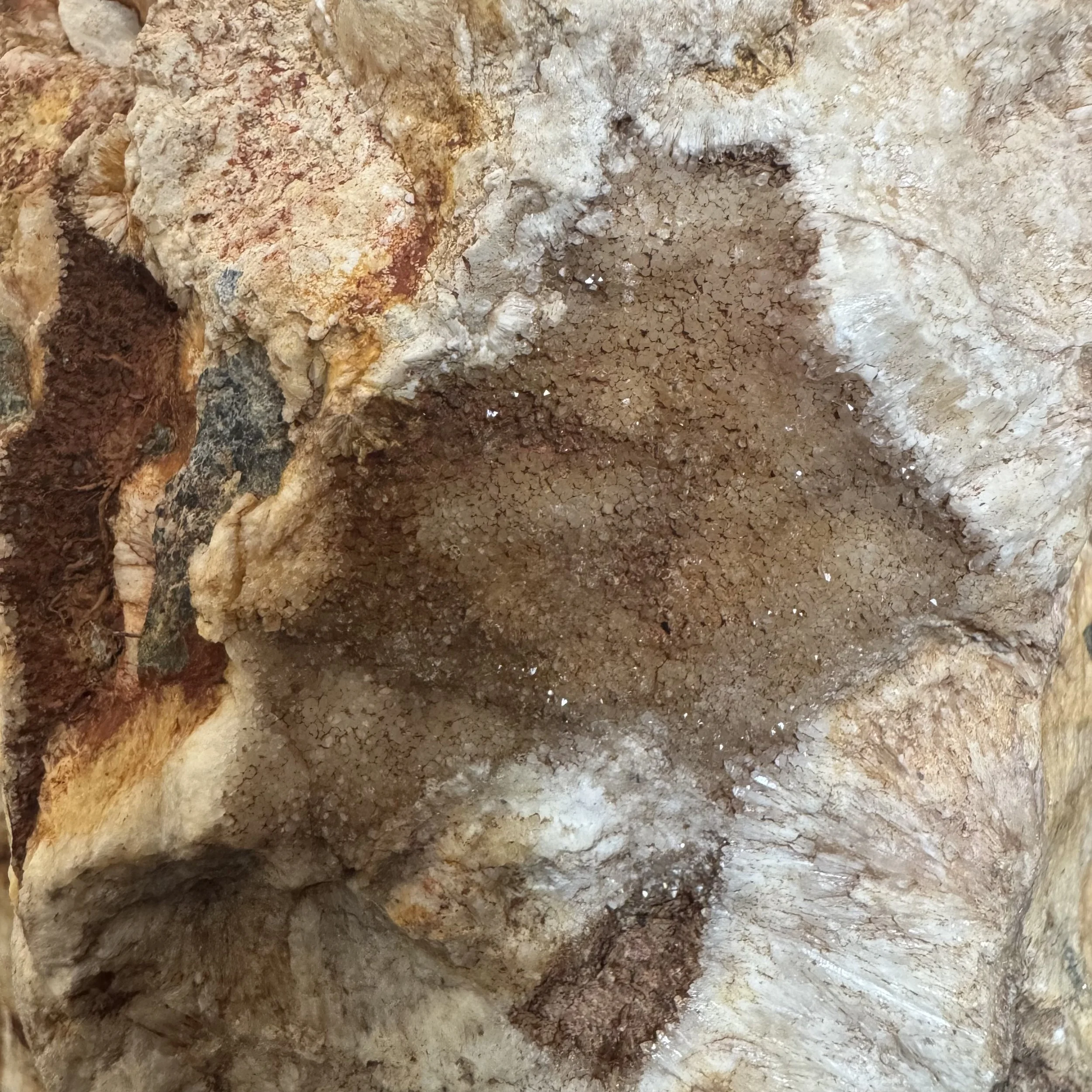 Image 17 of 19
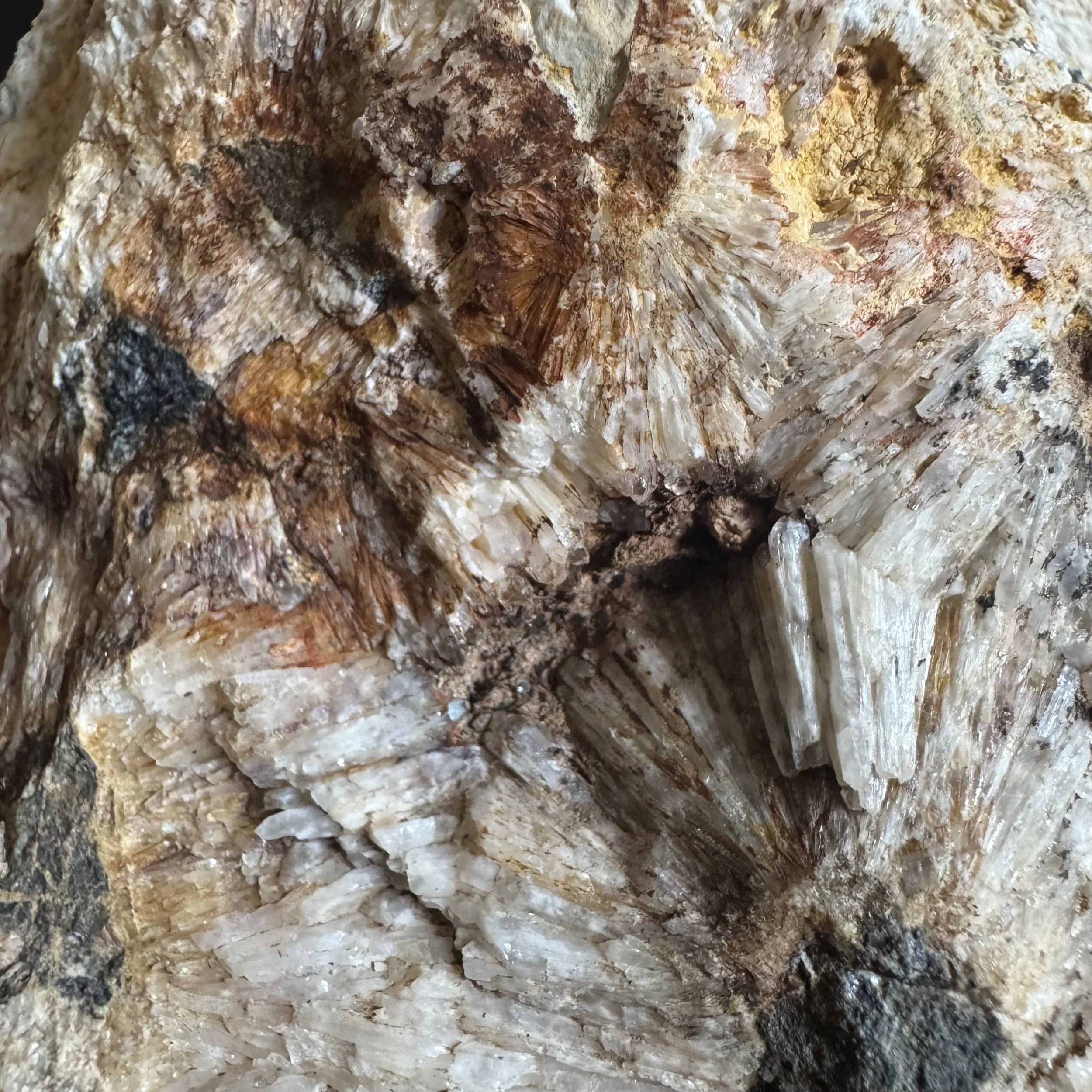 Image 18 of 19
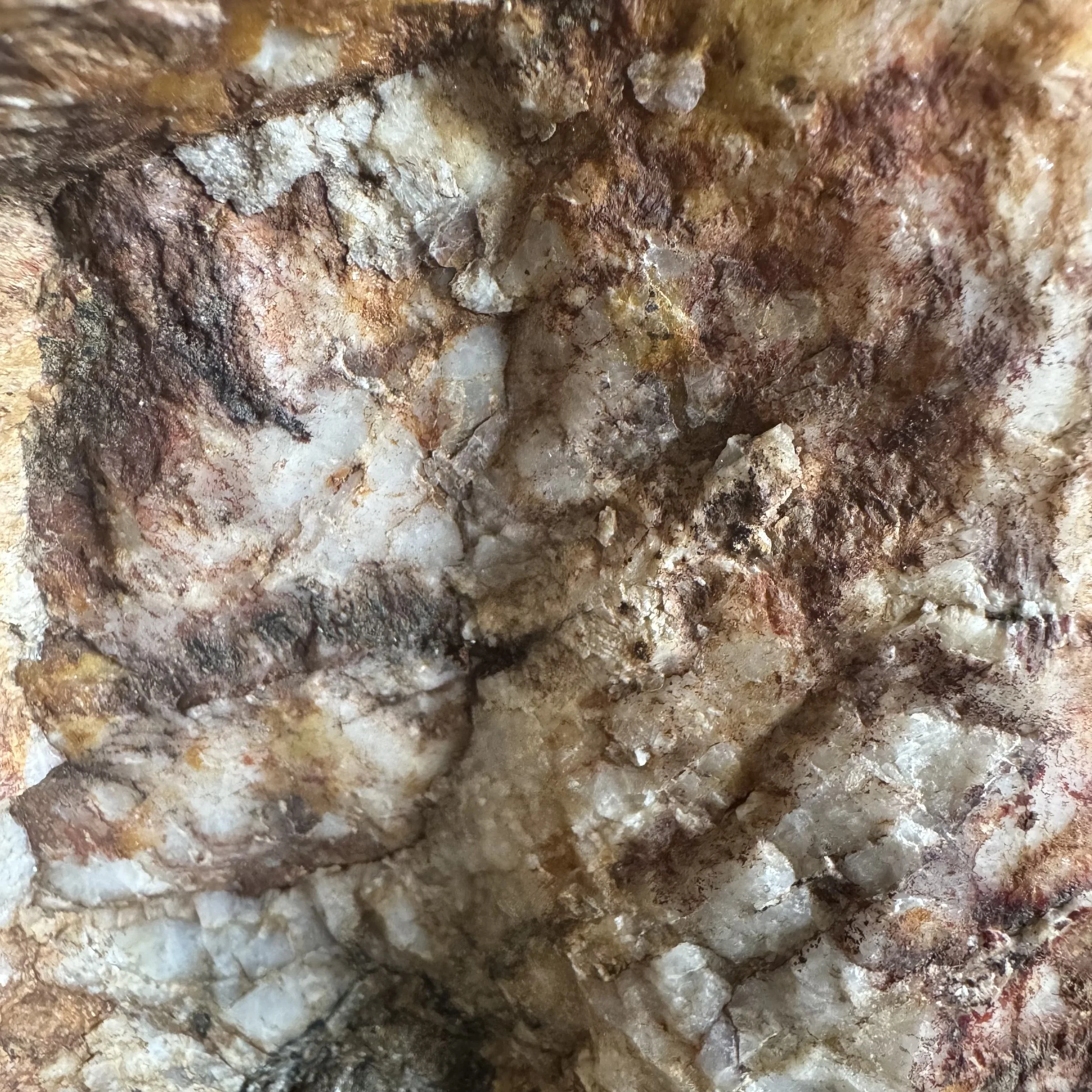 Image 19 of 19