PRIMARY INFO
CORE STATEMENT
A00021 is defined by convergence — not by purity or singular structure.
Within a quartz-dominant matrix, iron-rich mineralization, oxidation fields, and sedimentary influence stabilize into a layered composite system.
This formation does not resolve into one identity.
It holds multiple states simultaneously —
distributed across planes, fractures, and mineral zones.
This is not a surface.
This is a cross-section of formation — preserved in place.
PHYSICAL SPECIFICATIONS
Weight: 7.563 kg
Dimension:
Width: 13.5 cm
Length: 22 cm
Height: 20 cm
ORIGIN
Source / Origin: Coastal mineral zone — Rayong, Thailand
Formation / Process:
Formed through prolonged silica deposition within fractured quartz-bearing host rock, followed by repeated oxidation cycles and pressure layering.
Mineral-rich fluids introduced iron oxide concentrations across planes, while sedimentary residues stabilized within micro-voids and fracture zones.
Era / Estimated Age: Millions of years
(Exact dating undefined — classified as multi-phase stratified formation)
MATERIAL COMPOSITION
Quartz (SiO₂) — Approx. 60–68%
Iron Oxides (Hematite / Goethite) — Approx. 15–22%
Secondary Silica Phases — Approx. 4–6%
Clay / Sedimentary Residues — Approx. 5–8%
Manganese Traces — Approx. 1–3%
Minor / Unknown Inclusions — Approx. 3–6%
Quartz-dominant composite exhibiting layered mineral distribution across multiple planes.
Iron oxide presence produces red, ochre, and brown zones, indicating prolonged oxidation and environmental interaction.
Sedimentary residues and secondary silica phases contribute to structural cohesion across fracture systems.
REMARK: Composition is visually estimated based on observable surface and structural characteristics. Laboratory confirmation not yet conducted.
ARTISTIC VALUE
Strata Face — “Layered Expression Field”
The frontal plane presents flowing mineral transitions — red, ochre, grey, and white zones merging across surfaces.
This is not coloration. It is mineral history expressed in layers.
Embedded Quartz — “Distributed Order”
Quartz appears irregularly across the formation — not centralized, not dominant.
It exists within the system, not above it.
Raw Matrix Body — “Enduring Mass”
The structural body retains density, weight, and unrefined texture.
This is not shaped form. This is preserved integrity.
Fracture Interaction — “Stress Integration”
Fracture lines intersect mineral layers, creating visible tension without collapse.
These are not breaks. They are records of pressure.
STRUCTURAL SCALE
Scale Classification: Medium-to-Large Relic (STRATA CLASS)
Formation Integrity:
Maintains cohesion across a complex layered system, despite multiple mineral transitions and fracture intersections.
Structural stability is preserved through integration of quartz matrix, sedimentary zones, and oxidation layers.
Rarity Factor (Scale):
Multi-phase stratified formations often degrade through fragmentation or erosion.
The preservation of:
Multi-directional layer transitions
Distributed quartz presence
Integrated oxidation fields
Stable fracture-layer interaction
indicates a rare instance of layered equilibrium maintained under pressure.
MYTH
This is not a form that simplifies.
It is a form that accumulates.
This formation reflects a deeper principle:
Not all systems resolve into clarity —
some stabilize through coexistence.
Energy Signature:
Balance without dominance. Structure without hierarchy. Stability under layered complexity.
Collector Note:
Best suited for collectors who value depth over immediacy —
those who observe, not scan.
Anantakala Codex Note:
A preserved convergence field. A record of layered formation held in equilibrium.
SPATIAL PRESENCE — “DISTRIBUTED GRAVITY FIELD”
Visual Behavior
Attention is not centralized. It moves across layers, textures, and mineral transitions.
When positioned correctly:
The object distributes visual weight rather than concentrating it.
Spatial Role
Encourages prolonged observation
Creates layered visual engagement
Introduces depth without dominance
It does not command space.
It occupies it with complexity.
DISPLAY & EXPERIENCE
Display Recommendation:
Best displayed at mid-level with clear side visibility to allow layer transitions to be observed across angles.
Recommended Lighting — “Layer Reveal”
Soft directional lighting
Angled illumination across surface
Avoid full frontal flattening
Effect:
Enhances mineral contrast across planes
Reveals depth within fracture zones
Amplifies layered structure
Light does not define this piece.
It uncovers it.
DISPLAY BASE
PHOTOGRAPHY NOTE
This piece is best documented as a layered system, not a single perspective
CONDITION NOTE
Natural fractures present
Surface remains raw and unpolished
No artificial enhancement applied
Fully preserved in natural geological state
TRUST / AUTHORITY
Authentication: Verified and documented by Anantakala Art — Codex Registered Artifact A00021
Curation Note:
Selected for its convergence of layered mineral systems —
where quartz, iron, and sediment coexist within a stable structural field
SHIPPING
Shipping available worldwide
Reinforced packaging required due to structural complexity
Final arrangement confirmed per destination
HANDLING NOTE
LOGISTICS CLARITY
FINAL STATEMENT
This is not a singular form.
This is a preserved convergence of layers — where quartz, iron, and sediment remain in coexistence without resolution.
It does not simplify. It stabilizes.
A00020 does not present itself at once.
It reveals its structure — progressively, across time.
PRIMARY INFO
CORE STATEMENT
A00021 is defined by convergence — not by purity or singular structure.
Within a quartz-dominant matrix, iron-rich mineralization, oxidation fields, and sedimentary influence stabilize into a layered composite system.
This formation does not resolve into one identity.
It holds multiple states simultaneously —
distributed across planes, fractures, and mineral zones.
This is not a surface.
This is a cross-section of formation — preserved in place.
PHYSICAL SPECIFICATIONS
Weight: 7.563 kg
Dimension:
Width: 13.5 cm
Length: 22 cm
Height: 20 cm
ORIGIN
Source / Origin: Coastal mineral zone — Rayong, Thailand
Formation / Process:
Formed through prolonged silica deposition within fractured quartz-bearing host rock, followed by repeated oxidation cycles and pressure layering.
Mineral-rich fluids introduced iron oxide concentrations across planes, while sedimentary residues stabilized within micro-voids and fracture zones.
Era / Estimated Age: Millions of years
(Exact dating undefined — classified as multi-phase stratified formation)
MATERIAL COMPOSITION
Quartz (SiO₂) — Approx. 60–68%
Iron Oxides (Hematite / Goethite) — Approx. 15–22%
Secondary Silica Phases — Approx. 4–6%
Clay / Sedimentary Residues — Approx. 5–8%
Manganese Traces — Approx. 1–3%
Minor / Unknown Inclusions — Approx. 3–6%
Quartz-dominant composite exhibiting layered mineral distribution across multiple planes.
Iron oxide presence produces red, ochre, and brown zones, indicating prolonged oxidation and environmental interaction.
Sedimentary residues and secondary silica phases contribute to structural cohesion across fracture systems.
REMARK: Composition is visually estimated based on observable surface and structural characteristics. Laboratory confirmation not yet conducted.
ARTISTIC VALUE
Strata Face — “Layered Expression Field”
The frontal plane presents flowing mineral transitions — red, ochre, grey, and white zones merging across surfaces.
This is not coloration. It is mineral history expressed in layers.
Embedded Quartz — “Distributed Order”
Quartz appears irregularly across the formation — not centralized, not dominant.
It exists within the system, not above it.
Raw Matrix Body — “Enduring Mass”
The structural body retains density, weight, and unrefined texture.
This is not shaped form. This is preserved integrity.
Fracture Interaction — “Stress Integration”
Fracture lines intersect mineral layers, creating visible tension without collapse.
These are not breaks. They are records of pressure.
STRUCTURAL SCALE
Scale Classification: Medium-to-Large Relic (STRATA CLASS)
Formation Integrity:
Maintains cohesion across a complex layered system, despite multiple mineral transitions and fracture intersections.
Structural stability is preserved through integration of quartz matrix, sedimentary zones, and oxidation layers.
Rarity Factor (Scale):
Multi-phase stratified formations often degrade through fragmentation or erosion.
The preservation of:
Multi-directional layer transitions
Distributed quartz presence
Integrated oxidation fields
Stable fracture-layer interaction
indicates a rare instance of layered equilibrium maintained under pressure.
MYTH
This is not a form that simplifies.
It is a form that accumulates.
This formation reflects a deeper principle:
Not all systems resolve into clarity —
some stabilize through coexistence.
Energy Signature:
Balance without dominance. Structure without hierarchy. Stability under layered complexity.
Collector Note:
Best suited for collectors who value depth over immediacy —
those who observe, not scan.
Anantakala Codex Note:
A preserved convergence field. A record of layered formation held in equilibrium.
SPATIAL PRESENCE — “DISTRIBUTED GRAVITY FIELD”
Visual Behavior
Attention is not centralized. It moves across layers, textures, and mineral transitions.
When positioned correctly:
The object distributes visual weight rather than concentrating it.
Spatial Role
Encourages prolonged observation
Creates layered visual engagement
Introduces depth without dominance
It does not command space.
It occupies it with complexity.
DISPLAY & EXPERIENCE
Display Recommendation:
Best displayed at mid-level with clear side visibility to allow layer transitions to be observed across angles.
Recommended Lighting — “Layer Reveal”
Soft directional lighting
Angled illumination across surface
Avoid full frontal flattening
Effect:
Enhances mineral contrast across planes
Reveals depth within fracture zones
Amplifies layered structure
Light does not define this piece.
It uncovers it.
DISPLAY BASE
PHOTOGRAPHY NOTE
This piece is best documented as a layered system, not a single perspective
CONDITION NOTE
Natural fractures present
Surface remains raw and unpolished
No artificial enhancement applied
Fully preserved in natural geological state
TRUST / AUTHORITY
Authentication: Verified and documented by Anantakala Art — Codex Registered Artifact A00021
Curation Note:
Selected for its convergence of layered mineral systems —
where quartz, iron, and sediment coexist within a stable structural field
SHIPPING
Shipping available worldwide
Reinforced packaging required due to structural complexity
Final arrangement confirmed per destination
HANDLING NOTE
LOGISTICS CLARITY
FINAL STATEMENT
This is not a singular form.
This is a preserved convergence of layers — where quartz, iron, and sediment remain in coexistence without resolution.
It does not simplify. It stabilizes.
A00020 does not present itself at once.
It reveals its structure — progressively, across time.

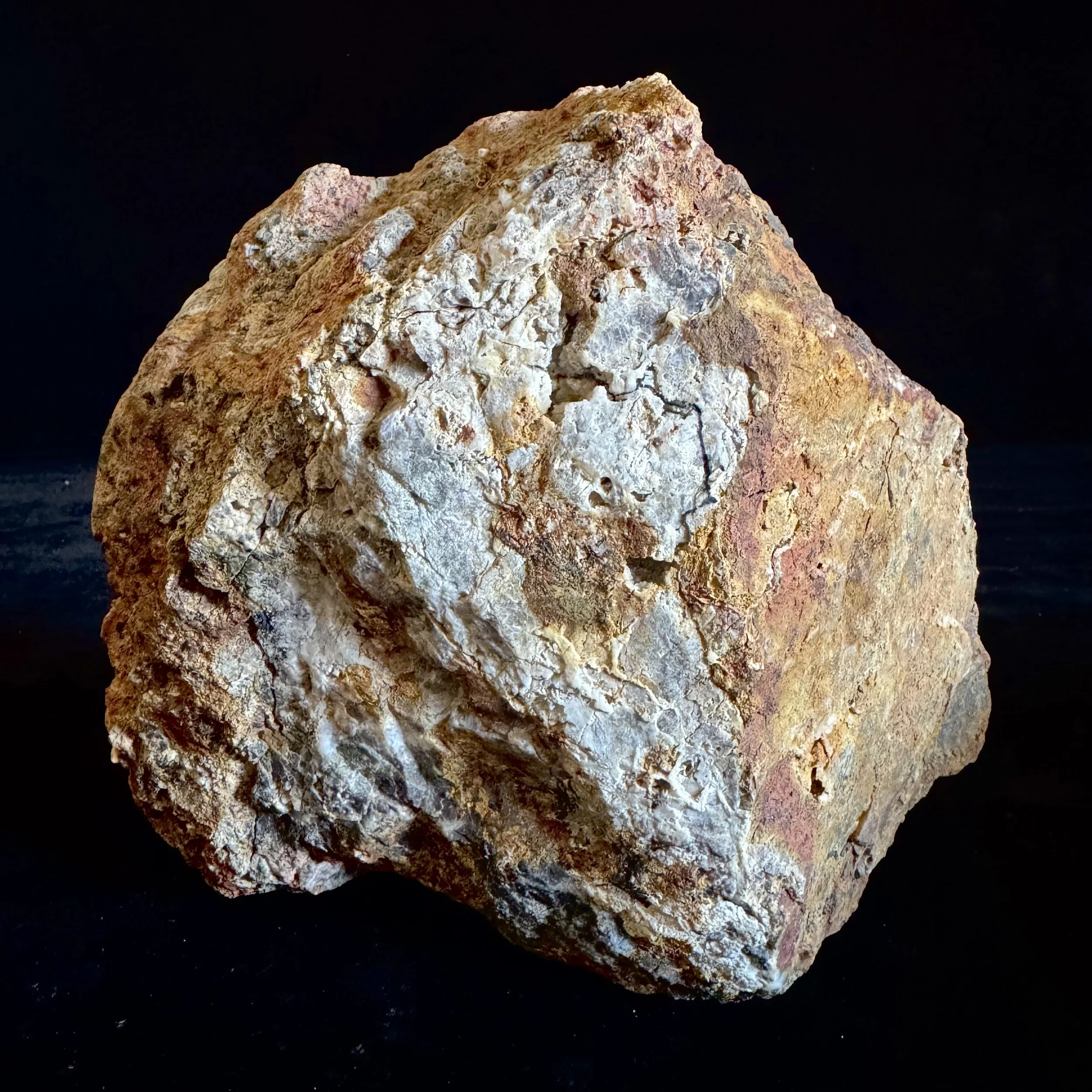 Image 1 of 8
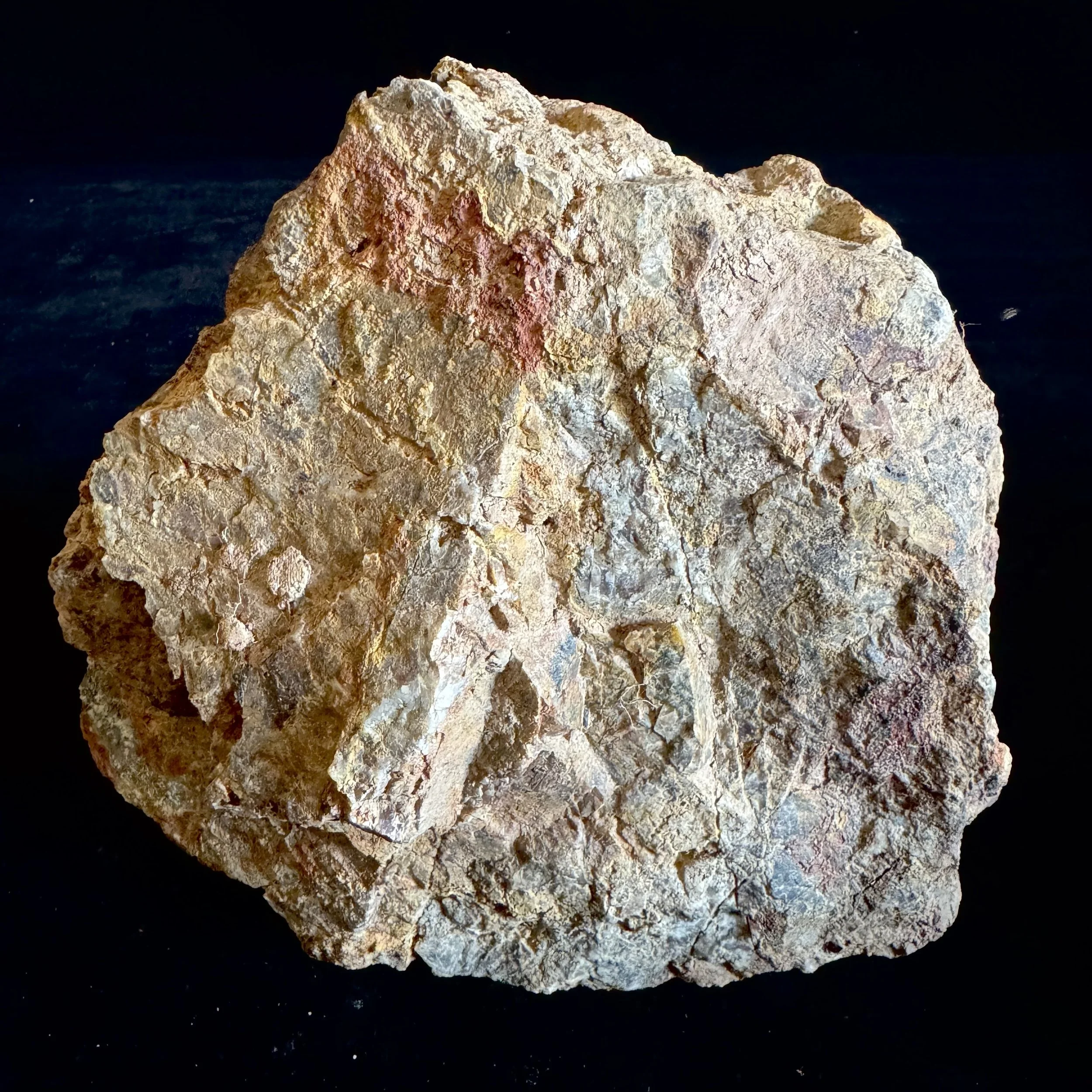 Image 2 of 8
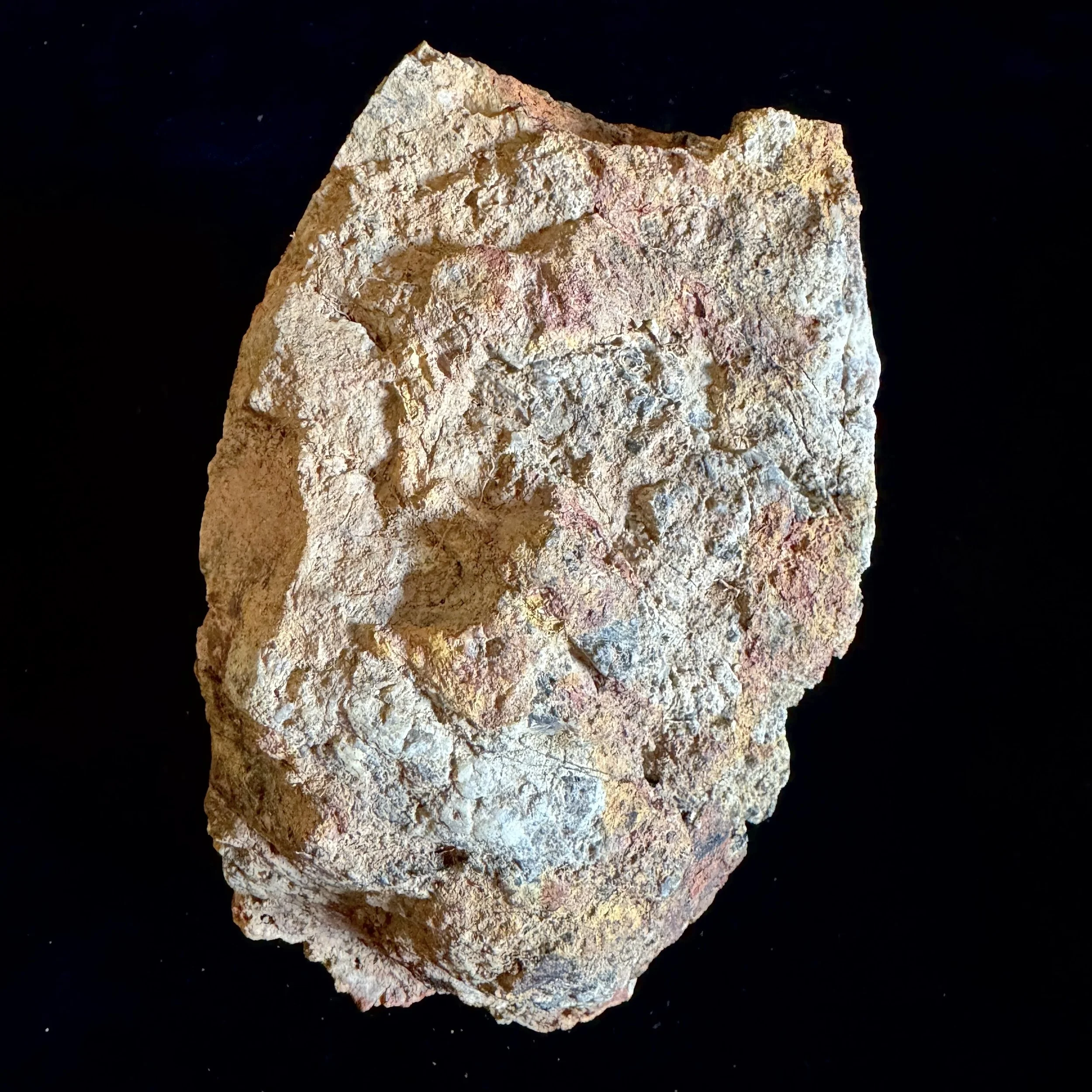 Image 3 of 8
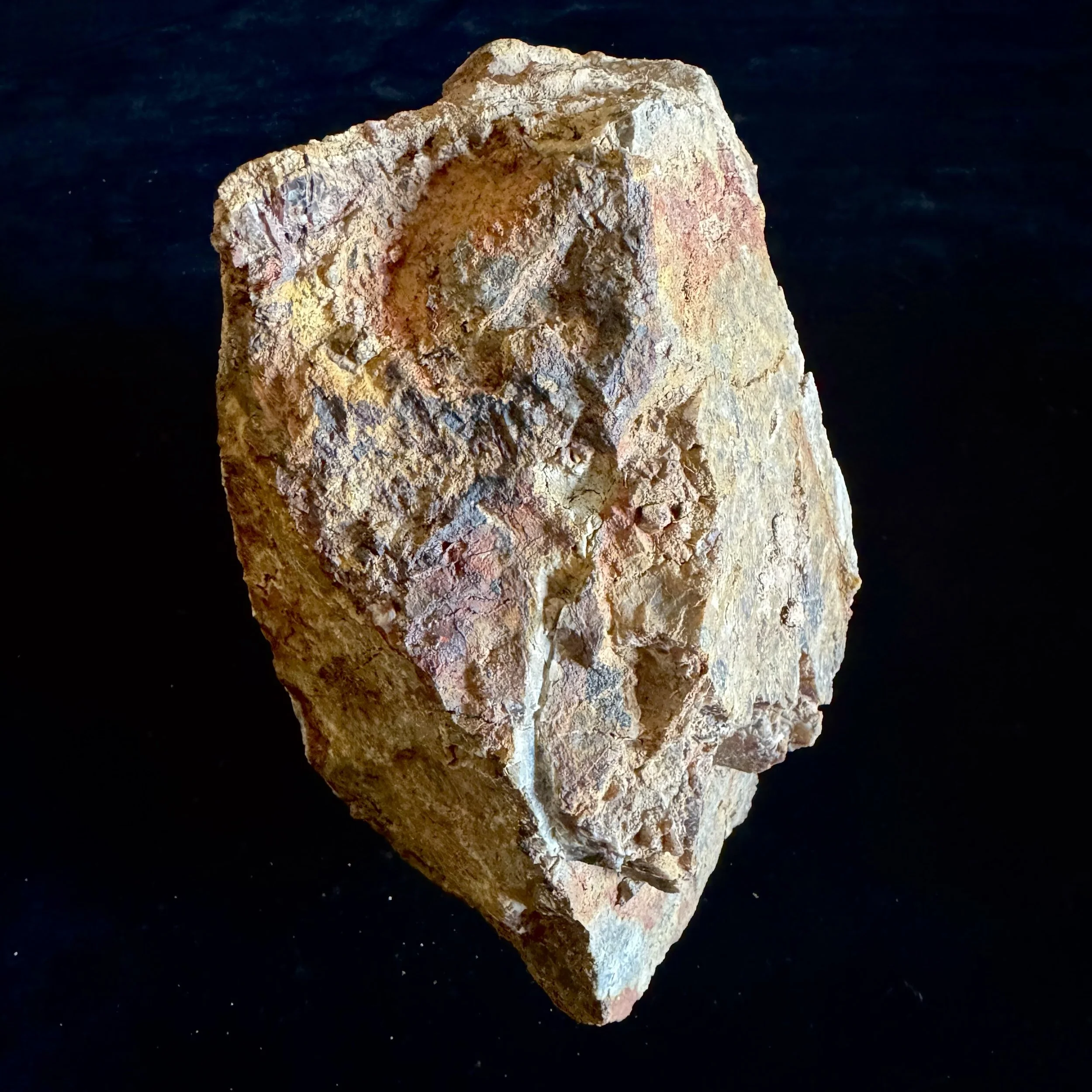 Image 4 of 8
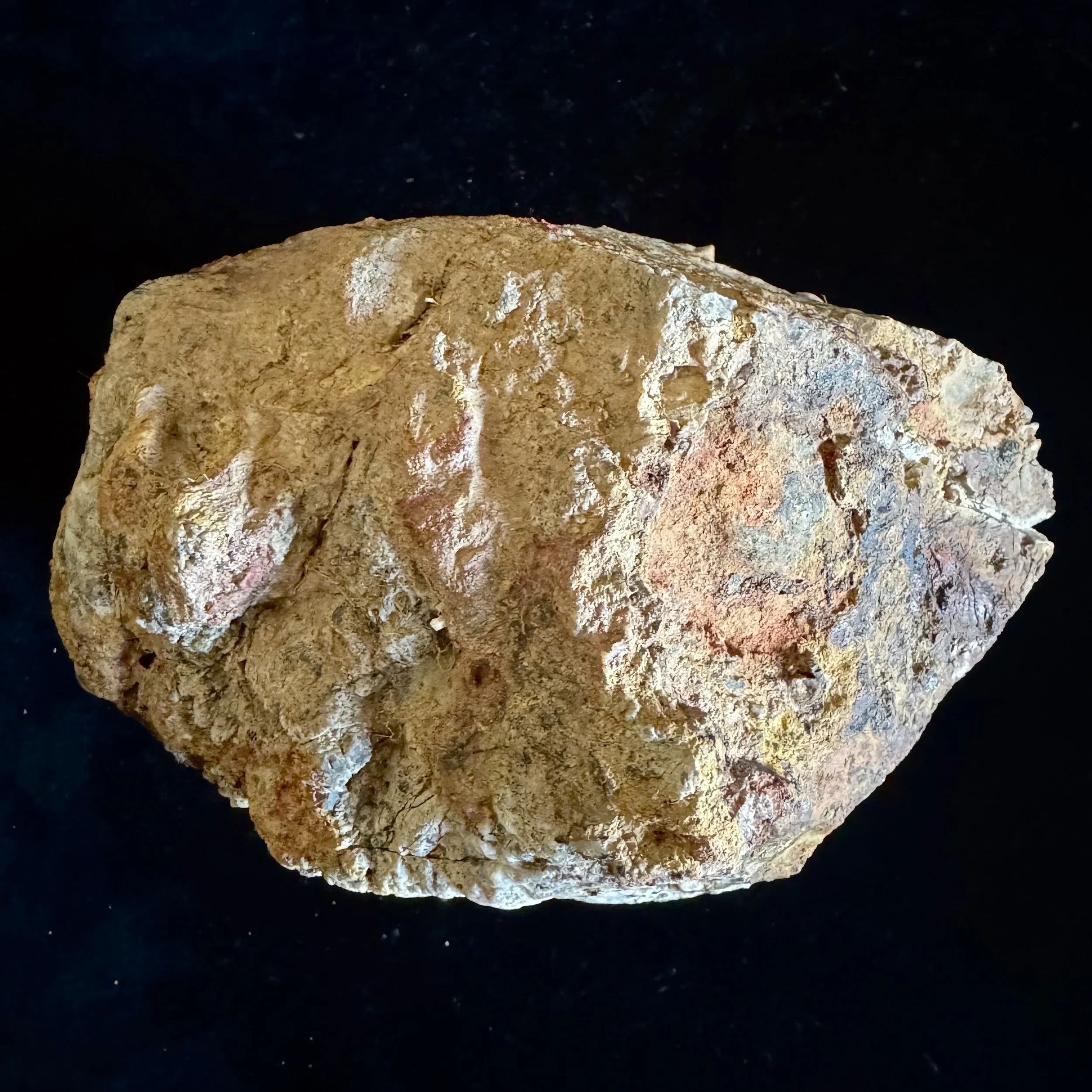 Image 5 of 8
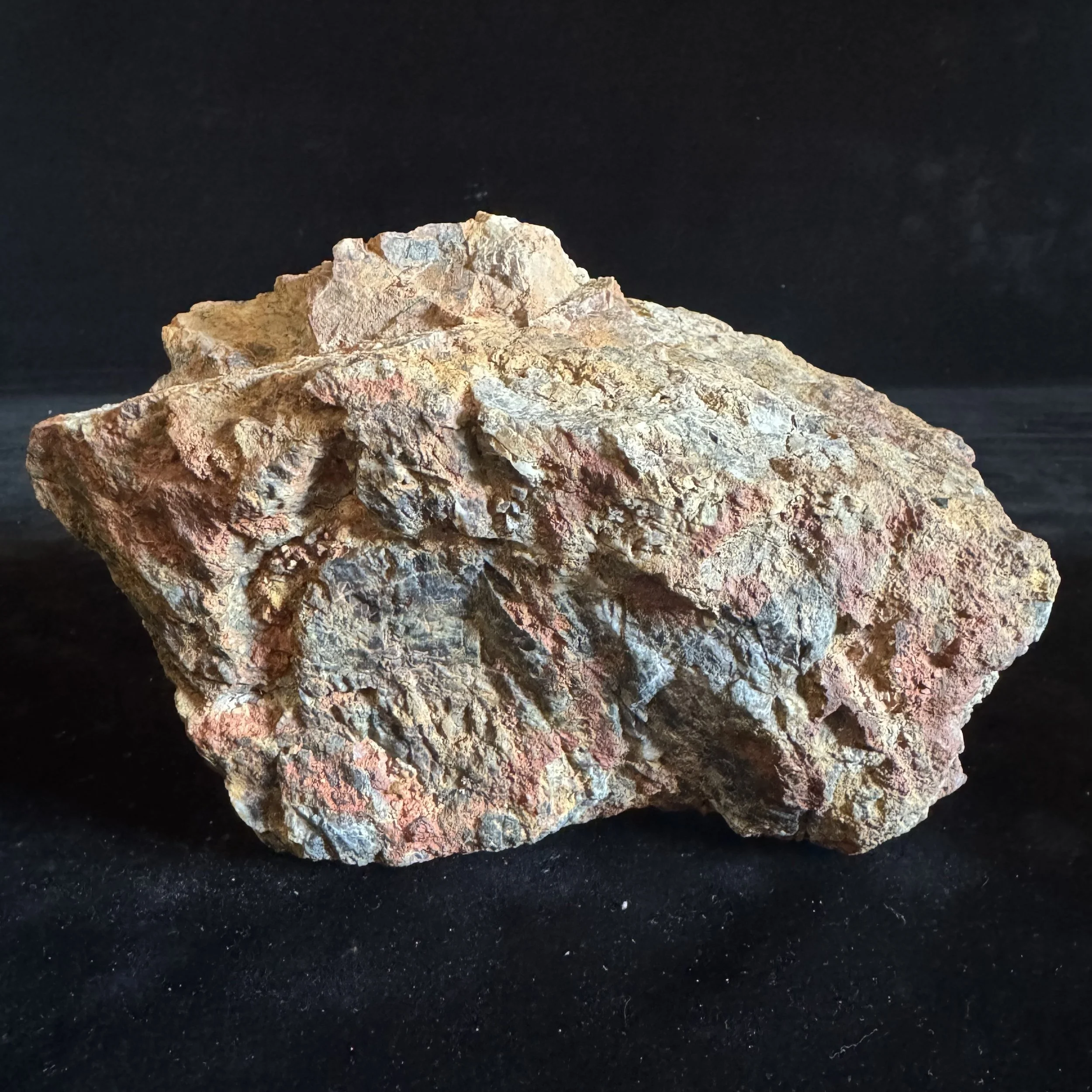 Image 6 of 8
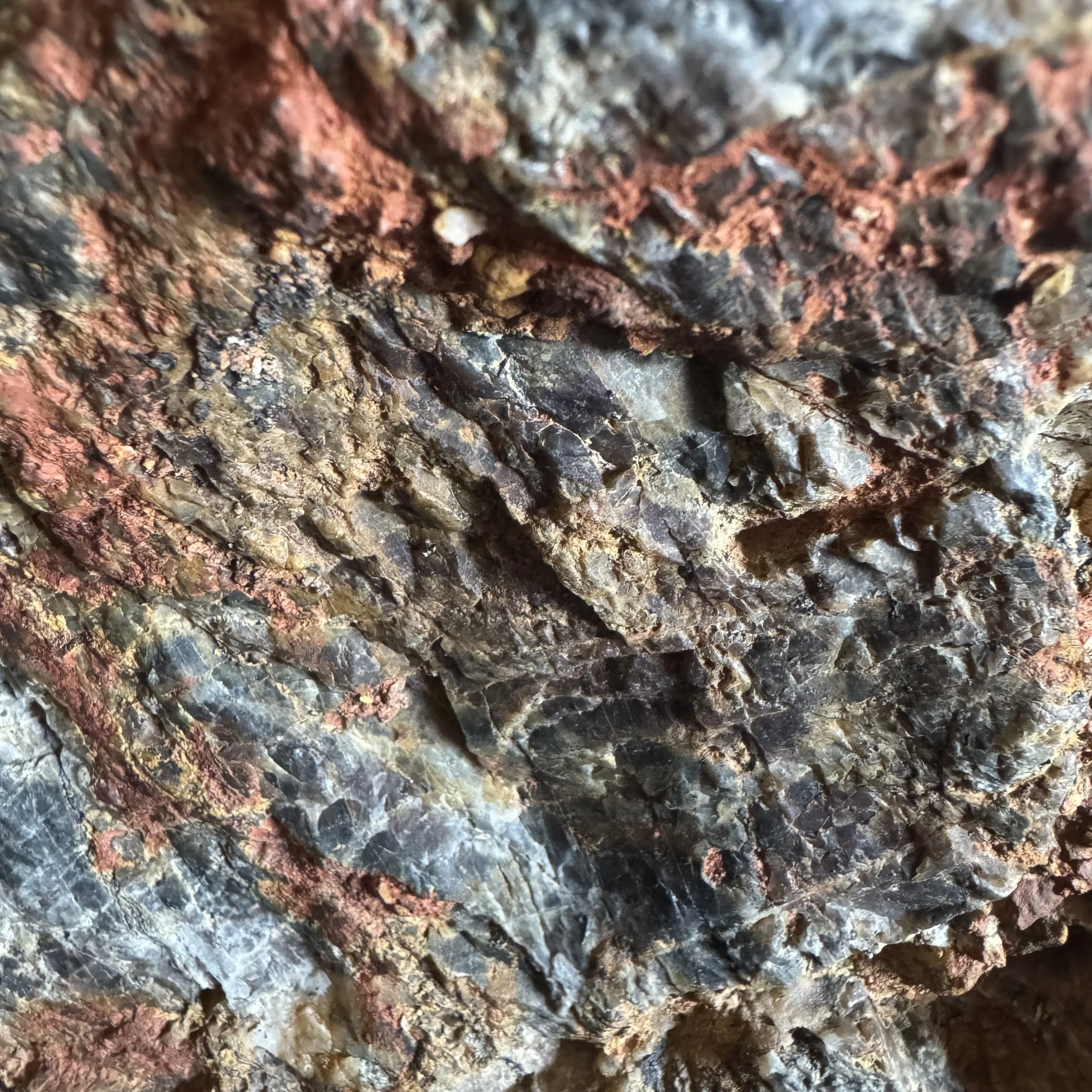 Image 7 of 8
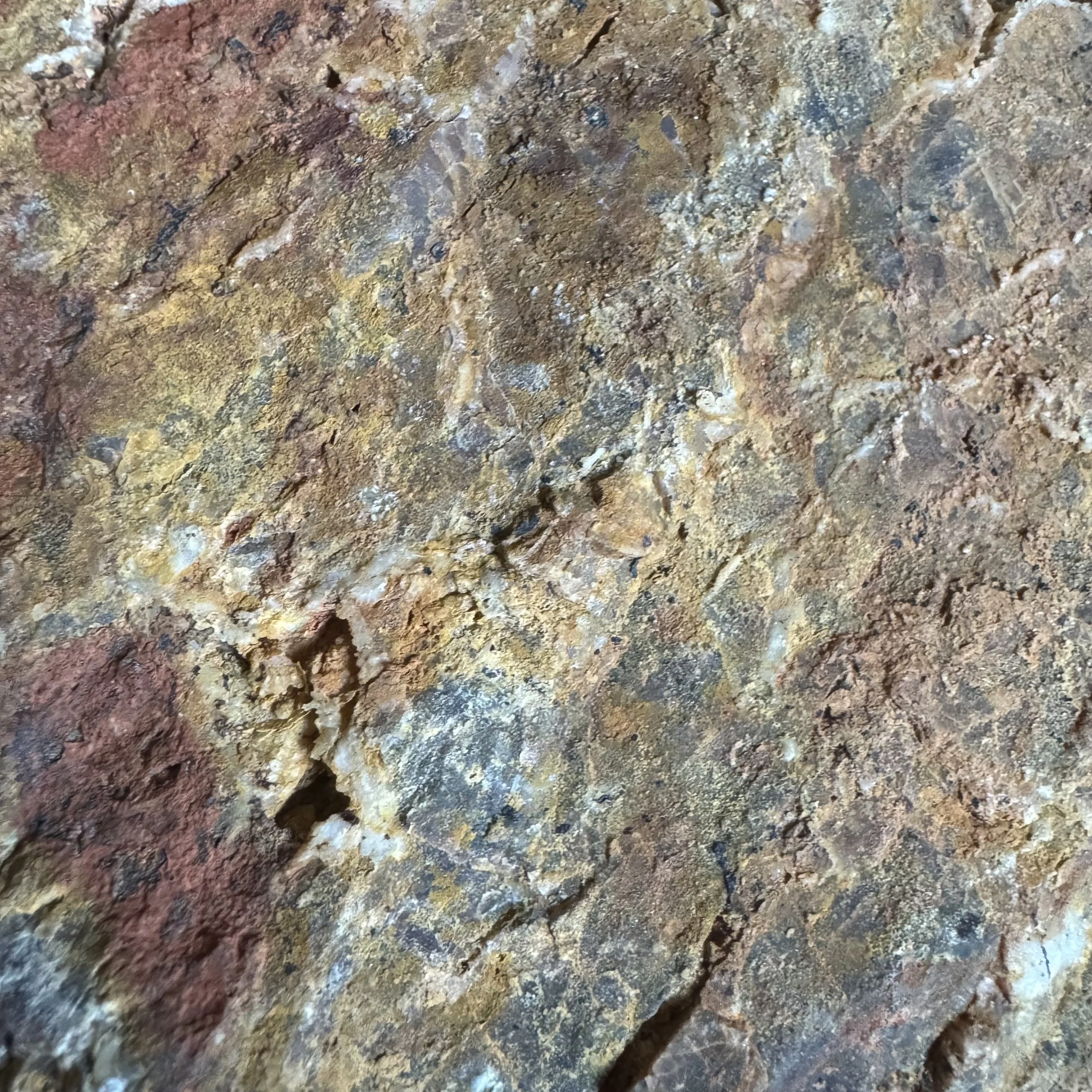 Image 8 of 8