PRIMARY INFO
CORE STATEMENT
A00009 is not defined by clarity, nor by exposed crystalline perfection.
It is defined by mass, saturation, and preserved geological contrast.
The dominant structure is enveloped in a golden iron-stained crust — dense, oxidized, and visually compressed.
Beneath this outer layer, a white crystalline quartz base emerges, interrupted by scattered red–purple hematite-rich zones.
This is not a single-state formation.
This is a titan of layered mineral identity —
where oxidation, crystallization, and internal structural memory coexist within one intact mass.
PHYSICAL SPECIFICATIONS
Weight: 20.054 kg
Dimension:
Width: 28.5 cm
Length: 33.5 cm
Height: 20 cm
ORIGIN
Source / Origin: Coastal mineral zone — Rayong, Thailand
Formation / Process:
Formed through silica-rich quartz deposition within fractured host material, followed by prolonged iron oxidation across exposed surfaces.
Localized hematite concentration developed within specific zones, while sections of the lower body preserved or re-exposed crystalline quartz structures.
Era / Estimated Age: Millions of years
(Exact dating undefined — classified as multi-phase natural formation)
MATERIAL COMPOSITION
Iron-Stained Quartz Mass — Approx. 65–70%
Crystalline White Quartz Base — Approx. 25–30%
Hematite-Rich Red–Purple Zones — Approx. 3–5%
Residual Weathered Matrix & Surface Crust — Approx. 3–6%
Quartz-dominant formation exhibiting strong iron oxide saturation across upper zones, with preserved crystalline quartz structures visible in the lower mass.
Localized hematite concentrations indicate mineral transformation under specific chemical and pressure conditions, forming distinct red–purple inclusions.
Secondary weathering and oxidation processes have stabilized the outer structure, while internal crystalline zones retain structural clarity.
REMARK: Composition is visually estimated based on observable surface and structural characteristics. Laboratory confirmation not yet conducted.
ARTISTIC VALUE
Gilded Mass — “Oxidized Authority”
The upper structure is defined by a golden iron-stained crust — dense, weathered, and visually commanding.
This is not surface coloration. It is mineral saturation over time.
Crystalline Undersurface — “Revealed Foundation”
Beneath the iron-dominant body lies a white quartz structure — fractured, crystalline, and texturally distinct.
It introduces clarity beneath compression.
Hematite Scars — “Mineral Memory Points”
Red–purple inclusions appear as concentrated interruptions within the mass.
These are not dominant veins — but localized markers of transformation.
Strata Compression — “Built Through Time”
Visible layering and fracture lines suggest sequential formation under pressure.
This is a body assembled through phases — not shaped for symmetry.
STRUCTURAL SCALE
Scale Classification: Large-Form Relic (TITAN CLASS)
Formation Integrity:
Maintains structural cohesion across a dense, iron-saturated quartz mass despite visible fractures, oxidation layers, and mineral transitions.
The integration between outer crust and internal crystalline base preserves both mass and structural identity without collapse.
Rarity Factor (Scale):
Large formations undergoing multiple mineral phases — oxidation, hematite concentration, and quartz preservation — typically fragment or degrade.
The preservation of:
indicates a rare convergence of formation, alteration, and survival within a single intact body.
MYTH
The surface is heavy, oxidized, and time-marked. The interior remains structured.
This formation reflects a deeper principle:
What appears weathered is not weakened — it is stabilized through transformation.
Energy Signature:
Endurance through saturation. Structure beneath weight. Stability within layered change.
Collector Note:
This artifact is not designed to impress instantly.
It is designed to anchor — visually, physically, and conceptually.
Anantakala Codex Note:
A preserved multi-phase formation. A record of mineral transition held in equilibrium.
SPATIAL PRESENCE — “GRAVITATIONAL ANCHOR”
Visual Weight Distribution
The iron-rich upper mass creates density, while the crystalline base introduces contrast and lift.
When positioned correctly:
The object does not dominate space — it stabilizes it.
Spatial Role
Acts as a grounding focal point
Balances density and clarity
Introduces layered visual depth
It does not compete with space.
It defines it.
DISPLAY & EXPERIENCE
Display Recommendation:
Best presented with visible contrast between upper iron mass and lower crystalline base.
Orientation should emphasize the transition zone.
Recommended Lighting
Effect:
Enhances golden iron tones
Activates crystalline texture beneath
Reveals depth across fracture lines
Light does not illuminate this piece uniformly.
It reveals its structure in layers.
DISPLAY BASE
PHOTOGRAPHY NOTE
Natural fractures, oxidation layers, and mineral transitions are visible throughout
Crystalline base remains raw and unpolished
No artificial enhancement applied
This piece is presented in its original geological condition
CONDITION NOTE
Natural fractures present across the structure
Surface remains raw with visible oxidation and mineral exposure
No polishing, restoration, or artificial treatment performed
Fully preserved in natural state
TRUST / AUTHORITY
Authentication: Verified and documented by Anantakala Art — Codex Registered Artifact A00009
Curation Note:
Selected for its multi-phase mineral convergence —
where oxidation, crystallization, and structural integrity coexist within a single preserved form
SHIPPING
Shipping available worldwide
Freight arrangement upon request
Due to the weight (20.054 kg), handling will be coordinated individually
HANDLING NOTE
LOGISTICS CLARITY
FINAL STATEMENT
This is not a quartz specimen defined by clarity.
This is a preserved geological mass — where iron saturation, crystalline structure, and mineral memory coexist within one stable form.
Gold-toned oxidation above.
Crystalline quartz beneath.
Hematite presence held between layers.
This piece does not perform.
It endures.
PRIMARY INFO
CORE STATEMENT
A00009 is not defined by clarity, nor by exposed crystalline perfection.
It is defined by mass, saturation, and preserved geological contrast.
The dominant structure is enveloped in a golden iron-stained crust — dense, oxidized, and visually compressed.
Beneath this outer layer, a white crystalline quartz base emerges, interrupted by scattered red–purple hematite-rich zones.
This is not a single-state formation.
This is a titan of layered mineral identity —
where oxidation, crystallization, and internal structural memory coexist within one intact mass.
PHYSICAL SPECIFICATIONS
Weight: 20.054 kg
Dimension:
Width: 28.5 cm
Length: 33.5 cm
Height: 20 cm
ORIGIN
Source / Origin: Coastal mineral zone — Rayong, Thailand
Formation / Process:
Formed through silica-rich quartz deposition within fractured host material, followed by prolonged iron oxidation across exposed surfaces.
Localized hematite concentration developed within specific zones, while sections of the lower body preserved or re-exposed crystalline quartz structures.
Era / Estimated Age: Millions of years
(Exact dating undefined — classified as multi-phase natural formation)
MATERIAL COMPOSITION
Iron-Stained Quartz Mass — Approx. 65–70%
Crystalline White Quartz Base — Approx. 25–30%
Hematite-Rich Red–Purple Zones — Approx. 3–5%
Residual Weathered Matrix & Surface Crust — Approx. 3–6%
Quartz-dominant formation exhibiting strong iron oxide saturation across upper zones, with preserved crystalline quartz structures visible in the lower mass.
Localized hematite concentrations indicate mineral transformation under specific chemical and pressure conditions, forming distinct red–purple inclusions.
Secondary weathering and oxidation processes have stabilized the outer structure, while internal crystalline zones retain structural clarity.
REMARK: Composition is visually estimated based on observable surface and structural characteristics. Laboratory confirmation not yet conducted.
ARTISTIC VALUE
Gilded Mass — “Oxidized Authority”
The upper structure is defined by a golden iron-stained crust — dense, weathered, and visually commanding.
This is not surface coloration. It is mineral saturation over time.
Crystalline Undersurface — “Revealed Foundation”
Beneath the iron-dominant body lies a white quartz structure — fractured, crystalline, and texturally distinct.
It introduces clarity beneath compression.
Hematite Scars — “Mineral Memory Points”
Red–purple inclusions appear as concentrated interruptions within the mass.
These are not dominant veins — but localized markers of transformation.
Strata Compression — “Built Through Time”
Visible layering and fracture lines suggest sequential formation under pressure.
This is a body assembled through phases — not shaped for symmetry.
STRUCTURAL SCALE
Scale Classification: Large-Form Relic (TITAN CLASS)
Formation Integrity:
Maintains structural cohesion across a dense, iron-saturated quartz mass despite visible fractures, oxidation layers, and mineral transitions.
The integration between outer crust and internal crystalline base preserves both mass and structural identity without collapse.
Rarity Factor (Scale):
Large formations undergoing multiple mineral phases — oxidation, hematite concentration, and quartz preservation — typically fragment or degrade.
The preservation of:
indicates a rare convergence of formation, alteration, and survival within a single intact body.
MYTH
The surface is heavy, oxidized, and time-marked. The interior remains structured.
This formation reflects a deeper principle:
What appears weathered is not weakened — it is stabilized through transformation.
Energy Signature:
Endurance through saturation. Structure beneath weight. Stability within layered change.
Collector Note:
This artifact is not designed to impress instantly.
It is designed to anchor — visually, physically, and conceptually.
Anantakala Codex Note:
A preserved multi-phase formation. A record of mineral transition held in equilibrium.
SPATIAL PRESENCE — “GRAVITATIONAL ANCHOR”
Visual Weight Distribution
The iron-rich upper mass creates density, while the crystalline base introduces contrast and lift.
When positioned correctly:
The object does not dominate space — it stabilizes it.
Spatial Role
Acts as a grounding focal point
Balances density and clarity
Introduces layered visual depth
It does not compete with space.
It defines it.
DISPLAY & EXPERIENCE
Display Recommendation:
Best presented with visible contrast between upper iron mass and lower crystalline base.
Orientation should emphasize the transition zone.
Recommended Lighting
Effect:
Enhances golden iron tones
Activates crystalline texture beneath
Reveals depth across fracture lines
Light does not illuminate this piece uniformly.
It reveals its structure in layers.
DISPLAY BASE
PHOTOGRAPHY NOTE
Natural fractures, oxidation layers, and mineral transitions are visible throughout
Crystalline base remains raw and unpolished
No artificial enhancement applied
This piece is presented in its original geological condition
CONDITION NOTE
Natural fractures present across the structure
Surface remains raw with visible oxidation and mineral exposure
No polishing, restoration, or artificial treatment performed
Fully preserved in natural state
TRUST / AUTHORITY
Authentication: Verified and documented by Anantakala Art — Codex Registered Artifact A00009
Curation Note:
Selected for its multi-phase mineral convergence —
where oxidation, crystallization, and structural integrity coexist within a single preserved form
SHIPPING
Shipping available worldwide
Freight arrangement upon request
Due to the weight (20.054 kg), handling will be coordinated individually
HANDLING NOTE
LOGISTICS CLARITY
FINAL STATEMENT
This is not a quartz specimen defined by clarity.
This is a preserved geological mass — where iron saturation, crystalline structure, and mineral memory coexist within one stable form.
Gold-toned oxidation above.
Crystalline quartz beneath.
Hematite presence held between layers.
This piece does not perform.
It endures.

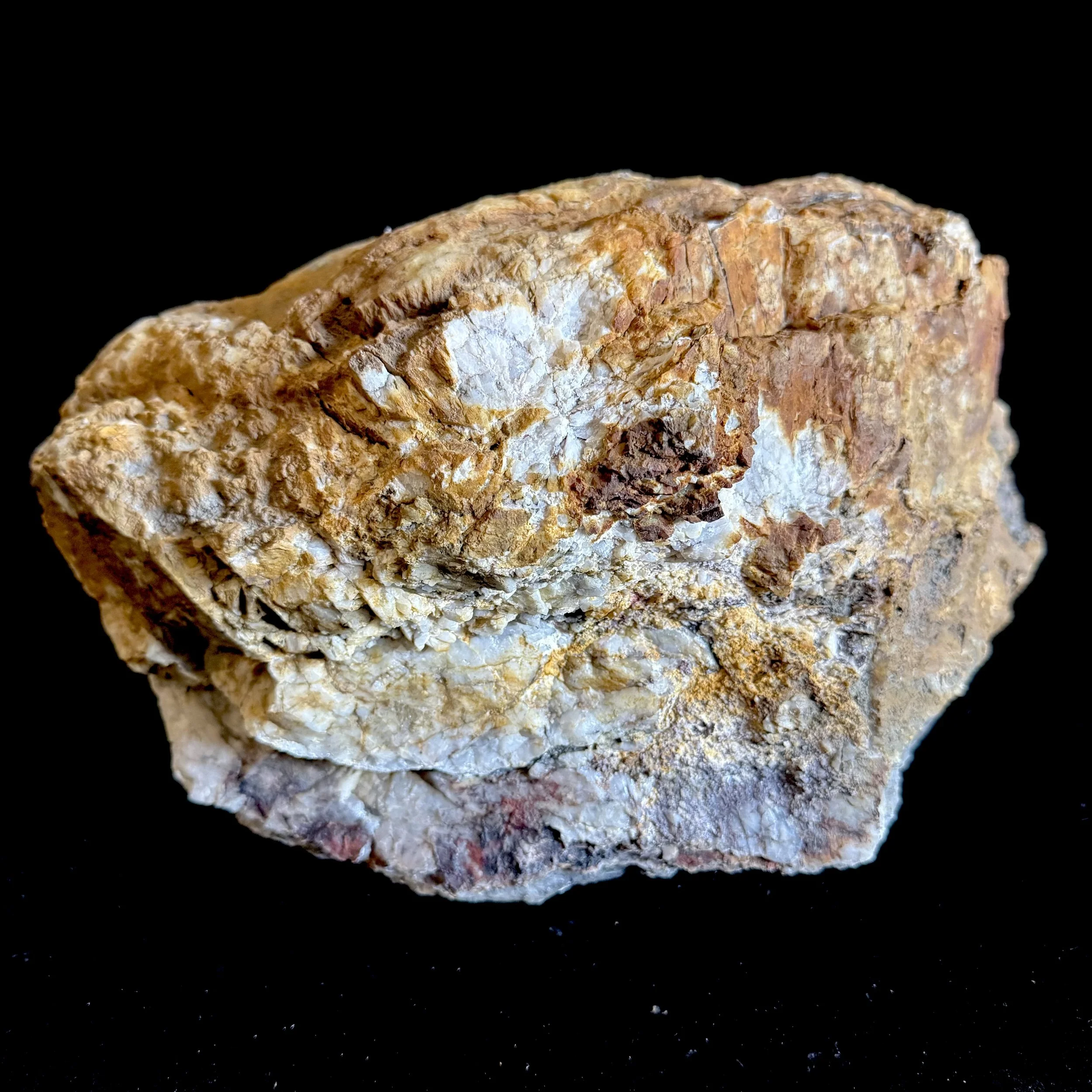 Image 1 of 7
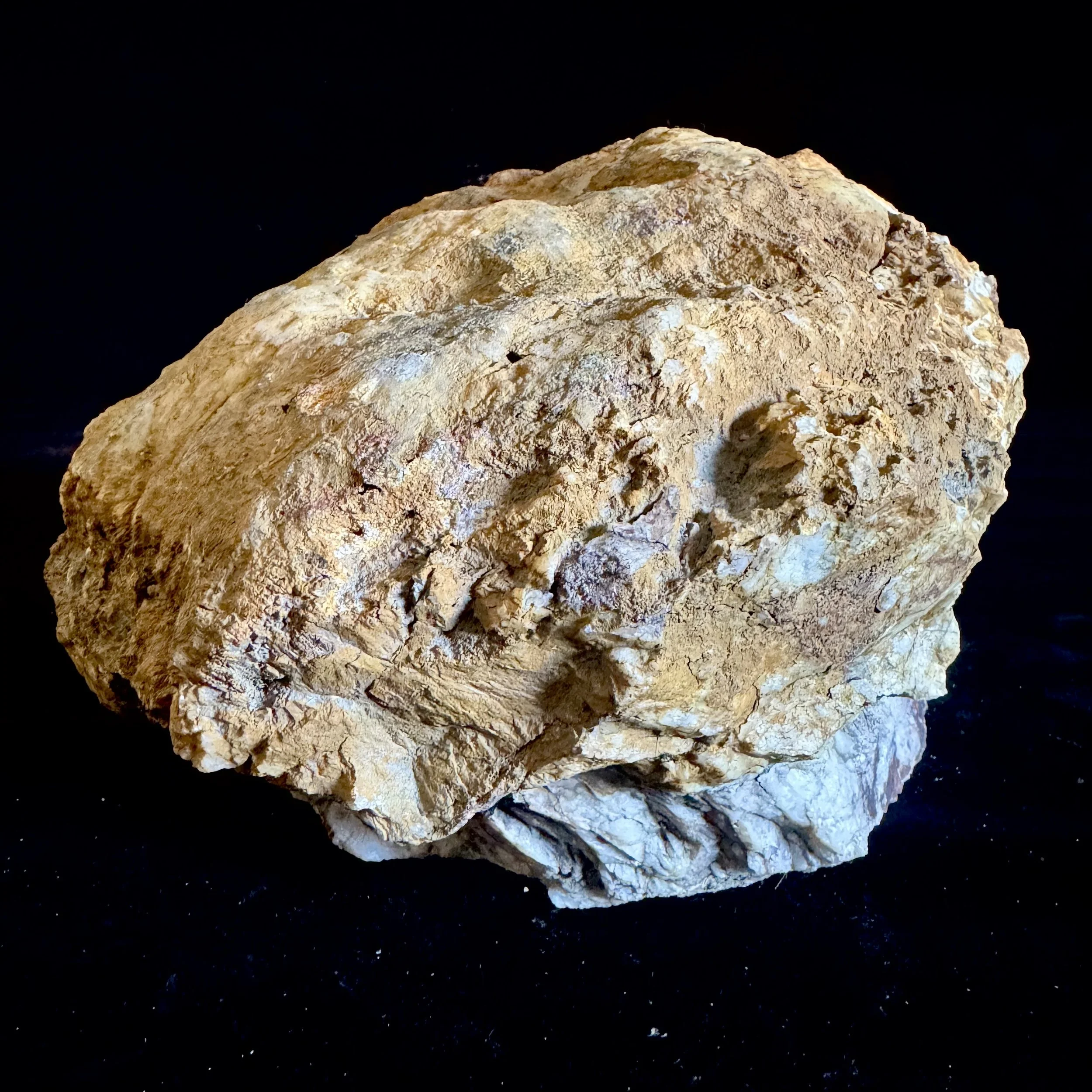 Image 2 of 7
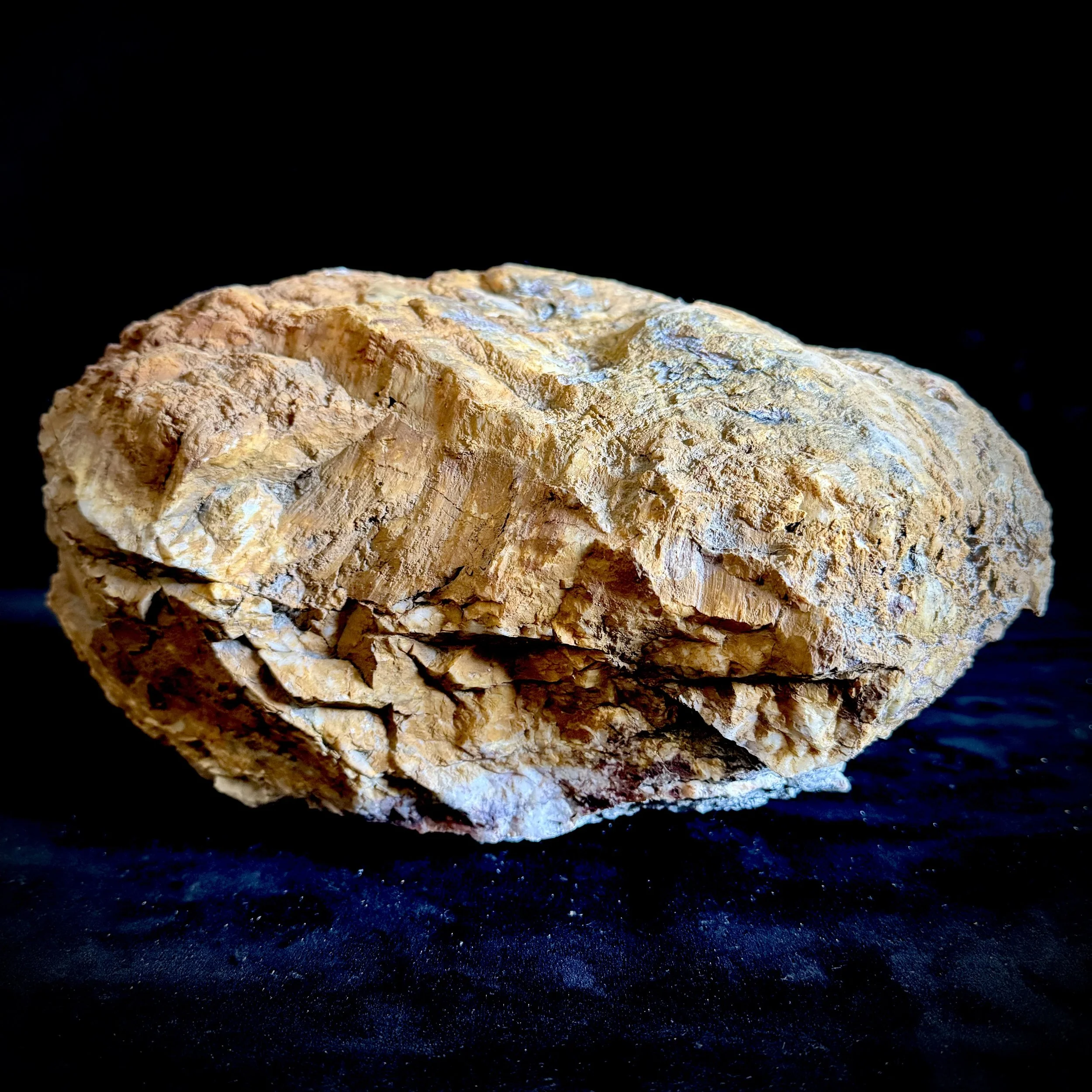 Image 3 of 7
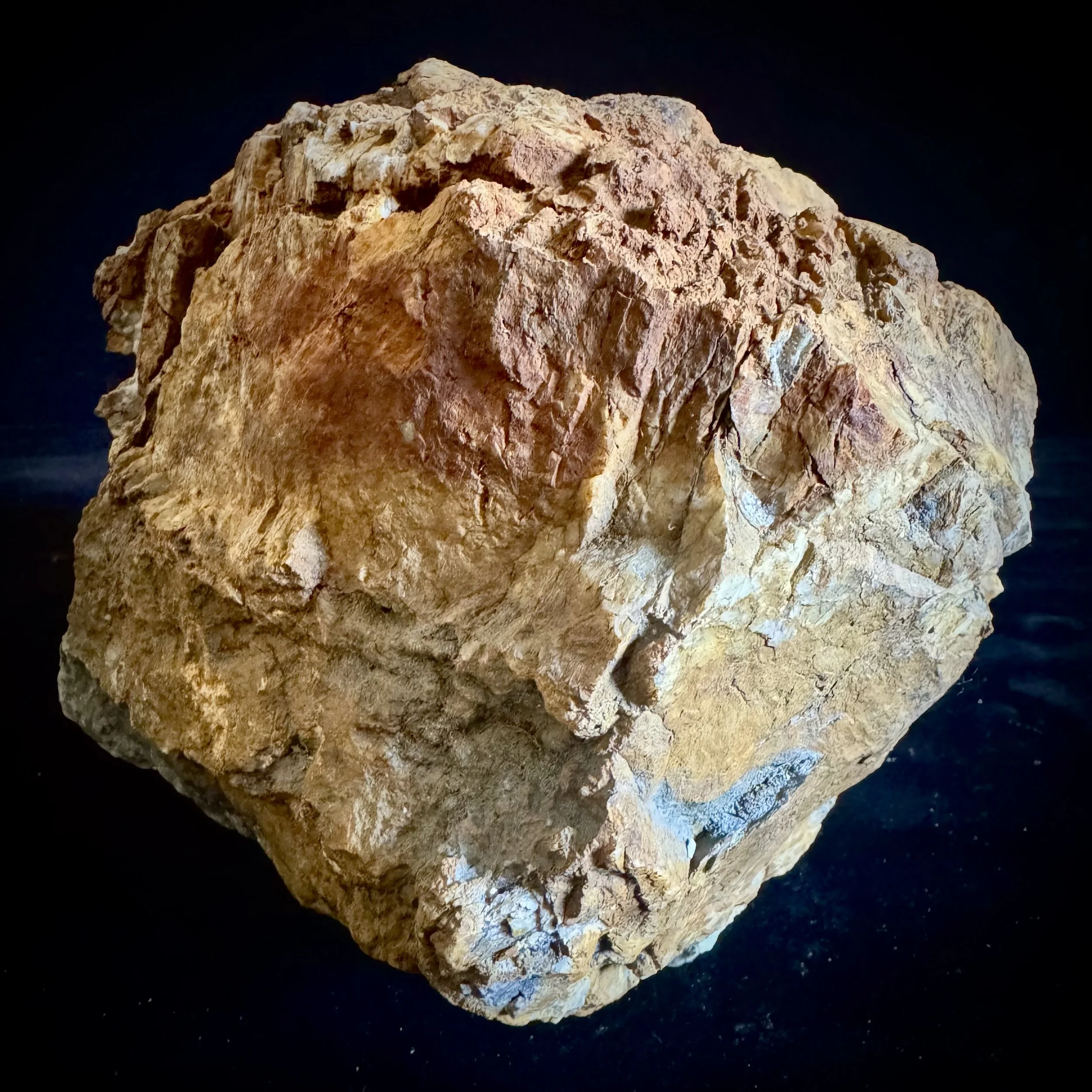 Image 4 of 7
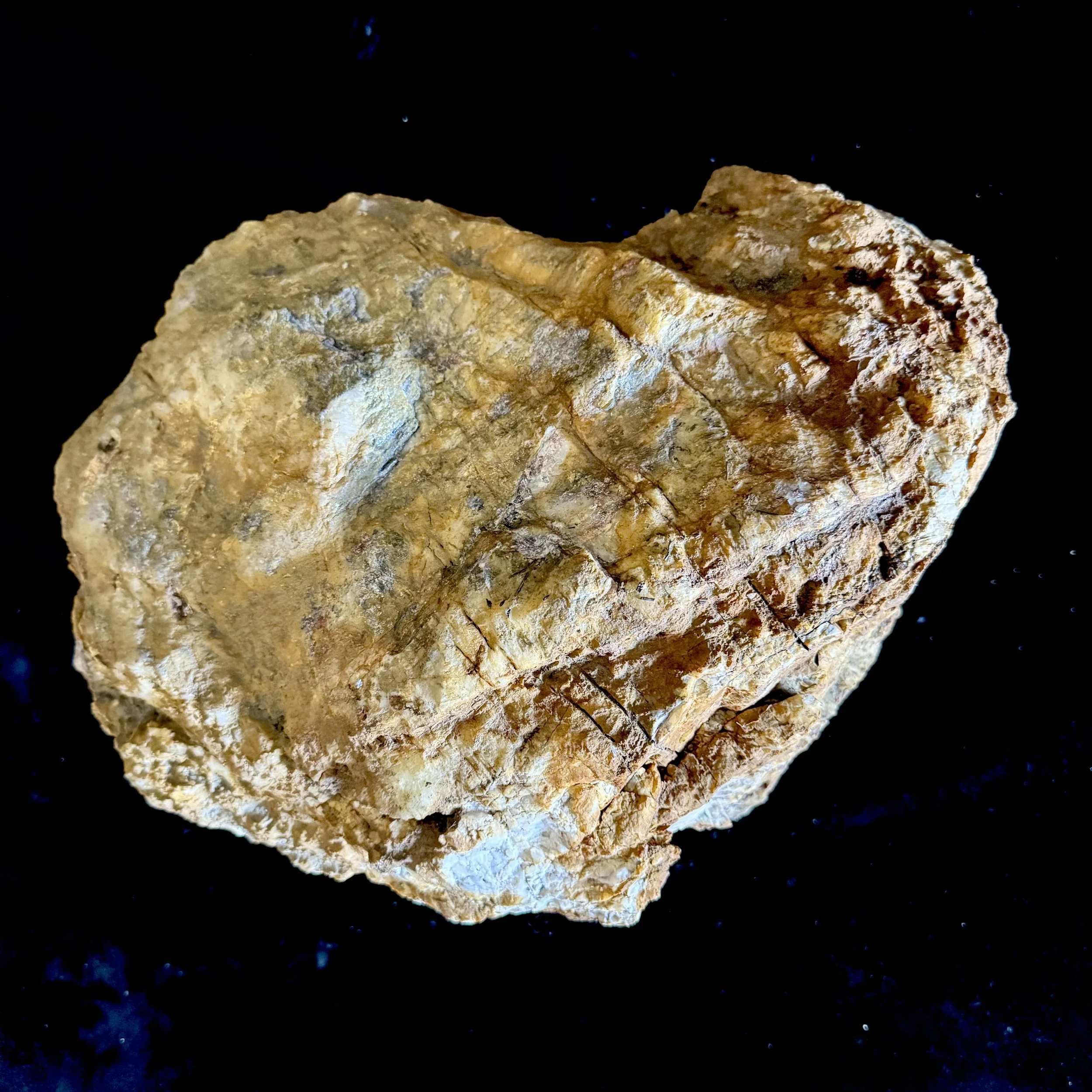 Image 5 of 7
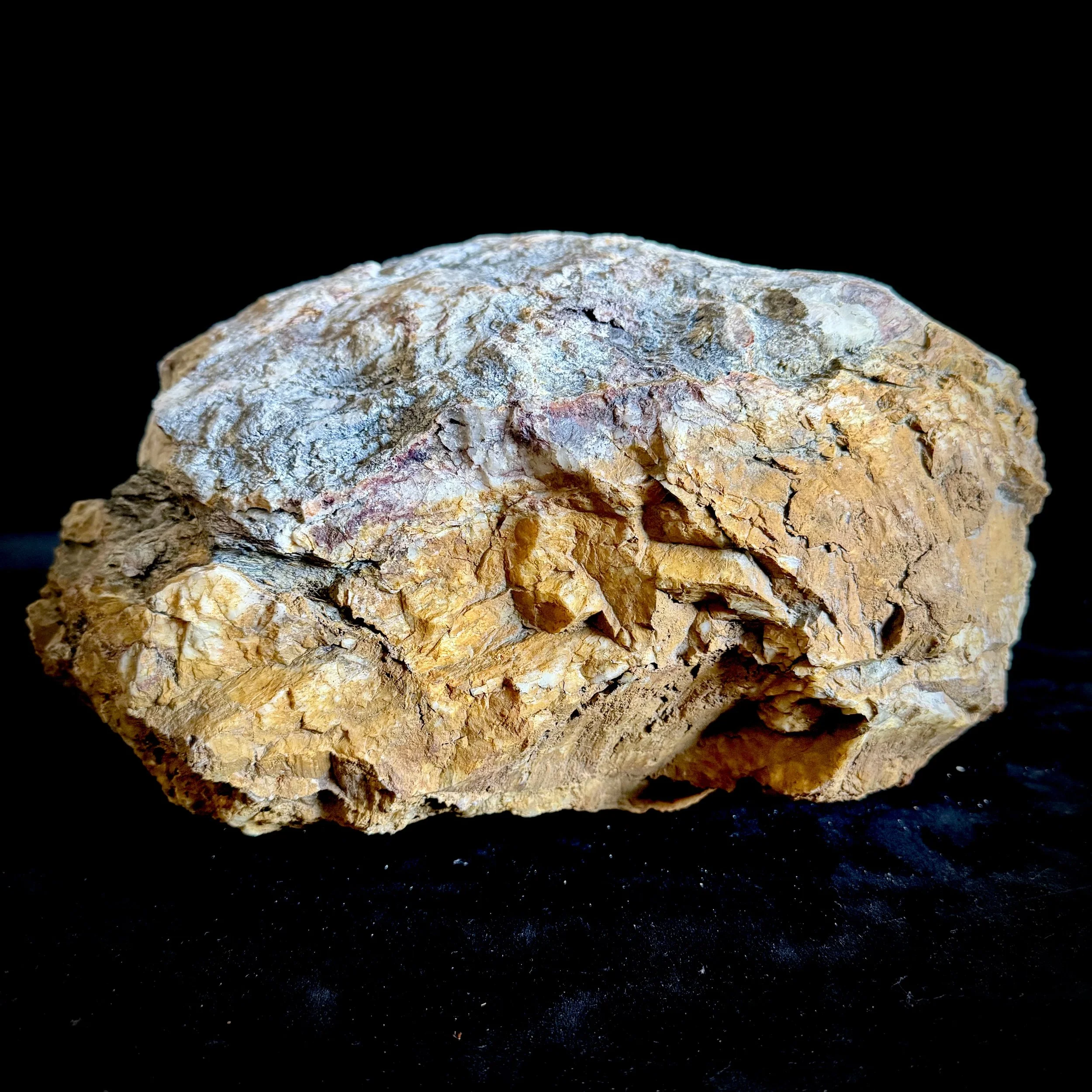 Image 6 of 7
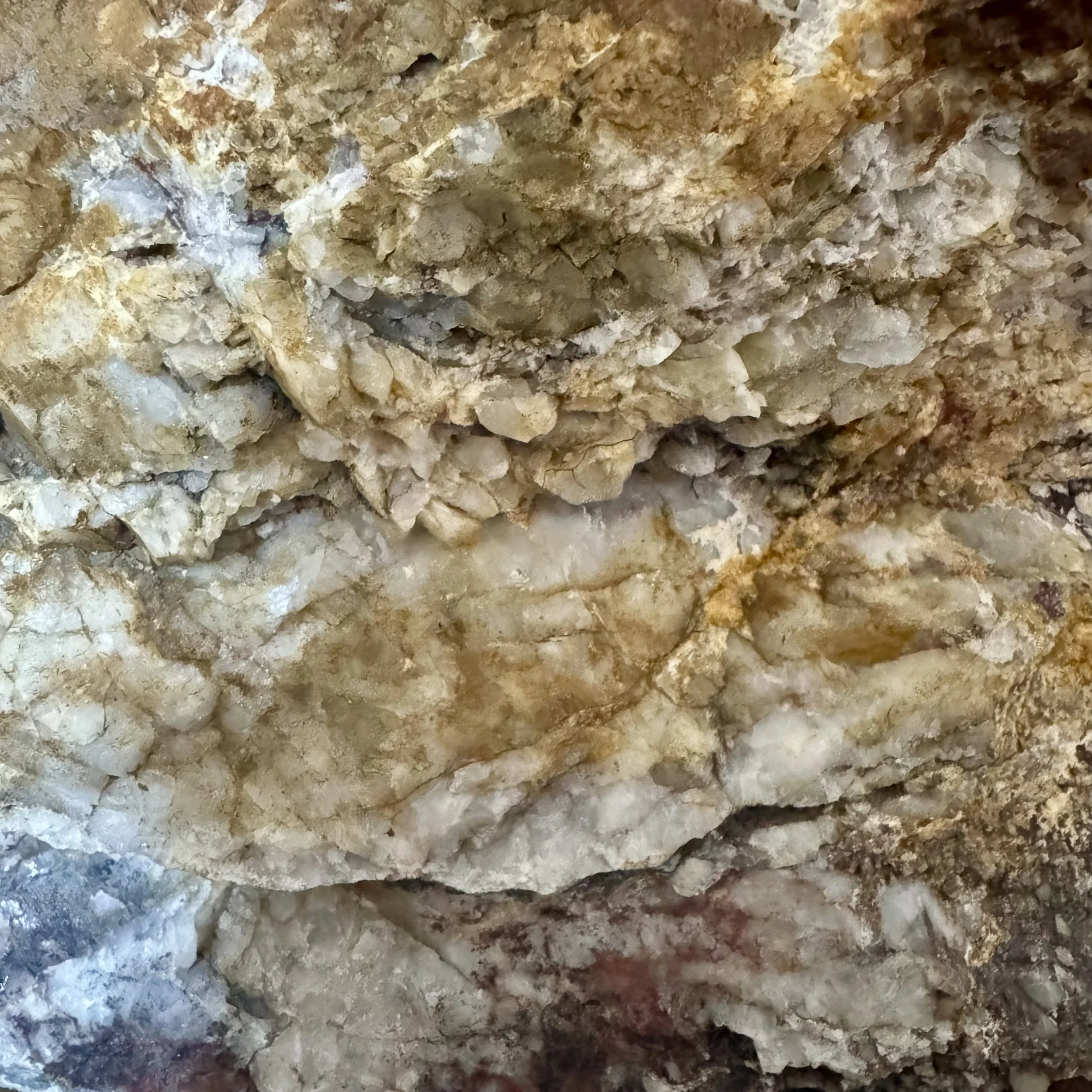 Image 7 of 7