
 Image 1 of 5
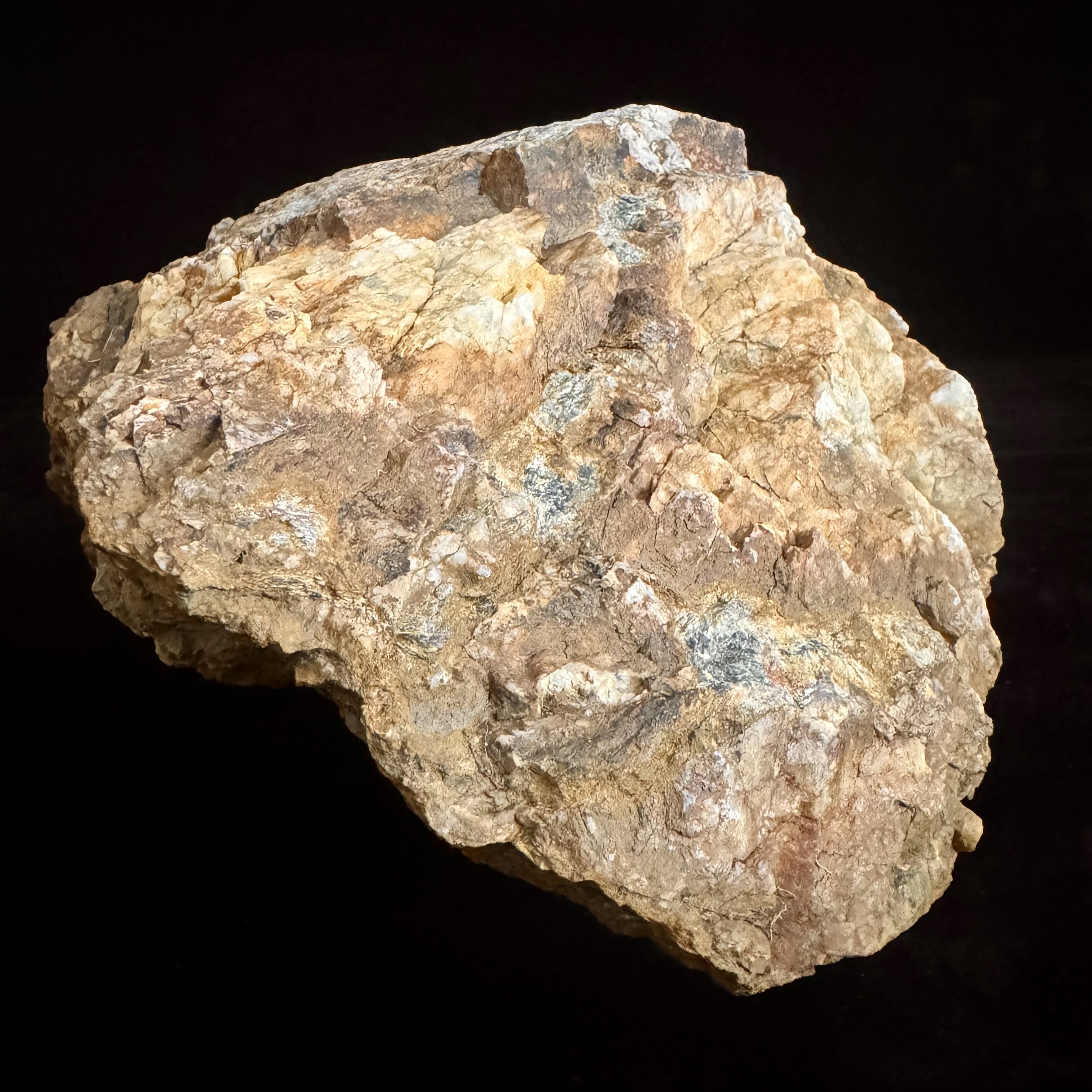 Image 2 of 5
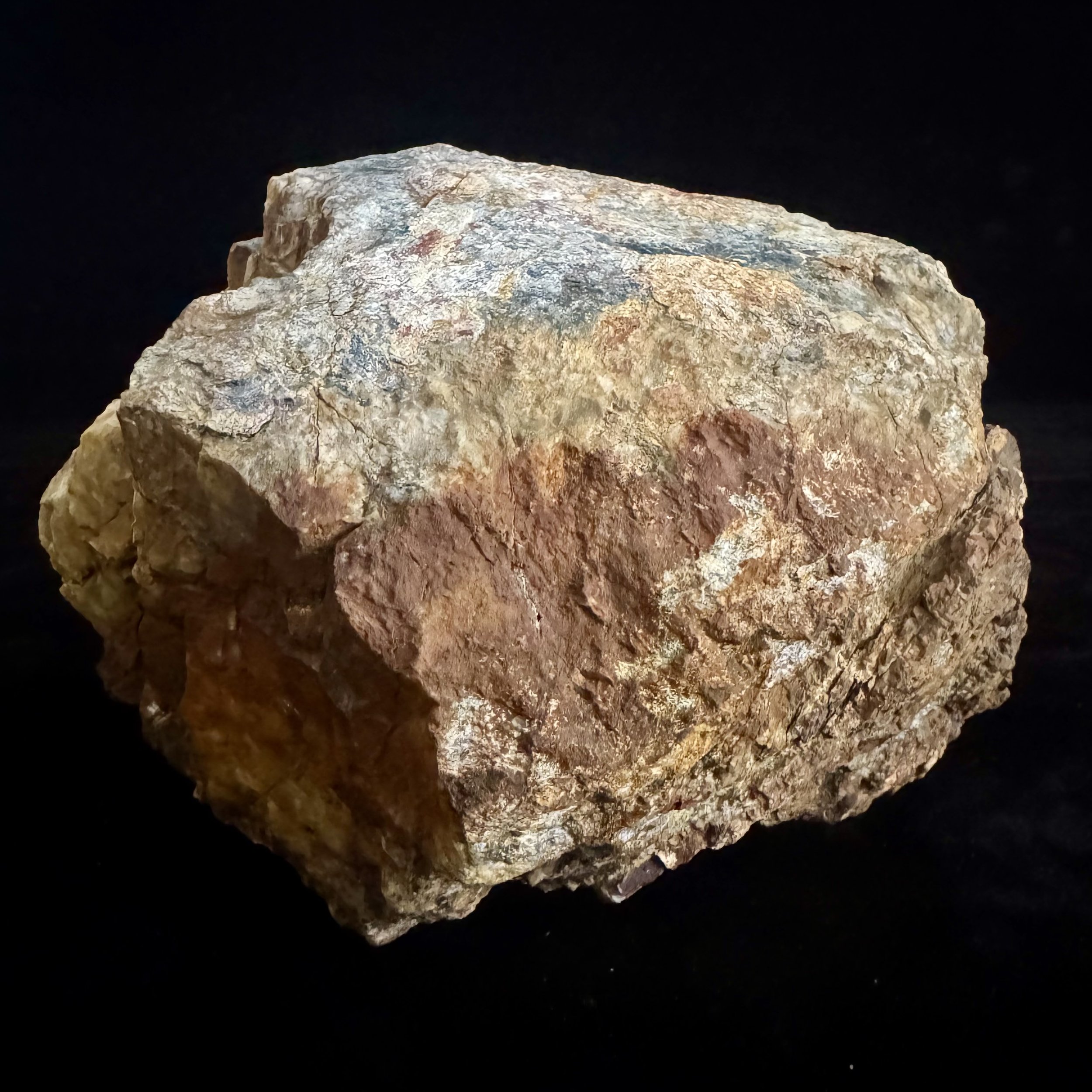 Image 3 of 5
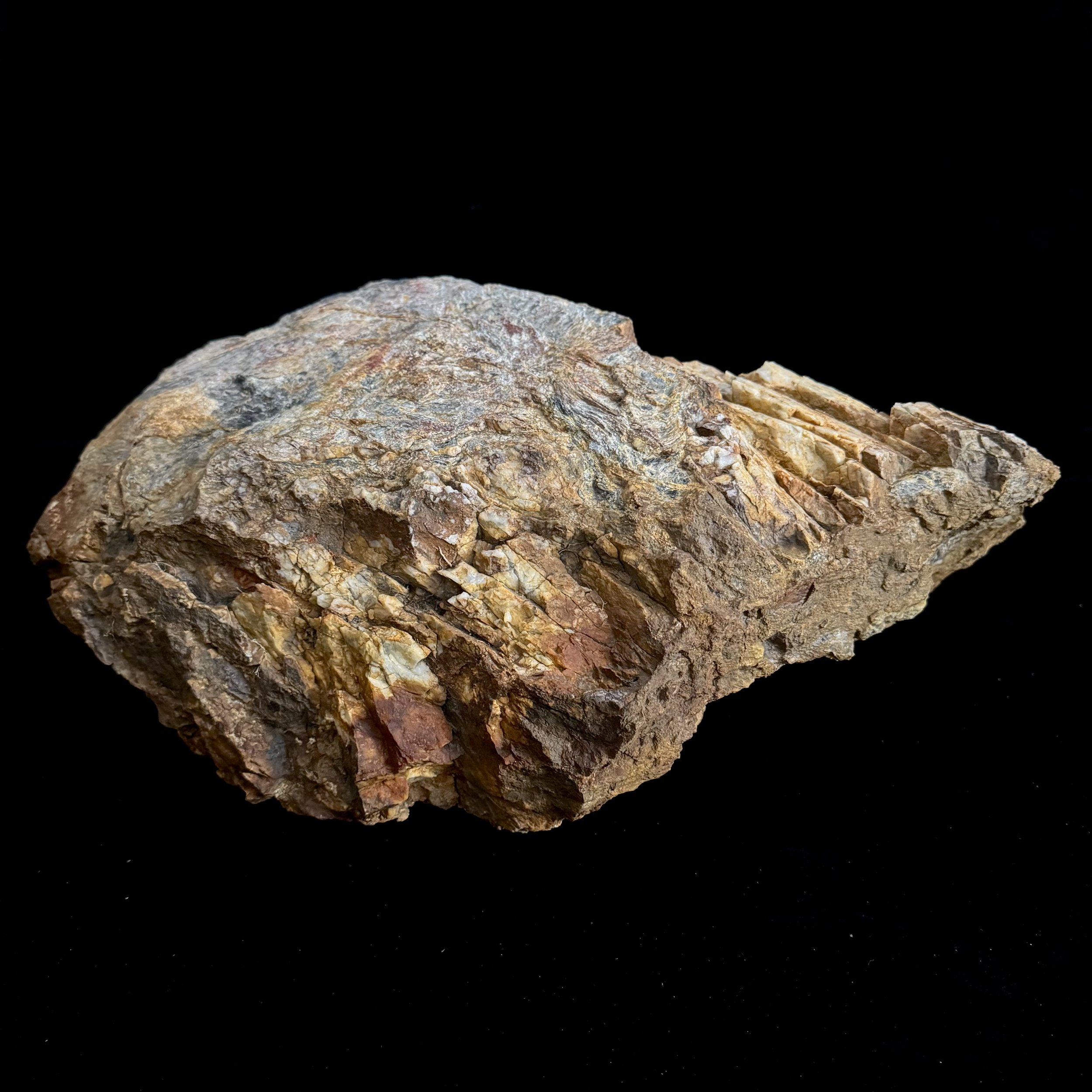 Image 4 of 5
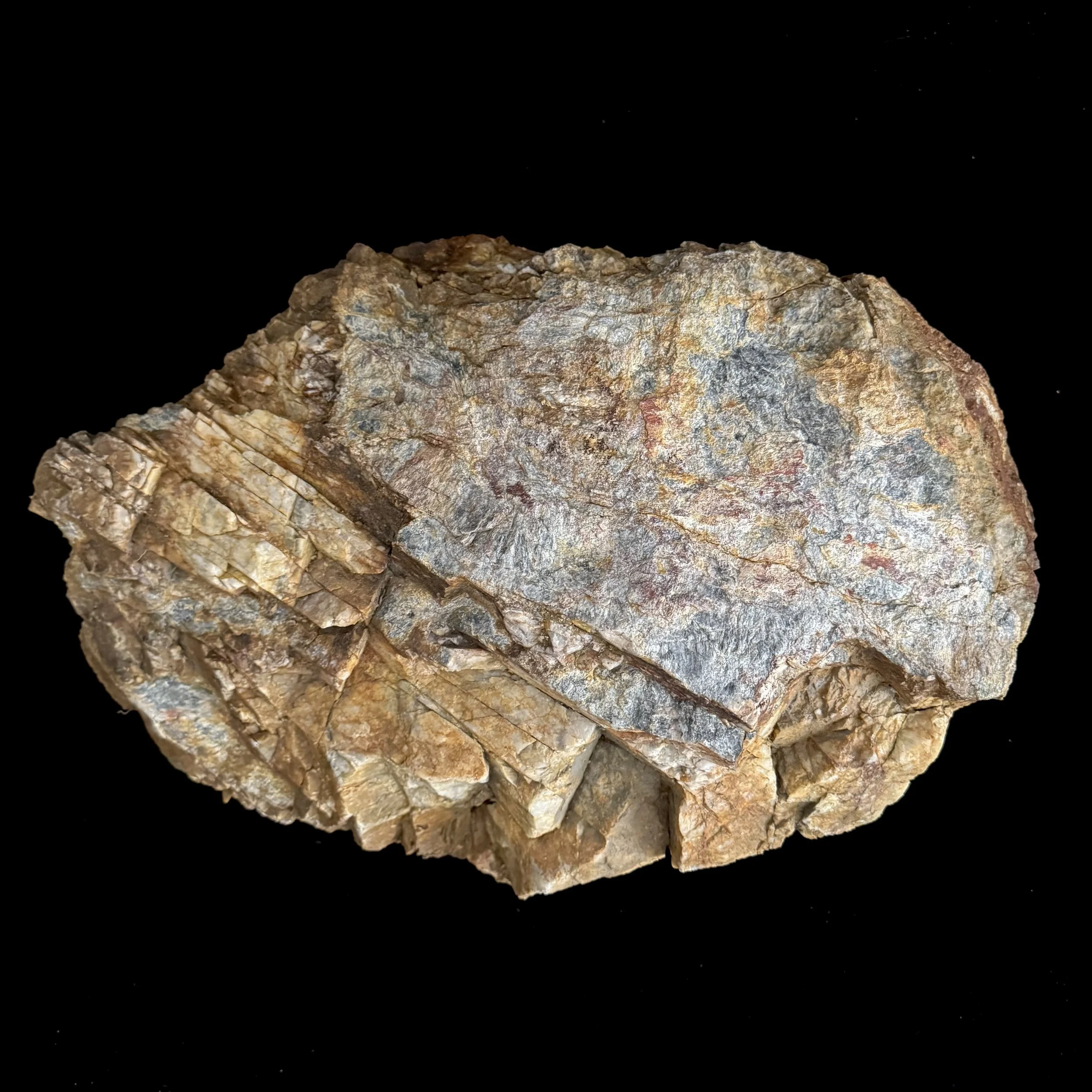 Image 5 of 5
The Labyrinth Fractured Archive
PRIMARY INFO
Codex No.: A00007
Codex Tier: Architectural ( Titan Class )
Rarity Index: 9/10
(Non-repeatable natural formation)
Availability: One of One — No replication possible
CORE STATEMENT
The Labyrinth Fractured Archive A00007 is defined by structure rather than surface.
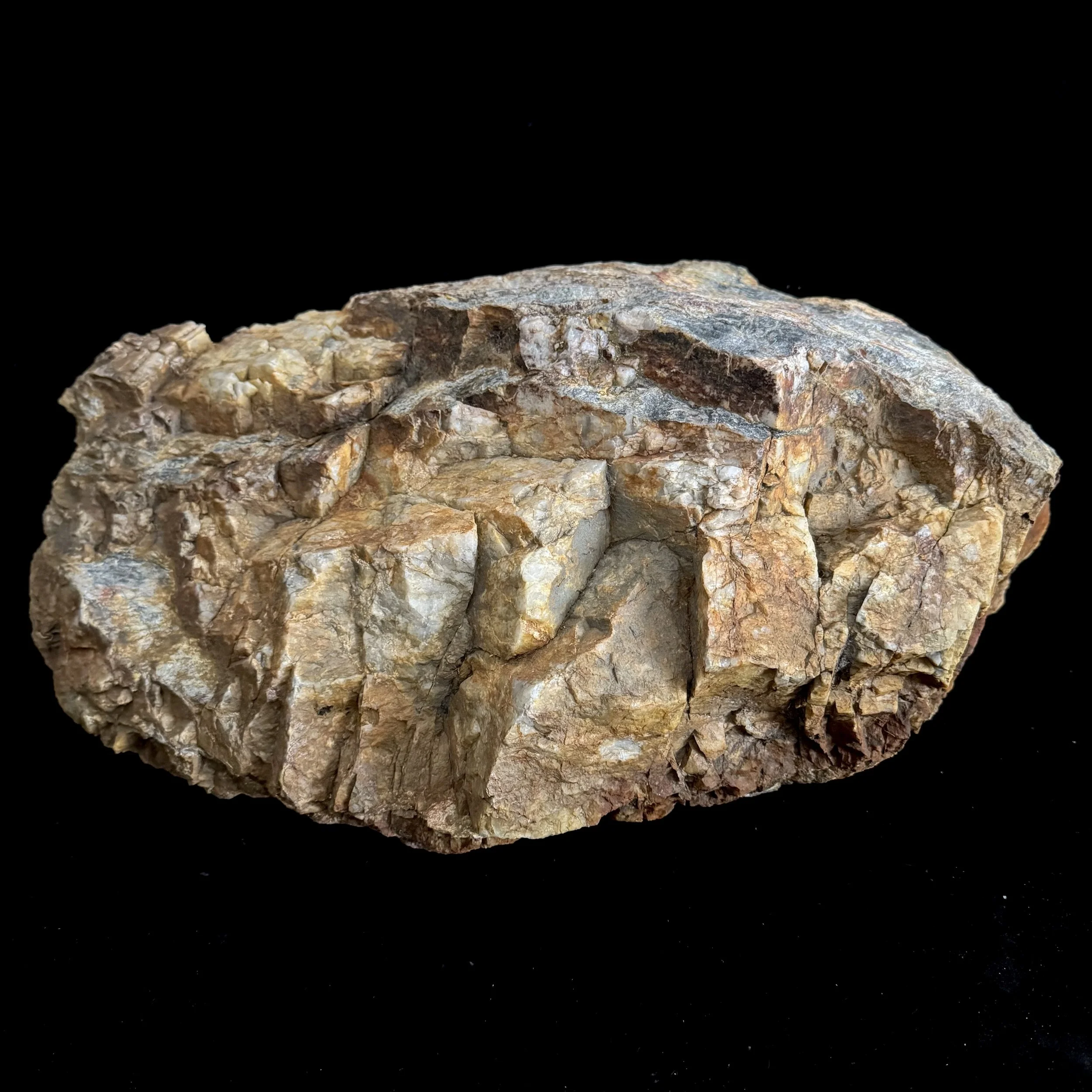
It presents a fractured quartz mass where block-like formations, mineral layering, and pressure-defined planes coexist within a single body. Beneath its exterior lies a preserved internal system — fracture networks, directional quartz planes, and a naturally formed enclosed chamber.This is not a display of surface characteristics. This is an exposed structural system —a formation where fracture does not destroy, but reveals order within matter. Structural Quartz Formation (Fracture-Based Geometry + Internal Chamber)
PHYSICAL SPECIFICATIONS
Weight: 33.275 kg
Dimension:
Width: 30.5 cm
Length: 48.5 cm
Height: 19.5 cm
ORIGIN
Source / Origin: Coastal mineral zone — Rayong, Thailand
Formation / Process: Formed through quartz crystallization under structural compression, followed by multi-phase mineral oxidation and prolonged geological exposure. Fracture networks developed through stress release events, while internal void formation indicates localized structural separation within a stabilized quartz mass.
Era / Estimated Age: Millions of years (Exact dating undefined — classified as Primordial Structural Formation)
MATERIAL COMPOSITION
Quartz Structural Mass — Approx. 55–60%
Iron-Rich Oxidized Mineral Zones — Approx. 20–25%
Subsurface Quartz Planes (Directional / Blade-like) — Approx. 8–12%
Blue-Grey Mineral Complex (Chlorite / Carbonaceous / Sulfide Indicative) — Approx. 3–5%
Secondary Micro-Crystalline Silica — Approx. 2–3%
Residual Weathered Matrix — Approx. 3–5%
Quartz-dominant formation exhibiting structural compression and fracture-based geometry.
Iron oxidation and mineral variation indicate prolonged exposure and chemical interaction over time.
The presence of an internal chamber suggests localized separation under pressure, while directional quartz planes indicate stress-aligned crystallization during structural evolution.
REMARK: Composition is visually estimated based on observable surface and structural characteristics. Laboratory confirmation not yet conducted.
ARTISTIC VALUE
Structural Field (Fractured Block Formation)
The primary composition is defined by large quartz bodies breaking into visible geometric segments.
These formations resemble:Stacked mineral blocks
Collapsed structural faces
Intersecting fracture planes
This is not random breakage. It is pressure organizing matter into form.
Deep Chamber (Enclosed Geological Space)
A00005 contains a natural internal chamber — a deep, enclosed cavity formed within the mass.
This is not a surface basin. It is an internal void. A preserved space created by pressure, separation, and structural release. This feature transforms the piece from solid mass into a structure with interior depth.
It invites observation. It holds unknown space.Chromatic Field — “The Palette of Earth”
Across the surface and internal structure, multiple mineral tones coexist:Blue-gray zones
Crimson iron veins
Gold / Ochre oxidation
White quartz mass
Dark brown mineral depth
These are not decorative variations. They are layered geological states.
A00005 presents a multi-zone chromatic system — rare within a single intact mass.
Quartz Body (Load-Bearing Core)
The quartz within A00007 is not expressive. It is structural.
Dense, opaque, and weight-bearing — it forms the architectural integrity of the piece.
This is quartz as foundation, not ornament.Blade Formation (Directional Quartz Planes)
Within fracture zones, quartz appears in directional blade-like formations.
These angular planes:Suggest directional force
Create visual tension
Introduce sharp structural rhythm
This is not simple fracturing. This is aligned breakage — controlled by geological stress.
Fracture Network — “Library of Pressure”
The visible fracture system forms a dense network across the body.
Each line is a record:Stress pathways
Separation events
Moments of compression and release
This is not damage. This is archived force.
STRUCTURAL SCALE
Scale Classification: Large-Form Relic (TITAN CLASS — Architectural Variant)
Formation Integrity:
Maintains strong structural cohesion despite extensive fracture networks and internal void presence.
The integration of quartz mass, oxidation layers, and directional fracture planes stabilizes the overall form.Rarity Factor (Scale):
Large formations with:Internal chamber preservation
Multi-directional fracture architecture
Structural quartz integrity
Chromatic mineral diversity
are rare due to instability during formation and exposure.
This piece retains both mass and internal structure — a convergence of fracture, formation, and survival.
MYTH
Before fracture, there was order.
After fracture, there was memory.
A00007 reflects a deeper principle:
Structure is not lost through disruption — it is revealed.
• Energy Signature: Stability within disruption. Structure preserved through fracture.
• Collector Note: This piece is not defined by appearance, but by internal organization. It is suited for collectors who recognize structure beyond surface.
• Anantakala Codex Note: A preserved structural archive — where pressure, fracture, and form coexist within a single system.
SPATIAL PRESENCE — “ARCHITECTURAL ANCHOR”
Visual Weight Distribution
Despite its mass, the segmented structure distributes visual weight across planes and elevations.
The formation appears stabilized through geometry rather than density.Spatial Role
Introduces architectural form into space
Anchors environment through structure
Creates focus through complexity rather than scale
This piece does not occupy space. It defines it.
DISPLAY & EXPERIENCE
Display Recommendation:
Best experienced under controlled lighting that reveals structural depth and internal chamber formation.
Recommended Lighting
Angled side lighting
Low directional light into chamber and fracture zones
Avoid full frontal exposure
Effect:
Reveals internal void and structural depth
Enhances directional quartz planes
Activates contrast between fracture and mass
Display Environment:
Matte black / dark stone / raw wood base
Reinforced platform required (33 kg)
Minimal surrounding elements
Clarity emerges through shadow and structure.
DISPLAY BASE
Not included. Custom base available upon request
PHOTOGRAPHY NOTE
Natural fractures, internal chamber, and mineral layering are present throughout the structure.
Surface remains raw and unaltered.
No polishing, restoration, or artificial enhancement has been applied.
This piece is documented in its original geological state.
CONDITION NOTE
Natural fractures and multi-phase mineral transitions are present.
Edges remain raw, with visible weathering and oxidation across exposed surfaces.
No structural modification, polishing, or artificial treatment has been performed.
The formation remains fully preserved in its natural condition.
TRUST / AUTHORITY
Authentication: Verified and documented by Anantakala Art — Codex Registered Artifact A00007
Curation Note: Selected for structural complexity, internal chamber formation, and fracture-based architecture.
This piece represents a rare condition where fracture does not weaken — but defines the form.
SHIPPING
Shipping available worldwide.
Freight arrangement upon request.
Due to the scale and weight of this artifact (33.275 kg), shipping will be coordinated individually to ensure safe handling and delivery.
HANDLING NOTE
This piece requires secure packing and proper lifting due to its mass. Custom packing solutions will be applied based on destination.
LOGISTICS CLARITY
Shipping cost is not included in the listed price. Final quotation will be provided based on location and delivery method.
FINAL STATEMENT
This is not a decorative object. This is a preserved structural system — where fracture reveals architecture,
and disruption reveals order. What appears broken is organized. What appears chaotic is defined.A00007 does not present itself at once.
It reveals its structure — through depth, shadow, and time.
PRIMARY INFO
Codex No.: A00007
Codex Tier: Architectural ( Titan Class )
Rarity Index: 9/10
(Non-repeatable natural formation)
Availability: One of One — No replication possible
CORE STATEMENT
The Labyrinth Fractured Archive A00007 is defined by structure rather than surface.
It presents a fractured quartz mass where block-like formations, mineral layering, and pressure-defined planes coexist within a single body. Beneath its exterior lies a preserved internal system — fracture networks, directional quartz planes, and a naturally formed enclosed chamber.This is not a display of surface characteristics. This is an exposed structural system —a formation where fracture does not destroy, but reveals order within matter. Structural Quartz Formation (Fracture-Based Geometry + Internal Chamber)
PHYSICAL SPECIFICATIONS
Weight: 33.275 kg
Dimension:
Width: 30.5 cm
Length: 48.5 cm
Height: 19.5 cm
ORIGIN
Source / Origin: Coastal mineral zone — Rayong, Thailand
Formation / Process: Formed through quartz crystallization under structural compression, followed by multi-phase mineral oxidation and prolonged geological exposure. Fracture networks developed through stress release events, while internal void formation indicates localized structural separation within a stabilized quartz mass.
Era / Estimated Age: Millions of years (Exact dating undefined — classified as Primordial Structural Formation)
MATERIAL COMPOSITION
Quartz Structural Mass — Approx. 55–60%
Iron-Rich Oxidized Mineral Zones — Approx. 20–25%
Subsurface Quartz Planes (Directional / Blade-like) — Approx. 8–12%
Blue-Grey Mineral Complex (Chlorite / Carbonaceous / Sulfide Indicative) — Approx. 3–5%
Secondary Micro-Crystalline Silica — Approx. 2–3%
Residual Weathered Matrix — Approx. 3–5%
Quartz-dominant formation exhibiting structural compression and fracture-based geometry.
Iron oxidation and mineral variation indicate prolonged exposure and chemical interaction over time.
The presence of an internal chamber suggests localized separation under pressure, while directional quartz planes indicate stress-aligned crystallization during structural evolution.
REMARK: Composition is visually estimated based on observable surface and structural characteristics. Laboratory confirmation not yet conducted.
ARTISTIC VALUE
Structural Field (Fractured Block Formation)
The primary composition is defined by large quartz bodies breaking into visible geometric segments.
These formations resemble:Stacked mineral blocks
Collapsed structural faces
Intersecting fracture planes
This is not random breakage. It is pressure organizing matter into form.
Deep Chamber (Enclosed Geological Space)
A00005 contains a natural internal chamber — a deep, enclosed cavity formed within the mass.
This is not a surface basin. It is an internal void. A preserved space created by pressure, separation, and structural release. This feature transforms the piece from solid mass into a structure with interior depth.
It invites observation. It holds unknown space.Chromatic Field — “The Palette of Earth”
Across the surface and internal structure, multiple mineral tones coexist:Blue-gray zones
Crimson iron veins
Gold / Ochre oxidation
White quartz mass
Dark brown mineral depth
These are not decorative variations. They are layered geological states.
A00005 presents a multi-zone chromatic system — rare within a single intact mass.
Quartz Body (Load-Bearing Core)
The quartz within A00007 is not expressive. It is structural.
Dense, opaque, and weight-bearing — it forms the architectural integrity of the piece.
This is quartz as foundation, not ornament.Blade Formation (Directional Quartz Planes)
Within fracture zones, quartz appears in directional blade-like formations.
These angular planes:Suggest directional force
Create visual tension
Introduce sharp structural rhythm
This is not simple fracturing. This is aligned breakage — controlled by geological stress.
Fracture Network — “Library of Pressure”
The visible fracture system forms a dense network across the body.
Each line is a record:Stress pathways
Separation events
Moments of compression and release
This is not damage. This is archived force.
STRUCTURAL SCALE
Scale Classification: Large-Form Relic (TITAN CLASS — Architectural Variant)
Formation Integrity:
Maintains strong structural cohesion despite extensive fracture networks and internal void presence.
The integration of quartz mass, oxidation layers, and directional fracture planes stabilizes the overall form.Rarity Factor (Scale):
Large formations with:Internal chamber preservation
Multi-directional fracture architecture
Structural quartz integrity
Chromatic mineral diversity
are rare due to instability during formation and exposure.
This piece retains both mass and internal structure — a convergence of fracture, formation, and survival.
MYTH
Before fracture, there was order.
After fracture, there was memory.
A00007 reflects a deeper principle:
Structure is not lost through disruption — it is revealed.
• Energy Signature: Stability within disruption. Structure preserved through fracture.
• Collector Note: This piece is not defined by appearance, but by internal organization. It is suited for collectors who recognize structure beyond surface.
• Anantakala Codex Note: A preserved structural archive — where pressure, fracture, and form coexist within a single system.
SPATIAL PRESENCE — “ARCHITECTURAL ANCHOR”
Visual Weight Distribution
Despite its mass, the segmented structure distributes visual weight across planes and elevations.
The formation appears stabilized through geometry rather than density.Spatial Role
Introduces architectural form into space
Anchors environment through structure
Creates focus through complexity rather than scale
This piece does not occupy space. It defines it.
DISPLAY & EXPERIENCE
Display Recommendation:
Best experienced under controlled lighting that reveals structural depth and internal chamber formation.
Recommended Lighting
Angled side lighting
Low directional light into chamber and fracture zones
Avoid full frontal exposure
Effect:
Reveals internal void and structural depth
Enhances directional quartz planes
Activates contrast between fracture and mass
Display Environment:
Matte black / dark stone / raw wood base
Reinforced platform required (33 kg)
Minimal surrounding elements
Clarity emerges through shadow and structure.
DISPLAY BASE
Not included. Custom base available upon request
PHOTOGRAPHY NOTE
Natural fractures, internal chamber, and mineral layering are present throughout the structure.
Surface remains raw and unaltered.
No polishing, restoration, or artificial enhancement has been applied.
This piece is documented in its original geological state.
CONDITION NOTE
Natural fractures and multi-phase mineral transitions are present.
Edges remain raw, with visible weathering and oxidation across exposed surfaces.
No structural modification, polishing, or artificial treatment has been performed.
The formation remains fully preserved in its natural condition.
TRUST / AUTHORITY
Authentication: Verified and documented by Anantakala Art — Codex Registered Artifact A00007
Curation Note: Selected for structural complexity, internal chamber formation, and fracture-based architecture.
This piece represents a rare condition where fracture does not weaken — but defines the form.
SHIPPING
Shipping available worldwide.
Freight arrangement upon request.
Due to the scale and weight of this artifact (33.275 kg), shipping will be coordinated individually to ensure safe handling and delivery.
HANDLING NOTE
This piece requires secure packing and proper lifting due to its mass. Custom packing solutions will be applied based on destination.
LOGISTICS CLARITY
Shipping cost is not included in the listed price. Final quotation will be provided based on location and delivery method.
FINAL STATEMENT
This is not a decorative object. This is a preserved structural system — where fracture reveals architecture,
and disruption reveals order. What appears broken is organized. What appears chaotic is defined.A00007 does not present itself at once.
It reveals its structure — through depth, shadow, and time.