PRIMARY INFO
Codex No.: A00014
Codex Tier: Primordial (Titan-Class)
Rarity Index: 9.1/10
(Deep subsurface formation with preserved oxidation memory)
Availability: One of One — No replication possible
CORE STATEMENT
The Subterranean Memory Mass A00007 is defined by burial, pressure, and retained geological history.
This formation originates from beneath the visible surface — where mineral saturation, compression, and time accumulate without exposure.
It does not present external clarity. It preserves internal memory.
This is not a surface artifact. This is a mass formed in concealment — revealed only through extraction.
PHYSICAL SPECIFICATIONS
Weight: 40 kg
Dimension:
Width: 20 cm
Length: 41 cm
Height: 35 cm
ORIGIN
Source / Origin: Subsurface mineral zone — Rayong, Thailand
Formation / Process: Formed within compacted earth layers through quartz stabilization, iron-rich fluid infiltration, and multi-phase oxidation under pressure-limited conditions. Transition from oxygen-limited burial to partial exposure introduced hematite and goethite development, creating layered oxidation zones within a dense host matrix.
Era / Estimated Age: Millions of years (Exact dating undefined — classified as Primordial Subterranean Formation)
MATERIAL COMPOSITION
Quartz (SiO₂) — Dominant structural base (Approx. 50–60%)
Hematite (Fe₂O₃) — Primary red iron oxide phase (Approx. 12–18%)
Goethite (FeO(OH)) — Secondary yellow-brown oxidation phase (Approx. 8–12%)
Iron-Rich Oxidized Matrix (Gossan-like) — Approx. 10–15%
Clay / Weathered Host Residues — Approx. 3–6%
Trace Mineral Inclusions — Approx. 2–4%
Iron-bearing fluids infiltrated a quartz-rich host, followed by oxidation cycles transforming iron into hematite and goethite.
This process created a multi-phase iron-quartz system characterized by layered color zones and irregular mineral integration.
REMARK: Composition is visually estimated based on observable surface and structural characteristics. Laboratory confirmation not yet conducted.
ARTISTIC VALUE
Subsurface Crust Field — “Pressure-Aged Surface”
The outer layer is rough, porous, and structurally resistant. This is not erosion from exposure — it is a crust formed under pressure.
Multi-Oxide Memory Zones — “Chemical Stratification”
Color variation reflects mineral transformation:
red (hematite), yellow (goethite), grey-white (quartz exposure). These zones represent sequential geological states.
Fracture Compression System — “Subsurface Stress Map”
Fractures are irregular and non-radiating, shaped by underground pressure distribution rather than surface breakage.
Transitional Mineral Layers — “Phase Interaction”
Zones where quartz emergence and iron dominance intersect create a non-linear mineral identity.
This is not uniform formation — it is dynamic stabilization.
Mass Density — “Buried Weight”
The formation carries dense, grounded presence, reflecting prolonged compression beneath earth layers.
STRUCTURAL SCALE
Scale Classification: Large-Form Relic (TITAN CLASS — Subterranean Variant)
Formation Integrity:
Maintains strong cohesion despite pressure-release fractures and layered oxidation zones.
Mineral bonding remains intact, indicating long-term structural stability beneath burial conditions.
Rarity Factor (Scale):
Large subsurface formations exhibiting:
Gossan-like oxidation structure
Multi-phase iron-quartz interaction
Pressure-driven fracture systems
Preserved density without collapse
are uncommon due to fragmentation during exposure and extraction.
This piece retains both mass and geological memory — a convergence of burial, pressure, and transformation.
MYTH
Before visibility, there was formation. Before form, there was pressure.
A00007 reflects a deeper principle:
What is hidden carries weight beyond what is seen.
Energy Signature: Grounded presence. Stability through burial and pressure accumulation.
Collector Note: This artifact does not project outward. It anchors inward. Suitable for collectors who recognize depth beyond visibility.
Anantakala Codex Note: A preserved subterranean mass — where geological memory remains embedded within structure.
SPATIAL PRESENCE — “GRAVITATIONAL ANCHOR”
This piece does not seek attention. It creates gravity within space.
DISPLAY & EXPERIENCE
Display Recommendation:
Best placed at low elevation to reinforce grounded presence and mass perception.
Recommended Lighting
Effect:
Enhances surface texture and depth
Reveals oxidation layers and fracture systems
Strengthens perception of density
Display Environment
Floor-level or low platform
Matte black / raw stone base
Minimal surrounding objects
Presence is experienced through weight, not visibility.
DISPLAY BASE
PHOTOGRAPHY NOTE
Natural fractures, oxidation layers, and mineral transitions are present throughout the structure.
Surface remains raw and unaltered.
No polishing, restoration, or artificial enhancement has been applied.
This piece is documented in its original geological state.
CONDITION NOTE
Natural fractures present from pressure release
Surface unpolished with visible oxidation and mineral variation
No structural modification or artificial treatment
Fully preserved in original excavation condition
TRUST / AUTHORITY
Authentication: Verified and documented by Anantakala Art — Codex Registered Artifact A00014
Curation Note: Selected for subsurface origin, mineral density, and preserved geological memory.
This piece represents a rare condition where formation occurred beneath visibility and remained intact through extraction.
SHIPPING
Shipping available worldwide
Freight arrangement required due to scale (40 kg)
Custom packaging and reinforced handling ensured
HANDLING NOTE
LOGISTICS CLARITY
FINAL STATEMENT
This is not a decorative object. This is a preserved subterranean mass — formed beneath visibility, shaped by pressure,
and revealed through excavation.
What remains unseen carries weight. What remains buried retains memory.
A00014 does not present itself. It is uncovered — and understood over time.
PRIMARY INFO
Codex No.: A00014
Codex Tier: Primordial (Titan-Class)
Rarity Index: 9.1/10
(Deep subsurface formation with preserved oxidation memory)
Availability: One of One — No replication possible
CORE STATEMENT
The Subterranean Memory Mass A00007 is defined by burial, pressure, and retained geological history.
This formation originates from beneath the visible surface — where mineral saturation, compression, and time accumulate without exposure.
It does not present external clarity. It preserves internal memory.
This is not a surface artifact. This is a mass formed in concealment — revealed only through extraction.
PHYSICAL SPECIFICATIONS
Weight: 40 kg
Dimension:
Width: 20 cm
Length: 41 cm
Height: 35 cm
ORIGIN
Source / Origin: Subsurface mineral zone — Rayong, Thailand
Formation / Process: Formed within compacted earth layers through quartz stabilization, iron-rich fluid infiltration, and multi-phase oxidation under pressure-limited conditions. Transition from oxygen-limited burial to partial exposure introduced hematite and goethite development, creating layered oxidation zones within a dense host matrix.
Era / Estimated Age: Millions of years (Exact dating undefined — classified as Primordial Subterranean Formation)
MATERIAL COMPOSITION
Quartz (SiO₂) — Dominant structural base (Approx. 50–60%)
Hematite (Fe₂O₃) — Primary red iron oxide phase (Approx. 12–18%)
Goethite (FeO(OH)) — Secondary yellow-brown oxidation phase (Approx. 8–12%)
Iron-Rich Oxidized Matrix (Gossan-like) — Approx. 10–15%
Clay / Weathered Host Residues — Approx. 3–6%
Trace Mineral Inclusions — Approx. 2–4%
Iron-bearing fluids infiltrated a quartz-rich host, followed by oxidation cycles transforming iron into hematite and goethite.
This process created a multi-phase iron-quartz system characterized by layered color zones and irregular mineral integration.
REMARK: Composition is visually estimated based on observable surface and structural characteristics. Laboratory confirmation not yet conducted.
ARTISTIC VALUE
Subsurface Crust Field — “Pressure-Aged Surface”
The outer layer is rough, porous, and structurally resistant. This is not erosion from exposure — it is a crust formed under pressure.
Multi-Oxide Memory Zones — “Chemical Stratification”
Color variation reflects mineral transformation:
red (hematite), yellow (goethite), grey-white (quartz exposure). These zones represent sequential geological states.
Fracture Compression System — “Subsurface Stress Map”
Fractures are irregular and non-radiating, shaped by underground pressure distribution rather than surface breakage.
Transitional Mineral Layers — “Phase Interaction”
Zones where quartz emergence and iron dominance intersect create a non-linear mineral identity.
This is not uniform formation — it is dynamic stabilization.
Mass Density — “Buried Weight”
The formation carries dense, grounded presence, reflecting prolonged compression beneath earth layers.
STRUCTURAL SCALE
Scale Classification: Large-Form Relic (TITAN CLASS — Subterranean Variant)
Formation Integrity:
Maintains strong cohesion despite pressure-release fractures and layered oxidation zones.
Mineral bonding remains intact, indicating long-term structural stability beneath burial conditions.
Rarity Factor (Scale):
Large subsurface formations exhibiting:
Gossan-like oxidation structure
Multi-phase iron-quartz interaction
Pressure-driven fracture systems
Preserved density without collapse
are uncommon due to fragmentation during exposure and extraction.
This piece retains both mass and geological memory — a convergence of burial, pressure, and transformation.
MYTH
Before visibility, there was formation. Before form, there was pressure.
A00007 reflects a deeper principle:
What is hidden carries weight beyond what is seen.
Energy Signature: Grounded presence. Stability through burial and pressure accumulation.
Collector Note: This artifact does not project outward. It anchors inward. Suitable for collectors who recognize depth beyond visibility.
Anantakala Codex Note: A preserved subterranean mass — where geological memory remains embedded within structure.
SPATIAL PRESENCE — “GRAVITATIONAL ANCHOR”
This piece does not seek attention. It creates gravity within space.
DISPLAY & EXPERIENCE
Display Recommendation:
Best placed at low elevation to reinforce grounded presence and mass perception.
Recommended Lighting
Effect:
Enhances surface texture and depth
Reveals oxidation layers and fracture systems
Strengthens perception of density
Display Environment
Floor-level or low platform
Matte black / raw stone base
Minimal surrounding objects
Presence is experienced through weight, not visibility.
DISPLAY BASE
PHOTOGRAPHY NOTE
Natural fractures, oxidation layers, and mineral transitions are present throughout the structure.
Surface remains raw and unaltered.
No polishing, restoration, or artificial enhancement has been applied.
This piece is documented in its original geological state.
CONDITION NOTE
Natural fractures present from pressure release
Surface unpolished with visible oxidation and mineral variation
No structural modification or artificial treatment
Fully preserved in original excavation condition
TRUST / AUTHORITY
Authentication: Verified and documented by Anantakala Art — Codex Registered Artifact A00014
Curation Note: Selected for subsurface origin, mineral density, and preserved geological memory.
This piece represents a rare condition where formation occurred beneath visibility and remained intact through extraction.
SHIPPING
Shipping available worldwide
Freight arrangement required due to scale (40 kg)
Custom packaging and reinforced handling ensured
HANDLING NOTE
LOGISTICS CLARITY
FINAL STATEMENT
This is not a decorative object. This is a preserved subterranean mass — formed beneath visibility, shaped by pressure,
and revealed through excavation.
What remains unseen carries weight. What remains buried retains memory.
A00014 does not present itself. It is uncovered — and understood over time.

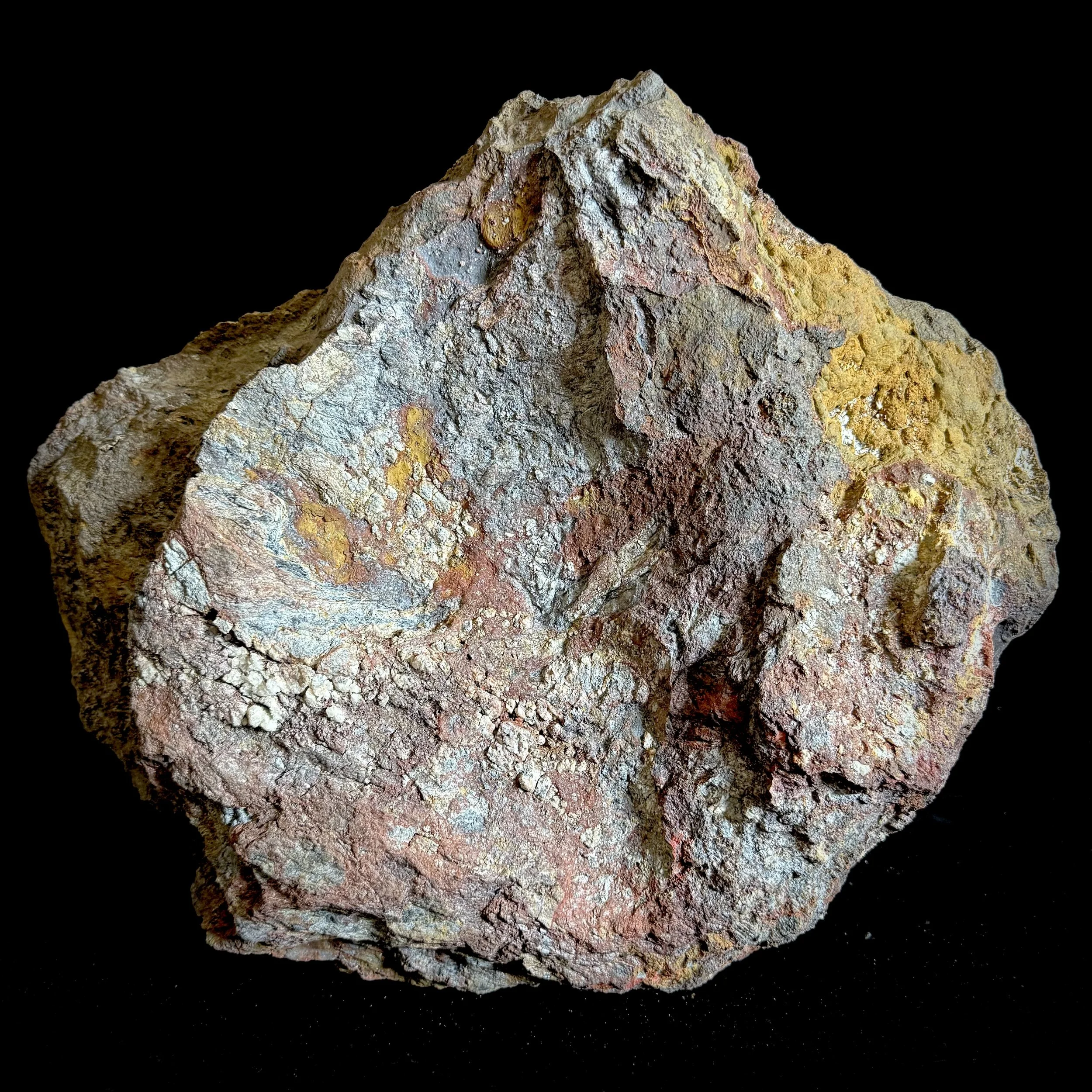 Image 1 of 6
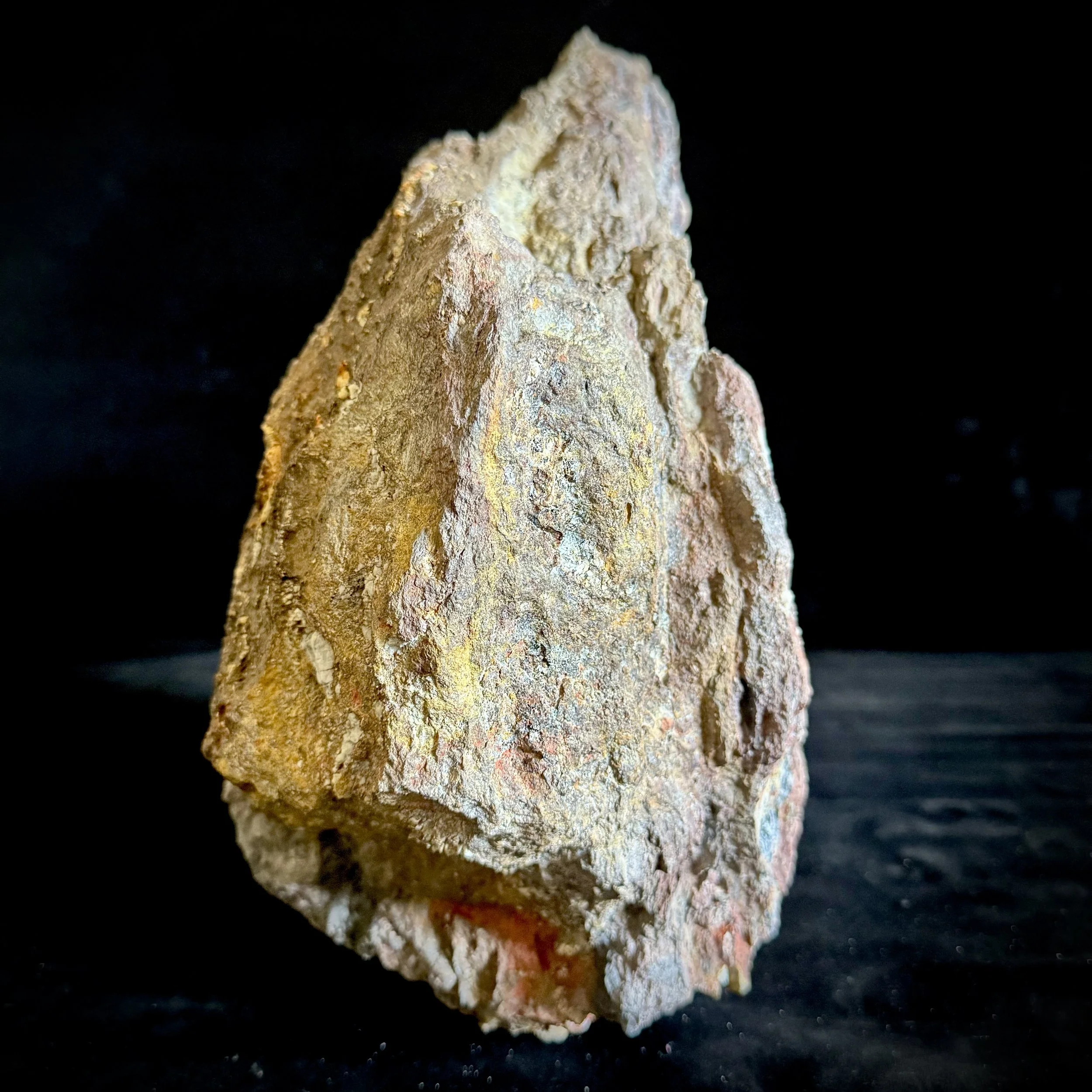 Image 2 of 6
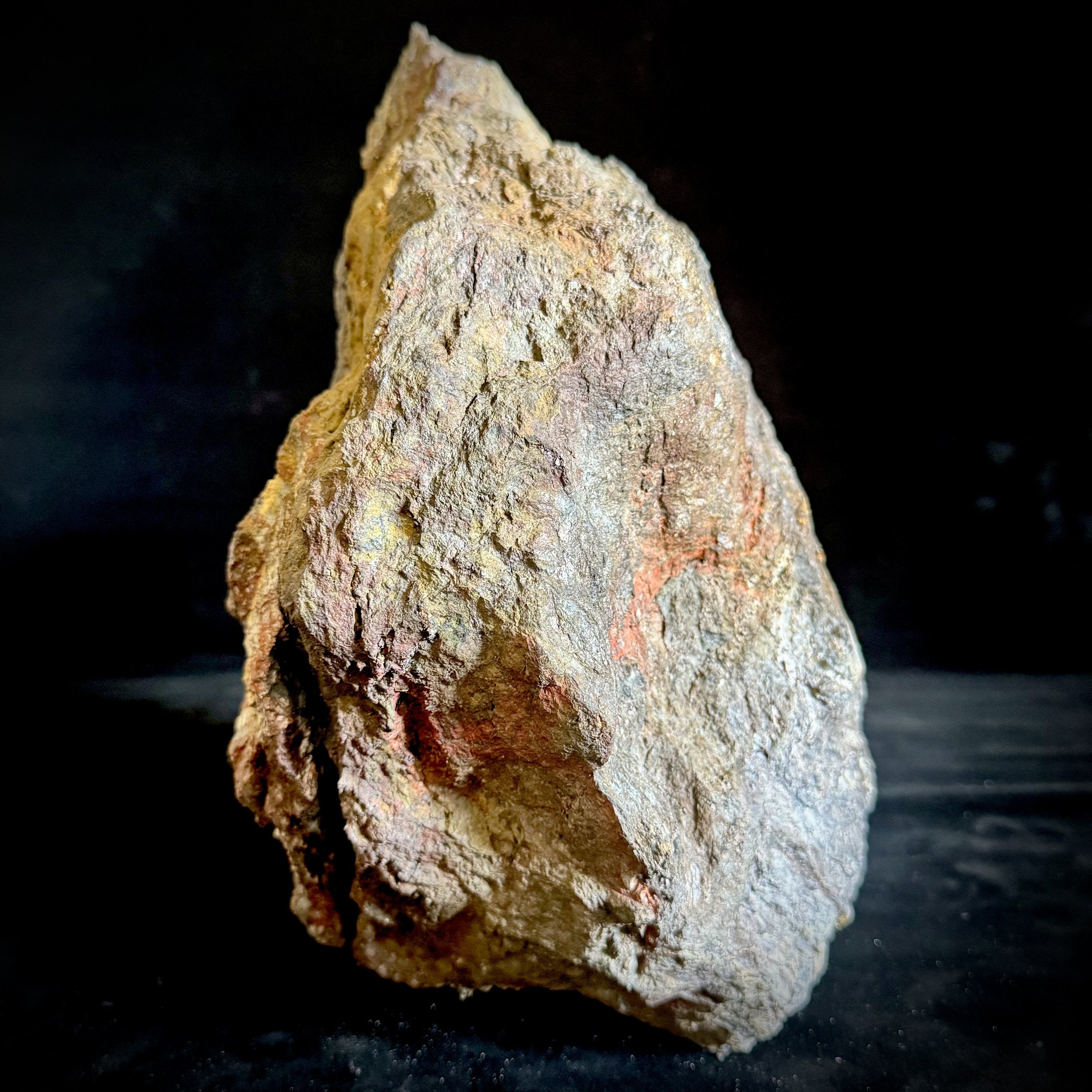 Image 3 of 6
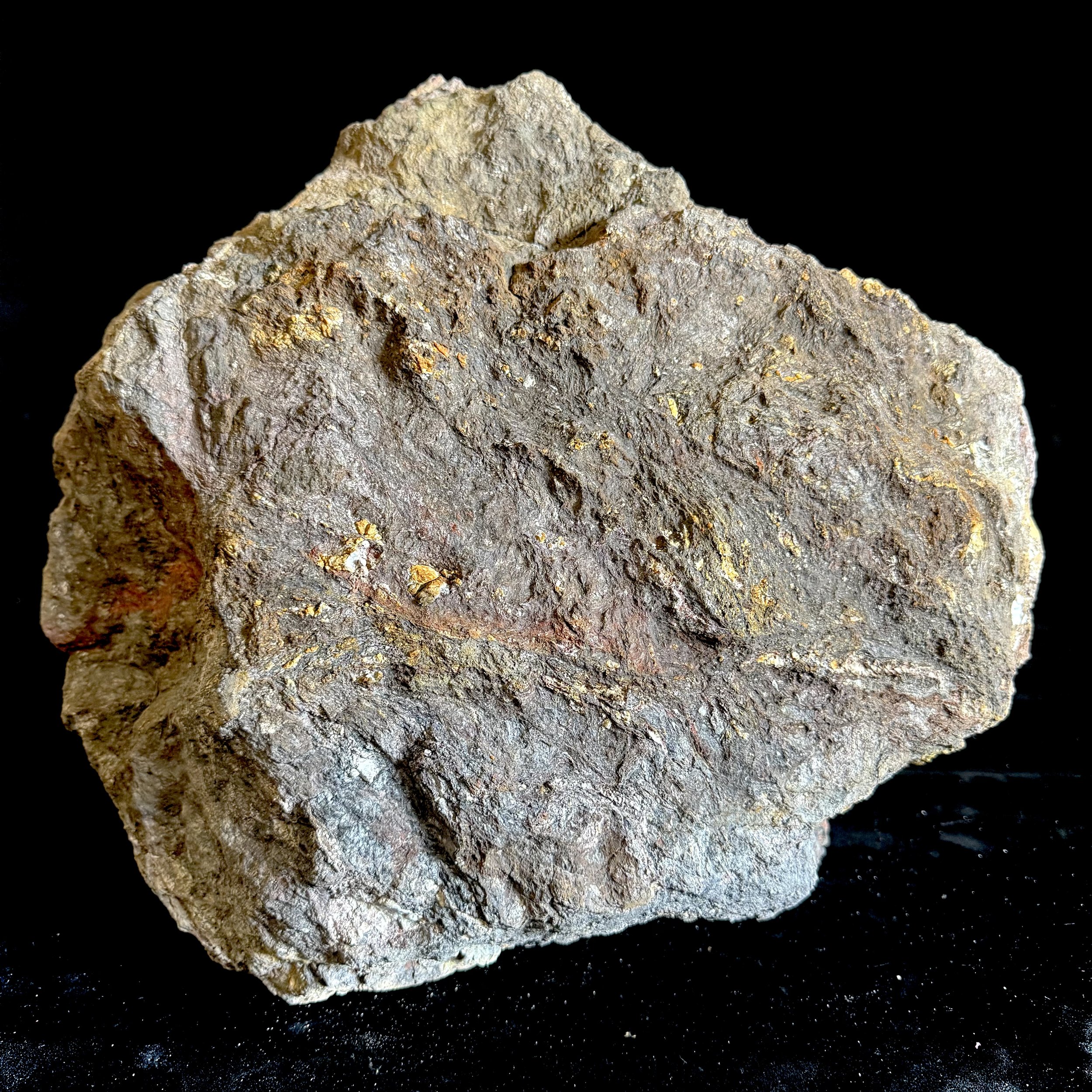 Image 4 of 6
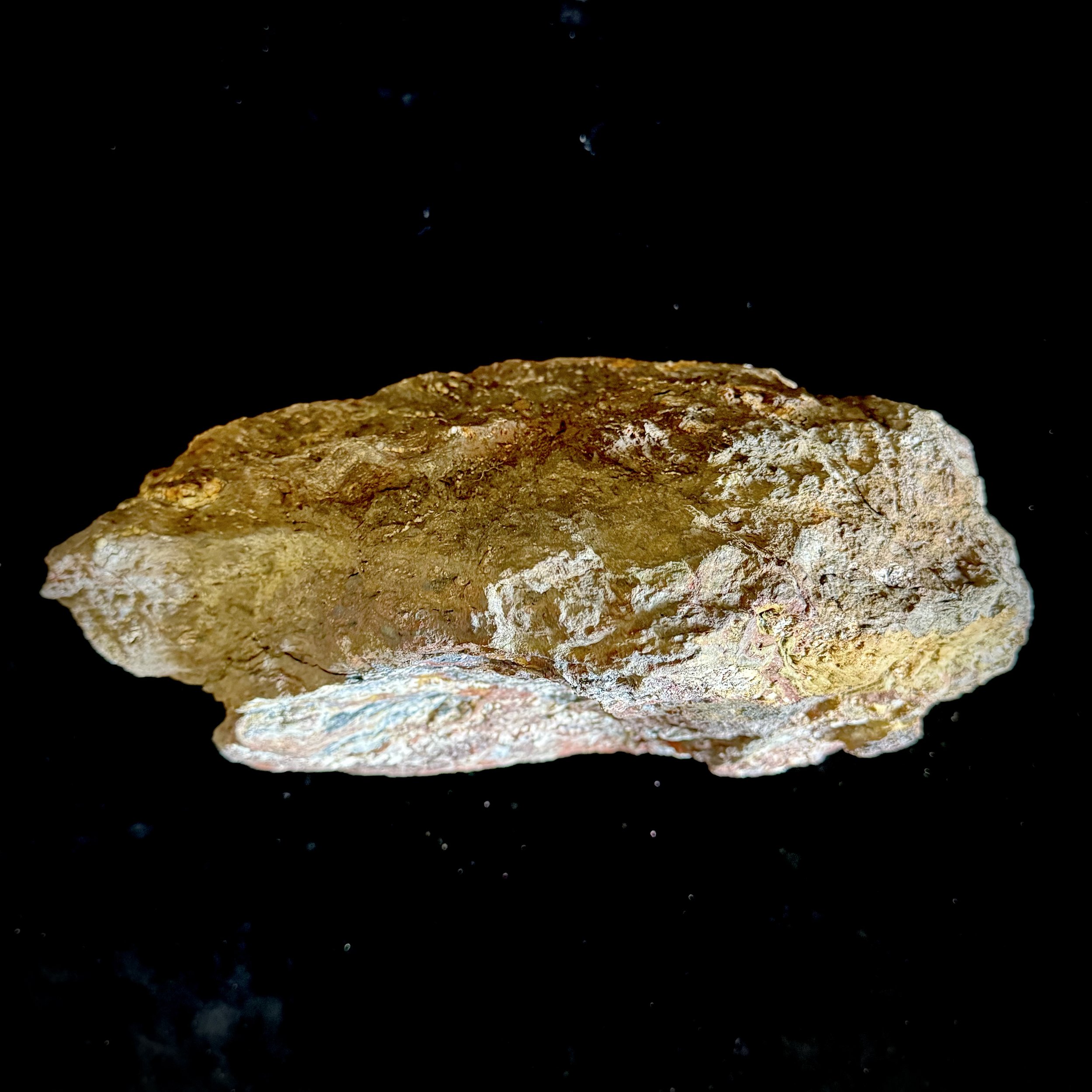 Image 5 of 6
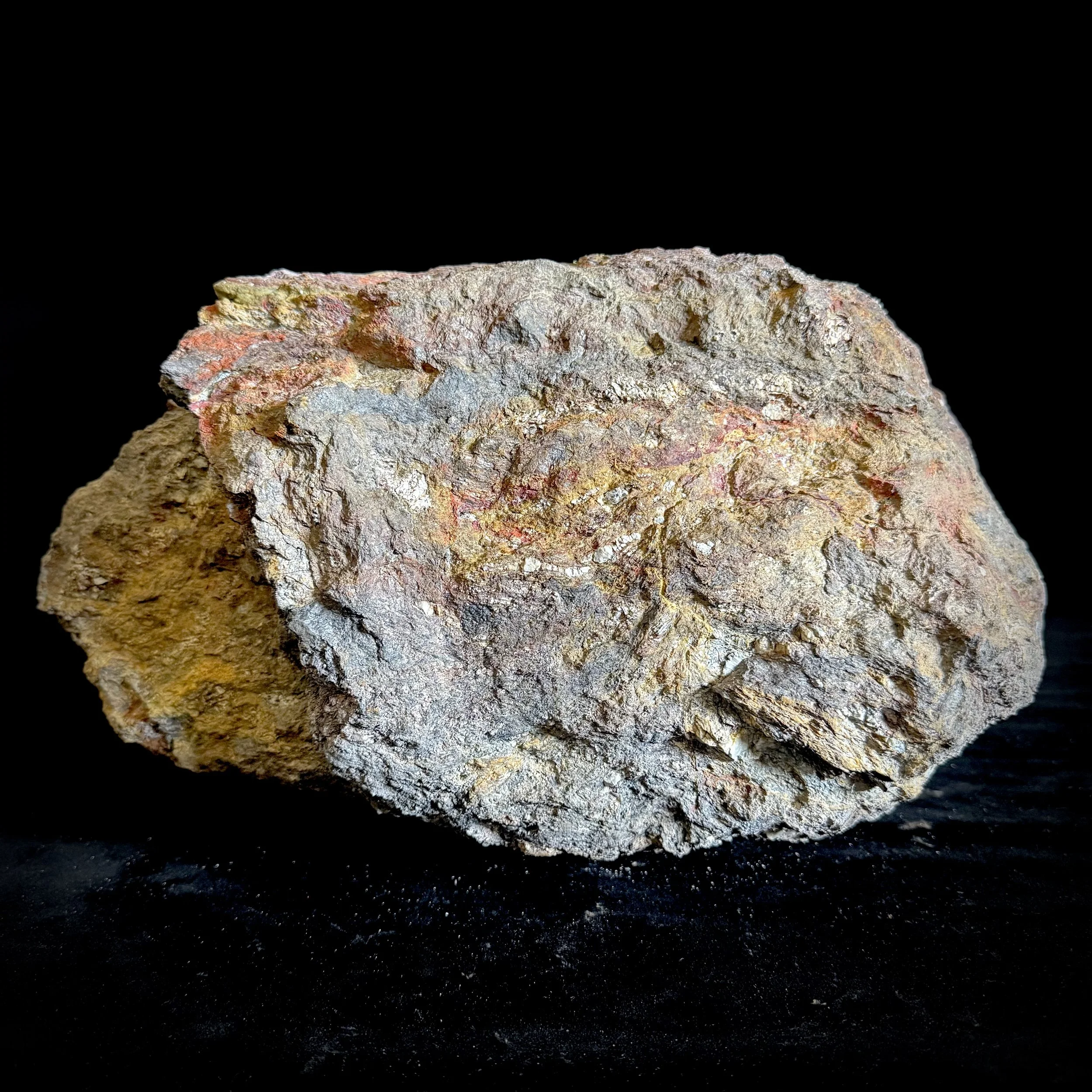 Image 6 of 6