
GEOLOGICAL HIERARCHY
CODEX — GEOLOGICAL HIERARCHY
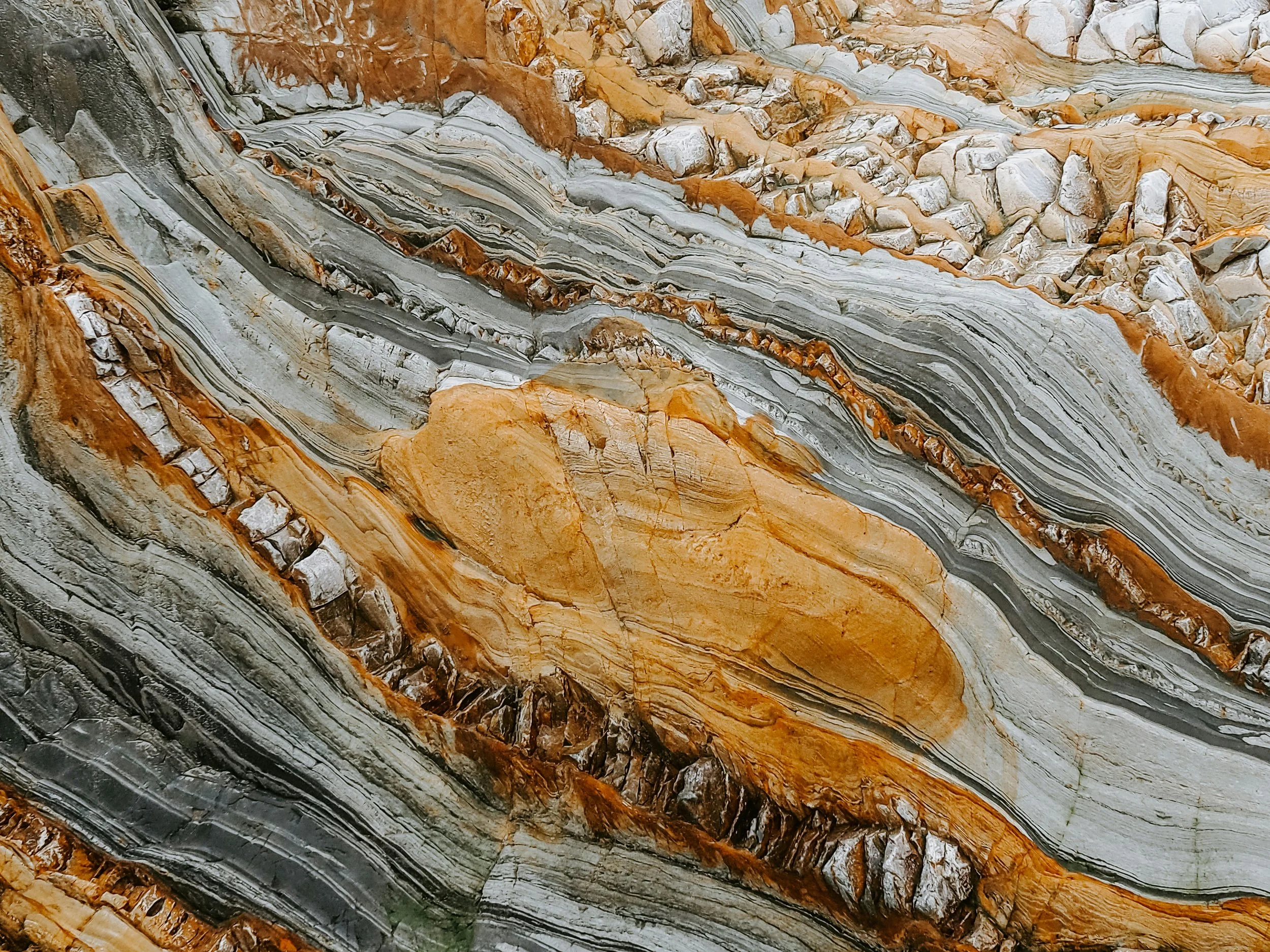
This is not classification. This is continuity.
Geological Hierarchy does not organize objects. It observes the progression of matter across duration.
HIERARCHY REVEALS TIME.
STRUCTURE
Time is the core axis of geological existence.
Matter does not become structure instantly.
RECORD:
What remains visible is only the final condition of an immeasurably longer process.
This is not the study of objects.
It is the observation of what happens to matter across duration.
A TIMELINE OF GEOLOGICAL EXISTENCE.
EARTH LEAVES EVIDENCE
Pressure leaves fracture.
Heat leaves alteration.
Compression leaves density.
Exposure leaves erosion.
Duration leaves structure.
NOTHING FORMS WITHOUT CONSEQUENCE.
THE GEOLOGICAL AXIS
The progression through which matter enters formation, transformation, preservation, exposure, and eventual recognition across geological duration.
No structure exists outside time.
-I. VOID OF NON-EXISTENCE
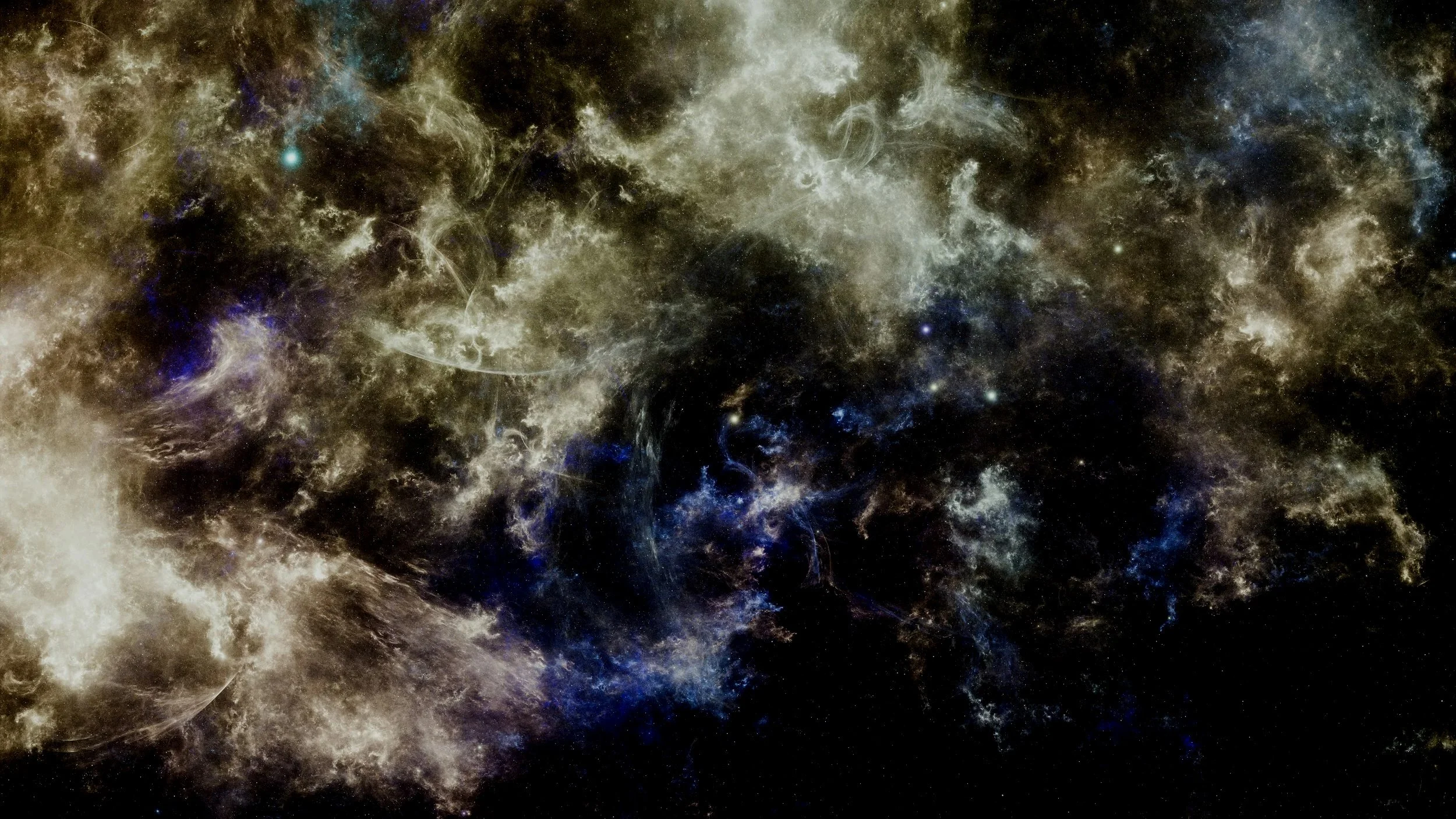
Pre-structural cosmic dispersion.THE POTENTIAL
Before formation, before accumulation, before structure itself, matter remains without organization or recorded continuity.
No evidence exists yet.
No duration has been preserved.
This is the state before geological memory begins.
ACCESS →
0. PRIMORDIAL CONDITIONS
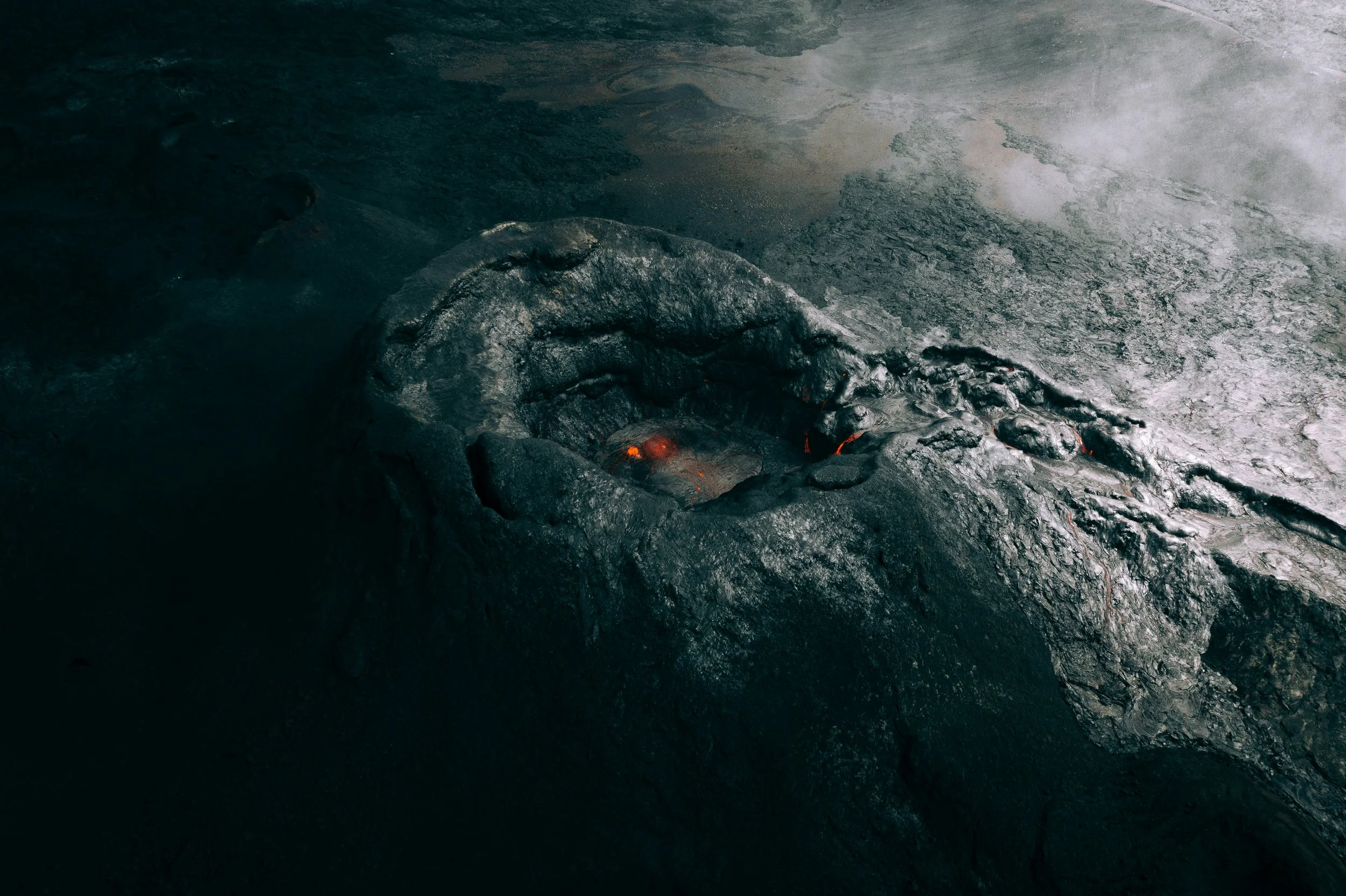
Volatile planetary conditions before structural formation.THE POSSIBILITY
Environmental instability, tectonic setting, elemental presence, and thermal conditions establish the foundation for future formation.
No structure emerges without preceding conditions.
ACCESS →
I. ACCUMULATION

Layered material accumulation across duration.THE BEGINNING
Matter gathers through deposition, environmental movement, and prolonged accumulation across duration.
Continuation creates the first condition of structure.
ACCESS →
I-A. BURIAL & LITHIFICATION
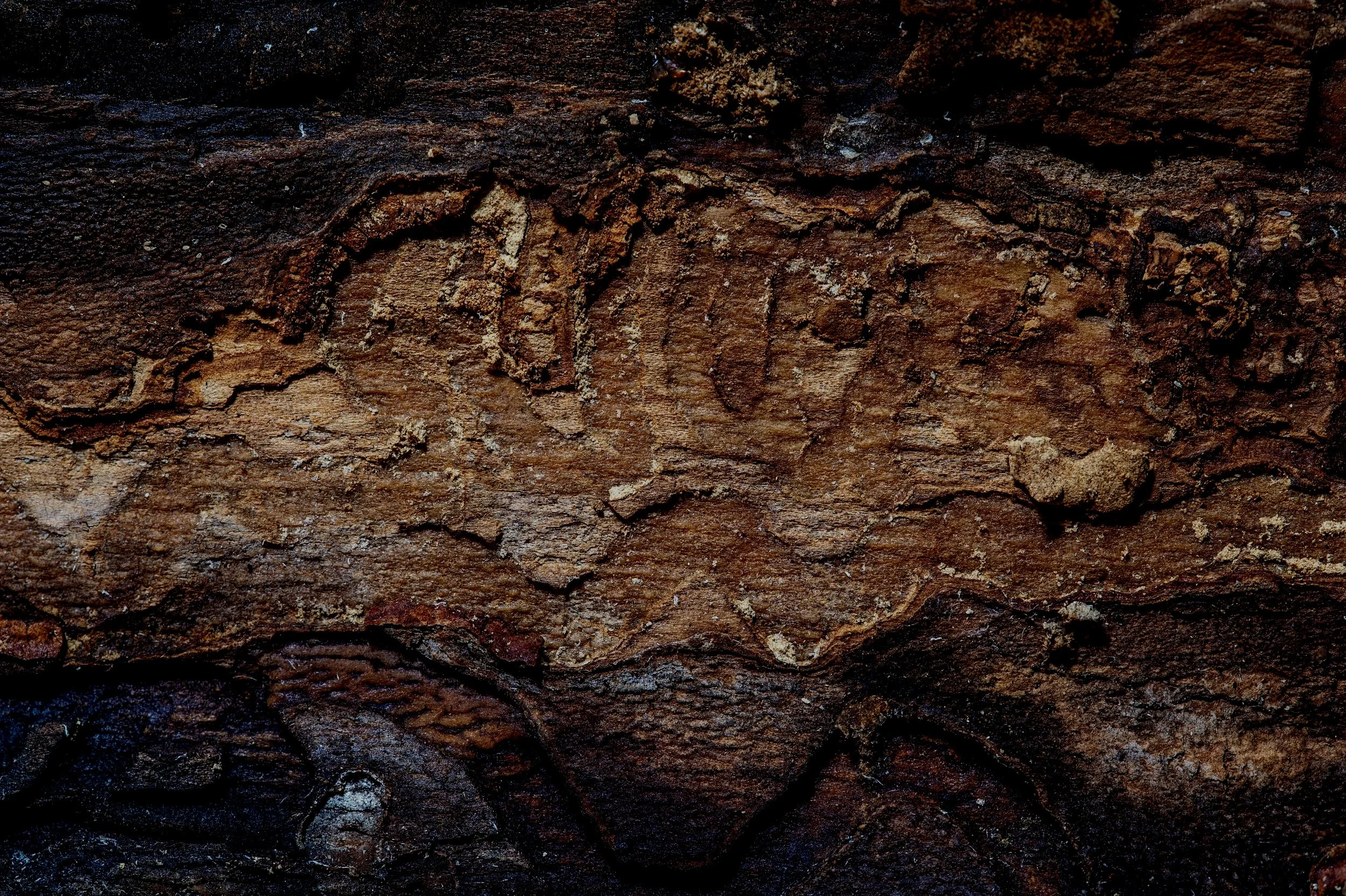
Sedimentary consolidation through prolonged burial.THE CONSOLIDATION
Accumulated matter becomes compressed beneath continued deposition.
Burial, compaction, and mineral binding stabilize loose material into structural continuity.
Sediment begins transitioning into stone.
ACCESS →
II. PRESSURE & DISPLACEMENT
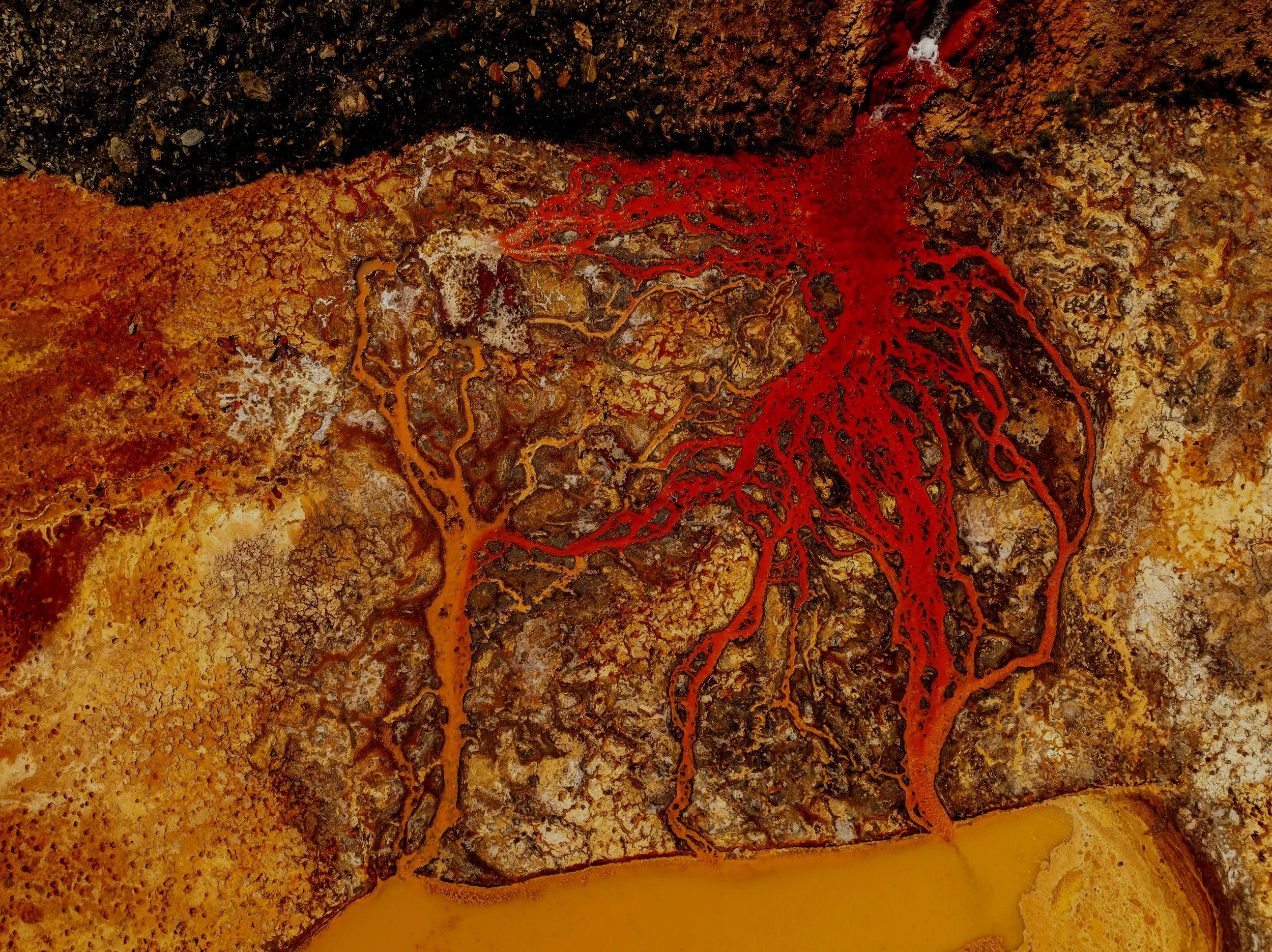
Structural deformation under tectonic pressure.THE COMPRESSION.
Tectonic force, instability, and environmental pressure alter structural balance over time.
Matter begins responding before transformation occurs.
ACCESS →
III. FRACTURE & INTERRUPTION
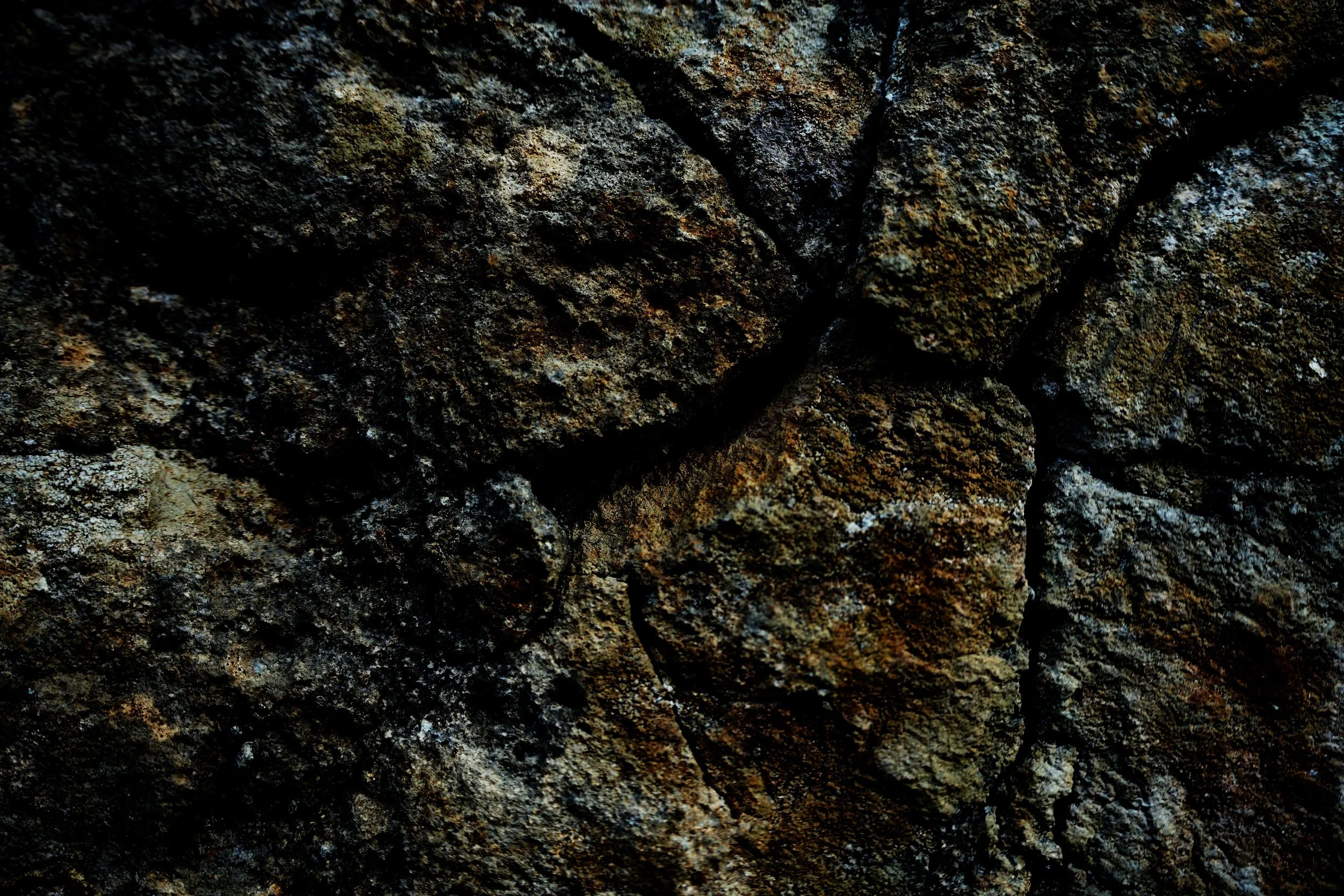
Fractured continuity preserving structural survival.THE DISRUPTION.
Structures separate, adapt, or partially collapse through force and displacement.
Not every fracture is failure.
Some become part of survival itself.
ACCESS →
III-A. CRYSTALLIZATION LOCK
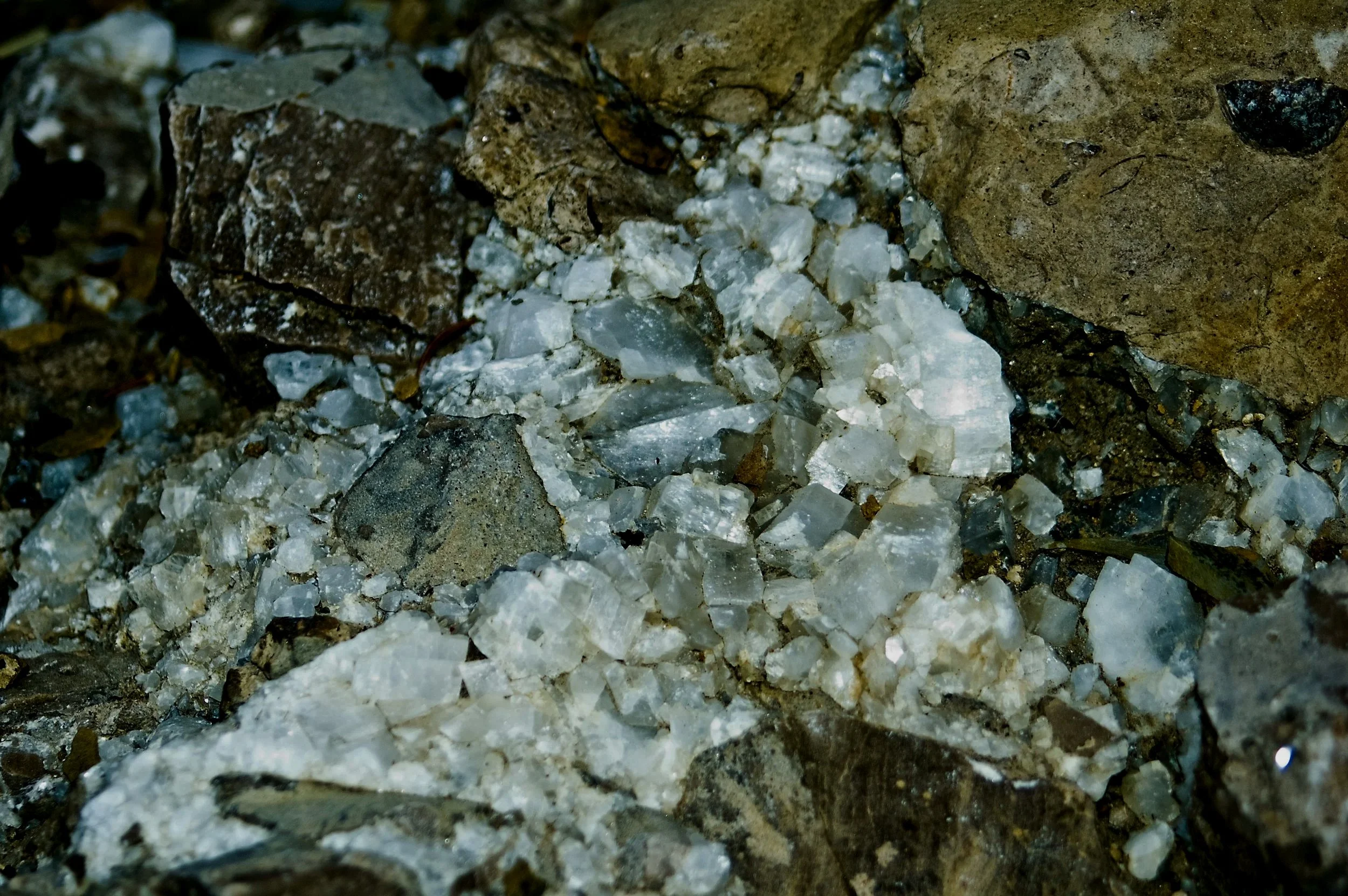
Crystalline stabilization emerging through pathways.THE STABILIZATION
Post-fracture supersaturation creates crystal lattice stabilization.
Atomic alignment halts further structural collapse.
Pressure transitions from destruction into framework.
Fracture becomes foundation.
ACCESS →
IV. METAMORPHIC TRANSFORMATION
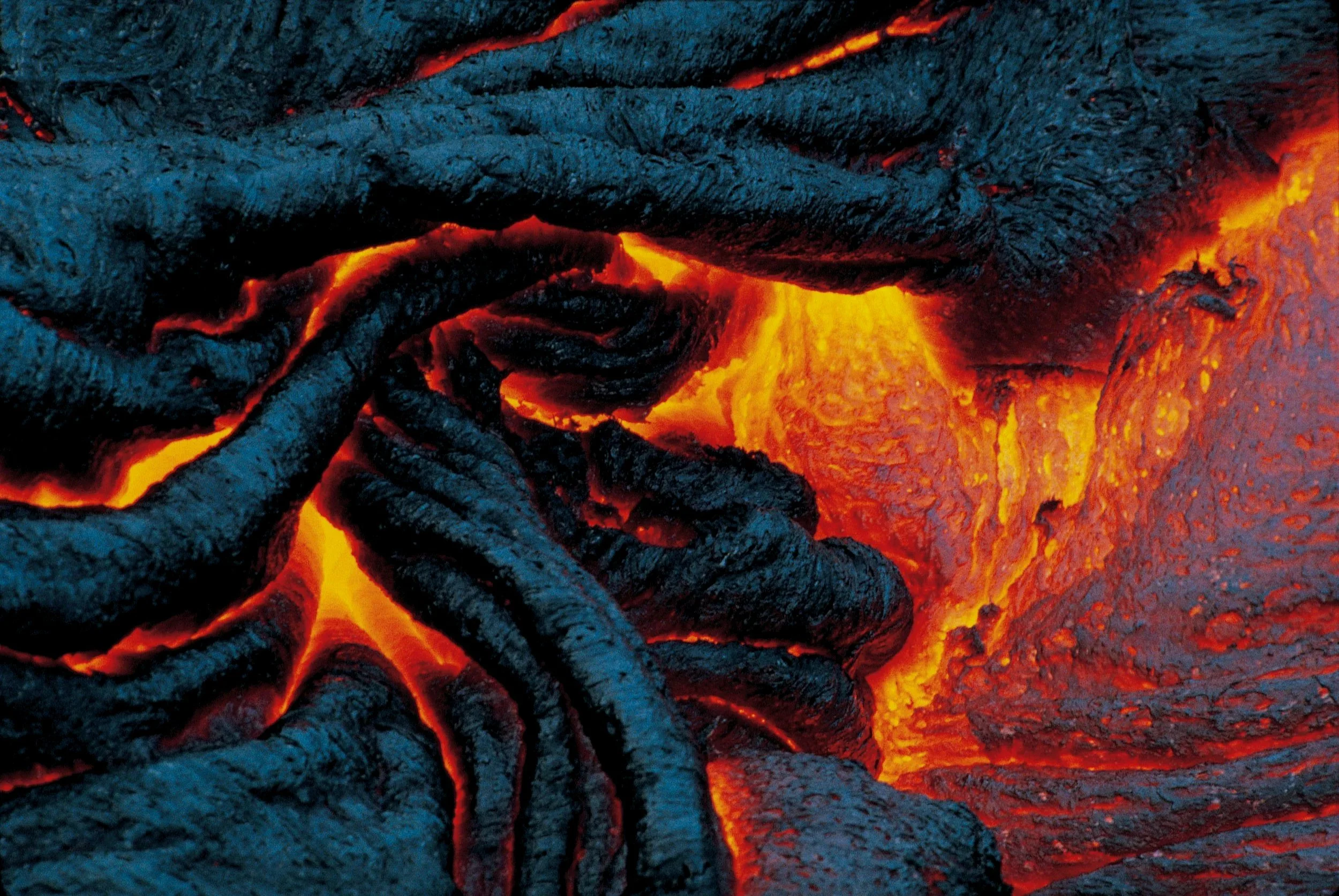
Internal transformation under heat and pressure.THE REFORMATION
Heat and pressure reshape internal composition across extended duration.
Matter changes form while preserving existence.
ACCESS →
IV-A. TEMPORAL COMPRESSION
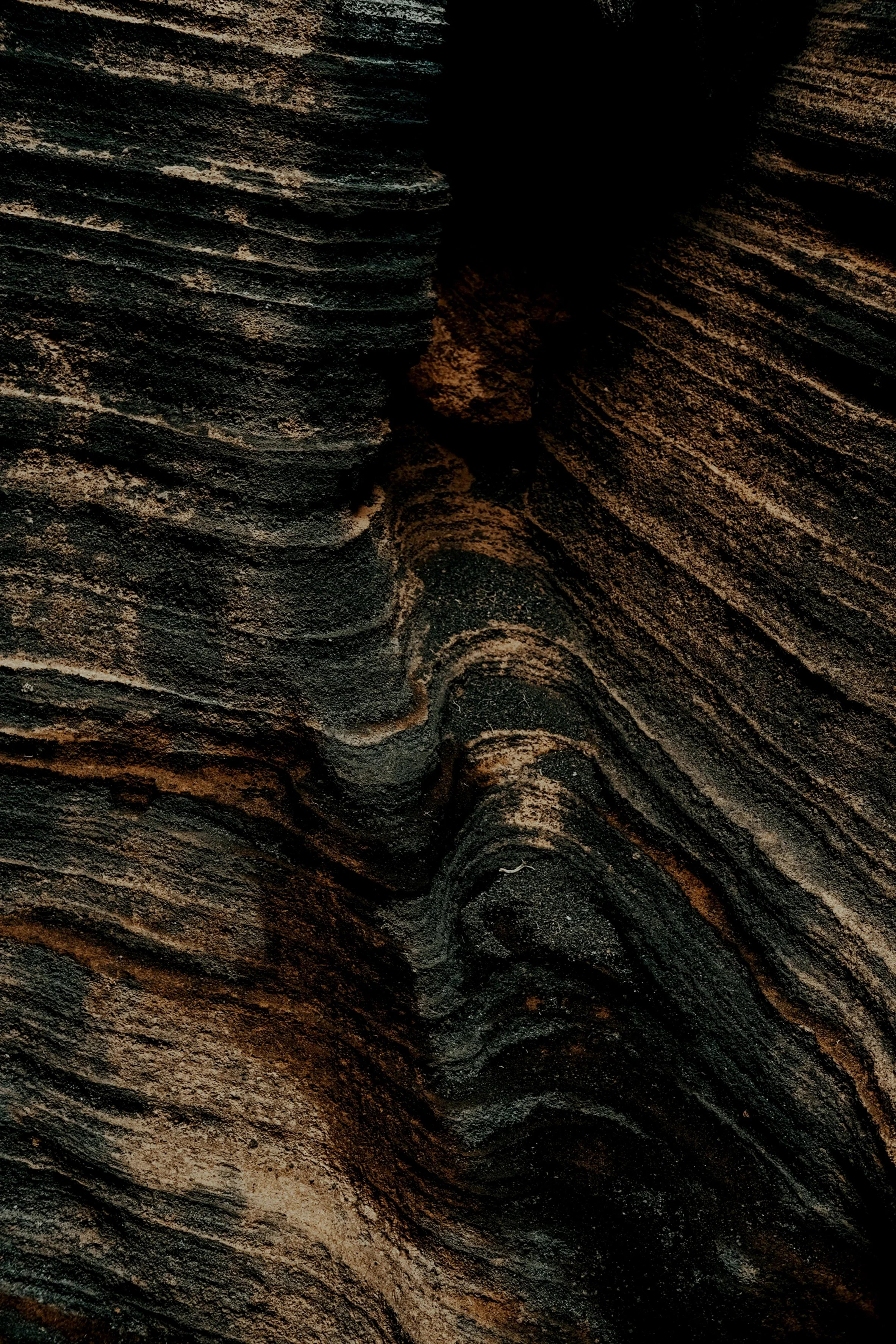
Multiple geological intervals compressed.THE CONVERGENCE OF DURATION
Certain structures preserve multiple geological intervals within a single continuous form.
Pressure, mineralization, interruption, and recurrence become layered into compressed existence.
A single structure may contain multiple duration simultaneously.
ACCESS →
V. MOMENTARY EXPOSURE & SHOCK
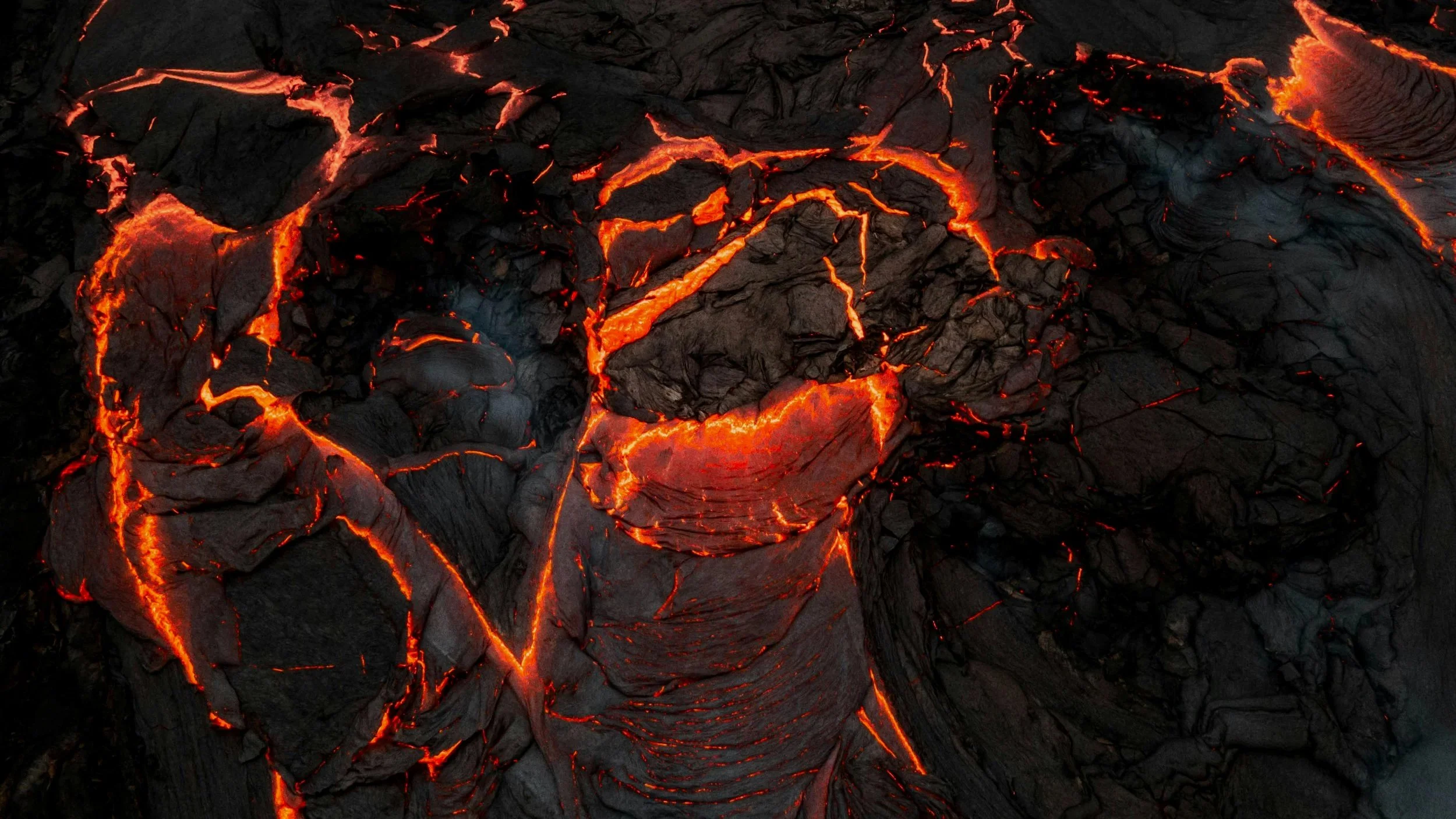
Violent exposure preserving instantaneous stress.THE TRAUMA
Certain transformation occur through sudden geological interruption.
Impact, seismic instability, thermal shock, or violent displacement leave immediate structural memory within the material itself.
Not every change occurs gradually.
ACCESS →
VI. MINERAL CONVERGENCE
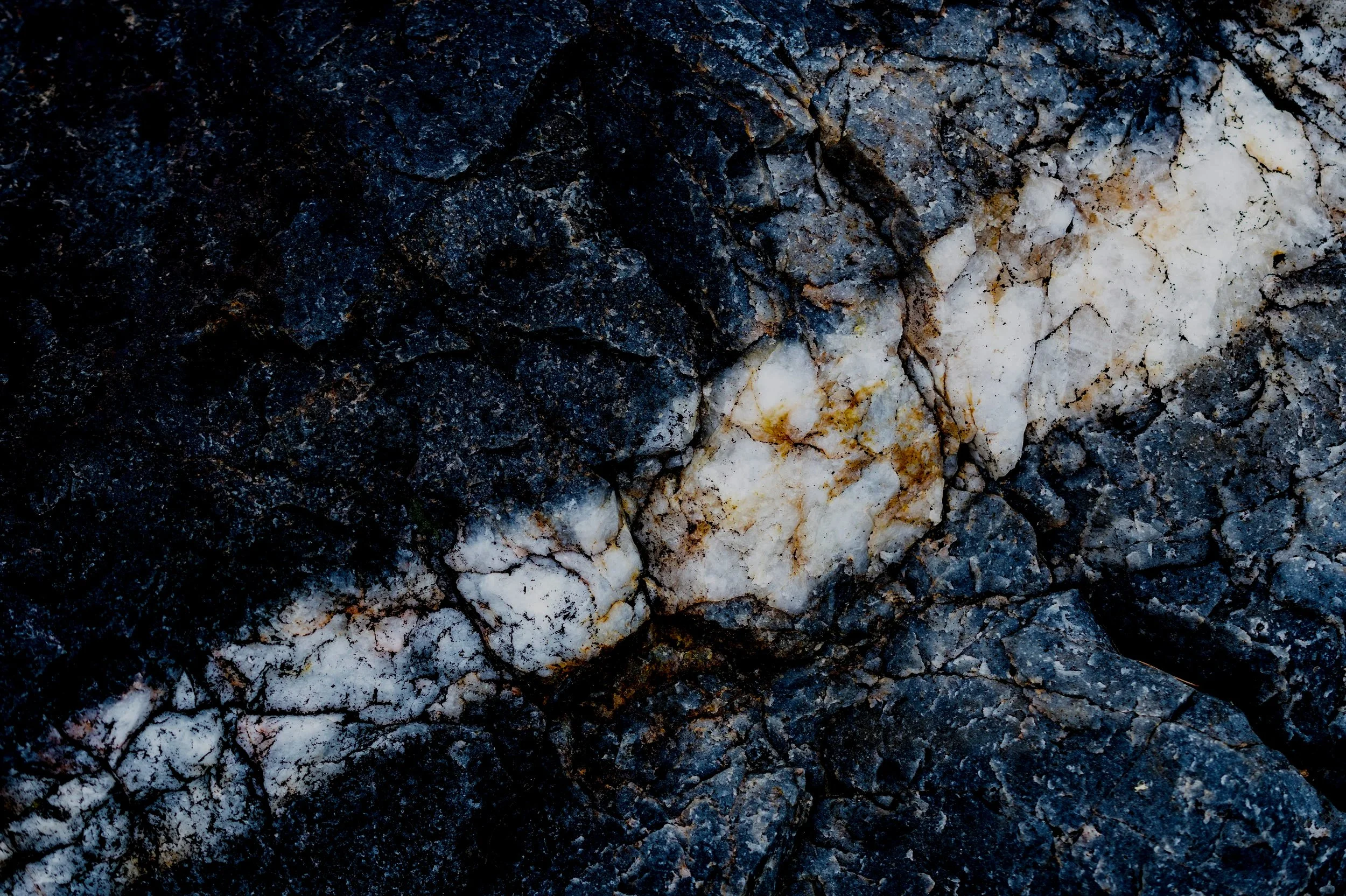
Mineral intrusion preserved through duration.THE INTERACTION
Multiple mineral systems merge through compression, intrusion, and shared geological history.
Distinct materials begin occupying the same structure.
ACCESS →
VII. PRESERVATION STATES
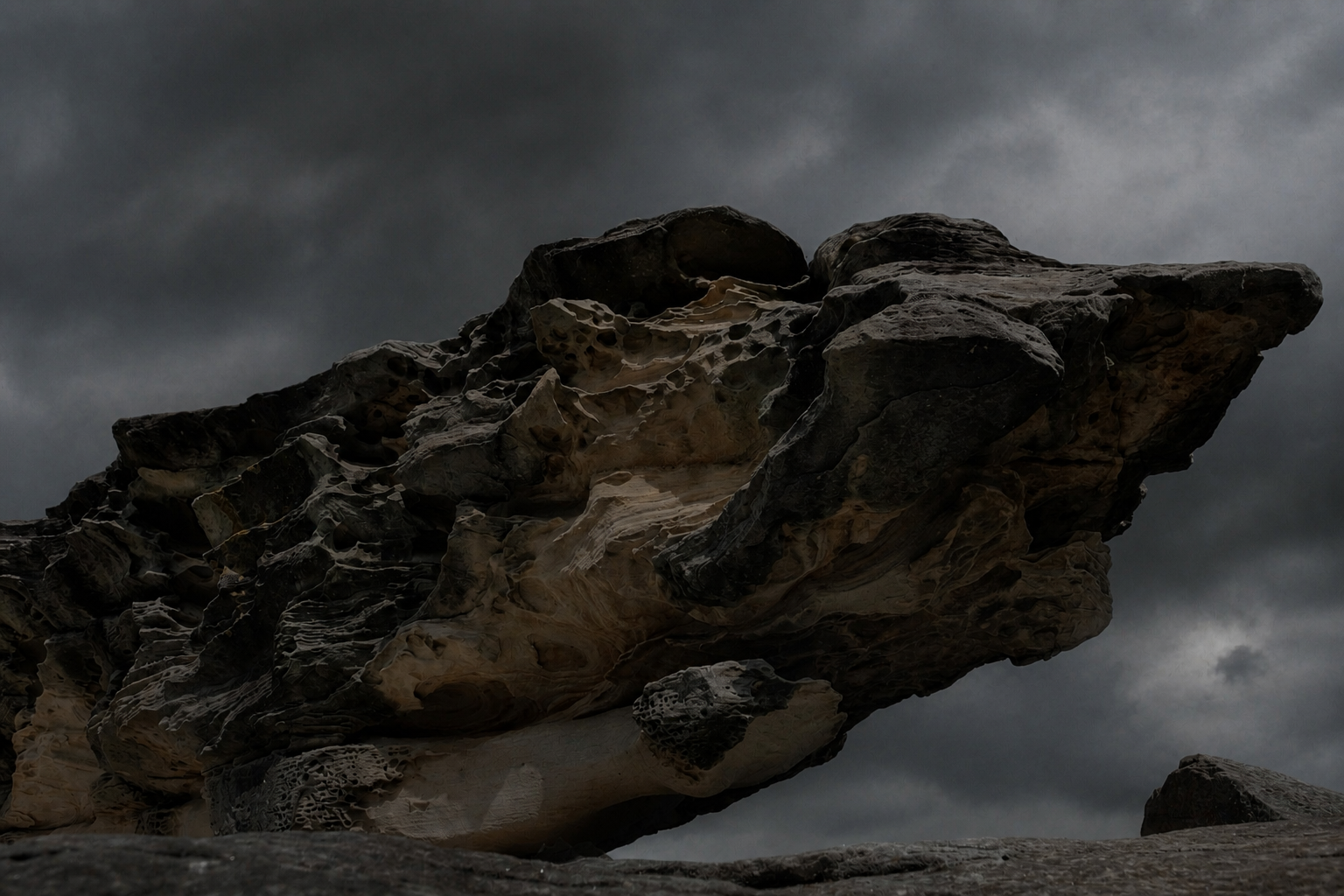
Surface degradation surrounding preserved continuity.THE DISTINCTION
Not every structure survives equally.
Some preserve surface evidence.
Some preserve internal continuity.
Some retain only fragmented records of duration.
ACCESS →
VII-A. INCLUSION TRAP
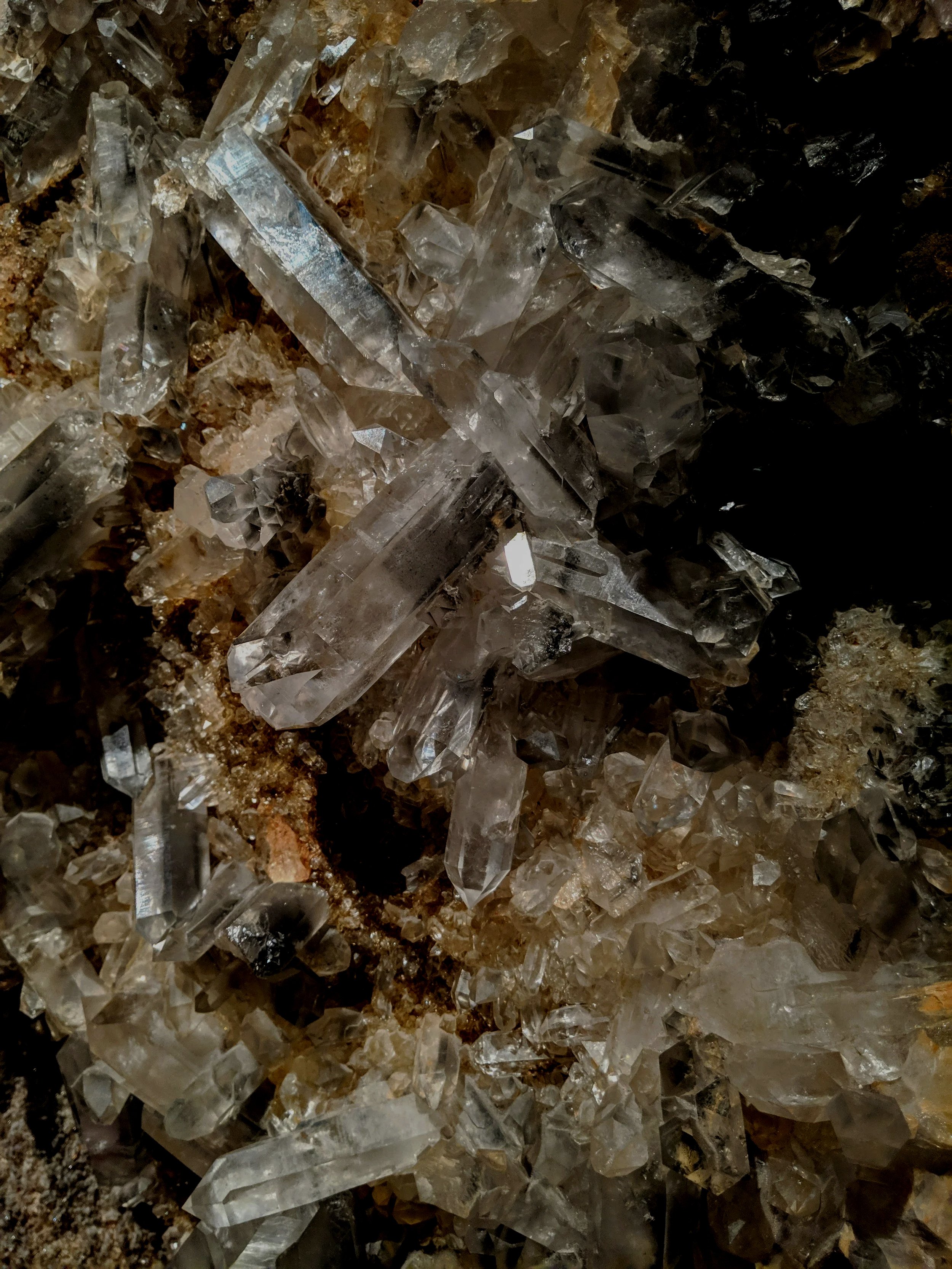
Embedded crystalline preserved during convergence.THE CAPTURE
Fluid pockets, xenolith, phantoms, and embedded fragments become trapped during final compression.
Smaller structures remain preserved within larger structures.
Geological time capsules within geological time capsules.
ACCESS →
VIII. STRUCTURAL STABILITY
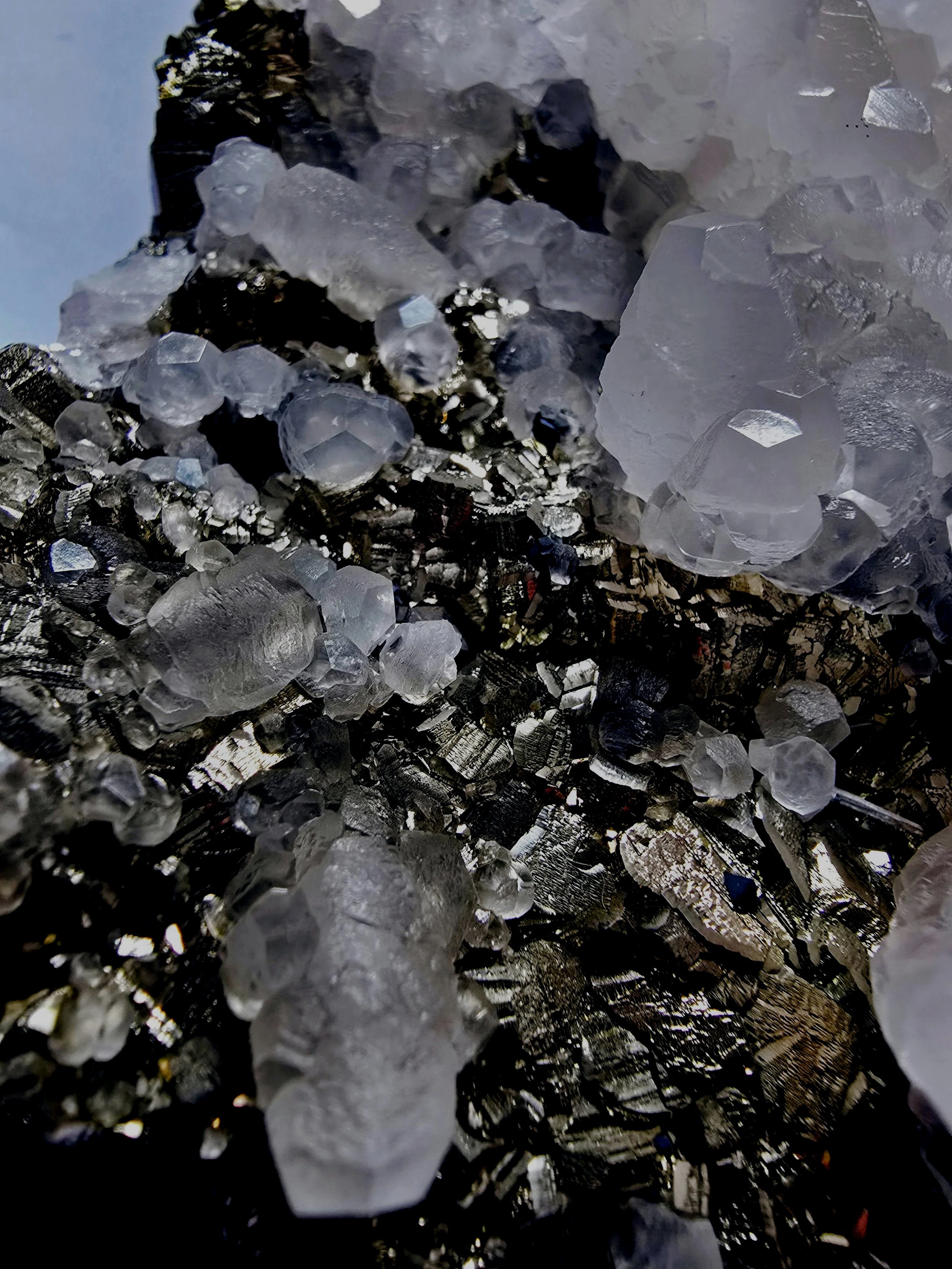
Structural continuity preserved interlocking systems.THE RESISTANCE
Internal density, mineral interlocking, and preserved continuity maintain structural existence across duration.
Not every structure collapses under pressure.
ACCESS →
IX. EXPOSED RECORDS
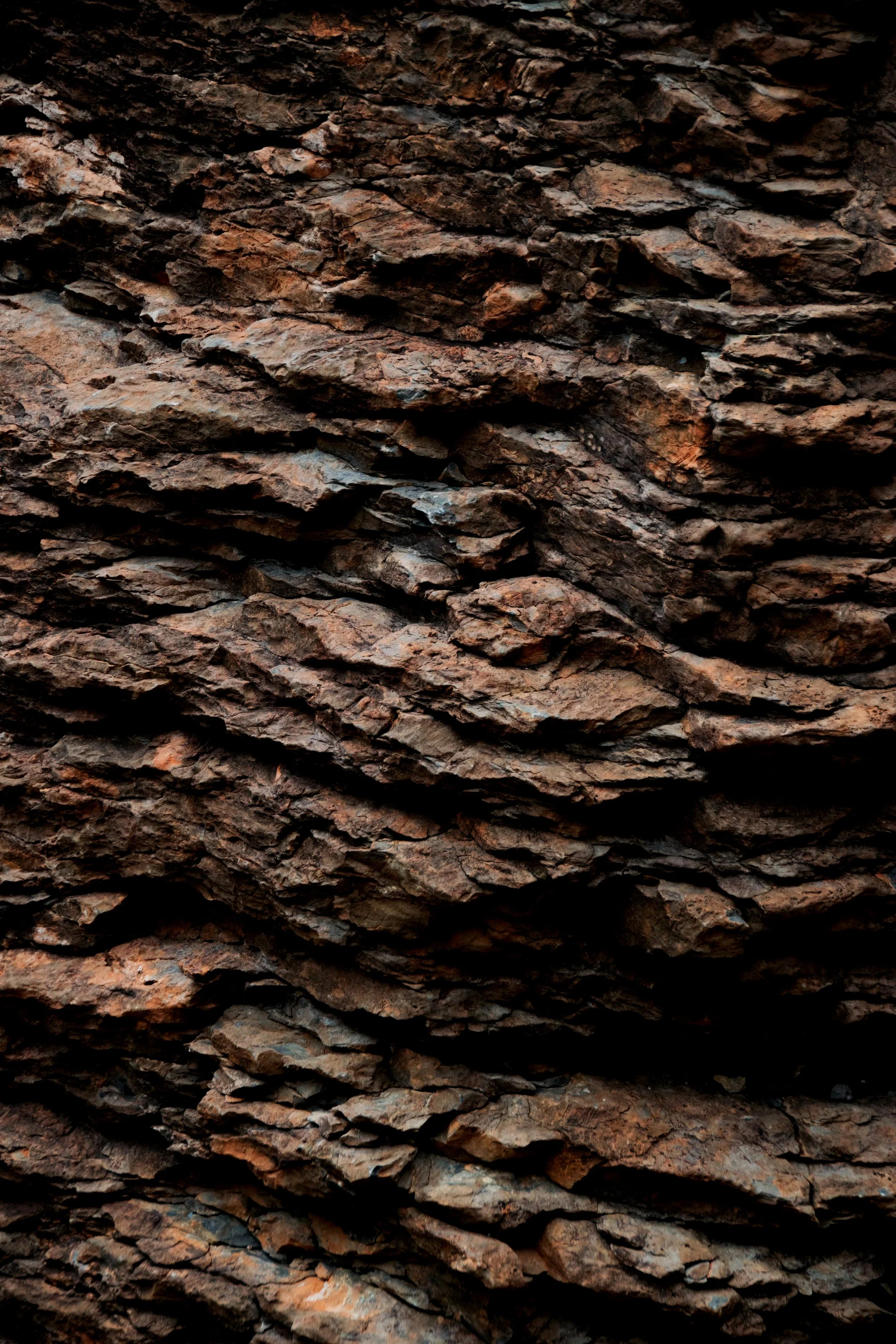
Records revealed through environmental exposure.THE REVELATION
Erosion and environmental exposure uncover geological evidence previously concealed beneath the surface.
The exterior begins revealing the history beneath it.
ACCESS →
IX-A. UPLIFT & UNCONFORMITY
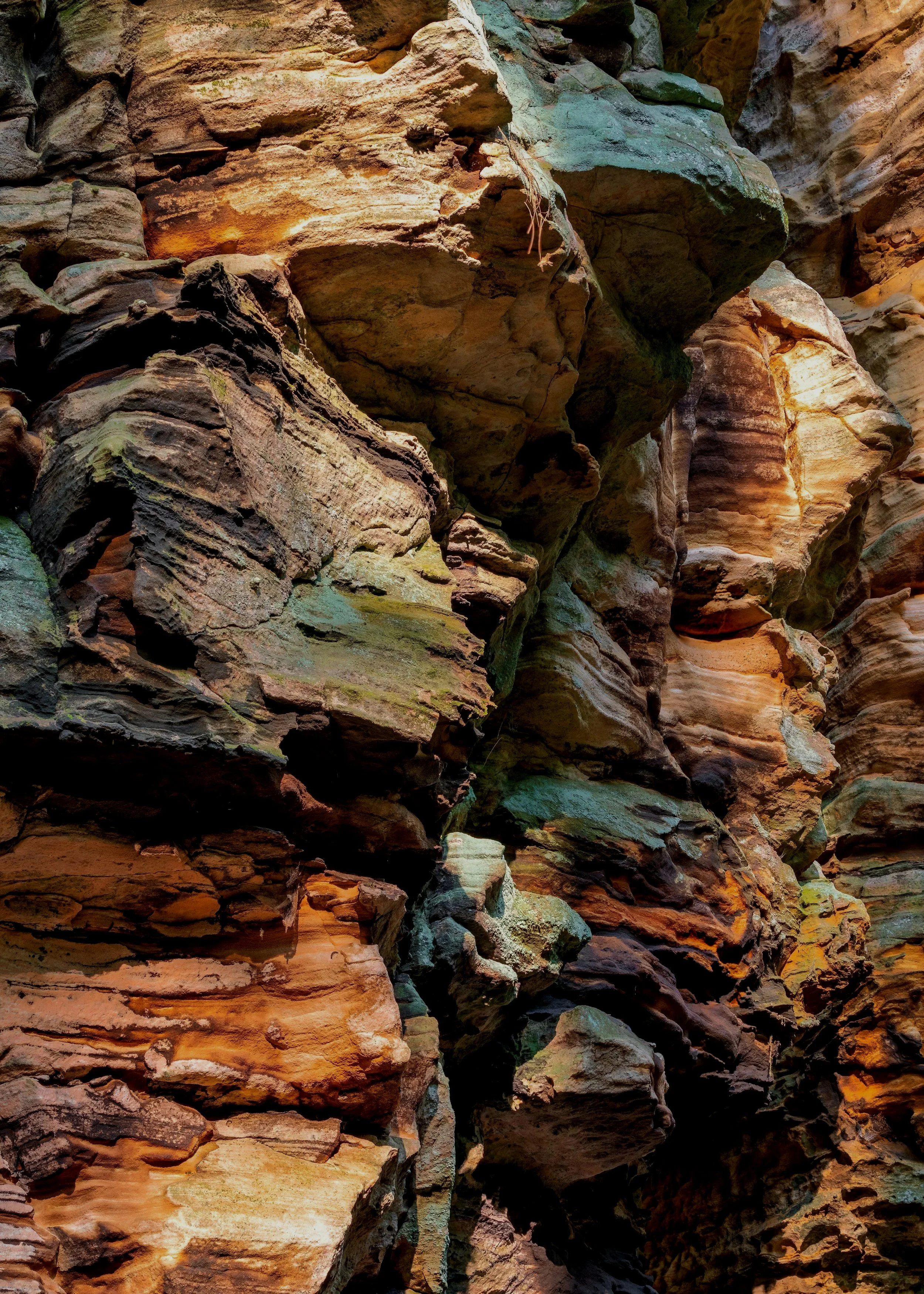
Tectonic uplift exposing interrupted continuity.THE EMERGENCE
Tectonic uplift exposes structures previously buried beneath geological duration.
Gaps within the record reveal intervals where time remains partially absent.
Not every era preserves its evidence.
ACCESS →
X. UNRESOLVED RECORDS
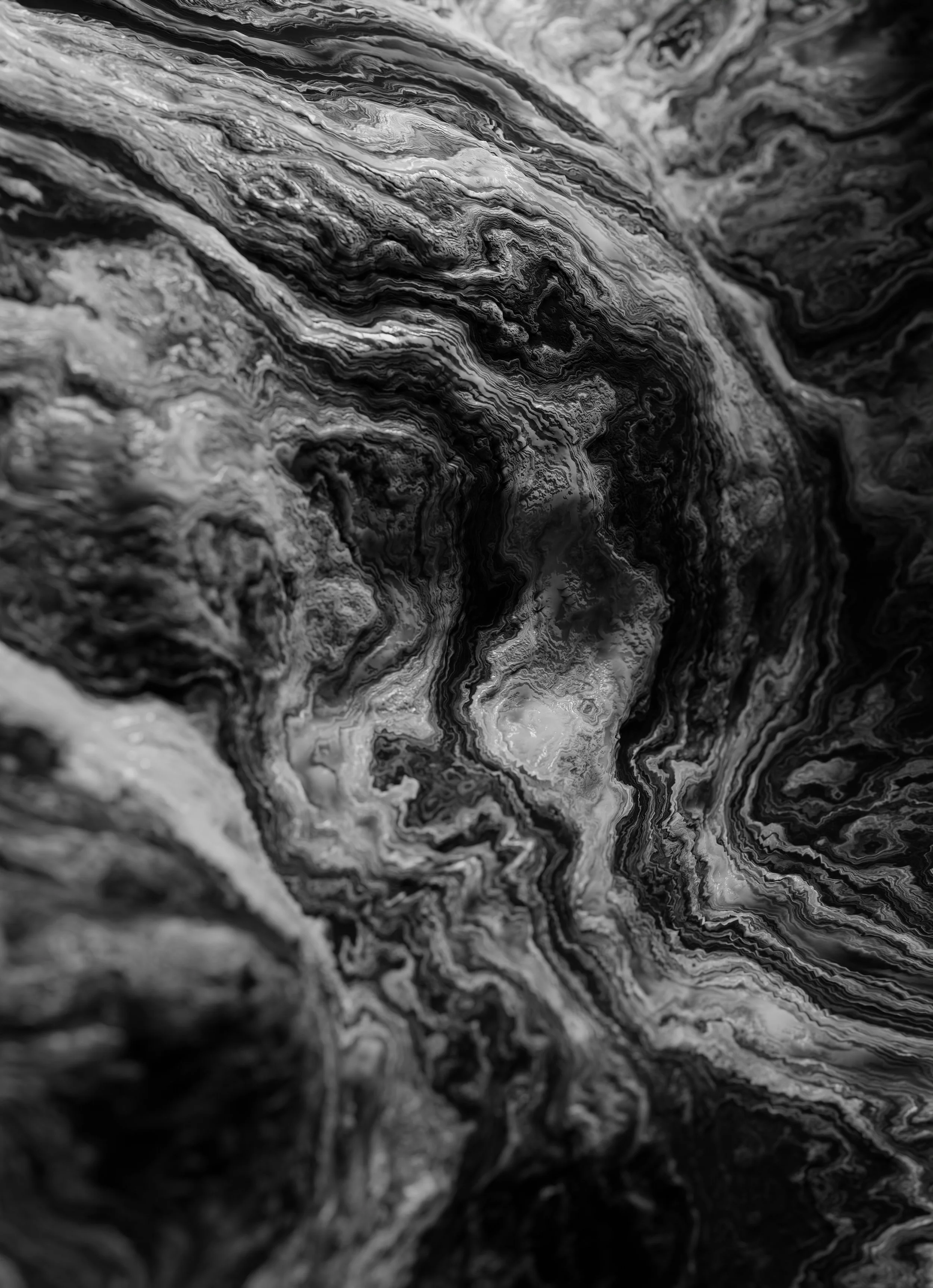
Evidence preserved beyond complete interpretation.THE UNKNOWN
Not every structure can be fully interpreted.
Some formations preserve evidence without complete explanation.
Observation continues.
ACCESS →
XI. PRESERVED FORM

Enduring form through environmental resistance.THE FINAL CONDITION
What remains after duration, pressure, transformation, exposure, and survival.
The structure that endured.
ACCESS →
XI-A. SURFACE ETCHING
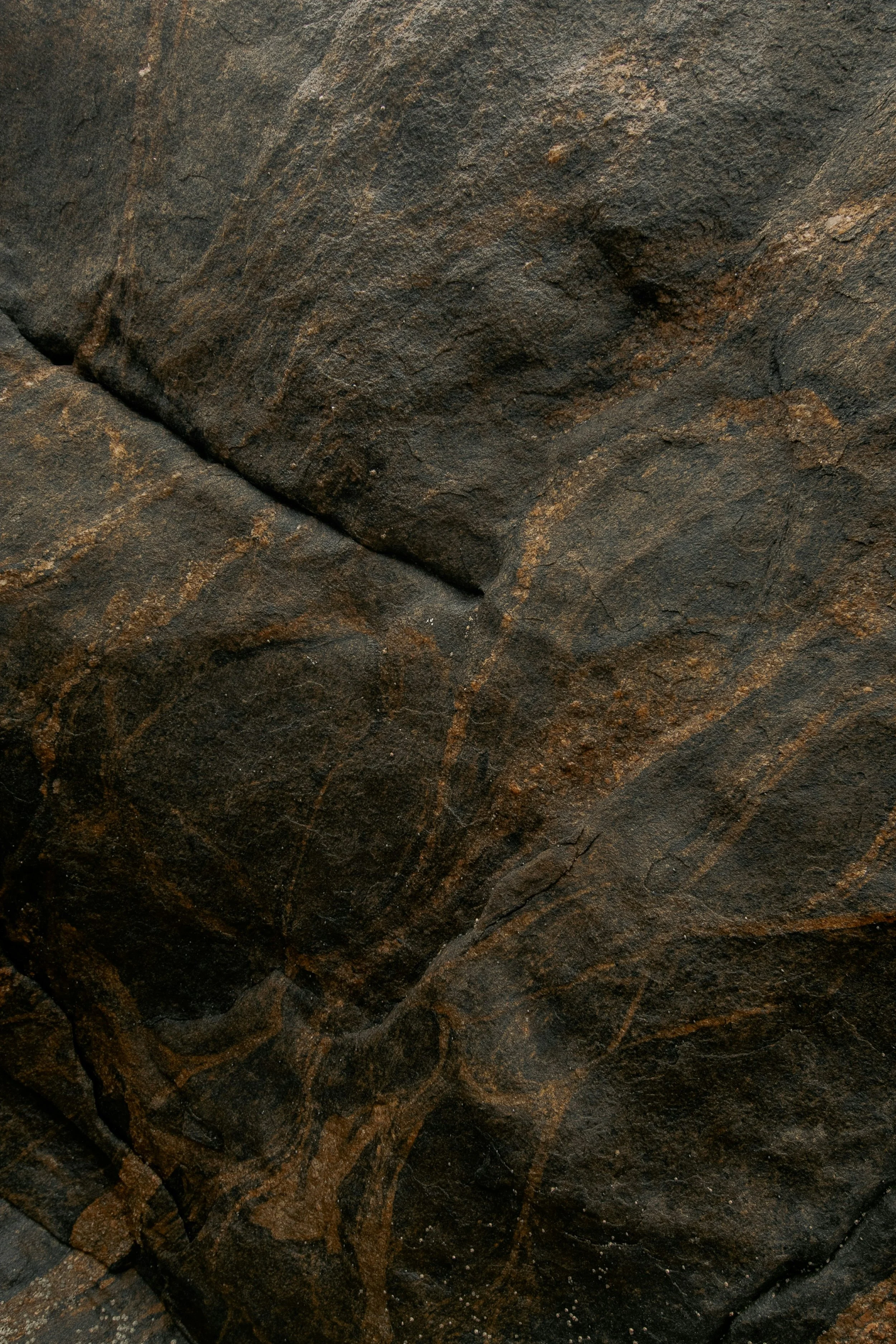
Geological duration leaves marks that remain legible.THE INSCRIPTION
Atmospheric exposure, thermal cycling, wind abrasion, and chemical dissolution shape the final visible surface across extended duration.
The legible exterior becomes the final interface between geological existence and human observation.
ACCESS →
XII. ARCHIVAL EXISTENCE

Structure preserved beyond time, it becomes archive.THE CONTINUATION
What survives geological duration may eventually enter preservation beyond nature itself.
The structure becomes record.
The record becomes archive.
ACCESS →
XII-A. THE MOMENT OF SELECTION

The structure enters selection.THE THRESHOLD
Between what the earth preserves and what becomes held through human recognition — there exists a moment of selection.
Not every structure that is found survives.
What passes through this threshold is no longer merely geological, but testimonial.
ACCESS →
XII-B. PRE-OBSERVATIONAL EXISTENCE
Observation doesn't create duration but encounters it.THE UNSEEN
Geological continuity exists independently from recognition, classification, or observation.
The structure does not require witness to exist. Observation does not create duration.
It only encounters it.
ACCESS →
XIII. RECOGNIZED TESTIMONY
The structure becomes testimony.THE AWAKENING
The archive remains silent until it is observed. The structure is no longer only evidence of the past.
It becomes perception carried into the present.This is where geological duration meets recognition.
The final axis of existence.
ACCESS →
XIV. ENTROPIC DECAY
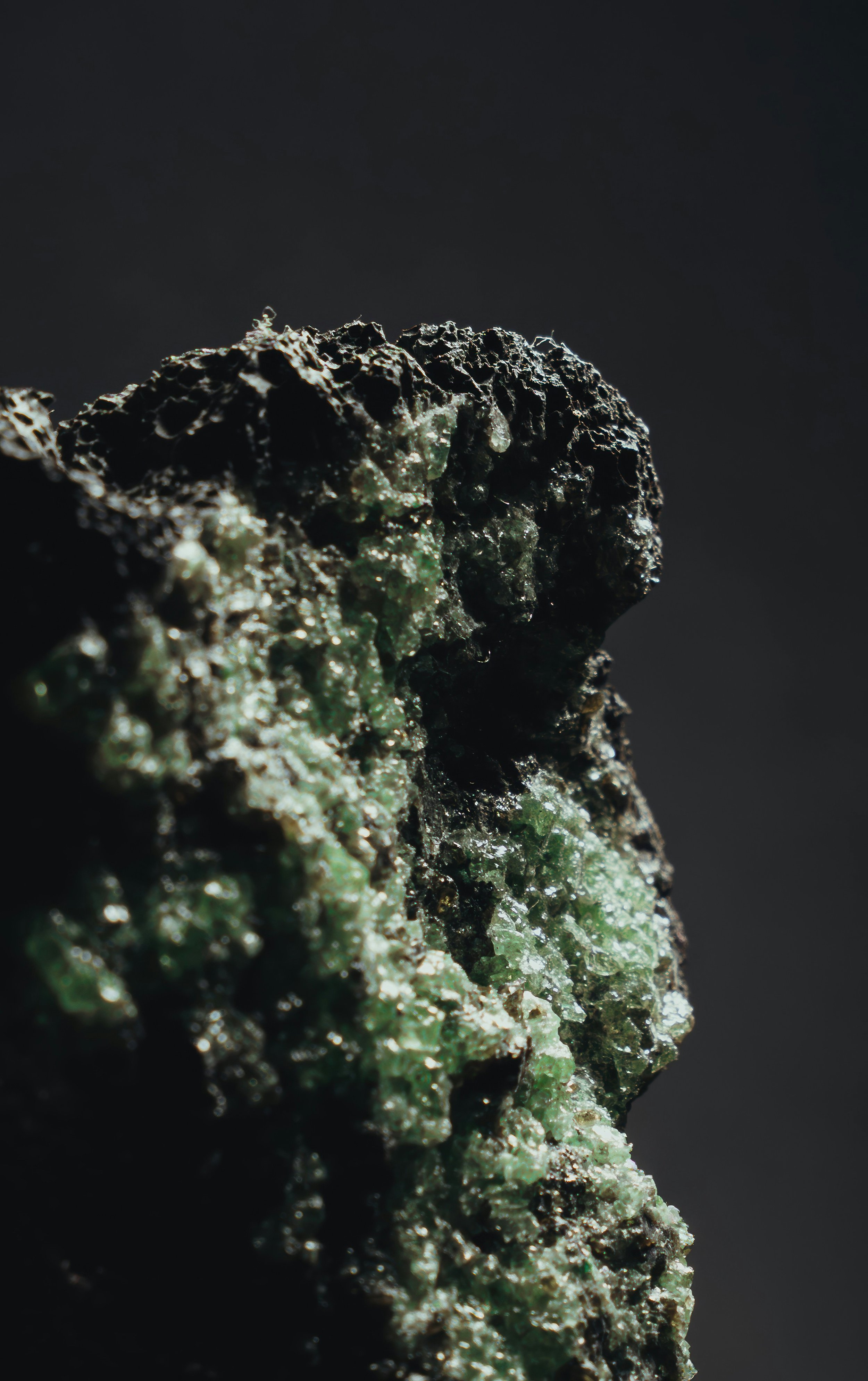
Preservation persists against erosion.THE CONTINUATION OF LOSS
No structure remains entirely unchanged.
Even preservation exists against erosion, instability, and eventual disappearance.
Duration never fully stops.
ACCESS →
XIV. RECURSIVE RETURN

The structure continues beyond its era.THE RECURRENCE
What is recognized is observed again through new perception across different eras, observers, and conditions.
The structure continues beyond its original duration.
ACCESS →
THE EXPANDED AXIS
Beyond formation and preservation, geological continuity extends into interaction, acceleration, memory, dissolution, and reflection.
What begins as material structure may eventually intersect with civilization, environmental transformation, symbolic meaning, and cosmic return.
Geology does not remain isolated from existence.
It becomes entangled with time itself.
XVI. HUMAN INTERVENTION
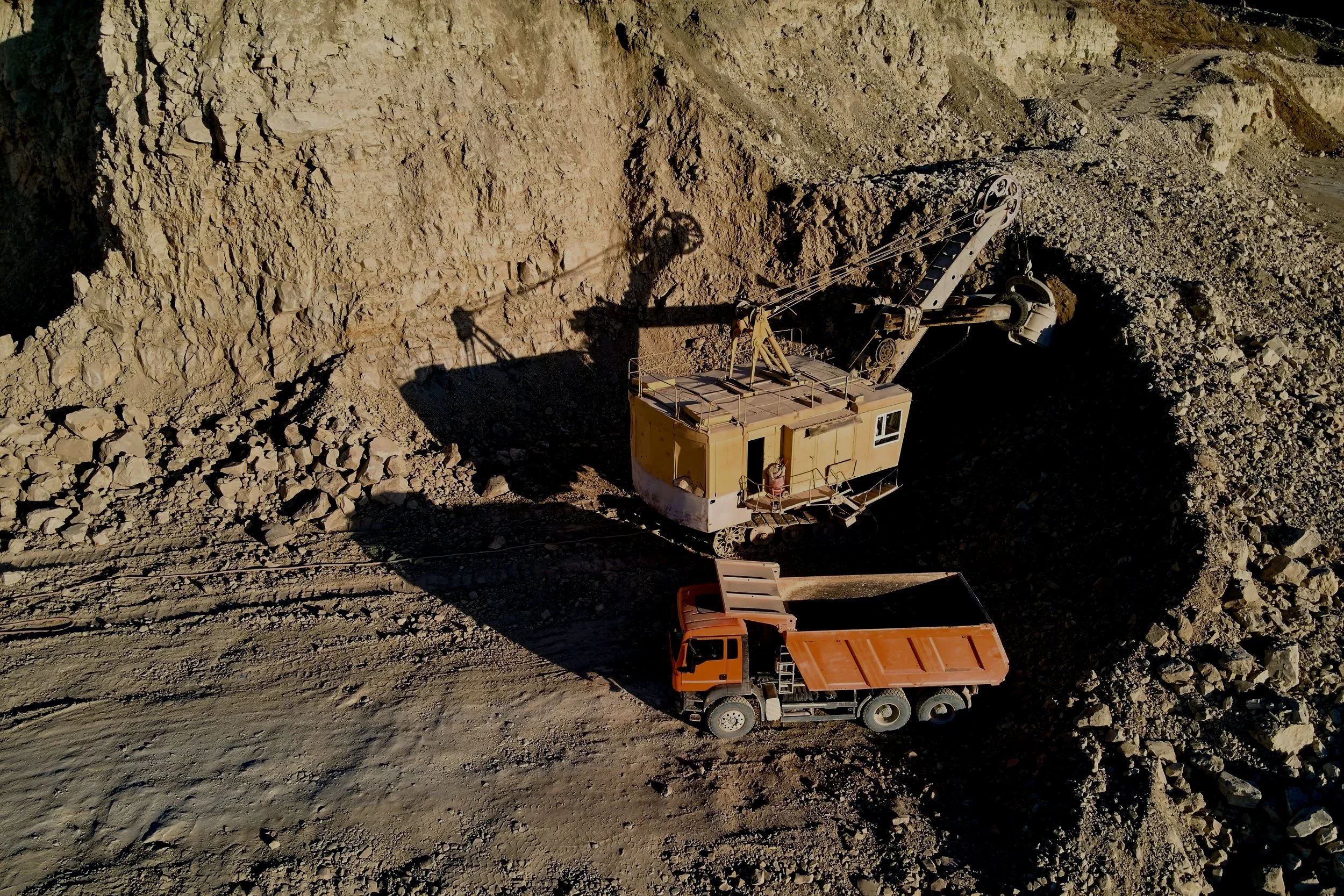
Human force enters geological continuity.THE ALTERATION
Excavation, extraction, construction, and industrial disruption introduce human force into geological continuity.
Natural records become intertwined with anthropological memory.
ACCESS →
XVI-A. ACCELERATED ALTERATION
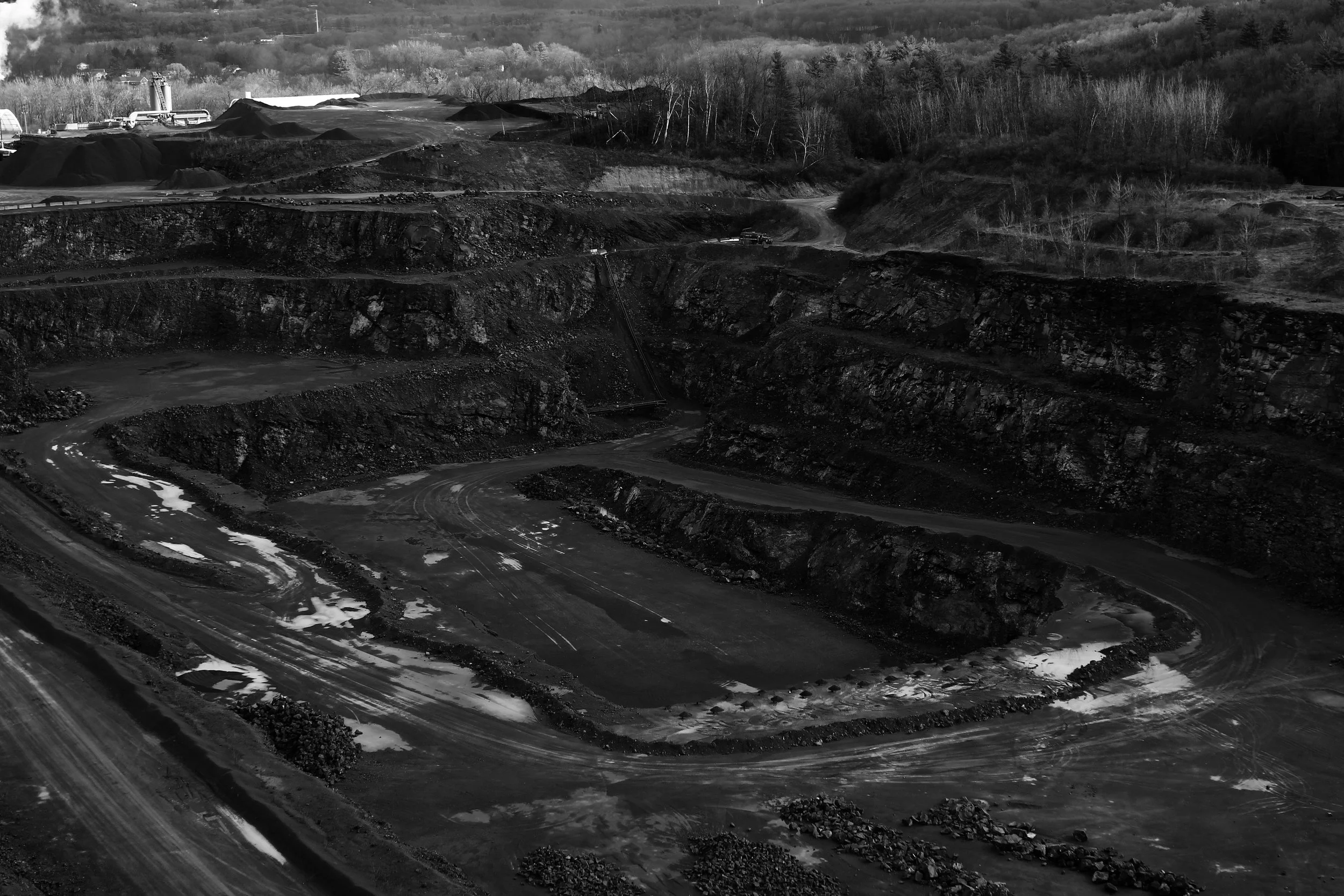
Human activity accelerates geological transformation.THE ESCALATION
Industrial activity accelerates geological transformation beyond natural rates of change.
Extraction, fragmentation, pollution, and environmental destabilization reshape the record at unprecedented speed.
Human activity becomes geological force.
ACCESS →
XVII. GEO-CULTURAL MEMORY
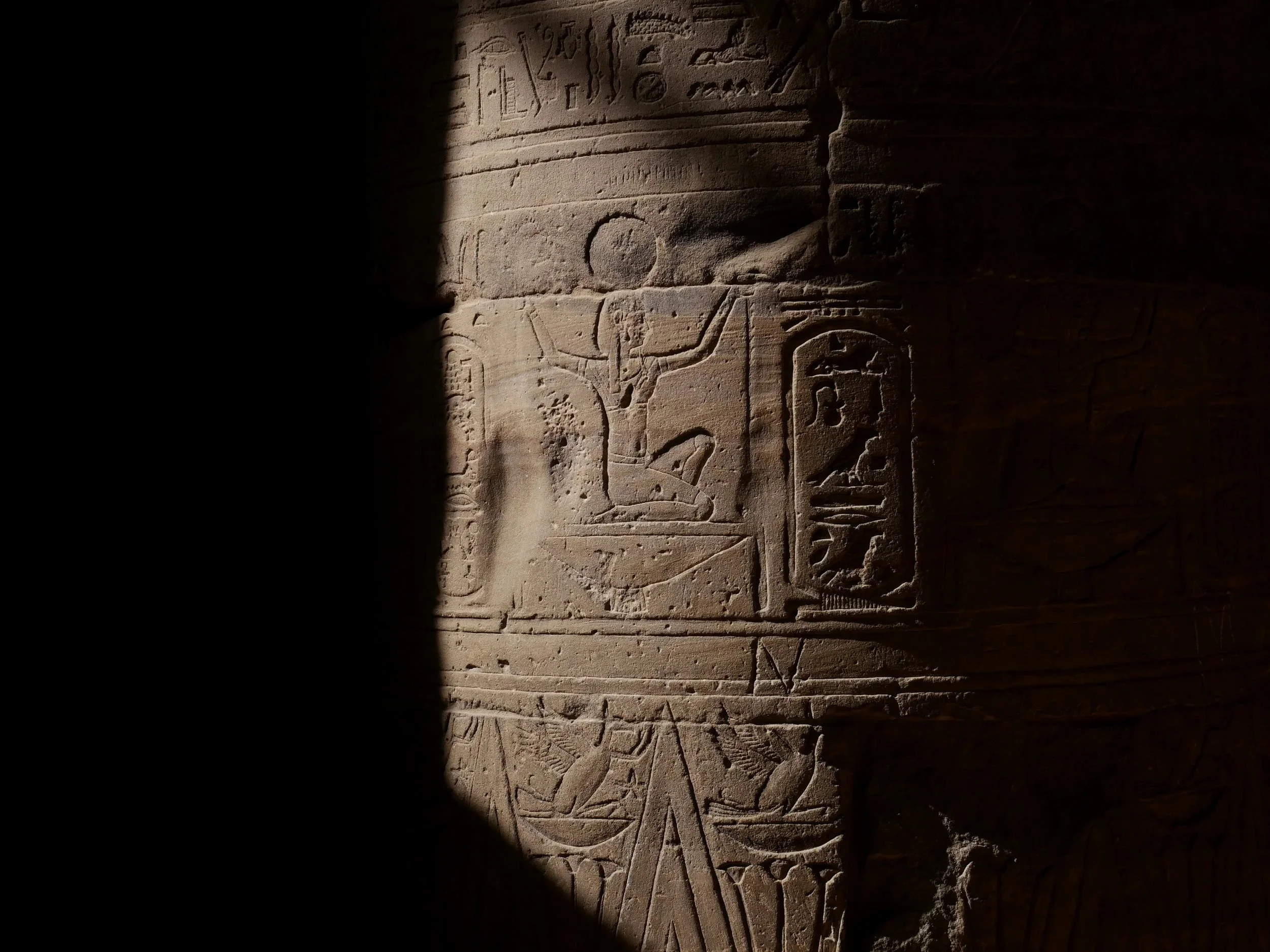
Structures become collective memory of civilizations.THE SYMBOL
Certain structures move beyond material existence and become integrated into ritual, civilization, mythology, and collective identity.
Geological evidence becomes cultural testimony.
ACCESS →
XVII-A. THE UNNAMED INTERVAL

Continuation persists beyond remembrance.THE SILENCE
Between what civilization remembers and what the cosmos reclaims — there exists duration without witness.
No observer. No record. No testimony.
Only continuation.
ACCESS →
XVIII. COSMIC RETURN
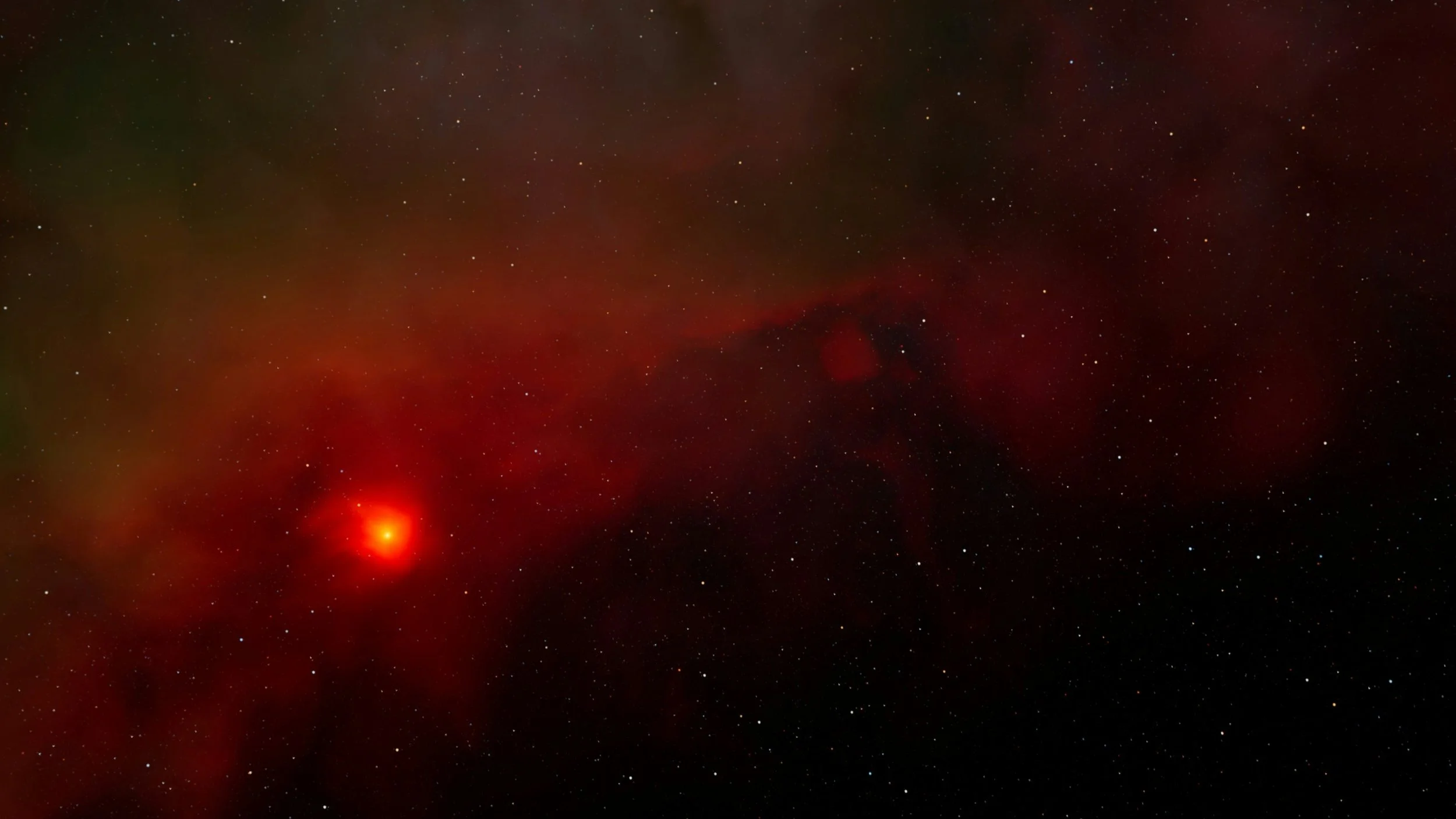
Matter eventually re-enters larger cosmic continuity.THE DISSOLUTION
Matter may eventually re-enter larger planetary and cosmic cycles through collision, subduction, melting, erosion, or disintegration.
No structure remains isolated from the universe indefinitely.
ACCESS →
XX. TRANSCENDENTAL DURATION
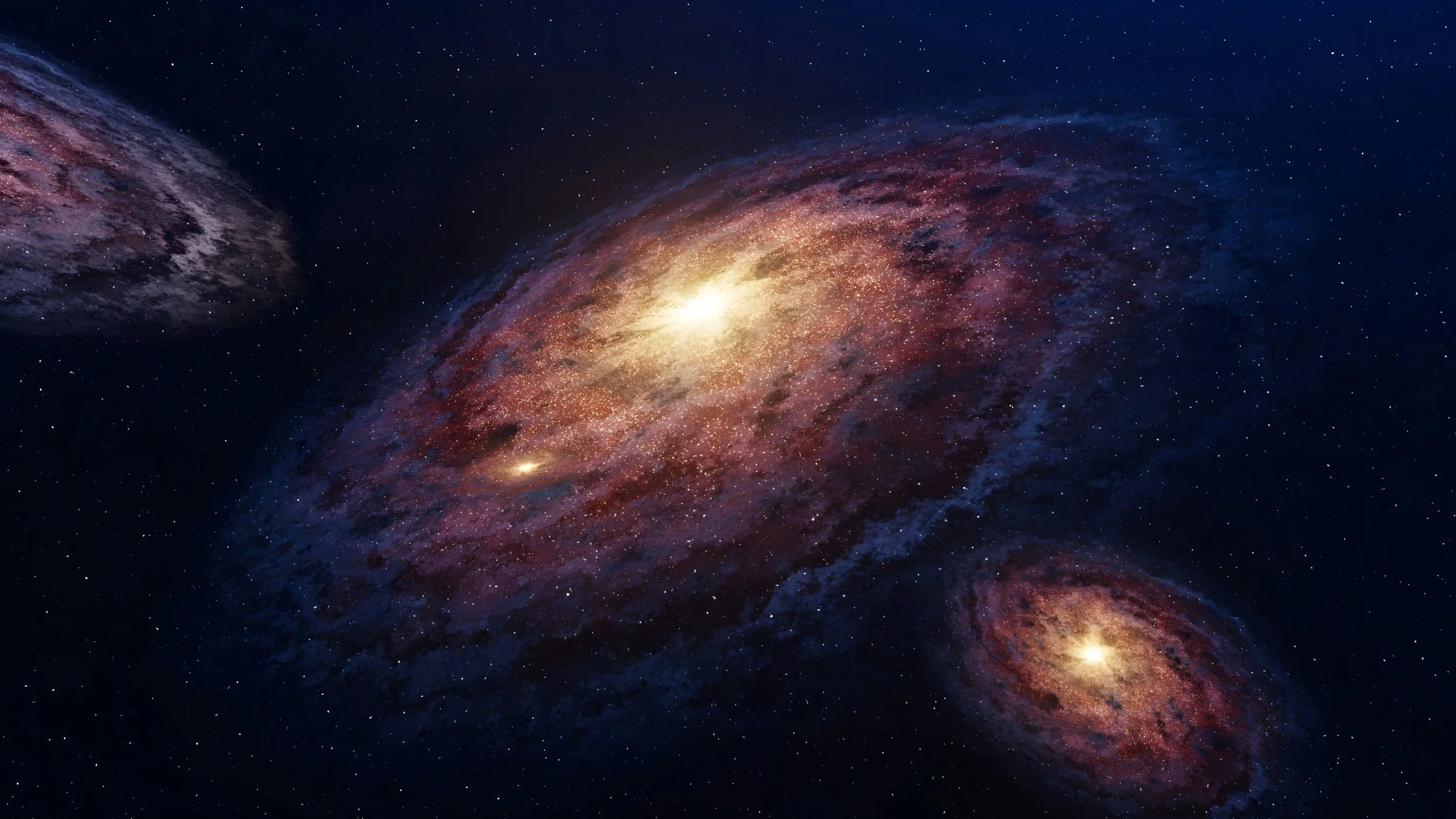
Geological duration returns to the greater continuity.THE BEYOND
Geological existence extends beyond material observation into reflection on time, memory, continuity, and impermanence.
The structure becomes more than matter.
It becomes duration itself.
ACCESS →
GEOLOGICAL TAXONOMY
THE GEOLOGICAL TAXONOMY ESTABLISHES THE CLASSIFICATION FRAMEWORK OF THE CODEX. EACH STRUCTURAL INDEX ORGANIZES CONTINUITY, RELATIONSHIP, AND PROGRESSION ACROSS GEOLOGICAL RECORDS, MATERIAL SYSTEMS, AND ARCHIVAL STATES.