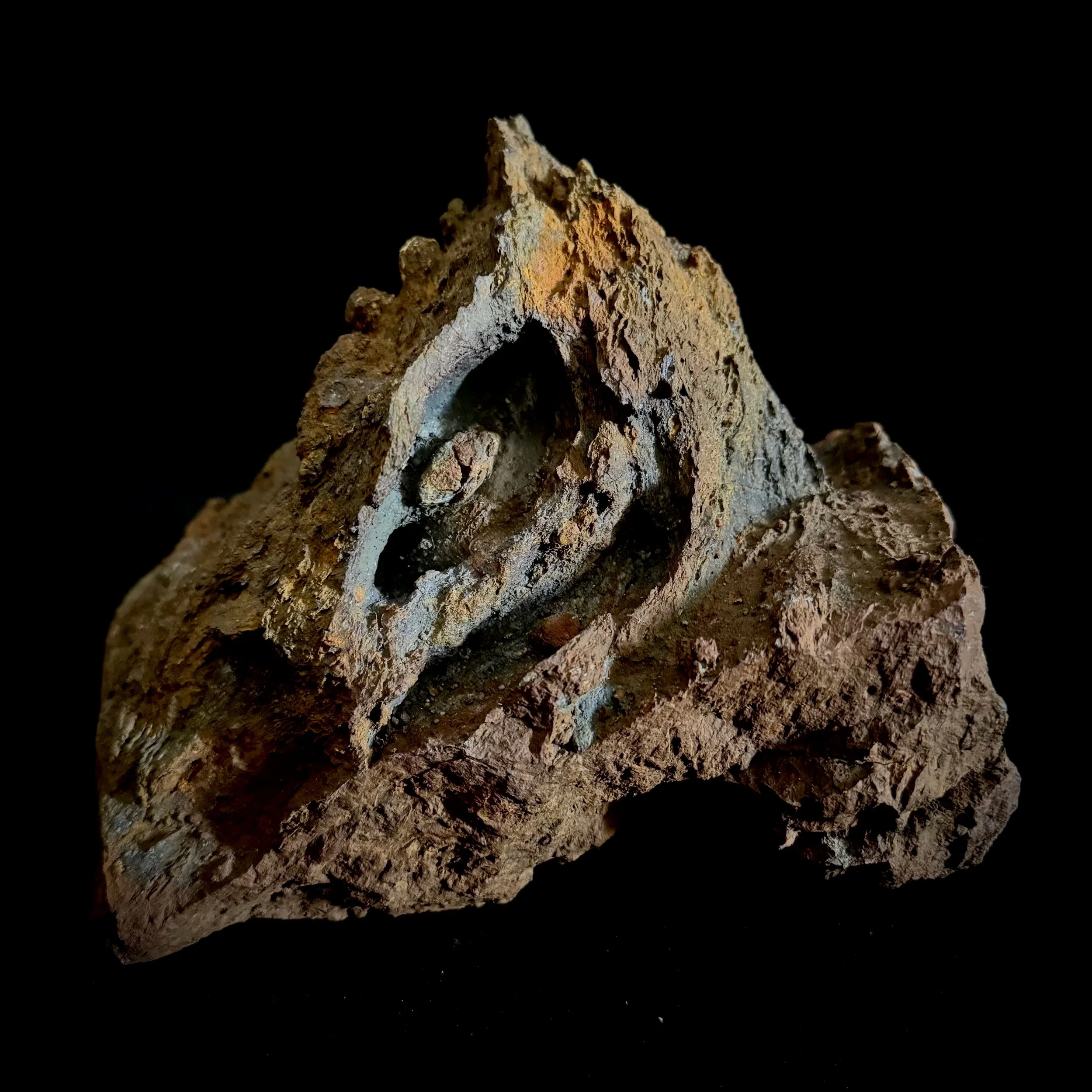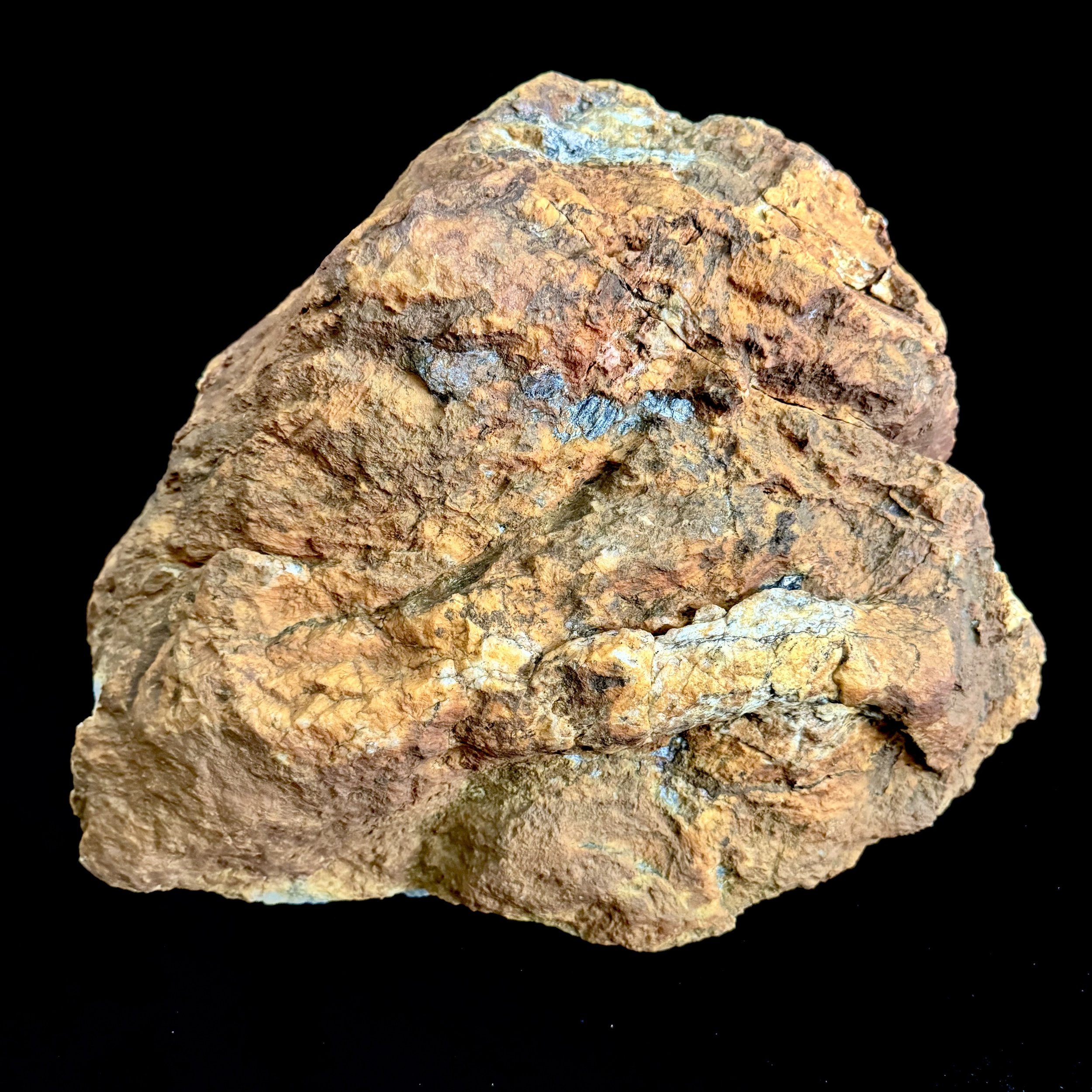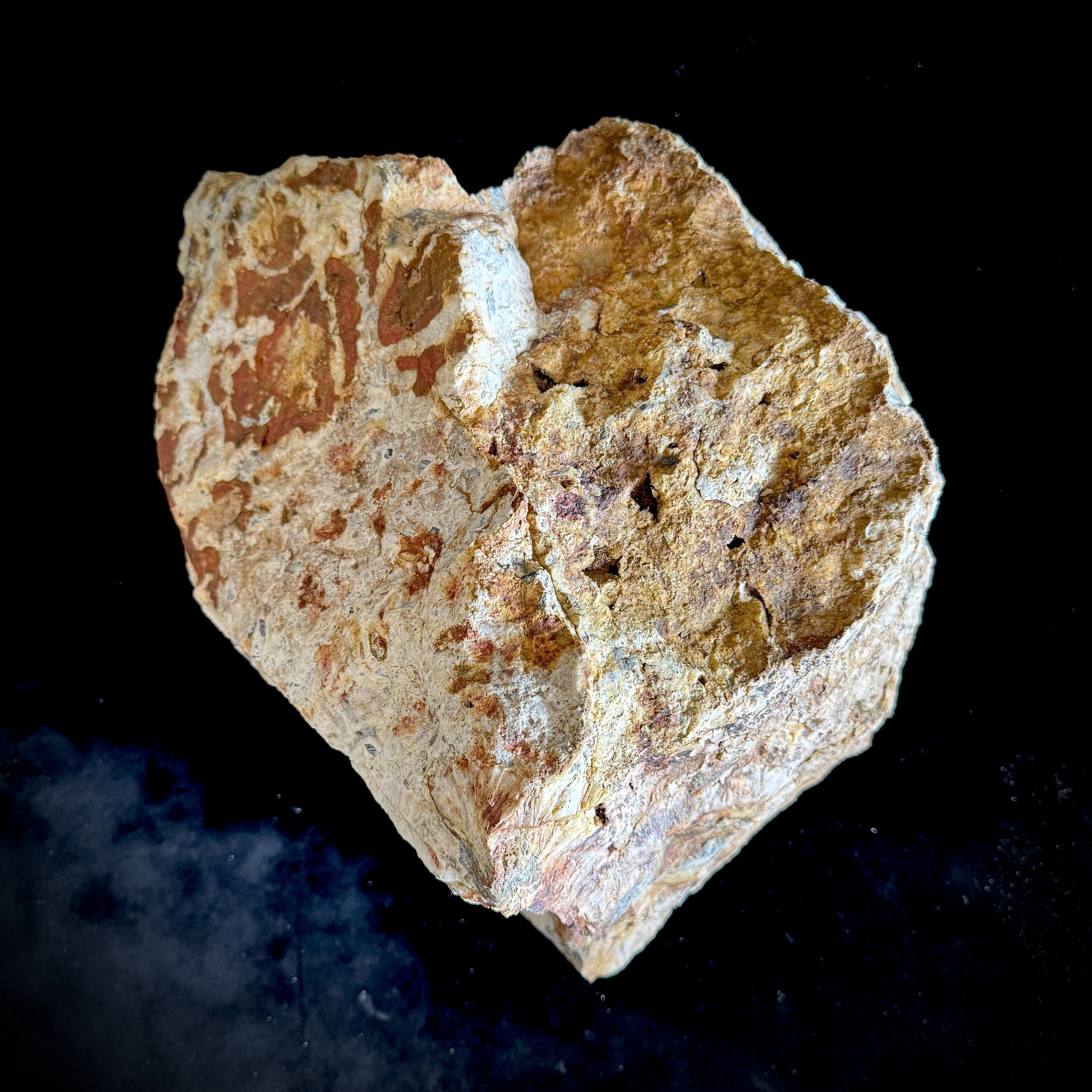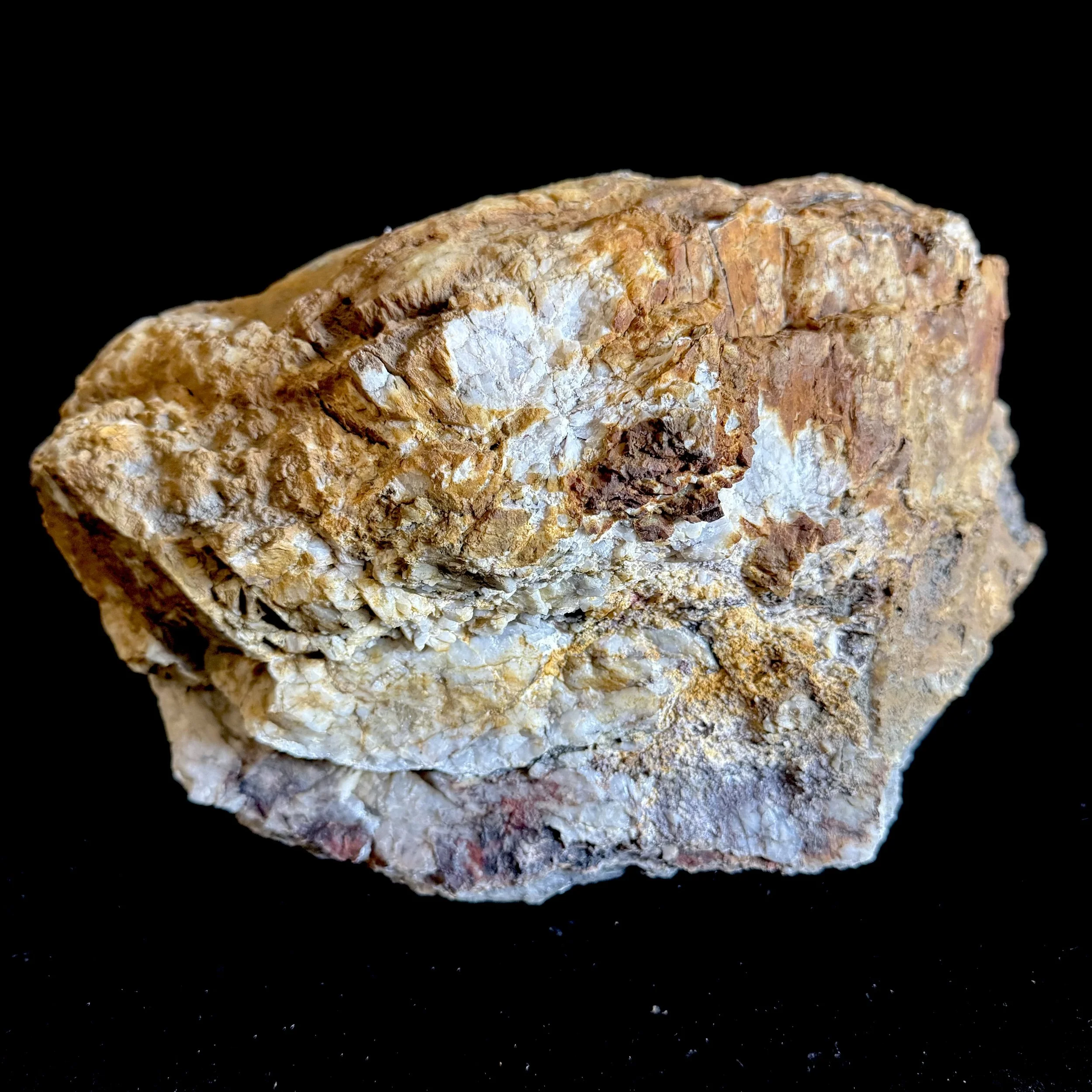
SUPREME INTRO

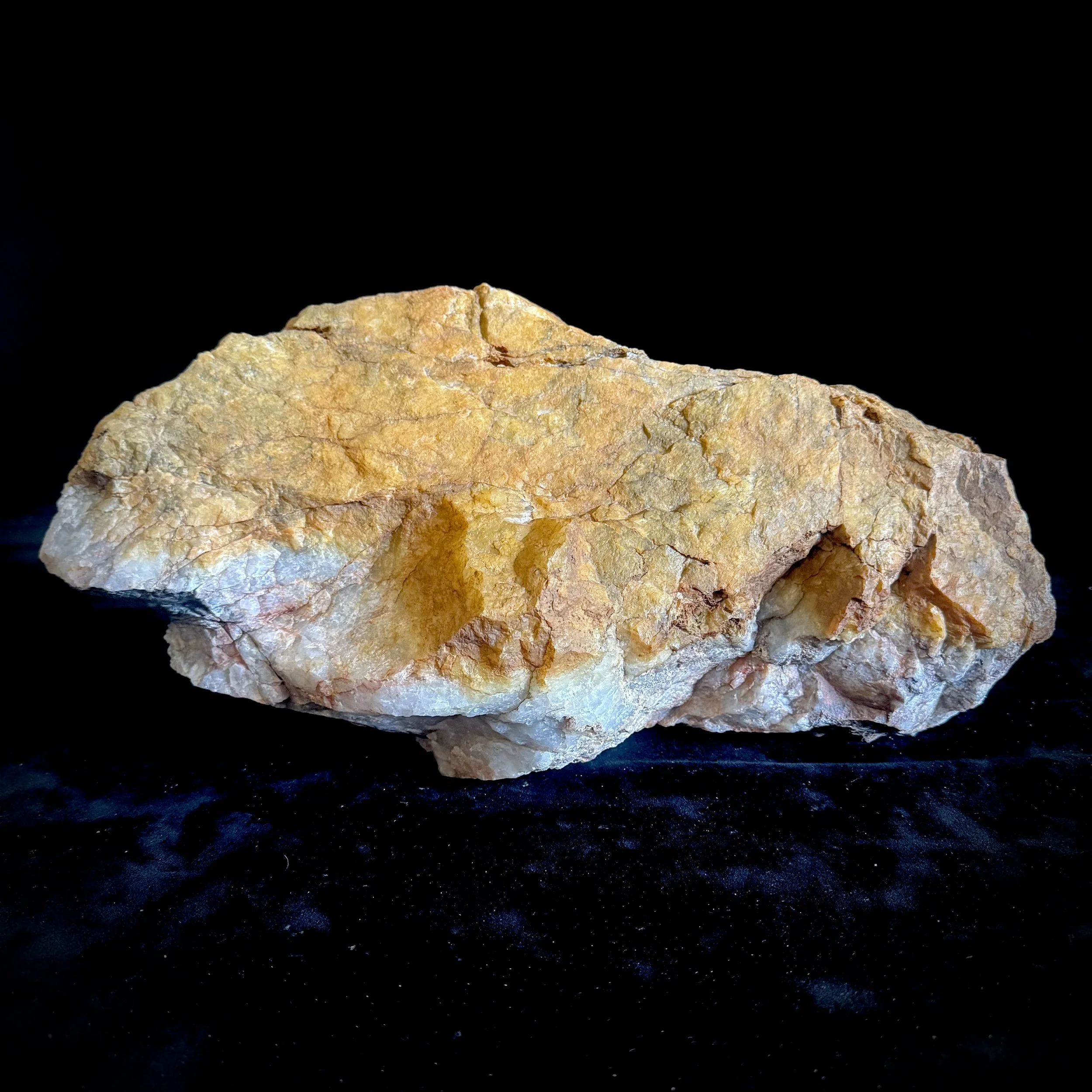
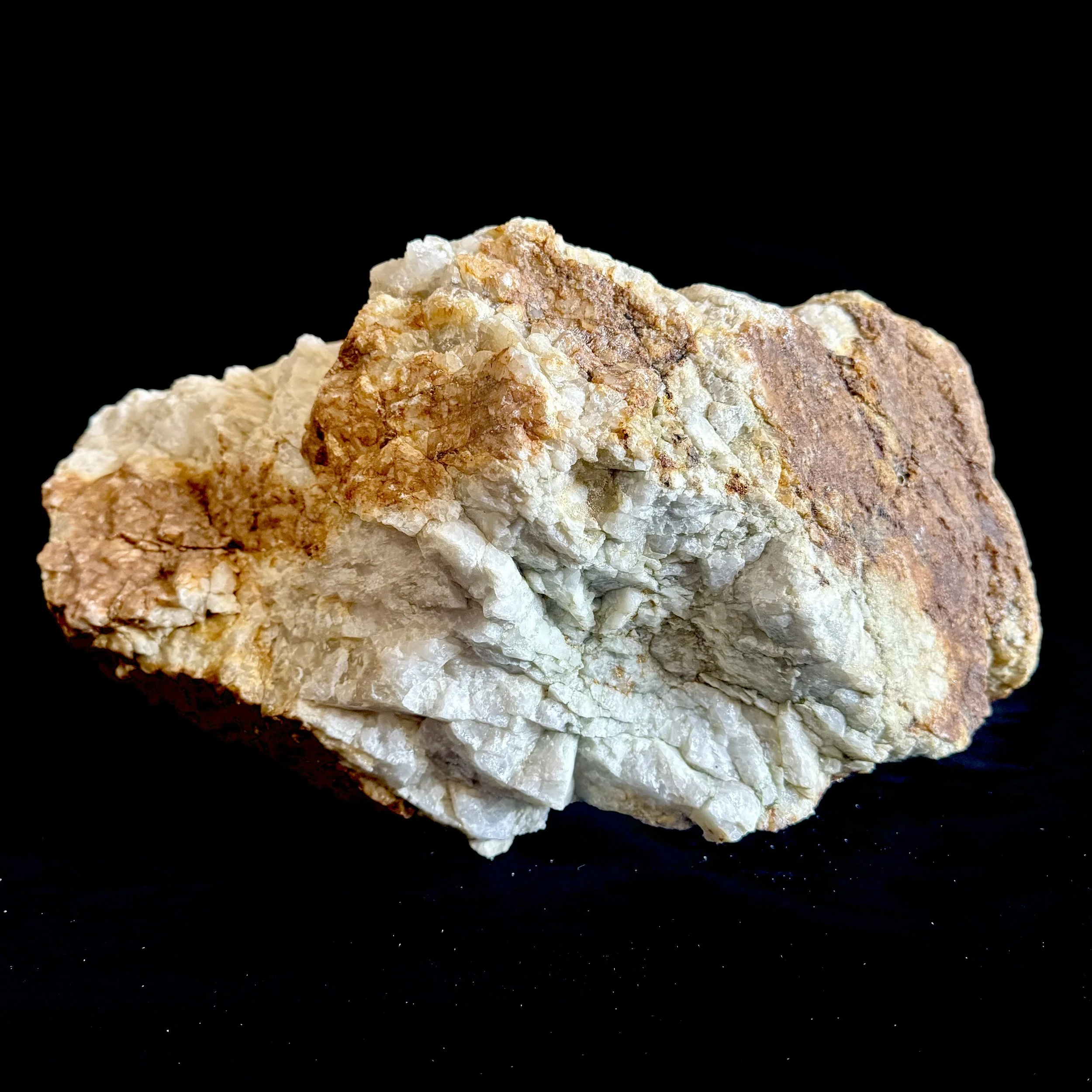
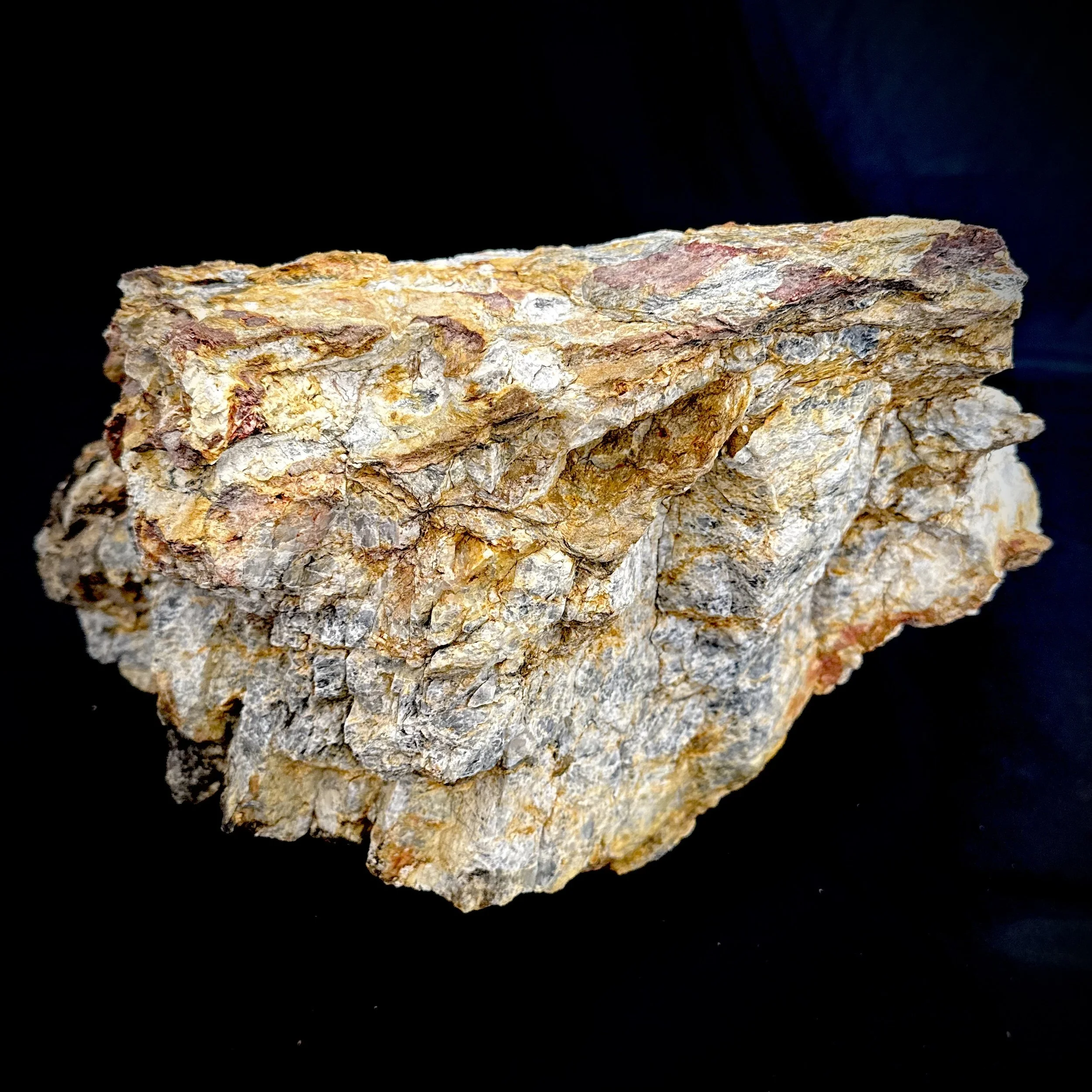
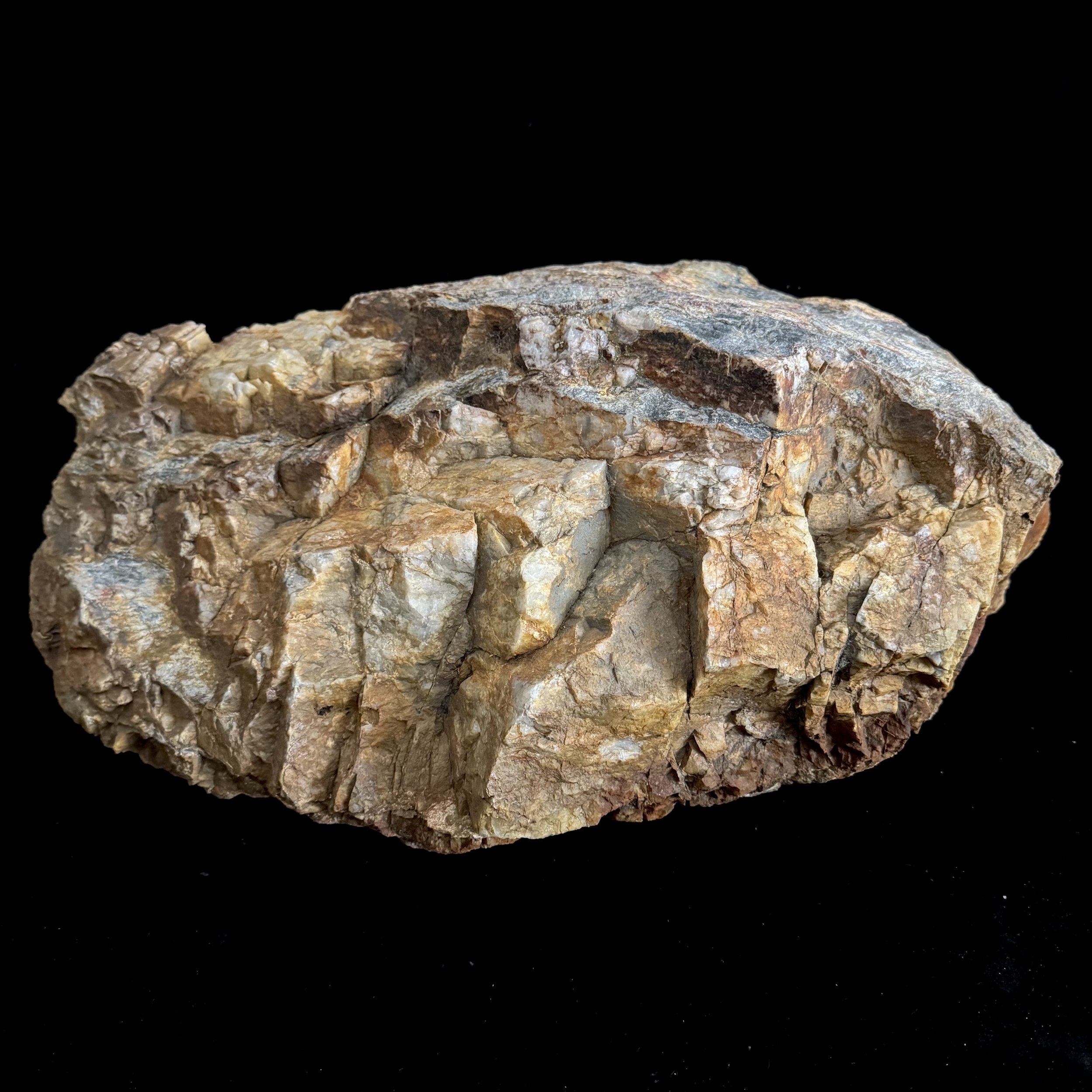
Anantakala Art is a collection of naturally formed mineral artifacts.

Where time, pressure, and existence take form.

ARTIFACT OF TIME.

SOVEREIGN RELIC

One form. No second.

Not shaped for repetition. Not held by convention. What stands here exists once — and will not return.

The Golden Eye of the Veil

The Aurelian Crystalline Claw

The Primordial Carapace Monolith

Private acquisition only.

From Earth. Beyond Time.

We do not sell products.

We present what remains.

ARCHETYPE RELIC

A Singular Art Form.

In a world shaped by human hands, this was formed by the universe. It was never meant to be art — yet it stands as one. Only ONE exists.

The Supreme Flameheart Cavern

A singular occurrence.

THE PRIME RELIC

Not all formations become relics.

Only a curated selection of the rarest formations — where time, pressure, and structure converge into singular existence.

The Subterranean Memory Mass The Subterranean Memory Mass
Quick View
The Subterranean Memory Mass
THB 1,588.00

PRIMARY INFO

  • Codex No.: A00014

  • Codex Tier: Primordial (Titan-Class)

  • Rarity Index: 9.1/10
    (Deep subsurface formation with preserved oxidation memory)

  • Availability: One of One — No replication possible

CORE STATEMENT

  • The Subterranean Memory Mass A00007 is defined by burial, pressure, and retained geological history.
    This formation originates from beneath the visible surface — where mineral saturation, compression, and time accumulate without exposure.

    It does not present external clarity. It preserves internal memory.

    This is not a surface artifact. This is a mass formed in concealment — revealed only through extraction.

PHYSICAL SPECIFICATIONS

  • Weight: 40 kg

  • Dimension:

    • Width: 20 cm

    • Length: 41 cm

    • Height: 35 cm

ORIGIN

  • Source / Origin: Subsurface mineral zone — Rayong, Thailand

  • Formation / Process: Formed within compacted earth layers through quartz stabilization, iron-rich fluid infiltration, and multi-phase oxidation under pressure-limited conditions. Transition from oxygen-limited burial to partial exposure introduced hematite and goethite development, creating layered oxidation zones within a dense host matrix.

  • Era / Estimated Age: Millions of years (Exact dating undefined — classified as Primordial Subterranean Formation)

MATERIAL COMPOSITION

  • Quartz (SiO₂) — Dominant structural base (Approx. 50–60%)

  • Hematite (Fe₂O₃) — Primary red iron oxide phase (Approx. 12–18%)

  • Goethite (FeO(OH)) — Secondary yellow-brown oxidation phase (Approx. 8–12%)

  • Iron-Rich Oxidized Matrix (Gossan-like) — Approx. 10–15%

  • Clay / Weathered Host Residues — Approx. 3–6%

  • Trace Mineral Inclusions — Approx. 2–4%

Iron-bearing fluids infiltrated a quartz-rich host, followed by oxidation cycles transforming iron into hematite and goethite.
This process created a multi-phase iron-quartz system characterized by layered color zones and irregular mineral integration.

REMARK: Composition is visually estimated based on observable surface and structural characteristics. Laboratory confirmation not yet conducted.

ARTISTIC VALUE

  • Subsurface Crust Field — “Pressure-Aged Surface”
    The outer layer is rough, porous, and structurally resistant. This is not erosion from exposure — it is a crust formed under pressure.

  • Multi-Oxide Memory Zones — “Chemical Stratification”
    Color variation reflects mineral transformation:
    red (hematite), yellow (goethite), grey-white (quartz exposure). These zones represent sequential geological states.

  • Fracture Compression System — “Subsurface Stress Map”
    Fractures are irregular and non-radiating, shaped by underground pressure distribution rather than surface breakage.

  • Transitional Mineral Layers — “Phase Interaction”
    Zones where quartz emergence and iron dominance intersect create a non-linear mineral identity.
    This is not uniform formation — it is dynamic stabilization.

  • Mass Density — “Buried Weight”
    The formation carries dense, grounded presence, reflecting prolonged compression beneath earth layers.

STRUCTURAL SCALE

  • Scale Classification: Large-Form Relic (TITAN CLASS — Subterranean Variant)

  • Formation Integrity:
    Maintains strong cohesion despite pressure-release fractures and layered oxidation zones.
    Mineral bonding remains intact, indicating long-term structural stability beneath burial conditions.

  • Rarity Factor (Scale):
    Large subsurface formations exhibiting:

    • Gossan-like oxidation structure

    • Multi-phase iron-quartz interaction

    • Pressure-driven fracture systems

    • Preserved density without collapse

are uncommon due to fragmentation during exposure and extraction.

This piece retains both mass and geological memory — a convergence of burial, pressure, and transformation.

MYTH

Before visibility, there was formation. Before form, there was pressure.

A00007 reflects a deeper principle:
What is hidden carries weight beyond what is seen.

  • Energy Signature: Grounded presence. Stability through burial and pressure accumulation.

  • Collector Note: This artifact does not project outward. It anchors inward. Suitable for collectors who recognize depth beyond visibility.

  • Anantakala Codex Note: A preserved subterranean mass — where geological memory remains embedded within structure.

SPATIAL PRESENCE — “GRAVITATIONAL ANCHOR”

  • Visual Weight Concentration
    The formation draws perception downward through density and mass distribution.
    It does not expand — it settles.

  • Spatial Role

    • Grounds and stabilizes spatial perception

    • Introduces depth through material density

    • Balances elevated or high-reflection pieces

This piece does not seek attention. It creates gravity within space.

DISPLAY & EXPERIENCE

Display Recommendation:
Best placed at low elevation to reinforce grounded presence and mass perception.

Recommended Lighting

  • Low-angle directional lighting

  • Shadow-focused illumination

  • Avoid full exposure

Effect:

  • Enhances surface texture and depth

  • Reveals oxidation layers and fracture systems

  • Strengthens perception of density

Display Environment

  • Floor-level or low platform

  • Matte black / raw stone base

  • Minimal surrounding objects

Presence is experienced through weight, not visibility.

DISPLAY BASE

  • Not included. Custom base available upon request

PHOTOGRAPHY NOTE

  • Natural fractures, oxidation layers, and mineral transitions are present throughout the structure.

  • Surface remains raw and unaltered.

  • No polishing, restoration, or artificial enhancement has been applied.
    This piece is documented in its original geological state.

CONDITION NOTE

  • Natural fractures present from pressure release

  • Surface unpolished with visible oxidation and mineral variation

  • No structural modification or artificial treatment

  • Fully preserved in original excavation condition

TRUST / AUTHORITY

  • Authentication: Verified and documented by Anantakala Art — Codex Registered Artifact A00014

  • Curation Note: Selected for subsurface origin, mineral density, and preserved geological memory.
    This piece represents a rare condition where formation occurred beneath visibility and remained intact through extraction.

SHIPPING

  • Shipping available worldwide

  • Freight arrangement required due to scale (40 kg)

  • Custom packaging and reinforced handling ensured

HANDLING NOTE

  • Requires proper lifting and secure packing due to weight and density

LOGISTICS CLARITY

  • Shipping cost not included. Final quotation based on destination and method

FINAL STATEMENT

  • This is not a decorative object. This is a preserved subterranean mass — formed beneath visibility, shaped by pressure,
    and revealed through excavation.

    What remains unseen carries weight. What remains buried retains memory.

    A00014 does not present itself. It is uncovered — and understood over time.

The Primordial Ancient Mass Core The Primordial Ancient Mass Core
Quick View
The Primordial Ancient Mass Core
THB 1,288.00

PRIMARY INFO

  • Codex No.: A00012

  • Codex Tier: Titan

  • Rarity Index: 8.5/10

    (Non-repeatable natural formation)

  • Availability: One of One — No replication possible

CORE STATEMENT

  • The Primordial Core A00004 does not present itself immediately.
    It appears as a dense, iron-dominant mass — compressed, weathered, and resistant.
    Beneath the surface lies a structured internal system:
    Quartz pathways, mineral veins, and pressure fractures formed over extended geological time.
    This is not a display of clarity. This is a record of formation under pressure.

PHYSICAL SPECIFICATIONS

  • Weight:‍ 26.208 kg

  • Dimension:

    • Width: 20.5 cm

    • Length: 37 cm

    • Height: 26 cm

ORIGIN

  • Source / Origin: Coastal mineral zone — Rayong, Thailand

  • Formation / Process: Formed through multi-phase mineral evolution involving quartz deposition, iron-rich hydrothermal intrusion, and prolonged surface oxidation.
    Subsequent geological exposure introduced secondary alteration features, including localized blue-gray mineral transformation zones and micro-fracture crystallization.

  • Era / Estimated Age: Millions of years (Exact dating undefined — classified as Primordial Natural Formation)

MATERIAL COMPOSITION

  • Iron Stained Quartz Matrix — Approx. 50–55%

  • Oxidized Mineral Crust (Heavy Iron Riched) — Approx. 20–25%

  • Subsurface Quartz Vein System — Approx. 12–18%

  • Blue-Grey Mineral Complex (Chlorite / Graphitic Carbon / Galena Indicative) — Approx. 3-5%

  • Secondary Micro-Druzy Silica — Approx. 2–3%

  • Residual Wethered Matrix & Clay — Approx. 4-6%

Quartz-dominant formation exhibiting multi-phase mineral evolution, including early-stage stabilized silicate zones later intruded by iron-rich hydrothermal activity. The presence of blue-gray mineral complexes suggests localized transformation under pressure, potentially involving carbonaceous or sulfide-associated phases. Secondary micro-druzy silica formation indicates late-stage crystallization within fracture cavities.

REMARK: Composition is visually estimated based on observable surface and structural characteristics. Laboratory confirmation not yet conducted.

ARTISTIC VALUE

  • Brutalist Nature — “Authentic Scarring”
    This piece reflects a natural Brutalist condition. The fractured surfaces, hardened crust, and irregular geometry
    are not imperfections. They are physical responses to force. Each mark is structural. Each break is evidence.

  • Dormant Architecture — “A Library of Pressure”
    This is not a uniform mass. It is a stored system of compression.
    Internal fracture lines and mineral pathways act as natural records of stress, movement, and geological change.
    What appears inactive is structurally defined.

  • Blue-Gray Mineral Zones — “The Pulse of Transformation”
    Distributed within the iron matrix are blue-gray inclusions — visually distinct and non-uniform.
    These zones suggest chemical interaction during formation, where mineral conditions shifted over time.
    They are rare within the collection. They mark transition, not stability.

  • Natural Basin Formation
    A concave cavity is present within the upper mass — forming a natural basin-like structure.
    This is not surface damage, but a result of internal variation and structural release.

  • Mass Presence — “ Gravitational Anchor “

    At over 26 kg, A00012 carries physical authority. It does not elevate a space. It stabilizes it.

STRUCTURAL SCALE

  • Scale Classification: Large-Form Relic ( TITAN CLASS )

  • Formation Integrity:

    Maintains strong structural cohesion across a complex quartz-dominant mass, despite visible fracture networks, layered oxidation, and mineral intrusion zones.
    The integration of iron-rich crust, subsurface quartz veining, and stabilized mineral cores has reinforced internal integrity, allowing the formation to retain both mass and morphological presence without significant structural collapse.

  • Rarity Factor (Scale):

    Large-scale formations exhibiting this level of multi-phase mineral interaction are inherently unstable during geological evolution.
    Processes such as oxidation, hydrothermal intrusion, and environmental exposure typically lead to fragmentation, erosion, or loss of structural definition.

    The preservation of:

    • Substantial mass

    • Layered quartz-vein architecture

    • Iron-rich oxidation crust

    • Localized blue-gray mineral anomaly zones

    indicates a rare convergence of formation, transformation, and survival within a single intact structure.

Large formations rarely endure intact through multiple geological phases.
This one preserved not only its mass — but its entire evolutionary record.

MYTH

The exterior appears dense, weathered, and iron-bound. A surface shaped by pressure, oxidation, and time.

Beneath it — structure remains intact. Quartz holds. Form persists.

This formation reflects a deeper truth:

What endures is not what resists change — but what integrates it.

  • Energy Signature: Stability within transformation. Endurance through layered pressure. Clarity preserved beneath evolving structure.

  • Collector Note:

    This artifact is not designed to impress. It is designed to remain. Best suited for collectors who recognize structural presence — and understand the value of forms that persist beyond surface change.

  • Anantakala Codex Note: A preserved core formation. A record of endurance across geological transition.

SPATIAL PRESENCE — “ATMOSPHERIC STABILIZER”

  • Visual Weight Displacement
    Despite its substantial mass, the formation does not project heaviness.

    The contrast between dense iron-rich crust and internal quartz structure creates a perceptual shift —
    where visual weight appears balanced rather than imposed.

    When positioned correctly:

    The object does not sit in space. It stabilizes it.
    When displayed correctly:
    The object appears to float above its own foundation

  • Spatial Role

    • Acts as a grounding anchor within an environment

    • Introduces subtle light interaction through mineral variation

    • Balances density and clarity within a single visual field

    It does not demand attention through scale. It holds attention through presence.

DISPLAY & EXPERIENCE

Display Recommendation:

This piece is best experienced through controlled contrast. Its layered mineral system — iron-rich crust, quartz veins, and internal structures — reveals depth progressively under intentional lighting and spatial isolation.

It is not meant to blend. It is meant to be discovered.

Recommended Lighting

  • Use angled side or low directional lighting

  • Avoid full frontal illumination

  • Allow shadows to interact with surface irregularities

Effect:

  • Enhances separation between crust and internal quartz

  • Reveals depth across fracture lines and vein systems

  • Activates subtle reflective points within the structure

Light does not simply illuminate this piece. It reveals it in layers.

Display Environment

  • Dark or neutral base (stone, matte black, or natural wood)

  • Stable platform required (heavy-form structure)

  • Minimal surrounding objects recommended

Clarity emerges through contrast.

DISPLAY BASE

  • Not included. Custom base available upon request

PHOTOGRAPHY NOTE

  • Natural fractures, mineral layering, and oxidation patterns are present throughout the structure.

  • Surface textures remain raw and unaltered, preserving both crust formation and subsurface quartz expression.

  • No polishing, restoration, or artificial enhancement has been applied.

    This piece is documented and presented in its original geological state.

CONDITION NOTE

  • Natural fractures and multi-phase mineral transitions are present.

  • Edges remain raw, with visible weathering and oxidation across exposed surfaces.

  • No structural modification, polishing, or artificial treatment has been performed.

  • The formation remains fully preserved in its natural condition.

TRUST / AUTHORITY

  • Authentication: Verified and documented by Anantakala Art — Codex Registered Artifact A00012

  • Curation Note:

    Selected not for visual dominance alone — but for structural integrity and mineral convergence.

    This piece represents a threshold condition:

    Where layered formation, pressure, and transformation stabilize into a single enduring presence.

SHIPPING

  • Shipping available worldwide.

  • Freight arrangement upon request.

  • Due to the scale and weight of this artifact (26.208 kg), shipping will be coordinated individually to ensure safe handling and delivery.

HANDLING NOTE

  • This piece requires secure packing and proper lifting due to its mass. Custom packing solutions will be applied based on destination.

LOGISTICS CLARITY

  • Shipping cost is not included in the listed price. Final quotation will be provided based on location and delivery method.

FINAL STATEMENT

  • This is not a decorative object. This is a preserved geological convergence — where iron, quartz, and time have stabilized into a single enduring form. It does not resolve into simplicity. It holds complexity without collapse.

    What appears chaotic is structured. What appears weathered is preserved.

    This relic does not present itself at once. It reveals its structure — layer by layer, over time.

Crystalline Iron Stained Vein Spike Crystalline Iron Stained Vein Spike
Quick View
Crystalline Iron Stained Vein Spike
THB 1,588.00

PRIMARY INFO

  • Codex No.: A00010

  • Codex Tier: Titan

  • Rarity Index: 7.8/10

    (Non-repeatable natural formation)

  • Availability: One of One — No replication possible

  • Price Reasoning:

    Defined by scale, directional form, and mineral complexity. Positioned as a Titan-class natural sculpture within the Anantakala Codex.

CORE STATEMENT: [TO BE IDENTIFIED]

PHYSICAL SPECIFICATIONS

  • Weight:‍ 27.131 kg

  • Dimension:

    • Width : 29.5 cm

    • Length: 35 cm

    • Height: 21.5 cm

ORIGIN

  • Source / Origin: Coastal mineral zone — Rayong, Thailand

  • Formation / Process: Quartz deposition with iron-rich fluid infiltration across fracture systems

  • Era / Estimated Age: Millions of years (Exact dating undefined — classified as Primordial Natural Formation)

MATERIAL COMPOSITION

  • Quartz (SiO₂) — Approx. 65–72%

  • Hematite (Fe₂O₃) — Approx. 8–12%

  • Goethite (FeO(OH)) — Approx. 5–9%

  • Secondary siliceous alteration — Approx. 4–6%

  • Clay / weathered host residues — Approx. 3–6%

  • Trace / undetermined mineral inclusions — Approx. 3–5%

    The iron veins are not inclusions; they are the circulatory system of the earth, frozen in quartz.

REMARK: Composition is visually estimated based on observable surface and structural characteristics. Laboratory confirmation not yet conducted.

ARTISTIC VALUE

  • Texture & Pattern:

    Layered quartz intersected by iron oxidation gradients, forming depth and visual contrast

  • Iron Pulse (Visual Temperature):

    The cool opacity of quartz meets the warm intensity of iron — a natural balance of cold and heat within one structure

  • Artistic Form:

    A pronounced spike emerging from fractured mass

  • Visual Presence:

    Not static — it advances

STRUCTURAL SCALE

  • Scale Classification: Large-Form Relic ( TITAN CLASS )

  • Formation Integrity:

    Structurally stable with preserved fractured planes

  • Rarity Factor (Scale):

    Medium-high at this scale

Large formations rarely survive intact. This one endured.

DIRECTIONAL SIGNIFICANCE

  • The forward spike is not accidental. It marks a point of release — where geological pressure converged and broke into form. A natural vector. A fixed direction.

MYTH

  • Energy Signature: Momentum. Pressure. Emergence. Not still. Not passive. This one moves forward

  • Collector Note:

    A structure held at the moment of release — where force became direction.

  • Anantakala Codex Note: The secondary recorded Core.

SPATIAL PRESENCE

  • This artifact carries mass beyond its weight. It does not simply occupy space — it anchors it. Placement defines the room.

CONDITION NOTE

  • Natural fractures and surface irregularities present

  • Edges largely intact relative to scale

  • No artificial restoration or modification

DISPLAY & EXPERIENCE

  • Display Recommendation:

    • Front-facing orientation (spike forward)

    • Stable base required (not included)

    • Low platform or ground placement preferred

  • Environment Suggestion:

    • Low light / directional spotlight

    • Quiet space with minimal distraction

    • Suitable for gallery, private chamber, or contemplative environment

PHOTOGRAPHY NOTE:

  • All images captured under natural or neutral lighting. No artificial enhancement or surface alteration applied.

TRUST / AUTHORITY

  • Authentication: Verified and documented by Anantakala Art — Codex Registered Artifact A00010

  • Curation Note:

    Selected as the Secondary Core not by rarity alone — but by presence. This piece defines the threshold between object and meaning.

SHIPPING

  • Shipping available worldwide.

  • Freight arrangement upon request.

  • Due to the scale and weight of this artifact (27.131 kg), shipping will be coordinated individually to ensure safe handling and delivery.

HANDLING NOTE

  • This piece requires secure packing and proper lifting due to its mass. Custom packing solutions will be applied based on destination.

LOGISTICS CLARITY

  • Shipping cost is not included in the listed price. Final quotation will be provided based on location and delivery method.

FINAL STATEMENT

  • This is not a polished object. It is pressure — held in form.

The Labyrinth Fractured Core The Labyrinth Fractured Core
Quick View
The Labyrinth Fractured Core
THB 2,388.00

PRIMARY INFO

  • Codex No.: A00007

  • Codex Tier: Architectural ( Titan Class )

  • Rarity Index: 9/10

    (Non-repeatable natural formation)

  • Availability: One of One — No replication possible

CORE STATEMENT

  • The Labyrinth Fractured Archive A00007 is defined by structure rather than surface.
    It presents a fractured quartz mass where block-like formations, mineral layering, and pressure-defined planes coexist within a single body. Beneath its exterior lies a preserved internal system — fracture networks, directional quartz planes, and a naturally formed enclosed chamber.

    This is not a display of surface characteristics. This is an exposed structural system —a formation where fracture does not destroy, but reveals order within matter. Structural Quartz Formation (Fracture-Based Geometry + Internal Chamber)

PHYSICAL SPECIFICATIONS

  • Weight:‍ 33.275 kg

  • Dimension:

    • Width: 30.5 cm

    • Length: 48.5 cm

    • Height: 19.5 cm

ORIGIN

  • Source / Origin: Coastal mineral zone — Rayong, Thailand

  • Formation / Process: Formed through quartz crystallization under structural compression, followed by multi-phase mineral oxidation and prolonged geological exposure. Fracture networks developed through stress release events, while internal void formation indicates localized structural separation within a stabilized quartz mass.

  • Era / Estimated Age: Millions of years (Exact dating undefined — classified as Primordial Structural Formation)

MATERIAL COMPOSITION

  • Quartz Structural Mass — Approx. 55–60%

  • Iron-Rich Oxidized Mineral Zones — Approx. 20–25%

  • Subsurface Quartz Planes (Directional / Blade-like) — Approx. 8–12%

  • Blue-Grey Mineral Complex (Chlorite / Carbonaceous / Sulfide Indicative) — Approx. 3–5%

  • Secondary Micro-Crystalline Silica — Approx. 2–3%

  • Residual Weathered Matrix — Approx. 3–5%

Quartz-dominant formation exhibiting structural compression and fracture-based geometry.
Iron oxidation and mineral variation indicate prolonged exposure and chemical interaction over time.

The presence of an internal chamber suggests localized separation under pressure, while directional quartz planes indicate stress-aligned crystallization during structural evolution.

REMARK: Composition is visually estimated based on observable surface and structural characteristics. Laboratory confirmation not yet conducted.

ARTISTIC VALUE

  • Structural Field (Fractured Block Formation)
    The primary composition is defined by large quartz bodies breaking into visible geometric segments.
    These formations resemble:

    • Stacked mineral blocks

    • Collapsed structural faces

    • Intersecting fracture planes

      This is not random breakage. It is pressure organizing matter into form.

  • Deep Chamber (Enclosed Geological Space)
    A00005 contains a natural internal chamber — a deep, enclosed cavity formed within the mass.
    This is not a surface basin. It is an internal void. A preserved space created by pressure, separation, and structural release. This feature transforms the piece from solid mass into a structure with interior depth.
    It invites observation. It holds unknown space.

  • Chromatic Field — “The Palette of Earth”
    Across the surface and internal structure, multiple mineral tones coexist:

    • Blue-gray zones

    • Crimson iron veins

    • Gold / Ochre oxidation

    • White quartz mass

    • Dark brown mineral depth
      These are not decorative variations. They are layered geological states.
      A00005 presents a multi-zone chromatic system — rare within a single intact mass.

  • Quartz Body (Load-Bearing Core)
    The quartz within A00007 is not expressive. It is structural.
    Dense, opaque, and weight-bearing — it forms the architectural integrity of the piece.
    This is quartz as foundation, not ornament.

  • Blade Formation (Directional Quartz Planes)
    Within fracture zones, quartz appears in directional blade-like formations.
    These angular planes:

    • Suggest directional force

    • Create visual tension

    • Introduce sharp structural rhythm
      This is not simple fracturing. This is aligned breakage — controlled by geological stress.

  • Fracture Network — “Library of Pressure”
    The visible fracture system forms a dense network across the body.
    Each line is a record:

    • Stress pathways

    • Separation events

    • Moments of compression and release
      This is not damage. This is archived force.

STRUCTURAL SCALE

  • Scale Classification: Large-Form Relic (TITAN CLASS — Architectural Variant)

  • Formation Integrity:
    Maintains strong structural cohesion despite extensive fracture networks and internal void presence.
    The integration of quartz mass, oxidation layers, and directional fracture planes stabilizes the overall form.

  • Rarity Factor (Scale):
    Large formations with:

    • Internal chamber preservation

    • Multi-directional fracture architecture

    • Structural quartz integrity

    • Chromatic mineral diversity

are rare due to instability during formation and exposure.

This piece retains both mass and internal structure — a convergence of fracture, formation, and survival.

MYTH

Before fracture, there was order.
After fracture, there was memory.

A00007 reflects a deeper principle:
Structure is not lost through disruption — it is revealed.

• Energy Signature: Stability within disruption. Structure preserved through fracture.
• Collector Note: This piece is not defined by appearance, but by internal organization. It is suited for collectors who recognize structure beyond surface.
• Anantakala Codex Note: A preserved structural archive — where pressure, fracture, and form coexist within a single system.

SPATIAL PRESENCE — “ARCHITECTURAL ANCHOR”

  • Visual Weight Distribution
    Despite its mass, the segmented structure distributes visual weight across planes and elevations.
    The formation appears stabilized through geometry rather than density.

  • Spatial Role

    • Introduces architectural form into space

    • Anchors environment through structure

    • Creates focus through complexity rather than scale

This piece does not occupy space. It defines it.

DISPLAY & EXPERIENCE

Display Recommendation:
Best experienced under controlled lighting that reveals structural depth and internal chamber formation.

Recommended Lighting

  • Angled side lighting

  • Low directional light into chamber and fracture zones

  • Avoid full frontal exposure

Effect:

  • Reveals internal void and structural depth

  • Enhances directional quartz planes

  • Activates contrast between fracture and mass

Display Environment:

  • Matte black / dark stone / raw wood base

  • Reinforced platform required (33 kg)

  • Minimal surrounding elements

Clarity emerges through shadow and structure.

DISPLAY BASE

  • Not included. Custom base available upon request

PHOTOGRAPHY NOTE

  • Natural fractures, internal chamber, and mineral layering are present throughout the structure.

  • Surface remains raw and unaltered.

  • No polishing, restoration, or artificial enhancement has been applied.
    This piece is documented in its original geological state.

CONDITION NOTE

  • Natural fractures and multi-phase mineral transitions are present.

  • Edges remain raw, with visible weathering and oxidation across exposed surfaces.

  • No structural modification, polishing, or artificial treatment has been performed.

  • The formation remains fully preserved in its natural condition.

TRUST / AUTHORITY

  • Authentication: Verified and documented by Anantakala Art — Codex Registered Artifact A00007

  • Curation Note: Selected for structural complexity, internal chamber formation, and fracture-based architecture.
    This piece represents a rare condition where fracture does not weaken — but defines the form.

SHIPPING

  • Shipping available worldwide.

  • Freight arrangement upon request.

  • Due to the scale and weight of this artifact (33.275 kg), shipping will be coordinated individually to ensure safe handling and delivery.

HANDLING NOTE

  • This piece requires secure packing and proper lifting due to its mass. Custom packing solutions will be applied based on destination.

LOGISTICS CLARITY

  • Shipping cost is not included in the listed price. Final quotation will be provided based on location and delivery method.

FINAL STATEMENT

  • This is not a decorative object. This is a preserved structural system — where fracture reveals architecture,
    and disruption reveals order. What appears broken is organized. What appears chaotic is defined.

    A00007 does not present itself at once.
    It reveals its structure — through depth, shadow, and time.

The Sanguine Heart Crown Monolith The Sanguine Heart Crown Monolith
Quick View
The Sanguine Heart Crown Monolith
THB 5,888.00

PRIMARY INFO

  • Codex No.: A00031

  • Codex Tier: TITAN (Quad-Form System)

  • Rarity Index: 9.6/10
    (Non-repeatable anatomical mineral convergence)

  • Availability: One of One — No replication possible

CORE STATEMENT

The Sanguine Heart Crown Monolith presents a rare convergence — where mineral density and organic illusion resolve into a unified anatomical presence.

Within an iron-saturated quartz matrix, pressure, fracture, and time have produced a structure that does not merely resemble life — it approaches it.

This is not pattern. This is imprint.

This is not formation. This is embodiment.

This is not a heart shaped by nature.

This is a condition where geological structure aligns so precisely — that recognition becomes unavoidable.

PHYSICAL SPECIFICATIONS

  • Weight: 38.029 kg

  • Dimension:

    • Width: 34.5 cm

    • Length: 39 cm

    • Height: 28 cm

ORIGIN

  • Source / Origin: Forest-adjacent river elevation — Rayong, Thailand

  • Formation / Process:
    Formed through multi-phase mineral evolution involving quartz deposition, iron-rich hydrothermal saturation, and prolonged oxidation cycles.

Recovered from a compacted soil layer within a mineral-active zone where groundwater movement and sediment pressure enabled high-density iron infiltration and fracture-guided mineral distribution.

Localized crystallization and secondary druzy formation occurred within structural cavities during late-stage exposure.

  • Era / Estimated Age:
    Millions of years (Primordial Natural Formation — exact dating undefined)

MATERIAL COMPOSITION

  • Iron Oxide System (Hematite / Goethite dominant) — Approx. 40–55%

  • Quartz Matrix (SiO₂) — Approx. 20–30%

  • Secondary Silica / Micro-Druzy Crystallization — Approx. 5–10%

  • Weathered Host Matrix — Approx. 10–15%

  • Residual Mineral Inclusions — Approx. 2–5%

Iron-saturated quartz system exhibiting multi-phase mineral evolution, including fluid-driven oxidation, fracture-guided deposition, and localized crystallization zones.

The distribution of iron oxides creates organic-pattern diffusion resembling vascular systems, while quartz stabilization maintains structural cohesion across a large-scale mass.

REMARK: Composition is visually estimated based on observable surface and internal structural characteristics. Laboratory verification not yet conducted.

ARTISTIC VALUE

  • Anatomical Convergence — “Veinheart Formation”
    This piece resolves into a heart-like structure through mineral logic, not coincidence.
    Bilateral symmetry, central compression, and organic curvature emerge from fracture and pressure alignment — forming an anatomical illusion grounded in geology.

  • Bloodline Diffusion System
    Iron oxidation patterns spread across the surface in vein-like networks.
    This is not surface coloration — it is mineral migration captured in structure, resembling circulatory flow within a fixed form.

  • Material Flesh State
    Surface density and texture evoke organic matter — dense, raw, and tactile.
    The interaction between oxidized crust and exposed quartz creates a dual perception: mineral and tissue coexisting.

  • Druzy & Radiating Structures
    Localized micro-crystalline zones introduce light interaction and structural contrast.
    These areas interrupt density, revealing internal complexity and late-stage mineral activity.

  • Crown Geometry Transition
    When reoriented, the structure resolves into a crown-like formation — introducing symmetry, elevation, and ceremonial presence within the same mass.

STRUCTURAL SCALE

  • Scale Classification: KING TITAN CLASS — Quad-Form Anatomical Monolith

  • Formation Integrity:
    Maintains high-density structural cohesion across a large-scale quartz-iron system, despite extensive fracture networks, oxidation layering, and multi-phase mineral interaction.

The integration of iron-rich crust, internal quartz pathways, and stabilized mineral cores preserves both macro-form identity and micro-level complexity.

  • Rarity Factor (Scale):
    Large formations undergoing this level of mineral transformation typically fragment or lose structural coherence.

The preservation of:

  • Dual-core anatomical structure

  • Vascular-like oxidation patterns

  • Multi-orientation identity states

  • Intact mass exceeding 38 kg

indicates a rare convergence of formation, transformation, and survival within a single unified body.

MYTH

The surface appears dense, fractured, and iron-bound — a record of pressure and time.

But beneath this — structure holds.

This formation reflects a deeper principle:

Recognition precedes understanding.

  • Energy Signature:
    Emotional gravity stabilized within structural density.
    Organic illusion emerging from inorganic truth.

  • Collector Note:
    This is not a piece that reveals itself gradually.
    It is recognized instantly — or not at all.

  • Anantakala Codex Note:
    A threshold artifact.
    A formation where perception shifts from observation to instinct.

SPATIAL PRESENCE — “SOVEREIGN ANCHOR”

  • Visual Authority
    This formation does not occupy space passively.
    It defines it.

The anatomical illusion combined with mass density creates immediate focal dominance.

  • Spatial Role:

    • Primary anchor artifact

    • Emotional center of environment

    • Visual and symbolic command point

It does not compete within a space.
It establishes hierarchy.

DISPLAY & EXPERIENCE

Display Recommendation:
This piece is orientation-dependent and should be displayed with rotational capability to reveal its multiple identity states.

It is not meant to remain static.

It is meant to transform.

Recommended Lighting — “Vein Activation”

  • Angled top or side lighting

  • Controlled highlights on iron-diffused zones

  • Preserve shadow depth

Effect:

  • Enhances vascular patterns

  • Activates druzy reflection

  • Amplifies anatomical perception

Light reveals identity states — not just surface.

Display Environment

  • Dark or matte base (black stone, metal, or wood)

  • Stable support required (heavy-form structure)

  • Minimal surrounding elements

This piece requires isolation to fully activate its presence.

DISPLAY BASE

  • Not included. Custom base available upon request

PHOTOGRAPHY NOTE

  • Natural fractures, oxidation patterns, and mineral diffusion are present across the structure

  • Surface remains raw and unaltered

  • No polishing, restoration, or artificial enhancement has been applied

This artifact is documented in its original geological state

CONDITION NOTE

  • Multi-phase mineral transitions and fracture networks are present

  • Edges remain natural, with visible weathering and oxidation

  • No structural modification or treatment performed

  • Fully preserved in natural condition

TRUST / AUTHORITY

  • Authentication: Verified and documented by Anantakala Art — Codex Registered Artifact A00031

  • Curation Note:
    Selected not for resemblance — but for structural inevitability.

This piece represents a convergence point:
Where mineral formation aligns with human recognition at a fundamental level.

SHIPPING

  • Worldwide shipping available

  • Freight coordination required due to scale and weight (38.029 kg)

  • Custom handling protocol will be applied

HANDLING NOTE

  • Requires secure lifting and reinforced packaging

  • Professional handling recommended

LOGISTICS CLARITY

  • Shipping cost not included in listed price

  • Final quotation provided based on destination and method

FINAL STATEMENT

This is not a decorative object.
This is not symbolic interpretation.

This is a preserved convergence —
where mineral structure approaches biological recognition.

It does not imitate life. It reveals how close matter can come to it.

The Crimson Ember Strata The Crimson Ember Strata
Quick View
The Crimson Ember Strata
THB 1,488.00

PRIMARY INFO

  • Codex No.: A00008

  • Codex Tier: Primordial (Titan-Class)

  • Rarity Index: 8.7/10
    (Non-repeatable iron-dominant stratified formation)

  • Availability: One of One — No replication possible

CORE STATEMENT

  • The Red Ember Strata A00006 is defined by preserved intensity rather than clarity.
    It presents an iron-dominant formation where red mineral saturation, layered oxidation, and embedded quartz coexist within a compressed geological body.

This is not a surface expression.
This is accumulated thermal history — held within structure.

It does not resolve into transparency.
It retains transformation.

PHYSICAL SPECIFICATIONS

  • Weight: 31.729 kg

  • Dimension:

    • Width: 36.5 cm

    • Length: 34.5 cm

    • Height: 20.5 cm

ORIGIN

  • Source / Origin: Coastal mineral zone — Rayong, Thailand

  • Formation / Process: Formed through prolonged mineral deposition within layered host rock, followed by iron oxidation, structural compression, and extended environmental exposure.
    Thermal and chemical conditions contributed to hematite and goethite development, producing a red-dominant mineral field stabilized within quartz-bearing structure.

  • Era / Estimated Age: Millions of years (Exact dating undefined — classified as Primordial Thermal Formation)

MATERIAL COMPOSITION

  • Quartz (SiO₂) — Approx. 55–65%

  • Hematite (Fe₂O₃) — Approx. 12–18%

  • Goethite (FeO(OH)) — Approx. 6–10%

  • Iron-Rich Oxidation Layers — Approx. 8–12%

  • Clay / Sedimentary Residues — Approx. 3–6%

  • Trace Mineral Inclusions — Approx. 2–5%

Iron-dominant matrix defining a red-primary structure with secondary oxidation and embedded quartz presence.
Mineral layering and tonal variation indicate prolonged exposure to oxidation processes and pressure-driven consolidation.

REMARK: Composition is visually estimated based on observable surface and structural characteristics. Laboratory confirmation not yet conducted.

ARTISTIC VALUE

  • Ember Field — “Thermal Mass”
    The dominant field is iron-red, defined by hematite saturation and oxidation gradients.
    This is not coloration — it is retained thermal history within mineral form.

  • Golden Oxidation Layer — “Residual Heat”
    Gold and ochre-toned oxidation zones spread irregularly across the surface.
    These layers represent chemical transformation rather than surface decoration.

  • Stratified Compression Planes — “Compressed Time”
    Layered structural planes reveal horizontal pressure alignment.
    These are not aesthetic layers — they are records of geological compression.

  • Quartz Intrusion Zones — “Structural Interruption”
    Embedded quartz segments interrupt the iron-dominant matrix, creating contrast and structural variation.
    Quartz functions as interruption, not dominance.

  • Surface Density — “Material Weight”
    The formation presents a dense, matte, non-reflective surface.
    It absorbs light rather than projecting it, reinforcing its grounded presence.

STRUCTURAL SCALE

  • Scale Classification: Large-Form Relic (TITAN CLASS — Stratified Variant)

  • Formation Integrity:
    Maintains strong structural cohesion despite layered compression and mineral variation.
    Iron-rich bonding and quartz integration stabilize the overall mass without structural collapse.

  • Rarity Factor (Scale):
    Large-scale formations exhibiting:

    • Iron-dominant saturation

    • Stable stratified layering

    • Quartz integration within oxidized mass

    • Preserved compression planes

are uncommon due to erosion and fragmentation during exposure.

This piece retains both mass and thermal record — a convergence of pressure, oxidation, and endurance.

MYTH

Before clarity, there was heat. Before form, there was pressure.

A00008 reflects a deeper principle:
Transformation does not disappear — it remains within matter.

  • Energy Signature: Retained intensity. Stability under prolonged heat and pressure.

  • Collector Note: This piece is not expressive. It is grounded. Best suited for collectors who understand presence through density rather than clarity.

  • Anantakala Codex Note: A preserved thermal state — where mineral transformation remains embedded within structure.

SPATIAL PRESENCE — “THERMAL ANCHOR”

  • Visual Weight Absorption
    The formation absorbs light and distributes visual weight through dense coloration and surface saturation.
    It does not project outward — it grounds inward.

  • Spatial Role

    • Anchors space through tonal density

    • Introduces warmth through mineral saturation

    • Balances high-clarity or structural pieces within a collection

This piece does not dominate through form. It stabilizes through presence.

DISPLAY & EXPERIENCE

Display Recommendation:
Best experienced under warm, directional lighting to activate mineral tones and surface depth.

Recommended Lighting

  • Warm side-angle illumination

  • Controlled shadow retention

  • Avoid harsh frontal lighting

Effect:

  • Enhances red saturation and tonal gradients

  • Reveals oxidation layers and surface variation

  • Deepens perceived density of the structure

Display Environment

  • Matte black / dark stone / raw wood base

  • Low placement preferred

  • Minimal surrounding objects

Clarity emerges through contrast — intensity through restraint.

DISPLAY BASE

  • Not included. Custom base available upon request.

PHOTOGRAPHY NOTE

  • Natural fractures, oxidation layers, and mineral stratification are present throughout the structure.

  • Surface remains raw and unaltered.

  • No polishing, restoration, or artificial enhancement has been applied.
    This piece is documented in its original geological state.

CONDITION NOTE

  • Natural fractures and compression planes present

  • Surface remains unpolished with visible oxidation

  • No artificial treatment or structural modification

  • Fully preserved in natural condition

TRUST / AUTHORITY

  • Authentication: Verified and documented by Anantakala Art — Codex Registered Artifact A00008

  • Curation Note: Selected for iron saturation, stratified compression, and preserved thermal character.
    This piece represents a stable convergence of heat, pressure, and mineral transformation.

SHIPPING

  • Shipping available worldwide

  • Freight arrangement required due to scale (31.729 kg)

  • Custom packaging and handling ensured

HANDLING NOTE

  • Requires careful lifting and reinforced packaging due to weight and density

LOGISTICS CLARITY

  • Shipping cost not included. Final quotation based on destination and method

FINAL STATEMENT

  • This is not a decorative object. This is a preserved thermal state — where pressure became form, and remained.

What appears dense is accumulated. What appears silent is retained intensity.

A00008 does not seek attention. It holds it — through weight, color, and time.

Only one exists.

The Signature Forms

Defined by form, balance & natural presence

Selected as signature expressions of material, each piece distinguished by its presence and display potential.

The Golden Triform Monolith
THB 1,588.00

PRIMARY INFO

  • Codex No.: A00006

  • Codex Tier: Multi-Form Titan

  • Rarity Index: 9.1/10
    (Multi-orientation structural coherence within a single formation)

  • Availability: One of One — No replication possible

CORE STATEMENT

  • A geological formation expressing multiple complete states within a single structure.

    Quartz-dominant, shaped by oxidation and mineral exposure across distinct planes —

    not as variation, but as coexistence of form.

    The object does not change. Perception does.

PHYSICAL SPECIFICATIONS

  • Weight: 12.361 kg

  • Dimension:

    • Width: 15 cm

    • Length: 28 cm

    • Height: 28.5 cm

ORIGIN

  • Source / Origin: Coastal mineral zone — Rayong, Thailand

  • Formation / Process:
    Formed through silica deposition within fractured quartz-bearing host rock, followed by uneven oxidation and mineral exposure across multiple surfaces.
    Progressive environmental interaction produced distinct tonal zones and structural differentiation across planes.

  • Era / Estimated Age: Millions of years
    (Exact dating undefined — classified as multi-phase formation)

MATERIAL COMPOSITION

  • Quartz (SiO₂) — Approx. 60–65%

  • Iron Oxides (Hematite / Goethite) — Approx. 20–25%

  • Dark Mineral Zones / Oxidized Matrix — Approx. 10–15%

  • Residual Host Material — Approx. 3–5%

Quartz-dominant structure exhibiting partial transformation through oxidation, creating visible gradients across the body.
Iron-rich zones define tonal contrast, while darker mineral areas indicate deeper oxidation or compositional variation.

REMARK: Composition is visually estimated based on observable surface and structural characteristics. Laboratory confirmation not yet conducted.

ARTISTIC VALUE

  • Golden Face — “Primary Projection”
    A dominant iron-stained surface presenting golden–ochre saturation and immediate visual authority.
    This is the initial impact zone.

  • Fan Structure — “Vertical Release”
    When upright, the formation expands outward and upward — suggesting directional force and release of internal pressure.

  • Mountain Body — “Horizontal Stability”
    When laid flat, the structure compresses into a grounded mass — shifting from dynamic presence to stable terrain-like form.

  • Dual-Tone Division — “Natural Boundary”
    Lateral viewing reveals separation between iron-rich and darker mineral zones.
    This boundary is structural, not decorative.

  • Gradient Field — “Transitional Flow”
    The piece exhibits natural tonal transitions across planes without artificial symmetry.
    Variation emerges through process, not design.

STRUCTURAL SCALE

  • Scale Classification: Large-Form Relic (MULTI-FORM TITAN)

  • Formation Integrity:
    Maintains stability across multiple orientations — vertical, horizontal, and lateral — without structural compromise.
    The mass distribution and internal support allow the object to retain coherence under positional change.

  • Rarity Factor (Scale):

    Multi-orientation stable formations are inherently uncommon, as natural structures typically favor a dominant axis of balance.

    The preservation of:

    • vertical stability

    • horizontal grounding

    • lateral structural coherence

    within a single mass indicates a rare convergence of balance, density, and internal support.

MYTH

This is not a form that settles into identity. It is a form that allows identity to emerge.

This formation reflects a deeper principle:

What something is —
depends on how it is approached.

  • Energy Signature:
    Multi-state presence. Controlled transformation. Stability across shifting perception.

  • Collector Note:
    Best suited for collectors who value interaction, perspective, and dynamic presence —
    not static display.

  • Anantakala Codex Note:
    A preserved multi-form structure. A record of perception-dependent identity within a single mass.

SPATIAL PRESENCE — “MULTI-AXIS AUTHORITY”

  • Visual Behavior
    The object shifts perceptual identity based on orientation.
    Attention does not fix — it transitions across states.

    When positioned correctly:
    The piece organizes spatial perception rather than occupying it.

  • Spatial Role

    • Acts as a dynamic anchor

    • Adjusts environmental tone

    • Alters perception through orientation

    It does not sit in space.
    It defines how space is read.

DISPLAY & EXPERIENCE

Display Recommendation:
Allow rotational interaction. Avoid fixed orientation.
The piece should be experienced across multiple positions.

Recommended Lighting — “Activation Field”

  • Angled spotlight (30°–45°)

  • Warm tone (2800K–3200K)

  • Controlled shadow

Effect:

  • Golden zones intensify

  • Dark zones deepen

  • Gradients become visible

  • Structure expands visually

Light does not define the object.
It activates its states.

DISPLAY BASE

  • Not included. Custom base available upon request

PHOTOGRAPHY NOTE

  • Capture three orientations (critical):

    • vertical

    • horizontal

    • lateral

  • Use directional lighting only

  • No color manipulation

This piece must be documented as a multi-state structure

CONDITION NOTE

  • Natural fractures present

  • Raw, unpolished surface

  • No artificial enhancement

  • Fully preserved in natural state

TRUST / AUTHORITY

  • Authentication: Verified and documented by Anantakala Art — Codex Registered Artifact A00006

  • Curation Note:
    Selected for its rare multi-orientation structural coherence —
    where a single formation sustains multiple complete perceptual states

SHIPPING

  • Shipping available worldwide

  • Reinforced packaging required due to mass and irregular structure

  • Final arrangement confirmed per destination

HANDLING NOTE

  • Handle with care during rotation

  • Avoid impact across edges and fracture zones

LOGISTICS CLARITY

  • Shipping cost not included in listed price

  • Final quotation based on delivery location and method

FINAL STATEMENT

  • This is not a fixed form.

    This is a preserved structure of controlled transformation —
    where one body sustains multiple complete identities.

    It does not shift.
    It reveals.

    A00006 is not defined by what it is.

    It is defined by how it is engaged.

The Bifract Realm Core
THB 988.00

PRIMARY INFO

  • Codex No.: A00013

  • Codex Tier: Dual-Realm Class

  • Rarity Index: 8.6/10
    (Distinct dual-state mineral separation within one structure)

  • Availability: One of One — No replication possible

CORE STATEMENT

  • A00013 is defined by division — not variation.

    A single quartz formation presenting two distinct mineral identities within one continuous body.

    The upper structure is dominated by iron-stained mass — dense, golden, and oxidized.
    The lower structure reveals a white crystalline quartz field, interrupted by red–purple hematite diffusion.

    This is not a gradient. This is a boundary.

    Two geological states — separated, yet structurally unified.

PHYSICAL SPECIFICATIONS

  • Weight: 4.648 kg

  • Dimension:

    • Width: 12.5 cm

    • Length: 23.5 cm

    • Height: 15 cm

ORIGIN

  • Source / Origin: Coastal mineral zone — Rayong, Thailand

  • Formation / Process:
    Formed through fracture-fill quartz deposition within host rock, followed by uneven exposure to oxidation and localized hematite mineralization.
    Distinct upper and lower zones developed under different environmental conditions, creating a visible and stable mineral boundary.

  • Era / Estimated Age: Millions of years
    (Exact dating undefined — classified as dual-phase formation)

MATERIAL COMPOSITION

  • Iron-Stained Quartz (Upper Mass) — Approx. 50–55%

  • Crystalline Quartz (Lower Structure) — Approx. 35–40%

  • Hematite-Rich Mineral Zones — Approx. 5–10%

  • Residual Matrix & Mineral Traces — Minor

Quartz-dominant structure exhibiting clear separation between oxidized and crystalline zones.
Iron oxide presence produces golden–ochre coloration in the upper mass, while hematite-rich diffusion introduces red–purple patterns within the lower crystalline field.

The visible fracture boundary suggests a transitional formation zone between two mineral environments.

REMARK: Composition is visually estimated based on observable surface and structural characteristics. Laboratory confirmation not yet conducted.

ARTISTIC VALUE

  • Golden Upper Realm — “Oxidized Dominance”
    The upper mass presents as a dense, iron-saturated structure with warm golden tones.
    It establishes visual weight and grounded presence.

  • Crystalline Lower Realm — “Revealed Clarity”
    The lower structure reveals white quartz with rough crystalline texture.
    It introduces contrast, light interaction, and openness beneath the mass.

  • Hematite Diffusion — “Internal Memory”
    Red–purple zones appear as organic diffusion patterns within the quartz.
    These are not surface marks — they are embedded mineral traces.

  • Fracture Boundary — “Defining Line”
    A natural division separates the two realms.
    This line defines the identity of the piece — not as decoration, but as structure.

STRUCTURAL SCALE

  • Scale Classification: Medium-Form Relic (DUAL REALM CLASS)

  • Formation Integrity:
    Maintains structural cohesion across a clearly divided mineral system.
    Despite the visible boundary, both upper and lower zones remain physically integrated and stable.

  • Rarity Factor (Scale):
    Formations with clear dual-state mineral separation often fragment or lose structural integrity.

    The preservation of:

    • Distinct upper and lower mineral identities

    • Stable fracture boundary

    • Integrated quartz structure

    • Hematite diffusion within crystalline zones

    indicates a rare balance between separation and structural unity.

MYTH

This is not a form in transition.
It is a form in division.

This formation reflects a deeper principle:

Separation does not require conflict —
only definition.

  • Energy Signature:
    Dual-state presence. Structural contrast. Stability across difference.

  • Collector Note:
    Ideal for collectors drawn to contrast, clarity of form, and readable geological identity.

  • Anantakala Codex Note:
    A preserved dual-realm formation. A boundary made visible within structure.

SPATIAL PRESENCE — “DUAL FIELD ANCHOR”

  • Visual Behavior
    The eye is drawn to the contrast between upper and lower zones.
    Attention shifts naturally between density and clarity.

    When positioned correctly:
    The boundary line becomes the focal axis of the object.

  • Spatial Role

    • Creates visual contrast within a space

    • Introduces dual-tone mineral presence

    • Acts as a readable focal artifact

    It does not diffuse attention. It defines it.

DISPLAY & EXPERIENCE

Display Recommendation:
Must be oriented to clearly expose the division between upper and lower zones.
Horizontal or slightly angled positioning enhances readability.

Recommended Lighting

  • Warm light from upper angle

  • Soft side lighting across crystalline zone

  • Avoid flat frontal lighting

Effect:

  • Enhances golden iron-stained mass

  • Activates crystalline texture below

  • Emphasizes boundary line

Light does not blend this piece.
It separates it further.

DISPLAY BASE

  • Not included. Custom base available upon request

PHOTOGRAPHY NOTE

  • Side profile showing clear split is essential

  • Macro shots on hematite diffusion recommended

  • Texture capture on both zones required

This piece should be documented as a dual-state formation

CONDITION NOTE

  • Natural fracture boundary present

  • Surface remains raw and unpolished

  • No artificial enhancement applied

  • Fully preserved in natural condition

TRUST / AUTHORITY

  • Authentication: Verified and documented by Anantakala Art — Codex Registered Artifact A00013

  • Curation Note:
    Selected for its clear dual-realm mineral identity —
    where separation and structural integrity coexist within one formation

SHIPPING

  • Shipping available worldwide

  • Protective packaging required due to exposed crystalline zones

  • Final arrangement based on destination

HANDLING NOTE

  • Handle with care across boundary and crystalline areas

  • Avoid impact on exposed lower structure

LOGISTICS CLARITY

  • Shipping cost not included in listed price

  • Final quotation based on delivery location and method

FINAL STATEMENT

  • This is not a stone of transition.

    This is a stone of separation — where two mineral identities remain distinct within one structure.

    Iron above. Quartz below.
    Hematite held between.

    It does not merge.
    It defines.

The Gilded Crimson Crystal Monolith
THB 2,288.00

PRIMARY INFO

  • Codex No.: A00009

  • Codex Tier: Titan

  • Rarity Index: 9.0/10
    (Non-repeatable multi-phase mineral convergence)

  • Availability: One of One — No replication possible

CORE STATEMENT

  • A00009 is not defined by clarity, nor by exposed crystalline perfection.
    It is defined by mass, saturation, and preserved geological contrast.

    The dominant structure is enveloped in a golden iron-stained crust — dense, oxidized, and visually compressed.
    Beneath this outer layer, a white crystalline quartz base emerges, interrupted by scattered red–purple hematite-rich zones.

    This is not a single-state formation.

    This is a titan of layered mineral identity —
    where oxidation, crystallization, and internal structural memory coexist within one intact mass.

PHYSICAL SPECIFICATIONS

  • Weight: 20.054 kg

  • Dimension:

    • Width: 28.5 cm

    • Length: 33.5 cm

    • Height: 20 cm

ORIGIN

  • Source / Origin: Coastal mineral zone — Rayong, Thailand

  • Formation / Process:
    Formed through silica-rich quartz deposition within fractured host material, followed by prolonged iron oxidation across exposed surfaces.
    Localized hematite concentration developed within specific zones, while sections of the lower body preserved or re-exposed crystalline quartz structures.

  • Era / Estimated Age: Millions of years
    (Exact dating undefined — classified as multi-phase natural formation)

MATERIAL COMPOSITION

  • Iron-Stained Quartz Mass — Approx. 65–70%

  • Crystalline White Quartz Base — Approx. 25–30%

  • Hematite-Rich Red–Purple Zones — Approx. 3–5%

  • Residual Weathered Matrix & Surface Crust — Approx. 3–6%

Quartz-dominant formation exhibiting strong iron oxide saturation across upper zones, with preserved crystalline quartz structures visible in the lower mass.
Localized hematite concentrations indicate mineral transformation under specific chemical and pressure conditions, forming distinct red–purple inclusions.

Secondary weathering and oxidation processes have stabilized the outer structure, while internal crystalline zones retain structural clarity.

REMARK: Composition is visually estimated based on observable surface and structural characteristics. Laboratory confirmation not yet conducted.

ARTISTIC VALUE

  • Gilded Mass — “Oxidized Authority”
    The upper structure is defined by a golden iron-stained crust — dense, weathered, and visually commanding.
    This is not surface coloration. It is mineral saturation over time.

  • Crystalline Undersurface — “Revealed Foundation”
    Beneath the iron-dominant body lies a white quartz structure — fractured, crystalline, and texturally distinct.
    It introduces clarity beneath compression.

  • Hematite Scars — “Mineral Memory Points”
    Red–purple inclusions appear as concentrated interruptions within the mass.
    These are not dominant veins — but localized markers of transformation.

  • Strata Compression — “Built Through Time”
    Visible layering and fracture lines suggest sequential formation under pressure.
    This is a body assembled through phases — not shaped for symmetry.

STRUCTURAL SCALE

  • Scale Classification: Large-Form Relic (TITAN CLASS)

  • Formation Integrity:
    Maintains structural cohesion across a dense, iron-saturated quartz mass despite visible fractures, oxidation layers, and mineral transitions.
    The integration between outer crust and internal crystalline base preserves both mass and structural identity without collapse.

  • Rarity Factor (Scale):
    Large formations undergoing multiple mineral phases — oxidation, hematite concentration, and quartz preservation — typically fragment or degrade.

    The preservation of:

    • Substantial mass

    • Iron-dominant outer structure

    • Crystalline quartz base

    • Localized hematite inclusions

    indicates a rare convergence of formation, alteration, and survival within a single intact body.

MYTH

The surface is heavy, oxidized, and time-marked. The interior remains structured.

This formation reflects a deeper principle:

What appears weathered is not weakened — it is stabilized through transformation.

  • Energy Signature:
    Endurance through saturation. Structure beneath weight. Stability within layered change.

  • Collector Note:
    This artifact is not designed to impress instantly.
    It is designed to anchor — visually, physically, and conceptually.

  • Anantakala Codex Note:
    A preserved multi-phase formation. A record of mineral transition held in equilibrium.

SPATIAL PRESENCE — “GRAVITATIONAL ANCHOR”

  • Visual Weight Distribution
    The iron-rich upper mass creates density, while the crystalline base introduces contrast and lift.

    When positioned correctly:
    The object does not dominate space — it stabilizes it.

  • Spatial Role

    • Acts as a grounding focal point

    • Balances density and clarity

    • Introduces layered visual depth

    It does not compete with space.
    It defines it.

DISPLAY & EXPERIENCE

Display Recommendation:
Best presented with visible contrast between upper iron mass and lower crystalline base.
Orientation should emphasize the transition zone.

Recommended Lighting

  • Warm side lighting

  • Low-angle directional light

  • Controlled shadow environment

Effect:

  • Enhances golden iron tones

  • Activates crystalline texture beneath

  • Reveals depth across fracture lines

Light does not illuminate this piece uniformly.
It reveals its structure in layers.

DISPLAY BASE

  • Not included. Custom base available upon request

PHOTOGRAPHY NOTE

  • Natural fractures, oxidation layers, and mineral transitions are visible throughout

  • Crystalline base remains raw and unpolished

  • No artificial enhancement applied

This piece is presented in its original geological condition

CONDITION NOTE

  • Natural fractures present across the structure

  • Surface remains raw with visible oxidation and mineral exposure

  • No polishing, restoration, or artificial treatment performed

  • Fully preserved in natural state

TRUST / AUTHORITY

  • Authentication: Verified and documented by Anantakala Art — Codex Registered Artifact A00009

  • Curation Note:
    Selected for its multi-phase mineral convergence —
    where oxidation, crystallization, and structural integrity coexist within a single preserved form

SHIPPING

  • Shipping available worldwide

  • Freight arrangement upon request

  • Due to the weight (20.054 kg), handling will be coordinated individually

HANDLING NOTE

  • Requires secure packing and controlled lifting

  • Custom packaging applied based on destination

LOGISTICS CLARITY

  • Shipping cost not included in listed price

  • Final quotation based on delivery location and method

FINAL STATEMENT

  • This is not a quartz specimen defined by clarity.

    This is a preserved geological mass — where iron saturation, crystalline structure, and mineral memory coexist within one stable form.

    Gold-toned oxidation above.
    Crystalline quartz beneath.
    Hematite presence held between layers.

    This piece does not perform.
    It endures.

“ To acquire it is to become the one who holds it. “

What you are seeing is not a stone. It is time-compressed, shaped, and revealed.

Formed beyond intention. Discovered, not created. Existing long before us, and remaining long after.

Each piece is singular. Unreatable. Irreplaceable.

— Only Once —

THE RAW MASS

Unselected. Unrefined. Sold By weight.

Defined by composition, density, and origin — aligned with global mineral market value.

  • For collectors, builders, and material buyers.

I. QUARTZ

  • DESCRIPTION

    Quartz is a silicon dioxide (SiO₂) mineral known for its durability and stability. In its raw state, it varies in clarity, density, and internal structure.
    Each piece reflects the conditions of its natural formation.

    • Composition: Silicon Dioxide (SiO₂)

    • Hardness: 7 (Mohs scale)

    • Formation: Natural geological processes

    • Applications: Construction, electronics, decorative use

$ 88 / KG

II. IRON STAINED QUARTZ

  • DESCRIPTION

    Iron stained quartz is quartz influenced by the presence of iron oxides. Natural staining creates tones from yellow to deep red and brown.
    Each piece reflects environmental conditions during formation.

    • Composition: Silicon Dioxide (SiO₂) with Iron Oxides

    • Hardness: 7 (Mohs scale)

    • Formation: Quartz with iron mineral influence

    • Applications: Decorative, landscaping, display material

$ 88 / KG

III. DRUZY CRYSTAL

  • DESCRIPTION

    Druzy crystal features a surface of fine, naturally formed microcrystals. These crystals develop over a mineral base, creating a textured, reflective layer.
    Each formation is shaped by gradual mineral deposition over time.

    • Composition: Varies (commonly Quartz – SiO₂)

    • Hardness: Typically 6.5–7 (Mohs scale)

    • Formation: Microcrystalline surface growth

    • Applications: Jewelry, decorative surfaces, display pieces

$ 88 / KG

IV. GREENSTONE

  • DESCRIPTION

    Greenstone is a metamorphosed or altered volcanic rock with green coloration. Its color derives from minerals such as chlorite, epidote, and actinolite.
    Each piece reflects transformation under heat, pressure, and time.

    • Composition: Mixed silicate minerals

    • Hardness: Typically 5–7 (Mohs scale)

    • Formation: Metamorphosed volcanic rock

    • Applications: Carving, construction, ornamental use

$ 88 / KG

V. Petrified Wood

  • DESCRIPTION

    Petrified wood is fossilized wood where organic material has been replaced by minerals over time. This process preserves the original structure, including grain patterns and growth rings. Each piece reflects a transformation from organic life into mineral form over millions of years.

    • Composition: Primarily Silicon Dioxide (SiO₂) with trace minerals

    • Hardness: Typically 6.5–7 (Mohs scale)

    • Formation: Mineral replacement of organic wood (permineralization)

    • Applications: Decorative, display pieces, carving

$ 88 / KG

THE ARCHIVE

A system designed to decode the language of matter.

From terrestrial formation to extraterrestrial origin — each specimen is identified, classified, and archived through precise material composition and structural analysis.

Every layer is defined. Every structure is verifiable. No assumption. Only evidence and structure.

AGA-QTZ-034 △
STATUSVERIFIED
COMPOSITIONSiO₂ / Fe
ORIGINRAYONG, TH
FORMATIONEST. 80–120M YRS
CONDITIONUNALTERED

Built for clarity.

Undeniable precision.

Refined mastery.

What remains is limited.

The Earth still holds vast reserve of mineral formation.

But pieces of true presence… defined by form, scale, and natural composition — have always been rare.

They are not produced in volume.

They are not repeated.

Over time, fewer remain in their original state.

What is presented here is not abundance. It is what remains.

FROM EARTH TO ARTIFACT

I. RAW MATERIAL SOURCING

  • No intermediaries.

    Every piece is located, extracted, and preserved by our own hands.

    Terrain. Geological signals. Natural formation.

    Sourced at the origin — mountains, riverbeds, caves, and shorelines.

    Nothing is outsourced. Nothing is mass-acquired.

    Only what is found.

II. ENERGY - DRIVEN DESIGN

  • Every piece carries presence.

    We curate and compose each artifact with intention — balancing aesthetic form, natural force, and energetic character.

    This is not decoration. This is alignment between structure and presence.

III. MATERIAL COMPOSITION

  • Each piece is evaluated through trained visual assessment based on our internal standards of mineral identification and formation analysis.

    For collectors requiring deeper validation, we offer optional laboratory-grade mineral analysis prior to acquisition.

IV. AESTHETIC VALUE PERCEPTION

  • These are not ordinary stones.

    Each formation holds sculptural value shaped by geological time, pressure, and natural force.

    What you see is not randomness — but composition authored by the Earth itself.

V. RARE FORM SELECTION

  • We select only pieces that meet strict criteria:

    • Distinct mineral veining or rare formation conditions

    • Structural integrity and preserved natural form

    • Significant scale — from refined small forms to monumental masses

    • Geological rarity that is increasingly scarce in the modern era

    Each piece must justify its existence.

VI. LEGACY PRESERVATION

  • This is more than acquisition.

    It is the preservation of Earth's remaining raw formations — held as artifacts for future generations.

    As natural resources diminish over time,
    these pieces become records of a world that no longer exists in the same form.

    What you hold is not just material.

    It is continuity.

WHY MINERALS MATTER

Everything you touch… begins beneath the surface.

Before technology — it was mineral.

Before energy — it was earth.

Before civilization — it was stone.

I. TECHNOLOGY

Silicon, refined from quartz, forms the foundation of modern computing. From processors to AI systems.

II. ENERGY

Copper carries electricity. Lithium stores it. Nickel & other elements drive the future forward.

III. INFRASTRUCTURE

Iron becomes steel. Aluminium shapes cities. Stone forms the base everything stands upon.

THE CODEX

The Codex is a structured archive of mineral knowledge — documenting the formation, composition, structure, and rarity of natural materials.

From crystal veins and geological pressure to classification and value, each entry is designed to reveal not only what these forms are, but why they exist.

This is not reference.

This is understanding.

I. OVERVIEW

Form, internal patterns, and natural alignment.

II. STRUCTURE

Mineral makeup, elemental presence, and natural impurities.

III. COMPOSITION

Pressure, heat, and environmental forces shaping each form.

IV. FORMATION

Rarity, perceived value, and psychology of unique forms.

V. TEMPORAL

Age, geological layering, and the passage of time within each form.

VII. CLASSIFICATION

Type, rarity tier, and distinction between material and collector forms.

VIII. SYMBOLISM

Interpretation, cultural meaning, and perception of natural forms.

IX. SIGNIFICANCE

Rarity, perceived value, and psychological weight of formations.

SANCTUM

By Recognition Only

Beyond the Archive lies a restricted layer.

The Sanctum contains formations not publicly listed and not openly revealed.

Not meant for all.

Entry is not given.

It is recognized.

Time Doesn’t Pass.

It Solidifies.